
Understanding Alaska’s Distinct Approach to Justice
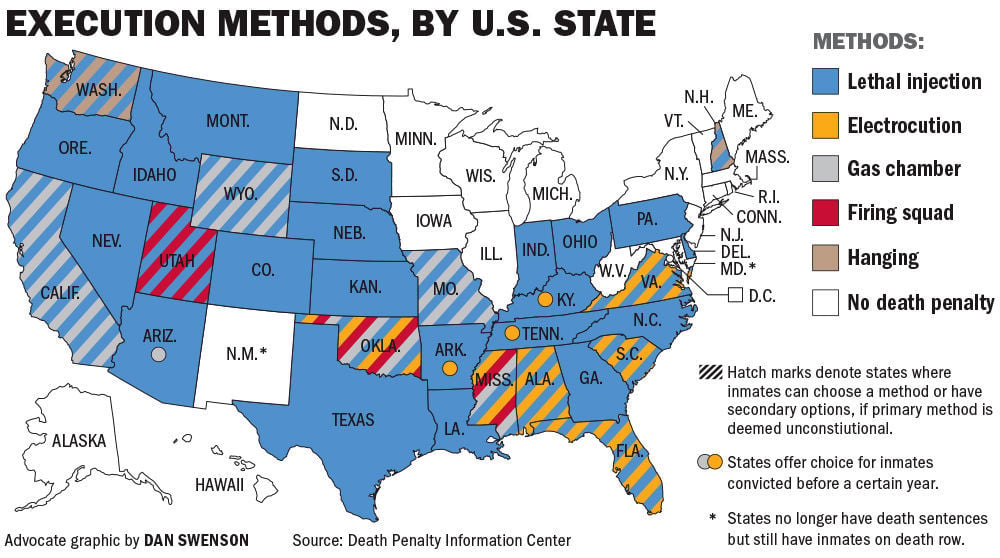
For those planning to explore the vast and rugged beauty of Alaska, understanding the nuances of its local culture and societal values offers a richer, more immersive experience. Beyond the breathtaking landscapes and unique wildlife, the legal and social fabric of the state reveals much about the spirit of its people. One frequently asked question that delves into this very core is about its stance on capital punishment. To provide a clear answer: no, Alaska does not have the death penalty. It was abolished long before the state even achieved statehood, a decision that profoundly reflects its pioneering ethos and commitment to a distinct vision of justice. This isn’t merely a legal fact; it’s a window into the character of a state that prides itself on independence and forging its own path.

A Legacy of Self-Determination
The decision to abolish capital punishment in Alaska in 1957 was not a sudden one but the culmination of a burgeoning sense of identity and self-determination that characterized the Territory of Alaska in the mid-20th century. As residents moved closer to achieving statehood, there was a palpable desire to craft a future distinct from many of the established norms of the Lower 48 states. This spirit of independence extended to legal philosophy, shaping a system that prioritized rehabilitation and due process over punitive extremes. For tourists seeking to understand the unique “local culture” of Alaska, recognizing this early and significant legislative choice is a crucial “tip” for appreciating the deeper values that underpin Alaskan society. It speaks volumes about a community that has historically valued practical solutions and a progressive outlook, even in the face of frontier challenges.
The Historical Roots: A Cultural Perspective
To truly grasp why Alaska stands apart on the issue of the death penalty, it’s essential to look back at its historical trajectory, particularly through the lens of cultural development. Capital punishment was indeed practiced in the Territory of Alaska under federal law, primarily by hanging. However, the application was infrequent and often fraught with controversy, reflecting an underlying discomfort within the community regarding its finality and potential for error. As Alaska matured as a distinct entity, debates surrounding social justice and human rights began to gain traction, influencing the territory’s legislative assembly.
From Frontier Justice to Progressive Policies
The abolition of the death penalty in 1957 by the territorial legislature was a landmark decision. It occurred just two years before Alaska officially became the 49th state of the United States. This timing is particularly significant as it demonstrates a conscious effort by founding Alaskans to define their state’s moral and legal character before entering the union. They effectively built a progressive stance on criminal justice into the very foundation of their new state. This choice was influenced by a blend of factors, including the philosophical arguments against capital punishment gaining prominence globally, the unique challenges of administering justice in vast, sparsely populated areas, and a distinct “frontier humanism” that often characterized the tight-knit communities of early Alaska. It was a cultural statement, a declaration that their nascent state would be built on principles of considered justice rather than retribution.
Influences on Alaskan Values
The abolition wasn’t simply a political maneuver; it reflected a shift in the collective values of Alaskans. The experience of living in a harsh, demanding environment often fostered a sense of mutual reliance and a pragmatic approach to problem-solving. While the justice system needed to be robust, there was also an underlying belief in the capacity for redemption and the importance of due process, especially in a place where community ties were so vital. For visitors, understanding this historical context provides a “tip” for deeper cultural appreciation. It helps explain why Alaska often takes a unique stance on various social and environmental issues, rooted in a history of independent thought and a determination to create a society that reflects its own distinct moral compass. This spirit is visible today in everything from its approach to environmental conservation to its strong advocacy for indigenous rights, all part of the rich tapestry of Alaskan local culture.
Alaska’s Legal Landscape and its Reflection of Local Culture
The absence of the death penalty in Alaska is more than just a historical footnote; it continues to shape the state’s broader legal landscape and, by extension, its cultural identity. The state’s criminal justice system operates with life imprisonment as the severest punishment, a decision reinforced over decades by its citizens and judiciary. This steadfast position highlights a cultural preference for systems that allow for appellate review, the possibility of rehabilitation, and a deep-seated caution against irreversible state actions. For tourists interested in the “local culture” of their destination, recognizing how these legal principles are woven into the societal fabric offers profound insight into the ethos of Alaskans. It suggests a society that values thoughtful consideration and human dignity, even in the most severe cases.
Constitutional Protections and Rights
The Alaska State Constitution, adopted in 1956, further solidified this stance by including robust protections against cruel and unusual punishment, a reflection of the progressive values that permeated the state’s founding. While not explicitly banning the death penalty, the constitutional framework and subsequent judicial interpretations have consistently upheld the state’s abolitionist position. This foundational document, a product of intensive deliberation by its framers, is a key artifact of Alaskan culture, demonstrating a clear commitment to a particular standard of justice. This commitment influences public discourse, policy-making, and even the daily interactions within communities, providing a compelling “tip” for understanding the state’s character beyond its picturesque facade. It underscores a fundamental belief in the rights of individuals, even those accused of heinous crimes, reflecting a more restorative or at least less punitive philosophy than found elsewhere.
The Impact on Public Discourse and Community Values
In Alaska, the debate around capital punishment is largely settled, allowing energy to be directed towards other aspects of criminal justice reform, victim support, and community safety. This distinct legal stance contributes to a particular flavor of “local culture” where conversations about justice often lean towards the causes of crime, prevention, and the efficacy of various forms of imprisonment, rather than the morality of execution. For visitors, observing or learning about this aspect of Alaskan society can be an enriching part of their “tourism” experience, offering a deeper understanding of the values that bind its communities. It reinforces the image of Alaska as a state that not only embraces its wild independence but also carefully cultivates its societal norms, reflecting a thoughtful and often progressive approach to governance and human rights. This insight provides a valuable “tip” for those looking to move beyond superficial observations and engage with the deeper cultural currents of this unique destination.
What This Means for Understanding Alaska as a Tourist Destination
When traveling to Alaska, most tourists are captivated by its majestic glaciers, abundant wildlife, and endless wilderness. However, a truly enriching “tourism” experience involves engaging with the local culture, understanding the people, and appreciating the unique societal values that define the destination. The fact that Alaska does not have the death penalty is not just a legal tidbit; it is a significant cultural marker that provides profound insight into the Alaskan identity. It speaks to a pioneering spirit tempered by a deep sense of social responsibility and a progressive outlook on human rights. This awareness can fundamentally enhance a visitor’s appreciation for the state, transforming a scenic trip into a meaningful cultural journey.
Beyond the Scenery: Engaging with Alaskan Society
Understanding Alaska’s stance on capital punishment serves as a powerful “tip” for tourists seeking to engage more deeply with its local culture. It highlights a state that, from its very inception, chose a path distinct from many of its counterparts, prioritizing thoughtful justice over retributive punishment. This decision reflects a complex interplay of historical factors, including the independent spirit of its early settlers, the influence of indigenous cultures that often emphasize community and restorative practices, and a pragmatic approach to governance in a challenging environment. For a visitor, recognizing this commitment to human dignity and a progressive legal framework allows for a more nuanced understanding of the people they encounter and the communities they explore. It helps explain why Alaskans might have particular viewpoints on other social issues, fostering a deeper connection to the place beyond its physical beauty.

A Deeper Appreciation for Alaskan Identity
Ultimately, the absence of the death penalty is an integral part of Alaska’s unique identity, a testament to its courage to forge its own moral and legal destiny. For any discerning tourist, this fact is a crucial piece of information that enriches their “tourism” experience. It’s an invitation to appreciate that Alaska is not just a destination of unparalleled natural wonders, but also a society built on distinctive values of independence, progressive thought, and a carefully considered approach to justice. By understanding this facet of Alaskan life, visitors can gain a more comprehensive perspective, allowing them to connect with the state and its inhabitants on a more meaningful level. It offers a valuable “tip” for those who wish to experience not just the grandeur of Alaska’s wilderness, but also the richness of its human culture and the enduring spirit of its people.
LifeOutOfTheBox is a participant in the Amazon Services LLC Associates Program, an affiliate advertising program designed to provide a means for sites to earn advertising fees by advertising and linking to Amazon.com. Amazon, the Amazon logo, AmazonSupply, and the AmazonSupply logo are trademarks of Amazon.com, Inc. or its affiliates. As an Amazon Associate we earn affiliate commissions from qualifying purchases.