
Alaska, a vast and wild frontier, conjures images of pristine wilderness, towering glaciers, and abundant wildlife. For many, the allure of Alaska lies in its untamed beauty and the opportunity to immerse oneself in nature. As visitors plan their adventures, from exploring the Denali National Park and Preserve to cruising the Inside Passage, a practical question often arises: “Does Alaska have ticks?” This inquiry is not merely a curiosity; it’s a vital consideration for anyone venturing into the Alaskan outdoors, impacting health, comfort, and the overall enjoyment of their trip.
While Alaska may not be as widely associated with tick-borne illnesses as some lower-latitude regions, the answer is a definitive yes. Ticks are present in Alaska, and understanding their distribution, the species encountered, and the necessary precautions is crucial for a safe and memorable travel experience. This guide will delve into the realities of ticks in Alaska, offering insights for travelers to navigate the wilderness with confidence.
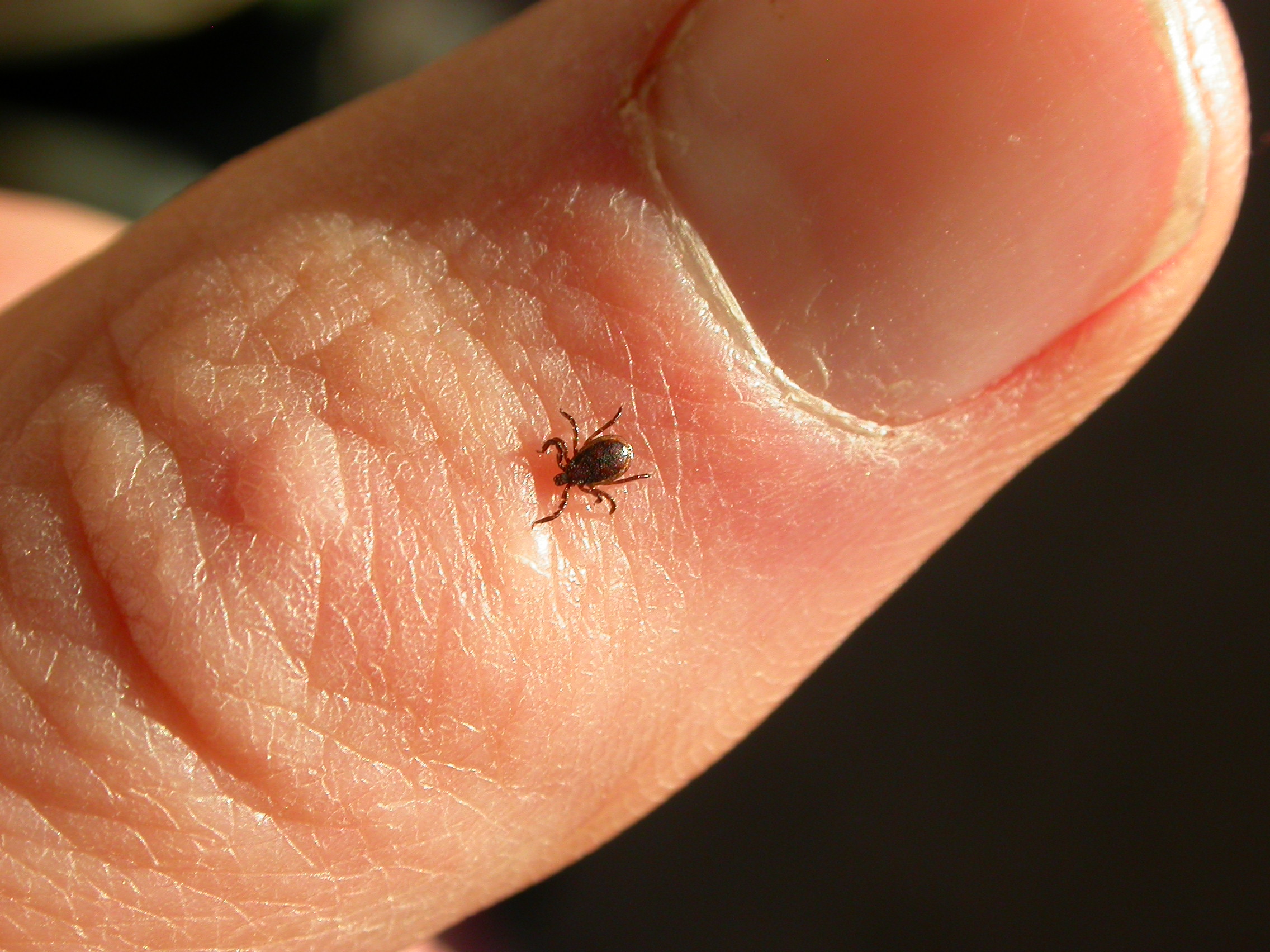
Understanding the Tick Landscape in Alaska
The presence and prevalence of ticks in any region are influenced by a complex interplay of climate, habitat, and animal hosts. In Alaska, these factors create a unique tick environment that differs from what visitors might expect.
Common Tick Species and Their Habitats
The most commonly encountered tick species in Alaska are the American dog tick (Dermacentor variabilis) and the moose tick (Dermacentor albipictus), also known as the winter tick.
-
American Dog Tick (Dermacentor variabilis): This species is more prevalent in the southeastern and south-central regions of Alaska, areas that tend to have milder, wetter climates. They are often found in grassy areas, brushy fields, and along trails, particularly where larger mammals, such as deer and moose, frequent. Their active season typically runs from late spring through summer.
-
Moose Tick (Dermacentor albipictus): As its name suggests, the moose tick is strongly associated with moose, but it can also infest other large mammals like caribou and even domestic animals. This species is known for its ability to infest hosts in large numbers, sometimes leading to significant hair loss in its primary hosts. Unlike the American dog tick, moose ticks can be active during milder periods of winter and early spring, especially in the more temperate southern regions of the state. They are often found in wooded areas and where large ungulates are present.
While other tick species might be present in small numbers, these two are the most likely to be encountered by travelers. It’s important to note that tick populations can fluctuate year to year based on weather patterns and host animal populations.
Factors Influencing Tick Activity
Several environmental factors contribute to the presence and activity of ticks in Alaska:
- Climate: While much of Alaska experiences harsh winters, the southern coastal areas and interior valleys can support tick populations, especially during warmer months. Milder winters, such as those experienced in recent years, can lead to higher overwintering survival rates for ticks.
- Habitat: Ticks thrive in environments where they can easily attach to hosts. This includes tall grass, brushy undergrowth, wooded areas, and trails. Popular tourist destinations like Denali National Park and Preserve, Kenai Fjords National Park, and the extensive trail systems around Anchorage can all harbor ticks.
- Wildlife Hosts: The presence of abundant wildlife, such as moose, caribou, deer, and small mammals, provides the necessary blood meals for ticks to complete their life cycles. These animals are ubiquitous throughout much of Alaska, making it challenging to avoid tick habitats entirely.
Health Risks and Tick-Borne Diseases in Alaska
While the risk of tick-borne diseases in Alaska is generally lower than in many parts of the contiguous United States, it is not nonexistent. Understanding the potential health implications is part of being prepared.
Tick-Borne Illnesses Found in Alaska

The primary tick-borne illnesses of concern in Alaska are:
- Anaplasmosis: Caused by the bacterium Anaplasma phagocytophilum, this illness is transmitted primarily by the black-legged tick (also known as the deer tick), though other tick species can potentially transmit it. Symptoms can include fever, headache, muscle aches, and fatigue.
- Lyme Disease: While rare, there have been documented cases of Lyme disease in Alaska. The primary vector for Lyme disease is the black-legged tick. It is important to note that the American dog tick and moose tick, which are more common in Alaska, are not efficient vectors for Lyme disease.
- Tularemia: This bacterial infection can be transmitted by ticks, as well as through contact with infected animals. Symptoms can vary but often include fever, chills, and swollen lymph nodes.
- Rocky Mountain Spotted Fever (RMSF): Although the name suggests a broader range, RMSF is less common in Alaska than in other Western states. However, the American dog tick can transmit it. Symptoms include fever, rash, headache, and muscle aches.
It is crucial to remember that not all ticks carry diseases, and the risk of contracting a tick-borne illness from a single bite is relatively low. However, consistent vigilance and preventative measures are always recommended.
Recognizing Symptoms and Seeking Medical Advice
If you experience symptoms such as fever, rash, headache, fatigue, or muscle and joint aches after visiting Alaska, particularly after spending time outdoors, it is important to consult a healthcare professional. Be sure to inform your doctor about your recent travel history and any potential tick exposures. Early diagnosis and treatment are key to managing tick-borne illnesses effectively.
Protecting Yourself While Exploring Alaska
The good news is that with proper planning and precautions, travelers can significantly reduce their risk of tick bites and enjoy the natural wonders of Alaska safely.
Pre-Trip Preparations and Packing Essentials
Before embarking on your Alaskan adventure, consider these preparatory steps:
- Research Your Destinations: Familiarize yourself with the specific areas you plan to visit. While ticks can be found in many natural settings, some areas might have higher reported tick activity.
- Pack Appropriate Clothing: Lightweight, long-sleeved shirts and long pants are your best defense. Opt for light-colored clothing, as it makes it easier to spot ticks. Tuck your pants into your socks and your shirt into your pants to create a barrier.
- Insect Repellent: Pack EPA-registered insect repellents containing DEET, picaridin, oil of lemon eucalyptus, or IR3535. These are effective against ticks. Always follow product instructions carefully, especially when applying to children.
- Permethrin Treatment: Consider treating your clothing, shoes, and camping gear with permethrin. Permethrin is an insecticide that repels and kills ticks and is a highly effective preventative measure. It should be applied to gear before your trip and allowed to dry thoroughly.
On-the-Trail Safety Measures
When you’re out exploring, maintain these habits:
- Stay on Trails: When hiking, stick to marked trails and avoid walking through tall grass or dense underbrush where ticks are more likely to be found.
- Tick Checks are Crucial: Conduct thorough tick checks on yourself, your children, and your pets after spending time outdoors, especially after hiking, camping, or picnicking. Pay close attention to areas like the scalp, ears, armpits, groin, and behind the knees.
- Shower or Bathe Promptly: Showering or bathing within two hours of returning indoors can help wash off unattached ticks and is a good opportunity to do a visual tick check.
- Check Gear and Pets: Inspect your clothing, backpacks, and any camping equipment for ticks before bringing them indoors. If you travel with pets, ensure they are treated for ticks and check them thoroughly.

What to Do If You Find a Tick
If you discover a tick attached to your skin:
- Use Fine-Tipped Tweezers: Grasp the tick as close to the skin’s surface as possible.
- Pull Upward with Steady Pressure: Avoid twisting or jerking the tick, as this can cause its mouth-parts to break off and remain in the skin.
- Clean the Area: After removing the tick, thoroughly clean the bite area and your hands with rubbing alcohol or soap and water.
- Dispose of the Tick: Submerge the live tick in alcohol, place it in a sealed bag or container, wrap it tightly in tape, or flush it down the toilet. Do not crush a tick with your fingers.
- Monitor for Symptoms: Keep an eye on the bite area for any signs of rash and monitor yourself for any flu-like symptoms in the weeks following the bite.
By incorporating these simple yet effective strategies into your Alaska travel plans, you can minimize the risk of tick encounters and focus on the unforgettable experiences that this magnificent state has to offer. From the majestic peaks of Denali to the tranquil beauty of its coastlines, Alaska is a destination that rewards the prepared traveler with unparalleled natural splendor.
LifeOutOfTheBox is a participant in the Amazon Services LLC Associates Program, an affiliate advertising program designed to provide a means for sites to earn advertising fees by advertising and linking to Amazon.com. Amazon, the Amazon logo, AmazonSupply, and the AmazonSupply logo are trademarks of Amazon.com, Inc. or its affiliates. As an Amazon Associate we earn affiliate commissions from qualifying purchases.