
The idea of a government paying its citizens to reside within its borders might sound like a dream, a utopian concept often discussed in economic theories. Yet, for the intrepid souls who choose to make the vast, wild expanse of Alaska their home, this dream holds a kernel of truth. The question, “Will Alaska pay you to live there?” isn’t a rhetorical one; it directly refers to the state’s unique Permanent Fund Dividend (PFD). This annual payout, derived from the state’s substantial oil revenues, has long captured the imagination of those seeking a different kind of lifestyle, one deeply intertwined with natural beauty, rugged individualism, and a surprising financial perk.

Beyond the allure of a yearly check, Alaska represents the ultimate Last Frontier – a land of unparalleled natural wonders, unique local culture, and a distinct way of life that demands resilience and adaptability. For many, the prospect of the PFD serves as an initial spark, drawing attention to a state that offers much more than just a financial incentive. It’s an invitation to explore a world of majestic glaciers, abundant wildlife, the mesmerizing Northern Lights, and vibrant communities that thrive amidst the wilderness. This article delves into the realities of the PFD, the practicalities of Alaskan living, and the compelling reasons why this extraordinary state continues to captivate travelers and potential residents alike. From exploring unique accommodation options to understanding the true cost of settling in this wild paradise, we’ll uncover whether the financial draw truly makes Alaska the ideal place to call home.
The Allure of the Alaskan PFD: More Than Just a Handout
At the heart of the “Will Alaska pay you?” question lies the Permanent Fund Dividend (PFD). This isn’t a welfare program or a simple handout; it’s a testament to Alaska’s forward-thinking approach to wealth management and citizen empowerment. Understanding its origins and mechanics is crucial to grasping its significance.
What is the Permanent Fund Dividend (PFD)?
The Alaska Permanent Fund was established in 1976 by a constitutional amendment, a visionary move by then-Governor Jay Hammond. The amendment mandated that at least 25% of the state’s mineral lease rentals, royalties, royalty sales proceeds, and federal mineral revenue sharing payments be deposited into a permanent fund. The purpose was clear: to set aside a portion of the state’s non-renewable resource wealth – primarily from its vast oil reserves – for the benefit of future generations. It’s a savings account for all Alaskans, ensuring that the prosperity generated by finite resources would endure.
The PFD itself began distribution in 1982. It’s an annual payout to eligible Alaskans derived from the fund’s investment earnings, not the principal. The idea was to give citizens a direct stake in the state’s wealth, encouraging them to think long-term about Alaska’s economic health. This unique model makes Alaska a fascinating case study in resource management and citizen dividends, distinct from any other state in the United States. The fund is managed by the Alaska Permanent Fund Corporation, which invests in a diversified portfolio to ensure its growth and sustainability.
Eligibility Requirements: Who Qualifies for the Alaskan Bonus?
While the thought of a yearly payment is enticing, qualifying for the PFD comes with strict residency requirements. It’s not simply a matter of moving to Alaska; you must demonstrate a clear intent to make it your permanent home. To be eligible for the PFD, an individual must:
- Be an Alaska resident for a full calendar year immediately preceding the application date. This means if you move in January 2024, your first PFD application would typically be for the 2025 dividend, based on your residency in 2024.
- Intend to remain an Alaska resident indefinitely. This isn’t just a verbal declaration; the state looks for tangible proof. This includes registering to vote, obtaining an Alaskan driver’s license or state ID, filing Alaska resident income tax (if applicable), and refraining from claiming residency in another state or country.
- Not be absent from Alaska for more than 180 days during the dividend year, unless for an allowable absence (e.g., military service, college out-of-state, medical treatment). There are specific rules and exceptions for these absences that residents must adhere to.
- Not be a convicted felon or incarcerated during the qualifying period for certain offenses.
These rules ensure that the PFD truly benefits those who are committed to living in and contributing to the Alaskan community. It’s a mechanism designed to reward genuine residency, rather than attracting short-term opportunists. For potential new residents, understanding these requirements is the first crucial step in making the move.
The Annual Payout: How Much Can You Expect?
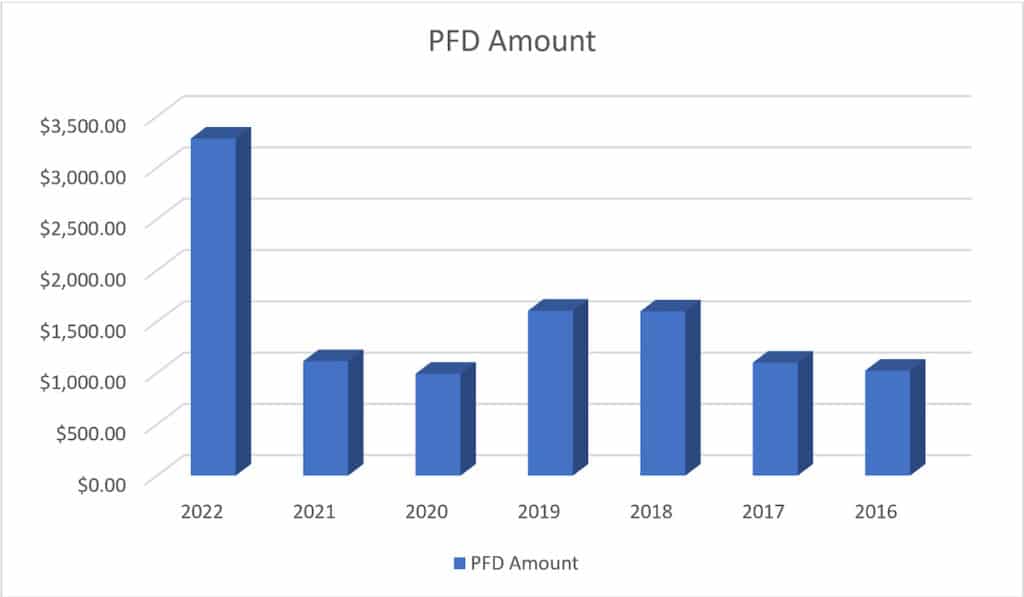
The amount of the PFD is not fixed; it fluctuates annually based on a statutory formula that considers the Alaska Permanent Fund’s investment earnings over the preceding five years, the fund’s value, and other economic factors. This means the payout can vary significantly from year to year, sometimes leading to spirited debates within the state legislature about the formula and distribution.
Historically, payouts have ranged from a low of around $331 in 1983 to a high of $3,284 in 2022 (with an additional energy relief payment that year). In other years, the dividend has hovered between $1,000 and $2,000. It’s important to view the PFD not as a primary income source, but rather as a bonus or supplemental income. For a family with children, these cumulative dividends can certainly add up, helping with everything from holiday spending to offsetting some of the higher costs of living in the state. However, relying solely on the PFD for financial stability would be ill-advised, underscoring the need for a solid financial plan when considering a move to Alaska.
The Reality of Alaskan Living: Beyond the PFD Check
While the PFD might be a significant draw, living in Alaska is far from a simplistic endeavor. It demands a genuine appreciation for the unique challenges and rewards that come with residing in such an isolated and awe-inspiring environment. The reality extends far beyond a yearly check, touching upon economic, environmental, and cultural adaptations that every prospective resident must consider.
High Cost of Living: Balancing the Books in the Last Frontier
One of the most significant factors to weigh when considering a move to Alaska is the considerably higher cost of living compared to the contiguous United States. Because most goods must be shipped long distances, often by air or sea, everything from groceries to building materials carries a premium.
- Groceries: Expect everyday food items to be anywhere from 20% to 50% more expensive than in the Lower 48, especially in more remote towns. While cities like Anchorage and Fairbanks offer larger supermarkets, even there, the prices are noticeably higher.
- Housing: While not as exorbitant as major coastal cities in the Lower 48, housing costs in desirable Alaskan communities like Anchorage, Juneau, or Girdwood can be significant. Rental markets can be tight, particularly for quality apartments, and purchasing a home often requires a higher budget.
- Utilities: Heating costs, especially during the long, cold winters, can be a major expense. Electricity, natural gas, and heating oil prices are often higher, depending on the region and energy source.
- Transportation: While some residents embrace snow machines and ATVs for daily commutes, road infrastructure is limited. Fuel prices are generally higher, and vehicle maintenance must account for extreme weather conditions. Shipping a vehicle to Alaska is also a substantial upfront cost.
The PFD, while a welcome bonus, often helps to offset only a fraction of these elevated expenses. Therefore, prospective residents need to approach the move with a clear understanding of their financial situation and ensure a stable income source to comfortably manage the cost of living. This reality often challenges perceptions of budget travel in the state, although savvy locals know how to make their dollar stretch.
Employment Opportunities: Careers in a Unique Economic Landscape
Alaska’s economy is unique, heavily influenced by its natural resources and incredible scenery. Key sectors offer distinct employment opportunities:
- Oil & Gas: Historically, this has been a dominant industry, offering high-paying jobs, particularly on the North Slope. While fluctuating oil prices impact the industry, it remains a significant employer.
- Tourism: With millions of visitors annually, the Alaskan tourism sector is robust, particularly during the summer months. Opportunities range from hotels and resorts to tour guides, cruise ships operations, and adventure outfitters. Many of these are seasonal, requiring workers to manage finances through the off-season or find secondary employment.
- Fishing: Commercial fishing is a cornerstone of the Alaskan economy, particularly in coastal towns like Ketchikan, Homer, and Kodiak. Processing plants and fishing vessels offer seasonal work that can be physically demanding but financially rewarding.
- Healthcare and Education: These sectors provide stable, year-round employment across the state, from urban centers to remote villages. There is often a demand for skilled professionals in these fields.
- Government & Military: As the largest state by land area, Alaska has a significant federal and state government presence, offering various administrative and operational roles. The large military bases also support a substantial civilian workforce.
For those considering a move, researching job markets in specific regions is critical. Networking and understanding the seasonality of many industries are essential for career success in Alaska.
Adapting to the Climate and Culture: Embracing the Wild
Perhaps the most significant non-financial adjustment for newcomers is adapting to Alaska’s extreme climate and unique local culture.
- Winters and Daylight: The extended periods of darkness in winter, especially in the interior and northern regions, can be challenging. Fairbanks, for instance, experiences mere hours of daylight around the winter solstice. This often requires mental preparation and strategies for managing seasonal affective disorder, such as light therapy and engaging in outdoor winter sports. Conversely, summers bring nearly 24 hours of daylight, which can be equally disorienting but incredibly vibrant.
- Community and Isolation: Alaskan communities are often close-knit and self-reliant, a necessity given the vast distances between towns. While newcomers might initially find it challenging to break into established social circles, most Alaskans are welcoming and share a bond forged by their shared experience of living in the Last Frontier. Rural living can mean significant isolation, with limited access to amenities and services, while urban centers like Anchorage offer more conventional city living.
- Respect for Nature: The deep respect for nature and the outdoors is a defining characteristic of Alaskan lifestyle. Wildlife encounters are common, and residents must learn to coexist responsibly with bears, moose, and other animals. A love for outdoor recreation – from hiking and fishing to skiing and dog mushing – is almost a prerequisite for thriving in Alaska. Embracing this connection to the wilderness is key to finding fulfillment in the state.
Why Choose Alaska? A Lifestyle and Travel Destination Unlike Any Other
Beyond the practicalities of the PFD and the cost of living, Alaska offers an unparalleled quality of life for those seeking adventure, solitude, and connection with the natural world. It’s a prime destination for travel and a unique place to forge a life.
Unforgettable Travel Experiences and Natural Wonders
Alaska is a land of superlatives when it comes to natural beauty and travel experiences. Its vastness means there’s an endless array of landmarks and attractions to explore.
- National Parks: Home to eight of the largest national parks in the United States, Alaska offers unmatched wilderness experiences. Denali National Park is home to Mount McKinley (Denali), North America’s highest peak, and incredible wildlife viewing opportunities. Glacier Bay National Park is a UNESCO World Heritage Site famous for its tidewater glaciers. Kenai Fjords National Park offers stunning coastal scenery and marine life, while Wrangell-St. Elias National Park is the largest national park in the country, boasting towering mountains and vast wilderness.
- Wildlife Viewing: Alaska is a wildlife paradise. Bear viewing tours (grizzly, black, and polar), whale watching (humpback, orca), and opportunities to spot moose, caribou, eagles, and sea otters are abundant.
- Glacier Exploration: From accessible sites like Mendenhall Glacier near Juneau to remote icefields, glaciers are a defining feature. Kayaking among icebergs, hiking on glacier surfaces, or taking scenic flights over vast ice formations are popular activities.
- The Northern Lights: In winter, especially in interior Alaska (like Fairbanks), the aurora borealis paints the night sky with ethereal greens, purples, and reds, an unforgettable natural phenomenon.
- Adventure Sports: Alaska is an adventurer’s playground. Heli-skiing, dog sledding (Iditarod Trail Sled Dog Race being famous), ice climbing, deep-sea fishing, and remote wilderness backpacking are just a few of the adrenaline-pumping options available.
Unique Accommodation Options for Every Adventurer
The diverse landscape and visitor demographics of Alaska mean that accommodation options are as varied as its scenery. Whether you’re planning luxury travel or a more rugged stay, there’s something for everyone.
- Luxury Lodges and Resorts: High-end resorts like Alyeska Resort in Girdwood offer ski-in/ski-out access and spa amenities. Remote wilderness lodges provide exclusive access to pristine nature with gourmet dining and guided excursions.
- Hotels and Suites: Major cities like Anchorage and Fairbanks have a range of hotels, from international chains to boutique establishments, catering to both business stays and leisure travelers.
- Cabins and Villas: For a more intimate experience, private cabin rentals, from rustic to luxurious, are popular, especially in scenic areas like Talkeetna or the Kenai Peninsula.
- Cruise Ships: A significant portion of Alaskan tourism comes via Alaskan Cruise through the Inside Passage. These floating hotels offer comprehensive travel experiences, visiting coastal towns and scenic fjords.
- Campgrounds and RV Parks: For those embracing budget travel and outdoor immersion, numerous state and national park campgrounds and private RV parks provide essential facilities.
Embracing Alaskan Tourism and Local Culture
Alaskan tourism is not just about natural spectacles; it’s also about experiencing a rich tapestry of local culture, history, and unique traditions.
- Indigenous Culture: Alaska is home to numerous Alaskan Native groups, each with distinct languages, customs, and art forms. Cultural centers and heritage sites, especially in places like Sitka and Ketchikan, offer insights into their enduring traditions, architecture (like totem poles), and way of life.
- Gold Rush History: Towns like Skagway and Nome preserve the legacy of the Klondike Gold Rush, offering a glimpse into Alaska’s rugged pioneering past.
- Food Experiences: Seafood, particularly wild Alaskan salmon, halibut, and king crab, is a culinary highlight. From fine dining in Anchorage to roadside stands offering fresh catch, Alaskan cuisine is a treat.
- Unique Festivals and Events: The Iditarod Trail Sled Dog Race is world-renowned, but smaller community events, folk festivals, and winter carnivals offer authentic local flavor.
Making the Move: Planning Your Alaskan Adventure
For those truly captivated by the prospect of Alaskan living, the journey involves careful planning and a deep dive into the practicalities of relocation.
Researching Cities and Regions: Finding Your Perfect Spot
Alaska’s immense size means that different regions offer vastly different experiences and opportunities. Choosing where to settle is a critical first step.
- Anchorage: The largest city, Anchorage offers the most amenities, job opportunities, and cultural attractions, along with relatively easy access to stunning wilderness. It serves as a major hub for the entire state.
- Fairbanks: Located in the interior, Fairbanks is known for its extreme seasonal daylight variations, incredible Northern Lights viewing, and a strong military presence. It’s a hub for interior and arctic Alaska.
- Juneau: The state capital, Juneau is nestled in the Inside Passage and is only accessible by air or sea. It offers stunning fjord scenery, glacier access, and government-related employment.
- Coastal Towns (Ketchikan, Sitka, Homer, Seward): These communities thrive on fishing and tourism. They offer a slower pace of life, abundant outdoor recreation, and a strong sense of community, but with fewer amenities and potentially higher costs for some goods.
- Aleutian Islands and Remote Villages: For the most intrepid, remote regions offer unparalleled wilderness and unique challenges, often with strong Alaskan Native cultural ties, but with very limited infrastructure and services.
Each area has its own charm, climate, and economic landscape, making thorough research essential to finding a place that aligns with one’s personal and professional goals.
Preparing for the Practicalities: Logistics and Community Integration
Moving to Alaska involves more than just packing bags. Logistical planning is paramount. This includes budgeting for shipping household goods and vehicles, understanding the permitting process for firearms, and ensuring you have appropriate winter gear before the cold sets in. It also means securing employment or having a financial buffer to sustain you through the initial period. Beyond logistics, actively seeking out community groups, volunteering, or participating in local events can significantly aid in integration. Building connections with other Alaskans who understand the unique aspects of life in the Last Frontier can make the transition much smoother and more rewarding.
In conclusion, the answer to “Will Alaska pay you to live there?” is a qualified yes, thanks to the Permanent Fund Dividend (PFD). However, it’s crucial to understand that the PFD is a benefit, not a primary incentive for everyone. Living in Alaska is a distinct lifestyle choice, one that requires a hearty spirit, an appreciation for the outdoors, and a realistic understanding of the higher cost of living and unique challenges. For those who embrace it, Alaska offers a richness of experience, a profound connection to nature, and a sense of adventure that few other places on Earth can match. Whether you visit for an unforgettable travel experience or decide to call it home, Alaska promises a journey into the extraordinary.
LifeOutOfTheBox is a participant in the Amazon Services LLC Associates Program, an affiliate advertising program designed to provide a means for sites to earn advertising fees by advertising and linking to Amazon.com. Amazon, the Amazon logo, AmazonSupply, and the AmazonSupply logo are trademarks of Amazon.com, Inc. or its affiliates. As an Amazon Associate we earn affiliate commissions from qualifying purchases.