
The allure of the Last Frontier often comes with a persistent whisper: “Doesn’t Alaska pay you to live there?” This intriguing question captures the imagination of many seeking a unique lifestyle, an escape from the ordinary, or perhaps simply a financial boost. While the answer isn’t a straightforward “yes” in the traditional sense, it’s rooted in a remarkable program unique to this vast and rugged state: the Permanent Fund Dividend (PFD). Understanding the PFD is crucial, but it’s only one piece of a much larger, more complex puzzle that defines life in Alaska. Beyond the dividend, prospective residents must weigh the unparalleled natural beauty and adventure against the distinct challenges and often high cost of living that come with embracing the Alaskan dream. This article delves into the realities of living in Alaska, exploring the financial incentives, the economic landscape, the true cost of settling in the Arctic and sub-Arctic wilderness, and the unique lifestyle that awaits those brave enough to call it home.
The Alaska Permanent Fund Dividend: A Unique Economic Model
At the heart of the “does Alaska pay you to live there?” question lies the Permanent Fund Dividend, or PFD. Established in 1976, the Alaska Permanent Fund was created to manage a portion of the state’s oil revenues for future generations. Rather than spending all the oil wealth, the state decided to invest it, creating a diverse portfolio of stocks, bonds, and real estate. The PFD is a share of the fund’s earnings, distributed annually to eligible Alaskan residents. It’s not a payment for living there, but rather a dividend earned from the state’s collective investment, effectively sharing a piece of Alaska’s natural resource wealth directly with its people.
How the PFD Works
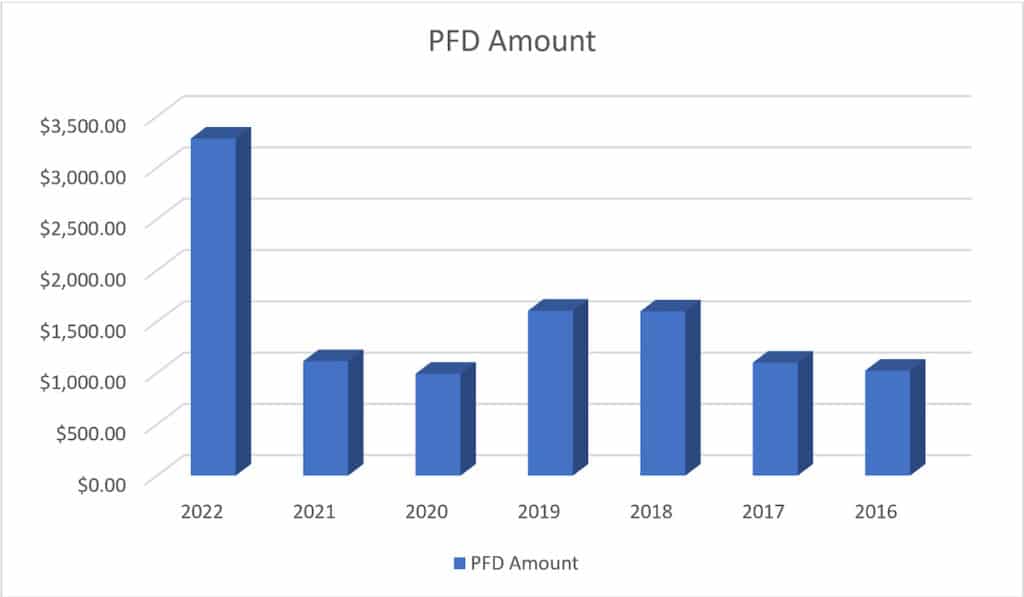
The Permanent Fund Dividend is calculated based on a five-year average of the fund’s investment earnings, along with other factors determined by the state legislature. The amount varies each year, reflecting the performance of the fund and political decisions. Historically, dividend amounts have ranged significantly, from a few hundred dollars to over $2,000 per person in some years. For a family of four, this can represent a substantial influx of cash, providing a welcome boost to household incomes, especially in a state where the cost of living can be notoriously high.
Eligibility for the PFD
To be eligible for the Permanent Fund Dividend, applicants must meet specific criteria:
- Residency: You must be a resident of Alaska for an entire calendar year preceding the application period. This means you must intend to remain an Alaskan resident indefinitely.
- Physical Presence: You must have been physically present in Alaska for at least 180 days during the dividend year. Exceptions apply for certain circumstances, such as military service, education, or medical treatment outside the state.
- No Felony Convictions: Individuals who have been incarcerated for certain felony offenses or who have been absent from the state due to conviction for certain crimes are generally ineligible.
The application window typically opens in January and closes at the end of March each year. The dividends are usually paid out in early October. While the PFD provides a tangible financial benefit, it’s crucial to understand that it’s supplemental income, not a replacement for a job or a primary means of support. It serves more as an annual bonus, a unique perk of living in the 49th state, rather than a “salary” for residency.
Beyond the Dividend: Financial Realities and Opportunities
While the prospect of an annual dividend is enticing, it’s vital to look beyond this singular benefit to understand the full financial landscape of living in Alaska. The state offers unique economic opportunities, but these often come hand-in-hand with considerable expenses, particularly regarding housing, goods, and utilities.
Understanding Alaska’s Economy
Alaska’s economy is primarily driven by its vast natural resources. Oil and gas production, particularly from the North Slope via the Trans-Alaska Pipeline System, has historically been the largest contributor to the state’s revenue and the Permanent Fund. Beyond petroleum, the fishing industry is a cornerstone, especially in coastal towns along the Pacific Ocean, providing significant employment and contributing to the global seafood market.
Tourism is another robust and growing sector. Millions of visitors flock to Alaska each year, drawn by its pristine wilderness, majestic wildlife, and unique cultural experiences. Destinations like Denali National Park and Preserve, home to Mount Denali, North America’s tallest peak, as well as the historic Klondike Gold Rush National Historical Park in Skagway, Glacier Bay National Park and Preserve, and Kenai Fjords National Park near Seward, offer unparalleled opportunities for adventure and relaxation. This influx of tourists supports a wide array of jobs in hospitality, guiding, transportation, and retail, which can be particularly active during the summer months.
Other significant sectors include military installations (given Alaska’s strategic location), healthcare, and government employment. While some industries offer competitive wages to attract talent to a remote region, it’s crucial for prospective residents to research job markets relevant to their skills before making the move.
The High Cost of Living
One of the most significant considerations for anyone contemplating a move to Alaska is the elevated cost of living. Data from the Federal Bureau of Economic Analysis consistently shows that Alaska ranks among the most expensive states in the United States. This is primarily due to transportation costs, as most goods must be shipped or flown in, adding significantly to their retail price.
Housing and Utilities
Housing costs vary widely depending on the region. Major cities like Anchorage and Juneau generally have higher prices for both rentals and home purchases, comparable to some major cities in the lower 48 states. Smaller, more remote communities might offer lower housing prices, but these often come with limited amenities and job opportunities. For visitors, accommodation options range from luxury hotels and resorts, such as the Alyeska Resort in Girdwood, to cozy cabins and extended-stay apartments, reflecting the diverse needs of both tourists and those considering a longer stay.
Utilities, especially heating in a cold climate, can be exceptionally expensive. Electricity, heating oil, and natural gas rates are often significantly higher than the national average. Internet and telecommunications, particularly in rural areas, can also be costly and less reliable.

Groceries and Goods
Shopping for groceries in Alaska can be a sticker shock for newcomers. Basic staples can be 20-50% more expensive than in the contiguous United States. Fresh produce, dairy, and specialty items, in particular, incur hefty shipping fees that are passed on to consumers. Many residents learn to adapt by buying in bulk, stocking up during sales, and relying on local resources like fishing or hunting for sustenance where permitted.
Transportation
Given the vast distances and often challenging terrain, personal transportation is a necessity for most Alaskan residents. Vehicle maintenance costs can be higher due to harsh weather conditions, and gasoline prices tend to be elevated. Public transportation is limited outside of major urban centers like Anchorage and Fairbanks. Air travel is a common mode of transport between communities, especially in remote areas not connected by roads, which can be costly. The iconic Seward Highway, a popular route for both tourists and residents, highlights the importance of road access, though many regions remain off the grid.
Embracing the Alaskan Lifestyle: More Than Money
Beyond the financial equations, living in Alaska is fundamentally about embracing a unique lifestyle. It’s a place where nature reigns supreme, offering both breathtaking beauty and formidable challenges. For many, the true “payment” of living in Alaska comes not in dollars, but in unparalleled experiences and a profound connection to the wild.
The Allure of the Wilderness
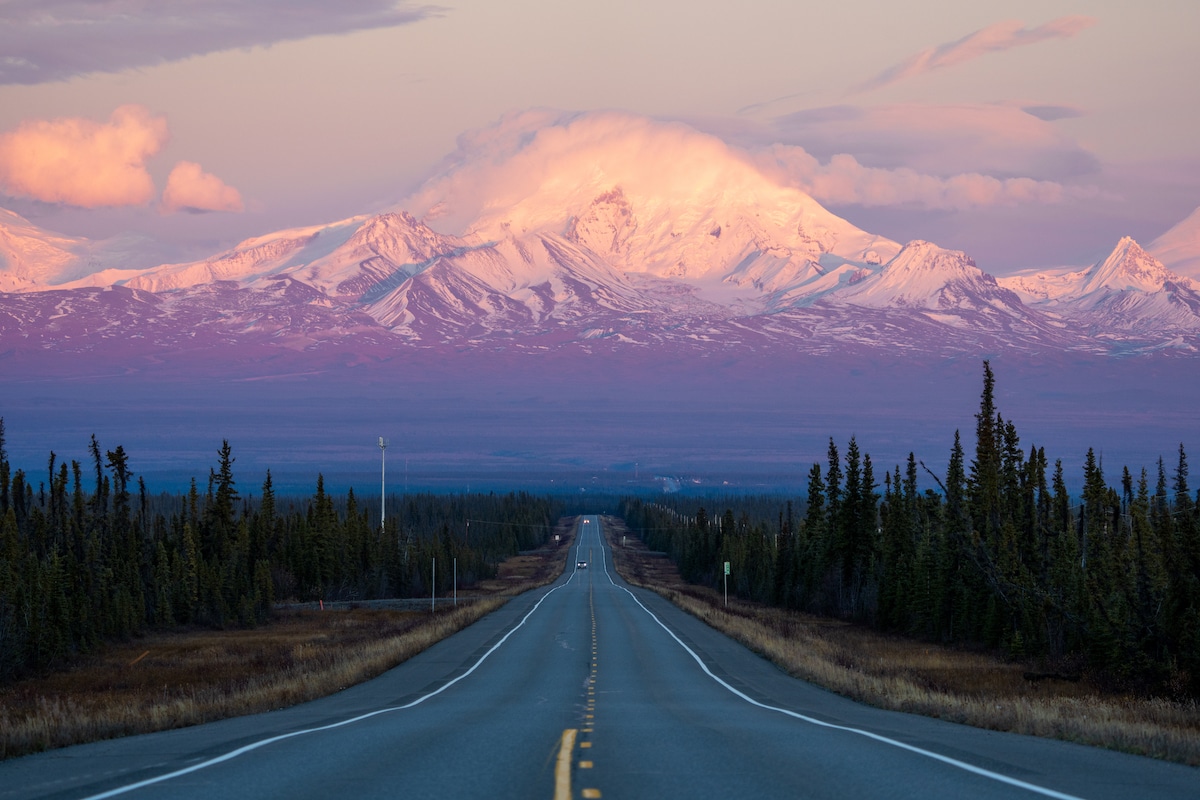
Alaska is a paradise for outdoor enthusiasts. Its vast landscapes, from towering mountains like the Chugach Mountains to expansive tundras and dense forests, provide endless opportunities for hiking, fishing, hunting, kayaking, and wildlife viewing. The chance to see grizzlies, moose, whales, and bald eagles in their natural habitats is a daily reality for many residents. Winters, while long and dark, transform the landscape into a wonderland for skiing, snowboarding, ice fishing, and dog mushing – including world-famous events like the Iditarod Trail Sled Dog Race.
The summer months bring the phenomenon of the midnight sun, with nearly 24 hours of daylight, allowing for extended outdoor activities and a vibrant energy that compensates for the darker winter. In winter, the clear, cold nights often present spectacular displays of the Northern Lights (Aurora Borealis), a truly unforgettable experience that draws visitors from around the globe and is a common sight for residents.
Community and Culture
Despite its vastness, Alaska fosters a strong sense of community. In many towns, especially smaller ones like Talkeetna or Kodiak, neighbors rely on each other, and a spirit of resilience and self-sufficiency prevails. The diverse population includes a rich tapestry of Alaska Natives whose cultures, traditions, and art forms are deeply interwoven into the state’s identity. Understanding and respecting these local cultures, their history, and their deep connection to the land is an essential part of the Alaskan experience. Local food, often centered around fresh seafood and game, reflects this unique blend of cultures and available resources.
Challenges of Remote Living
Life in Alaska is not without its difficulties. The extreme climate, with frigid winters and heavy snowfall, requires significant preparation and adaptation. Isolation can be a factor, particularly in rural areas, where medical facilities and specialized services may be hours away. The limited infrastructure outside of major cities means that things taken for granted elsewhere – reliable internet, a wide selection of goods, or easy travel – can be challenging. For those accustomed to a fast-paced urban environment, the slower pace and reliance on self-sufficiency can be a significant adjustment.
Is Moving to Alaska Right for You?
The question of whether Alaska pays you to live there ultimately leads to a deeper inquiry about what kind of life you seek. While the Permanent Fund Dividend is a genuine financial perk, it rarely outweighs the substantially higher cost of living and the unique challenges of the environment for most people. Moving to Alaska should be driven by a desire for a specific lifestyle, not solely by the promise of a dividend.
For those who thrive in the outdoors, cherish solitude, embrace self-reliance, and are prepared for long winters and sometimes remote conditions, Alaska offers a richness that few places on Earth can match. It’s a land of breathtaking beauty, endless adventure, and a vibrant community spirit. But it demands respect for its power and an understanding of its practical realities.
Prospective residents should conduct thorough research into specific regions, job markets, housing costs, and community services. Consider visiting Alaska for an extended period, perhaps during both summer and winter, to experience the seasonal differences firsthand. Explore the various destinations, from the bustling port of Anchorage to the state capital Juneau, or the interior hub of Fairbanks, to see which environment resonates most with your aspirations.
Ultimately, Alaska doesn’t pay you a salary to live there, but it offers an incomparable dividend in the form of an extraordinary life experience. For the right individual, the rewards extend far beyond monetary gain, creating a profound connection to a land that truly is the Last Frontier.
LifeOutOfTheBox is a participant in the Amazon Services LLC Associates Program, an affiliate advertising program designed to provide a means for sites to earn advertising fees by advertising and linking to Amazon.com. Amazon, the Amazon logo, AmazonSupply, and the AmazonSupply logo are trademarks of Amazon.com, Inc. or its affiliates. As an Amazon Associate we earn affiliate commissions from qualifying purchases.