
For travelers planning a trip to the iconic urban landscape of New York, understanding the nuances of regional air travel is essential. Many budget-conscious passengers often search for cost-effective ways to reach the Big Apple, frequently turning to low-cost carriers like Allegiant Air to secure the best possible fares. However, the operational model of this airline is distinct from traditional legacy carriers, and knowing its route network is critical to effective travel planning.
Understanding the Allegiant Air Business Model
To answer the question of whether Allegiant Air services New York, one must first grasp the airline’s unique approach to the aviation industry. Unlike major domestic carriers that focus on connecting massive hubs like John F. Kennedy International Airport or LaGuardia Airport, this airline specifically targets smaller, underserved cities and directs traffic toward leisure-heavy destinations.

The Focus on Secondary Airports
The carrier intentionally bypasses major, high-traffic metropolitan airports. By utilizing smaller, regional airports, they minimize landing fees and avoid the congested air traffic patterns that often lead to delays at primary gateways. This strategy allows the airline to maintain lower overhead costs, which it passes on to the passenger in the form of base ticket prices.
Leisure-First Destinations
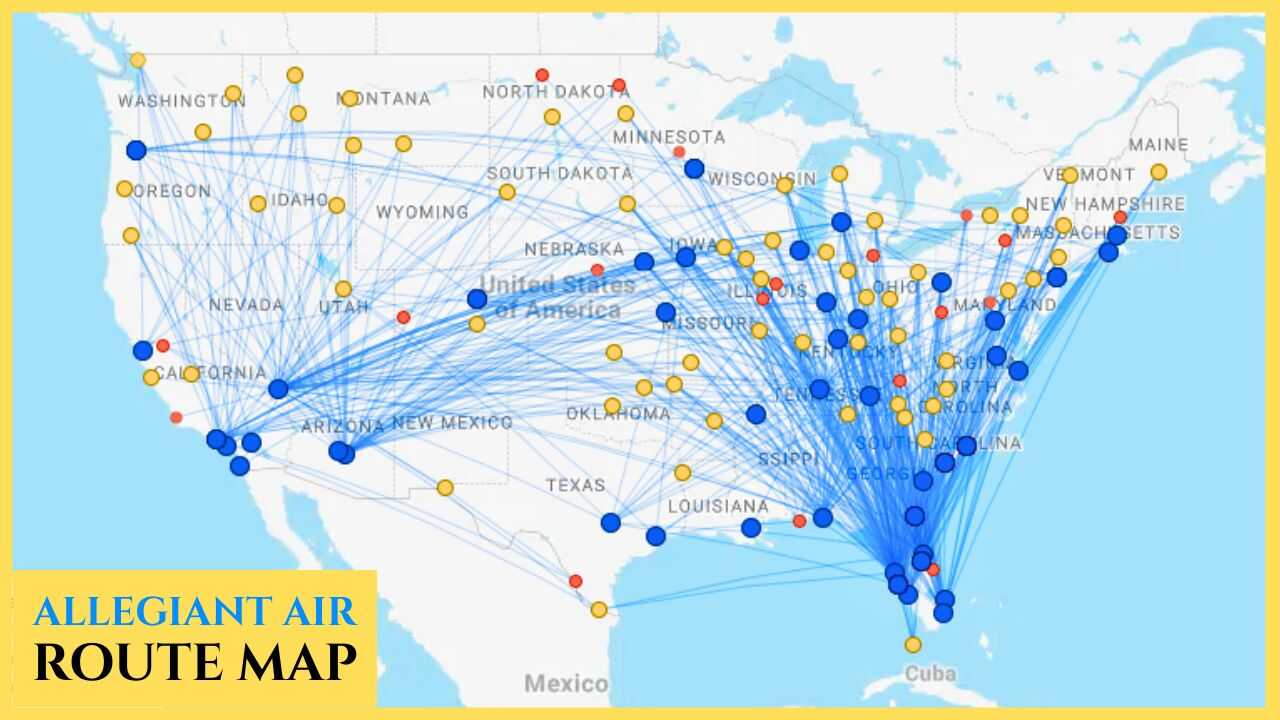
The typical route map for this carrier focuses on warm-weather getaways and popular vacation spots, such as Florida, Las Vegas, and Arizona. Because their business model relies on passengers traveling to these specific vacation hubs rather than major business centers, they do not traditionally maintain scheduled service into the New York City area.
Current Service Limitations in the Northeast
If you are looking for a direct flight to the Empire State using this carrier, you will likely find that such options are currently non-existent. The carrier does not operate out of major New York airports, and it does not serve the immediate surrounding suburbs in New Jersey or Connecticut.
Why They Avoid the Big Apple
The operating costs associated with landing at Newark Liberty International Airport or other nearby facilities are prohibitive for a budget airline that relies on high-volume, low-cost operations. Furthermore, the Northeast region is already densely serviced by major legacy carriers, making it difficult for an ultra-low-cost carrier to establish a foothold without compromising its profit margins.
Indirect Routes and Alternatives
While the airline does not land in New York, travelers who remain committed to the brand may search for flights to nearby regional airports in Pennsylvania or Upstate New York. However, even in these instances, the routes are generally intended to move passengers out of these regions toward warmer climates rather than transporting them into the heart of Manhattan. Relying on this airline for a trip to the city generally involves a complex, multi-modal travel plan that is rarely cost-effective or time-efficient.
Evaluating Better Alternatives for Your New York Trip
Since direct access via this budget carrier is not an option, travelers planning a visit to Times Square, the Statue of Liberty, or the Central Park area should explore other air travel strategies.
Leveraging Competitive Pricing
Major airlines, including Delta Air Lines, American Airlines, and United Airlines, provide extensive connectivity into the New York City area. Because competition between these carriers is high, travelers can often find competitive prices that rival budget options, especially when booking in advance or using flexible date search tools.
Considering Nearby Regional Hubs
If you are determined to avoid the primary New York airports, consider flying into alternative regional airports that still offer proximity to the city:
- Stewart International Airport: Located further north in Newburgh, this airport is sometimes used by other budget carriers as a more affordable way to access the region.
- Long Island MacArthur Airport: This airport provides a quieter, more accessible alternative for those traveling to the Long Island area or those willing to take the Long Island Rail Road into the city.
Strategic Travel Planning for Northeast Destinations
When organizing your itinerary, it is important to distinguish between the business model of different airlines. While a budget airline might seem enticing, the hidden costs—such as baggage fees, seat selection, and limited flight frequency—can quickly erode any perceived savings.
Mapping Your Final Destination
Before booking, use travel aggregate tools to map out your final destination relative to the airport. If you fly into Newark, you have immediate access to New Jersey Transit lines that whisk you into Penn Station. Flying into a remote regional airport outside the New York metropolitan area might save you money on the flight ticket but could result in expensive car rentals, long shuttle rides, or costly train tickets that negate the initial benefit.

Final Thoughts on Choosing Your Carrier
The decision of whether to travel to New York via a specific carrier should be guided by a total cost-of-travel analysis. By focusing on airports that are integrated with the city’s robust public transportation network, you ensure that your trip remains smooth and stress-free. Although the budget airline in question is a fantastic resource for reaching vacation spots in Florida or the Southwest, it does not currently serve the complex, high-demand market of New York City.
Prioritizing efficiency and convenience will allow you to spend more time enjoying the world-class dining of Brooklyn, the vibrant theater culture of Broadway, or the artistic treasures found within the Metropolitan Museum of Art. When you factor in the value of your time and the ease of arriving directly at a primary New York airport, you will find that legacy carriers often provide a more practical solution for your urban excursion.
LifeOutOfTheBox is a participant in the Amazon Services LLC Associates Program, an affiliate advertising program designed to provide a means for sites to earn advertising fees by advertising and linking to Amazon.com. Amazon, the Amazon logo, AmazonSupply, and the AmazonSupply logo are trademarks of Amazon.com, Inc. or its affiliates. As an Amazon Associate we earn affiliate commissions from qualifying purchases.