
The question “Does American own Puerto Rico?” often arises from a misunderstanding of the complex and nuanced relationship between the island and the United States. It’s a query that delves deep into history, political science, economics, and cultural identity, transcending a simple yes or no answer. While Puerto Rico is undoubtedly connected to the United States, the term “own” fails to capture the unique status of this Caribbean gem. As an unincorporated territory and commonwealth, Puerto Rico occupies a distinctive position, one that has profound implications for its people, its economy, and its allure as a global travel destination. This article aims to unravel this intricate relationship, shedding light on the historical journey, the current political landscape, the vibrant culture that thrives within it, and what this means for visitors seeking an unforgettable experience.
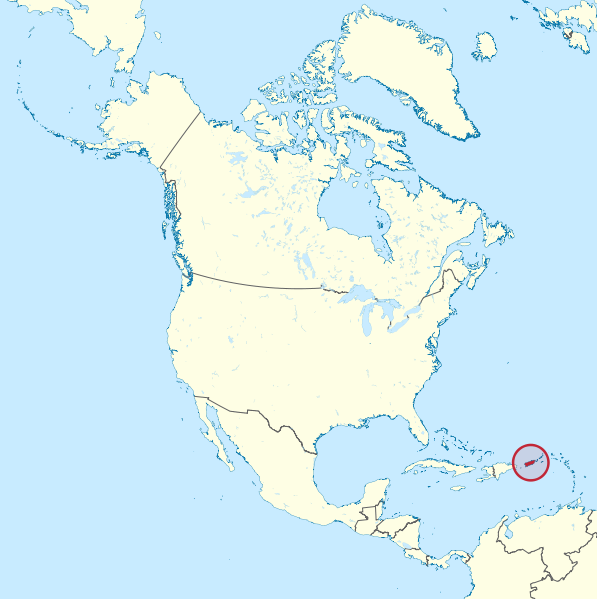
A Complex History: From Colony to Commonwealth
To truly understand the modern relationship between Puerto Rico and the United States, we must first journey back in time, tracing the path from colonialism to its current commonwealth status. This history is not merely a dry recounting of dates but a living narrative that continues to shape the island’s identity and future aspirations.
The Spanish-American War and its Aftermath
The story of Puerto Rico’s ties to the United States begins in 1898, during the Spanish-American War. Prior to this conflict, Puerto Rico had been a colony of Spain for over 400 years, since the arrival of Christopher Columbus in 1493. Towards the end of the 19th century, a growing sense of autonomy was emerging on the island, with Spain granting a Charter of Autonomy in late 1897, which established a parliamentary government for Puerto Rico. However, this taste of self-rule was short-lived. In July 1898, U.S. troops landed on Puerto Rico, and by the conclusion of the war, Spain ceded Puerto Rico, Cuba, and Guam to the United States under the Treaty of Paris signed on December 10, 1898. This marked the end of Spanish colonial rule and the beginning of American sovereignty, initially under military administration.
The Foraker Act and Citizenship
The transition from military rule to a civilian government under U.S. authority was formalized with the Foraker Act of 1900, also known as the Organic Act of 1900. This act established a civil government and declared Puerto Ricans to be “citizens of Puerto Rico” under the protection of the United States. Critically, it designated Puerto Rico as an “unincorporated territory,” meaning that while it belonged to the United States, not all provisions of the U.S. Constitution automatically applied to the island. This designation laid the groundwork for the unique and often debated status that continues to this day. A significant shift occurred in 1917 with the passage of the Jones-Shafroth Act. This act granted U.S. statutory citizenship to virtually all Puerto Ricans, allowing them to serve in the U.S. military and travel freely to the mainland. However, it did not grant them full voting rights in federal elections or representation in Congress, a paradox that remains central to the status debate.
Crafting the Commonwealth
The mid-20th century saw a significant push for greater self-governance in Puerto Rico. Following decades of political activism and evolving U.S. policy, Congress passed Public Law 600 in 1950, authorizing Puerto Rico to draft its own constitution. This constitution, approved by Puerto Rican voters and subsequently by Congress, led to the establishment of the Commonwealth of Puerto Rico in 1952. The term “commonwealth” signifies a unique political arrangement, a self-governing entity “associated” with the United States. Under this status, Puerto Rico has its own elected governor and bicameral legislative assembly, which manages local affairs, taxation, and budgets. Yet, it remains subject to U.S. federal laws, court jurisdiction, and defense, and its residents do not pay federal income tax on income earned in Puerto Rico, though they contribute to Social Security and Medicare. This complex arrangement is often described as “neither fish nor fowl,” offering a degree of autonomy while retaining strong ties to the United States.
Understanding Puerto Rico’s Unique Status Today
Today, Puerto Rico exists in a political space unlike any U.S. state or independent nation. Its “commonwealth” status is a nuanced and often misunderstood legal and political designation that continues to shape every facet of life on the island, from its economy to its cultural identity and its appeal as a destination for travelers.
The Unincorporated Territory
At its core, Puerto Rico is an unincorporated territory of the United States. This means that while it belongs to the United States, it is not considered an integral part of the country in the same way a state is. Consequently, not all provisions of the U.S. Constitution automatically extend to the island. Puerto Ricans are U.S. citizens, carry U.S. passports, and can move freely between the island and the mainland. However, they cannot vote in presidential elections, and their sole representative in the U.S. Congress is a Resident Commissioner who can vote in committees but not on the House floor. This unique arrangement grants Puerto Rico its own constitution, allowing it to manage local affairs, but simultaneously places it under federal authority for defense, foreign policy, and interstate trade. For visitors, this means enjoying the ease of travel of a domestic destination while experiencing a distinctly Caribbean and Latin American culture, with the stability and infrastructure often associated with the United States.
Economic Realities and Challenges
Puerto Rico’s economic landscape is heavily influenced by its political status. For decades, the island benefited from federal tax incentives, such as Section 936 of the U.S. tax code, which encouraged American companies to establish operations there. This led to a period of industrial growth, particularly in pharmaceuticals and manufacturing. However, the gradual phasing out of Section 936 in the late 1990s, coupled with increasing global competition and a lack of full economic sovereignty, contributed to a prolonged recession and a severe debt crisis. The island’s challenges were further exacerbated by natural disasters, most notably Hurricane Maria in 2017, which devastated infrastructure and accelerated outmigration.

Despite these hurdles, there are ongoing efforts for economic recovery and diversification, with a growing emphasis on tourism, technology, and renewable energy. The unique tax environment (e.g., Act 20 and Act 22 for individuals and businesses relocating to Puerto Rico) also attracts certain investors, contributing to a dynamic and evolving economic scene. For travelers, understanding these economic realities can provide deeper insight into the resilience of the Puerto Rican people and the vibrancy of local businesses, from boutique hotels to traditional eateries, as they contribute to the island’s revitalization.
The Ongoing Status Debate
The question of Puerto Rico’s ultimate political status remains a central and highly contentious issue. There are three primary options consistently debated: statehood, independence, or an enhanced commonwealth status.
- Statehood would grant Puerto Rico full equality with other U.S. states, including voting representation in Congress and electoral votes in presidential elections. Proponents argue it would provide economic stability and full democratic rights.
- Independence would sever all political ties with the United States, making Puerto Rico a sovereign nation. Advocates believe this would allow the island full control over its destiny and economy.
- An enhanced commonwealth or free association status seeks to redefine the current relationship, granting more autonomy and potentially greater economic benefits while maintaining a strong affiliation with the United States.
Numerous plebiscites have been held over the decades, with varying results and levels of participation, none of which have been binding on the U.S. Congress. The debate reflects the diverse aspirations of the Puerto Rican population and continues to be a defining feature of the island’s political landscape, influencing everything from local governance to international perceptions.
Puerto Rico: A Vibrant Culture and Unforgettable Destination
Beyond the political discussions and historical treaties, Puerto Rico stands as a beacon of vibrant culture, breathtaking natural beauty, and unparalleled hospitality. Its unique status has forged a distinct identity, making it a compelling destination for travelers seeking an authentic and diverse experience.
A Fusion of Identities
Puerto Rican culture is a rich tapestry woven from diverse threads – the indigenous Taíno heritage, the enduring legacy of Spanish colonialism, the vibrant rhythms of African traditions, and the modern influences of American society. This fusion manifests in every aspect of life, from the language – predominantly Spanish, though English is widely understood, especially in tourist areas – to the music, art, and culinary traditions. The island’s festive spirit is palpable, with lively salsa and bomba y plena music filling the air, colorful festivals celebrating patron saints, and a deep appreciation for family and community. This cultural depth offers travelers a truly immersive experience, far beyond typical resort vacations. It’s a place where you can trace centuries of history in cobbled streets and then dance to contemporary Latin beats in a modern club, all while savoring unique flavors.
Why Travelers Love Puerto Rico
For many U.S. citizens, Puerto Rico offers an incredibly accessible international travel experience without the need for a passport, foreign currency exchange (the U.S. dollar is the official currency), or concerns about language barriers for English speakers. This ease of travel, combined with direct flights from numerous U.S. cities, makes Puerto Rico a remarkably convenient choice for a tropical getaway. But its appeal goes far beyond convenience. Puerto Rico is a land of incredible contrasts and diverse attractions, catering to every type of traveler.
For those interested in history and architecture, the cobblestone streets and colorful colonial buildings of Old San Juan are a UNESCO World Heritage site waiting to be explored. Dominating the skyline are historic fortifications like El Morro and Castillo San Cristóbal, offering panoramic ocean views and a glimpse into the island’s strategic past. Nature enthusiasts will be captivated by El Yunque National Forest, the only tropical rainforest in the U.S. National Forest System, where lush trails lead to hidden waterfalls and unique wildlife. The island also boasts some of the world’s most spectacular bioluminescent bays, particularly in Vieques and Fajardo, offering magical nighttime kayaking experiences.
Beach lovers are spoiled for choice, from the world-renowned white sands of Flamenco Beach on Culebra Island to the vibrant shores of Condado and Luquillo. Adventurers can indulge in surfing, snorkeling, diving, zip-lining, and cave exploration. The island’s culinary scene is a delight, blending Spanish, African, and Taíno flavors into dishes like mofongo, lechón, and plantain specialties, available everywhere from high-end restaurants in San Juan to roadside kiosks.
Accommodation options range from luxurious resorts with world-class amenities and spas, perfect for a high-end lifestyle getaway, to charming boutique hotels in historic districts and budget-friendly guesthouses. For longer stays or family trips, private villas and apartment rentals offer a comfortable and authentic experience. Puerto Rico caters to all travel styles, whether it’s a romantic escape, a family adventure, a business stay with excellent connectivity, or a solo journey of cultural immersion.
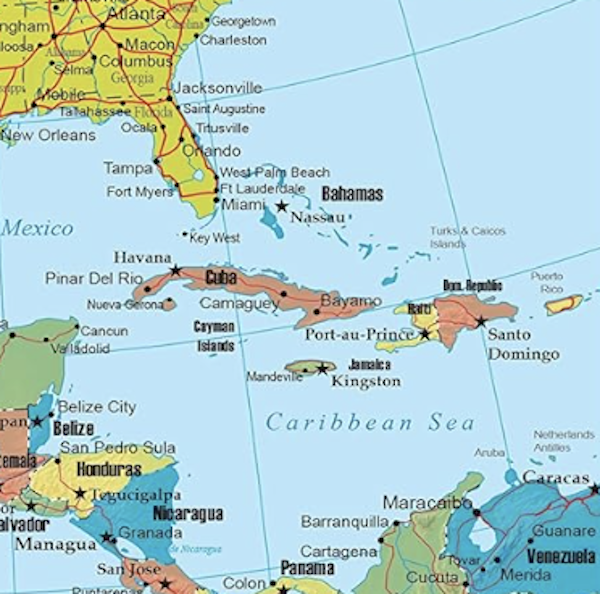
Navigating the Future: Implications for All
The question of whether “America owns Puerto Rico” continues to spark debate and contemplation, both on the island and in the United States. It’s clear that the relationship is far more intricate than a simple ownership model. Puerto Rico is an entity with its own distinct government, a rich cultural heritage, and a population of U.S. citizens who, despite their lack of full federal voting rights, contribute significantly to the American fabric, particularly through military service and cultural exchange.
The future of Puerto Rico’s political status remains an open question, subject to ongoing dialogue, potential legislative action, and the will of its people. Each proposed pathway – statehood, independence, or an enhanced commonwealth – carries profound implications for the island’s economy, its social structure, and its unique identity. Regardless of the political outcome, the resilience, warmth, and vibrant spirit of the Puerto Rican people are undeniable. They have forged a culture that is distinctly their own, blending influences from centuries of history into a dynamic and forward-looking society.
For travelers, this complex relationship translates into an enriching and fascinating destination. It offers the familiarity and conveniences of a U.S. territory while immersing visitors in a profoundly Caribbean and Latin American experience. From the historic landmarks of Old San Juan to the untouched natural wonders of El Yunque and the bioluminescent bays, Puerto Rico invites exploration and appreciation. It’s a place where history is alive, nature is abundant, and the culture is as vibrant as its tropical flora. So, while the term “ownership” may be a misnomer, the profound connection between Puerto Rico and the United States creates a destination unlike any other, promising memorable travel experiences and a deeper understanding of a truly unique corner of the world.
LifeOutOfTheBox is a participant in the Amazon Services LLC Associates Program, an affiliate advertising program designed to provide a means for sites to earn advertising fees by advertising and linking to Amazon.com. Amazon, the Amazon logo, AmazonSupply, and the AmazonSupply logo are trademarks of Amazon.com, Inc. or its affiliates. As an Amazon Associate we earn affiliate commissions from qualifying purchases.