
For many travelers, understanding the contents of their daily beverages is crucial, especially when exploring new destinations or managing energy levels across different time zones. The question of whether Arizona Green Tea contains caffeine is a common one, and its answer holds implications for everything from morning vigor during a busy sightseeing itinerary to ensuring restful sleep after a day of discovery. As part of a holistic approach to tourism, considering one’s dietary and stimulant intake can significantly enhance the travel experience, aligning personal well-being with the demands and pleasures of exploration.

Decoding the Caffeine Content of Arizona Green Tea
To directly answer the question: Yes, most varieties of Arizona Green Tea do contain caffeine. As a product primarily derived from the Camellia sinensis plant, which is the source of all true teas, green tea naturally possesses caffeine. However, the exact amount can vary significantly based on several factors, including the specific blend, brewing process, and the size of the serving.
Understanding Green Tea’s Natural Caffeine Presence
Green tea leaves are minimally oxidized after harvesting, which helps preserve their natural caffeine content along with catechins and other beneficial compounds. A standard 8-ounce cup of brewed green tea typically contains between 20 to 45 milligrams of caffeine. Compared to coffee, which can range from 95 to 200 milligrams per 8 ounces, green tea offers a more moderate stimulant effect. This gentler lift, often attributed to the presence of L-theanine, an amino acid that works synergistically with caffeine, can be particularly appealing to travelers seeking sustained energy without the jitters associated with higher caffeine doses.
The Arizona Brand’s Specific Approach
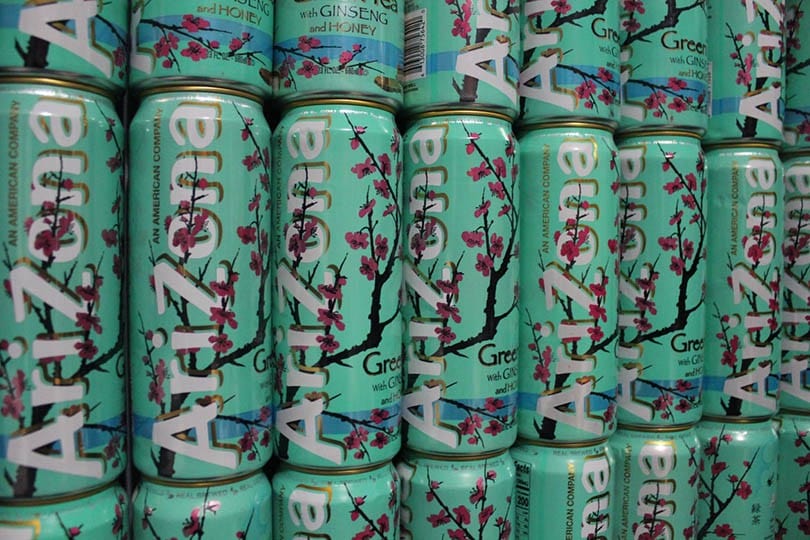
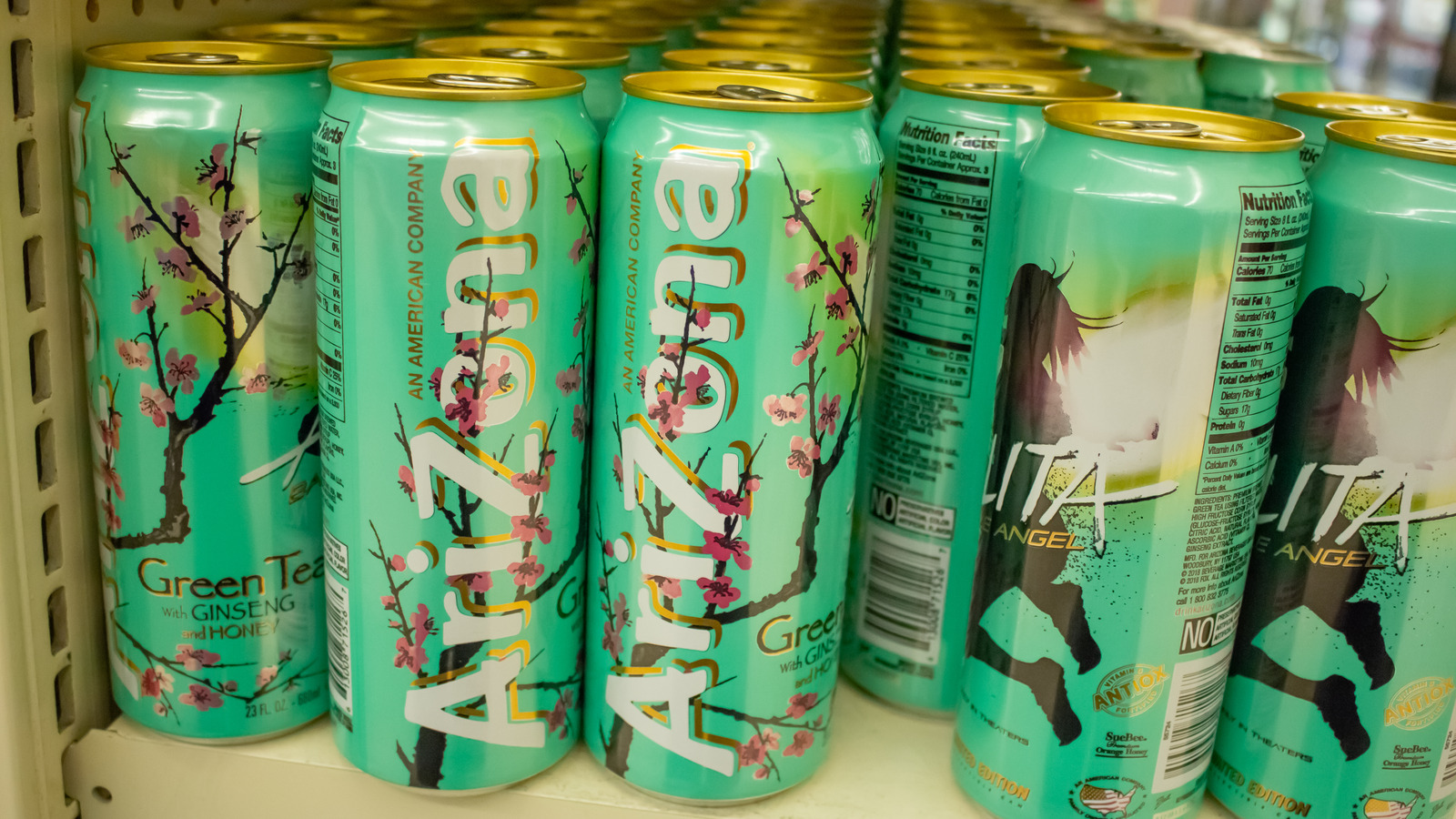
The Arizona Beverage Company offers a range of ready-to-drink green tea products, and their classic “Green Tea with Ginseng and Honey” is arguably their most popular. A 23-fluid ounce can of this particular blend contains approximately 75 milligrams of caffeine. This amount is generally considered moderate and comparable to a small cup of coffee or a larger serving of traditionally brewed green tea. It’s important for travelers to note that while the core green tea ingredient contributes the caffeine, other additives like ginseng are often included for their perceived energy-boosting properties, which can subtly amplify the overall effect.
It is always advisable to check the nutritional label on any Arizona Green Tea product, especially when traveling. The brand also produces various other flavored teas, some of which might be herbal infusions that are naturally caffeine-free, or have different caffeine levels depending on the specific tea base used (e.g., black tea has more caffeine than green tea). Being informed allows tourists to make conscious choices that align with their daily plans and personal health needs.
Why Caffeine Management is Key for the Modern Tourist
Effective caffeine management is more than just a preference; it’s a strategic element for optimizing a travel experience. From enduring long flights to maximizing sightseeing time, understanding how different beverages impact the body is fundamental. Tourists, often faced with unpredictable schedules and unfamiliar environments, can significantly benefit from deliberate choices regarding their stimulant intake.
Sustaining Energy Levels for Sightseeing and Activities
Embarking on a day of exploring historical landmarks in Rome or navigating the bustling streets of Tokyo demands sustained energy. A moderate caffeine boost from a drink like Arizona Green Tea can provide the necessary alertness without leading to an energy crash later in the day. Unlike heavily sweetened sodas, green tea offers a more balanced lift, making it a suitable choice for mid-morning refreshment or an afternoon pick-me-up. For activities that require mental focus, such as visiting museums or learning about local culture, the L-theanine in green tea can promote a state of relaxed awareness, enhancing comprehension and enjoyment.
Navigating Different Time Zones and Jet Lag
Jet lag can severely disrupt a travel itinerary. Strategic caffeine consumption plays a vital role in resetting the body’s internal clock. A moderate dose in the morning, aligned with the new destination’s daylight hours, can help suppress melatonin production and promote wakefulness. However, it’s equally important to cut off caffeine intake several hours before desired bedtime to facilitate sleep. For travelers arriving in Europe from North America, for instance, enjoying a caffeinated Arizona Green Tea upon arrival might help push through the initial fatigue, but switching to caffeine-free options by early afternoon is crucial for a successful night’s rest.
Health Considerations and Hydration While Traveling
Maintaining hydration is paramount during travel, particularly in warmer climates or when engaging in physically demanding activities. While caffeinated beverages like Arizona Green Tea contribute to fluid intake, they are not a substitute for water. Excessive caffeine can sometimes have a mild diuretic effect, so it’s essential to balance caffeinated drinks with plenty of plain water. Tourists with sensitivities to caffeine, heart conditions, or those who are pregnant should exercise particular caution and consult with a healthcare professional regarding appropriate intake levels. Being mindful of caffeine content is also important for individuals prone to anxiety, as high doses can exacerbate symptoms.
Strategic Beverage Choices for the Savvy Explorer
Beyond Arizona Green Tea, the world of travel offers a vast array of beverages, each with its own caffeine profile and cultural significance. Making informed choices can enrich the experience, allowing travelers to immerse themselves in local customs while managing their personal energy needs.
Exploring Popular Drinks and Their Caffeine Profiles Globally
From the strong espresso found in Italy to the delicate ceremonial teas of Japan, or the sweet chai served in India, every destination presents unique beverage opportunities. Understanding typical caffeine levels can guide choices:
- Coffee: Varies widely, but generally higher than tea. An Americano in New York City will have significantly more caffeine than a green tea.
- Black Tea: Common in places like the United Kingdom (English Breakfast Tea) or China (Pu-erh), typically contains more caffeine than green tea but less than coffee.
- Herbal Infusions: Often found in health-conscious cafes or traditional eateries, these are usually caffeine-free. Examples include chamomile, peppermint, or rooibos.
- Energy Drinks: These can contain very high levels of caffeine and are generally not recommended for sustained energy during travel due to potential crashes and other health risks.
Experimenting with local drinks is part of the travel adventure, but a quick check on ingredients or asking about caffeine content (even with a translation app) can prevent unwanted surprises.
Decoding Labels in Unfamiliar Places
When traveling internationally, beverage labels may not always be in English, or the caffeine content might be expressed differently (e.g., per 100ml instead of per serving). Developing a quick understanding of common terms for “caffeine,” “coffee,” “tea,” or “decaffeinated” in the local language can be incredibly useful. Many countries have regulations requiring caffeine content disclosure, especially for energy drinks, so knowing where to look on a label is a valuable travel skill. If in doubt, opting for water or seeking advice from local vendors (who are often knowledgeable about their products) is a safe approach.
Hydration Strategies Beyond Caffeinated Teas
While a refreshing Arizona Green Tea can be part of a healthy travel hydration plan, it should be complemented by other fluids. Carrying a reusable water bottle and refilling it at safe sources is an eco-friendly and practical tip. Many hotels offer filtered water, and some destinations have public water fountains. Beyond water, natural fruit juices, coconut water (popular in tropical regions), or even unsweetened herbal teas can provide excellent hydration without any stimulant effects. For tourists engaging in extensive walking or outdoor activities, electrolyte-enhanced drinks might also be beneficial to replenish lost minerals, although these often come with added sugars.
Integrating Arizona Green Tea into Your Travel Lifestyle
Arizona Green Tea, with its moderate caffeine content and refreshing taste, can be a welcome addition to a traveler’s beverage repertoire. Its widespread availability in many parts of North America and beyond makes it a familiar choice, offering a slice of home comfort or a reliable energy source amidst new experiences.
When to Enjoy a Caffeinated Boost
For maximum benefit, integrate caffeinated Arizona Green Tea strategically. A can enjoyed with breakfast can kickstart a day of exploration. A mid-afternoon serving can combat the post-lunch slump, preparing you for an evening show in London or a late dinner in Paris. The key is timing: avoid caffeine too close to bedtime, typically within 6-8 hours, to prevent sleep disturbances that can compound travel fatigue. Listen to your body and adjust consumption based on your planned activities and personal sensitivity.
Opting for Decaffeinated Alternatives
For those sensitive to caffeine, or when winding down for the evening, searching for decaffeinated options is prudent. While Arizona Green Tea’s classic blend is caffeinated, the brand, like many others, may offer herbal or decaffeinated versions of other products. Furthermore, most cafes and restaurants will offer decaffeinated coffee or a selection of herbal teas, providing ample alternatives for evening enjoyment without compromising sleep. Being proactive in asking for “decaf” (or the local equivalent) ensures a comfortable and restful travel experience.
Cultural Nuances of Tea Consumption
Beyond its chemical composition, tea holds deep cultural significance in many parts of the world. While Arizona Green Tea is a mass-market American product, understanding the broader role of tea can enrich a traveler’s cultural immersion. In China, tea ceremonies are a revered art form; in Morocco, mint tea symbolizes hospitality. Appreciating these traditions, whether through participating in a local tea ceremony or simply observing how locals enjoy their daily brew, adds another layer to the travel narrative, connecting the simple act of drinking with the rich tapestry of human culture.
In conclusion, Arizona Green Tea does contain caffeine, making it a viable option for travelers seeking a moderate energy boost. By understanding its contents and integrating it mindfully into their daily routine, tourists can make informed decisions that support their well-being, energy levels, and overall enjoyment of their adventures.
LifeOutOfTheBox is a participant in the Amazon Services LLC Associates Program, an affiliate advertising program designed to provide a means for sites to earn advertising fees by advertising and linking to Amazon.com. Amazon, the Amazon logo, AmazonSupply, and the AmazonSupply logo are trademarks of Amazon.com, Inc. or its affiliates. As an Amazon Associate we earn affiliate commissions from qualifying purchases.