
While planning a trip to the sun-drenched landscapes of Arizona, or perhaps considering a longer stay in a luxurious resort or a cozy apartment, understanding the financial implications is crucial. Many travelers and potential residents focus on budgeting for flights, accommodation, and daily experiences. However, there’s a more significant financial consideration that often flies under the radar: estate taxes. For those with substantial assets or those looking to relocate, knowing whether Arizona levies an estate tax is a vital piece of information.
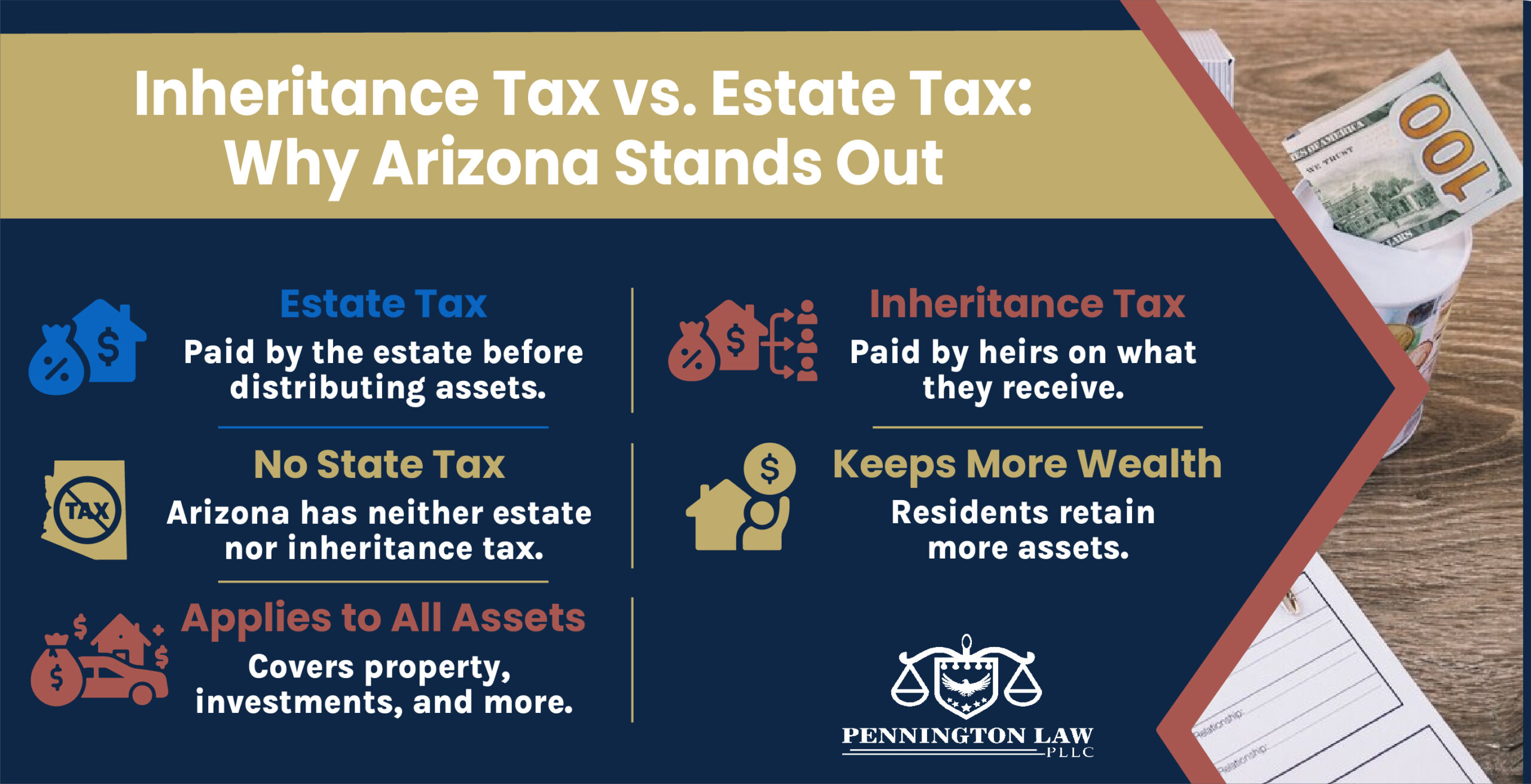
The good news for those drawn to the vibrant local culture, the breathtaking nature in places like the Grand Canyon, or the sophisticated lifestyle offered by cities such as Scottsdale, is that Arizona does not currently have a state-level estate tax. This is a significant advantage compared to some other states that impose their own taxes on the transfer of wealth upon death. This absence of an estate tax can simplify financial planning for individuals and families, especially for those who own property in Arizona, such as a vacation home or a primary residence they intend to leave to their heirs.

The primary federal tax that might apply is the federal estate tax, which is levied by the United States government. However, this tax has a very high exemption threshold. For 2024, the federal estate tax exclusion amount is $13.61 million per individual. This means that only estates valued at over this considerable sum are subject to federal estate tax. Given this high exemption, the vast majority of estates in the United States, and certainly most in Arizona, will not be impacted by the federal estate tax.
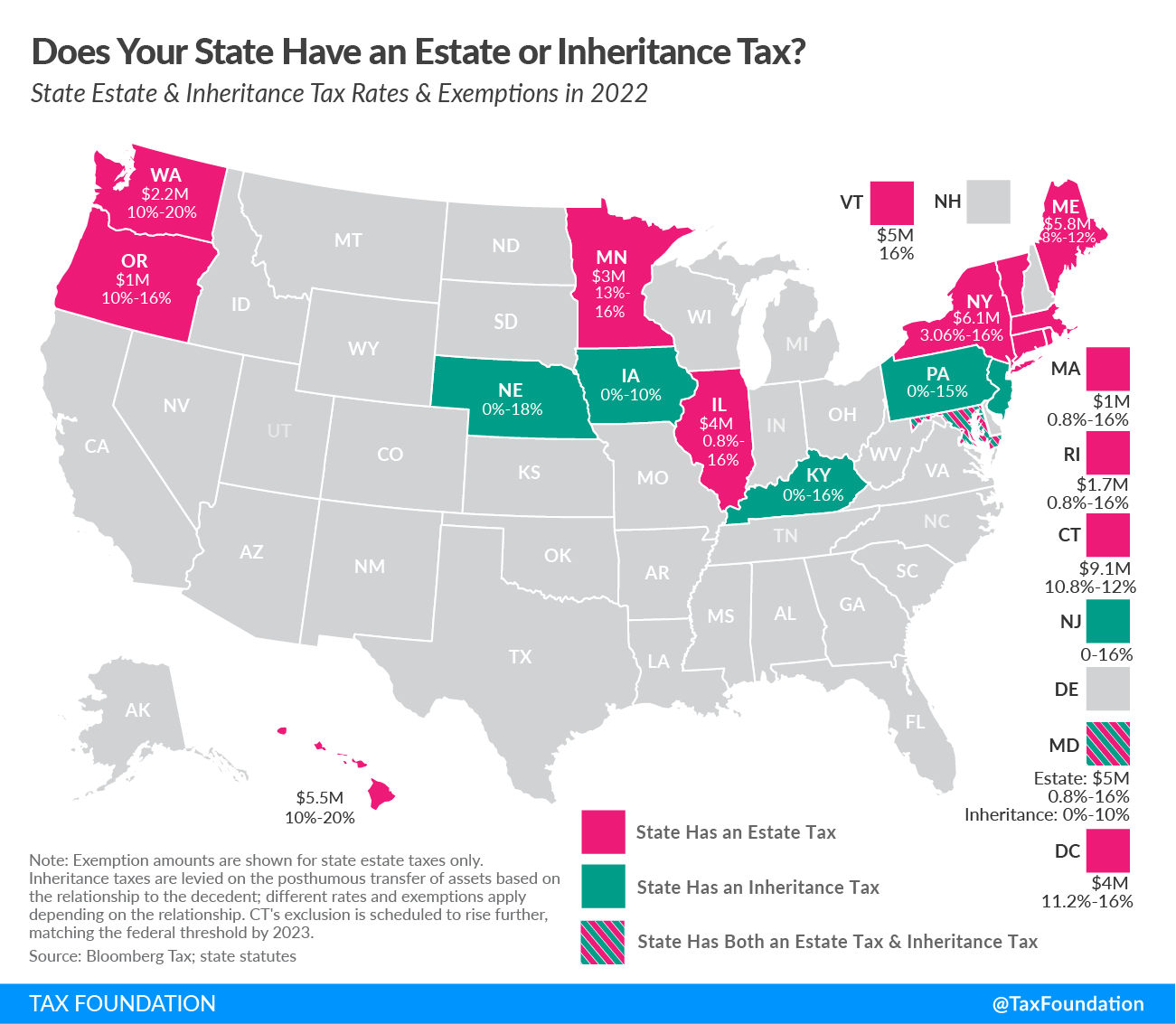
So, when people ask, “Does Arizona have an estate tax?”, the straightforward answer is no, at the state level. This distinction is important. Many states have their own estate taxes or inheritance taxes, which are separate from the federal tax. An estate tax is a tax on the deceased person’s estate, collected before it is distributed to beneficiaries. An inheritance tax, on the other hand, is a tax on the amount received by each beneficiary. Arizona has neither.
Navigating Arizona’s Financial Landscape: Beyond the Holiday Budget
When you think about planning a trip to Arizona, your mind likely conjures images of vast desert vistas, the iconic red rocks of Sedona, or the vibrant energy of downtown Phoenix. You might be researching the best hotels – perhaps a sprawling resort with incredible amenities in Scottsdale, or a charming boutique hotel in Tucson. Your itinerary might include exploring the landmarks like the Mission San Xavier del Bac, or immersing yourself in the local food scene. Even if you’re considering a long-term stay, maybe renting an apartment or a villa, the immediate financial concerns are usually about accommodation costs, travel expenses, and the budget for activities.
However, for those who are considering Arizona as more than just a temporary getaway, perhaps as a place to retire, invest, or establish a more permanent base, there are deeper financial considerations. This is where understanding estate tax implications becomes paramount, especially if you’re contemplating significant financial planning.
The Federal Estate Tax: A High Bar
While Arizona itself doesn’t impose an estate tax, the federal government does. It’s crucial to understand how this federal tax works, as it’s the only estate tax that might potentially affect residents of Arizona.
The federal estate tax applies to the total value of a deceased person’s assets. These assets can include real estate, bank accounts, stocks, bonds, life insurance proceeds, and any other property owned at the time of death. The tax is levied on the estate before it is distributed to heirs.
The exemption threshold for the federal estate tax is remarkably high. For 2024, an individual can pass on up to $13.61 million in assets without incurring federal estate tax. If a married couple owns assets jointly, they can effectively pass on double this amount, or $27.22 million, by strategically using portability rules. This means that only exceptionally wealthy individuals or couples will be subject to this tax.
Understanding the Exemption and Its Impact
Let’s break down what this high exemption means in practical terms for individuals considering Arizona as a place to establish their financial future or leave a legacy.
- For Most Individuals: If your net worth, including all your assets, is below the federal exemption amount, you will not owe any federal estate tax. This encompasses a vast majority of people, including those who might own a comfortable home in Arizona, have savings, and perhaps some investments.
- For High-Net-Worth Individuals: For those whose estates exceed the exemption, estate planning becomes essential. This is where professional advice from estate planning attorneys and financial advisors becomes invaluable. They can help implement strategies to minimize tax liability.
- Portability for Married Couples: The concept of “portability” allows the surviving spouse to utilize the unused portion of the deceased spouse’s estate tax exemption. This is a powerful tool for married couples to maximize the amount they can pass on tax-free. For example, if the first spouse dies with an estate below the exemption, their unused exemption can be “ported” to the surviving spouse, effectively doubling their combined exemption.
Why Does This Matter for Your Arizona Lifestyle Plans?
The absence of a state estate tax in Arizona offers significant advantages, especially when compared to states that do have such taxes. Consider the implications for various aspects of your lifestyle and travel plans:
- Retirement Planning: If you are planning to retire in Arizona and own a significant amount of assets, the lack of a state estate tax can simplify your retirement planning. You can focus on enjoying the Arizona lifestyle, from exploring the national parks to enjoying world-class golf courses and resorts, without the added worry of a state-level tax burden on your heirs. This freedom allows for more flexibility in how you structure your finances and how you envision leaving a legacy.
- Inheritance for Heirs: For families looking to pass on their wealth, Arizona‘s tax-free environment at the state level is a clear benefit. Heirs will receive the full inheritance without a reduction from a state estate tax. This is particularly important for families with multiple heirs or for those who intend to leave substantial assets to a specific beneficiary, such as a child or a charitable organization.
- Investment and Business Relocation: Business owners and investors who are considering relocating their operations or personal wealth to Arizona will find the lack of an estate tax an attractive factor. It removes a layer of complexity and potential cost that might exist in other states, making Arizona a more appealing jurisdiction for long-term financial growth and wealth preservation.
- Vacation Homes and Property Ownership: Many visitors fall in love with Arizona and consider purchasing a vacation home or even a more permanent residence. Whether you’re looking at a modern apartment in Tempe, a sprawling villa in the Sonoran Desert, or a condo with resort-style amenities in Paradise Valley, owning property in Arizona does not subject your estate to a state estate tax upon your passing. This makes Arizona real estate an appealing investment for both personal enjoyment and as part of an estate plan.
Estate Planning Beyond the Tax: A Holistic Approach
While the absence of an Arizona estate tax is a significant relief, it’s important to remember that comprehensive estate planning involves much more than just tax considerations. Even with a high federal exemption and no state estate tax, careful planning is essential to ensure your assets are distributed according to your wishes and that your loved ones are protected.
Key components of a robust estate plan include:
- Wills: A will is a legal document that outlines how your assets will be distributed after your death, names an executor to manage your estate, and can appoint guardians for minor children.
- Trusts: Trusts can be used for various purposes, including avoiding probate, managing assets for beneficiaries, and minimizing potential estate taxes (even at the federal level). Different types of trusts, such as revocable living trusts or irrevocable trusts, can serve distinct goals.
- Powers of Attorney: These documents appoint someone to make financial or healthcare decisions on your behalf if you become incapacitated and are unable to do so yourself. This is crucial for ensuring your affairs are managed even if you’re unable to communicate them.
- Beneficiary Designations: For accounts like life insurance policies, retirement accounts (like 401(k)s or IRAs), and payable-on-death accounts, ensuring your beneficiary designations are up-to-date is critical. These assets typically pass directly to the named beneficiaries, bypassing the will and probate process.
Even though Arizona offers a favorable tax environment regarding estates, consulting with an estate planning attorney is highly recommended. They can help you understand your specific situation, navigate legal requirements, and create a comprehensive plan that aligns with your goals, ensuring peace of mind for you and your beneficiaries. Whether you’re enjoying a luxurious stay at the Fairmont Scottsdale Princess, exploring the art galleries in Jerome, or simply enjoying the sunshine, knowing your financial future is secure is a vital part of the Arizona experience.
In conclusion, for those contemplating the financial aspects of life in Arizona, the question of an estate tax has a clear and reassuring answer: Arizona does not have a state estate tax. This simplifies financial planning for many residents and potential residents, allowing them to focus on enjoying all that this dynamic state has to offer, from its stunning natural beauty and rich history to its burgeoning cultural scene and welcoming lifestyle.
LifeOutOfTheBox is a participant in the Amazon Services LLC Associates Program, an affiliate advertising program designed to provide a means for sites to earn advertising fees by advertising and linking to Amazon.com. Amazon, the Amazon logo, AmazonSupply, and the AmazonSupply logo are trademarks of Amazon.com, Inc. or its affiliates. As an Amazon Associate we earn affiliate commissions from qualifying purchases.