
For anyone planning a trip, considering a move, or even thinking about retiring in the captivating landscapes of the Southwest, understanding the local tax structure is a fundamental part of financial planning. Arizona, often celebrated for its breathtaking natural beauty, vibrant cities, and warm climate, presents a unique blend of opportunities and considerations. The question, “Does Arizona have state income tax?” is a common one, and its answer holds significant implications for everything from your travel budget to your long-term financial well-being if you choose to make the Grand Canyon State your home.
The short answer is yes, Arizona does levy a state income tax. However, the details of this tax, along with other taxes like sales tax and property tax, are crucial for painting a complete picture. For travelers, understanding these taxes can impact the overall cost of a vacation, influencing choices regarding accommodation, dining, and activities. For those contemplating a more permanent stay, whether for retirement, work, or simply a change of scenery, a deeper dive into the tax landscape is essential for budgeting and financial forecasting.
This comprehensive guide will unpack Arizona’s income tax system, explore other significant taxes that affect both visitors and residents, and ultimately illustrate how these financial aspects intertwine with the state’s diverse travel, accommodation, and lifestyle offerings. From the bustling streets of Phoenix and Scottsdale to the serene red rocks of Sedona and the majestic Grand Canyon, Arizona promises unforgettable experiences. Understanding its tax environment will help you navigate these experiences with greater financial clarity, ensuring your focus remains on enjoying all that this incredible state has to offer.
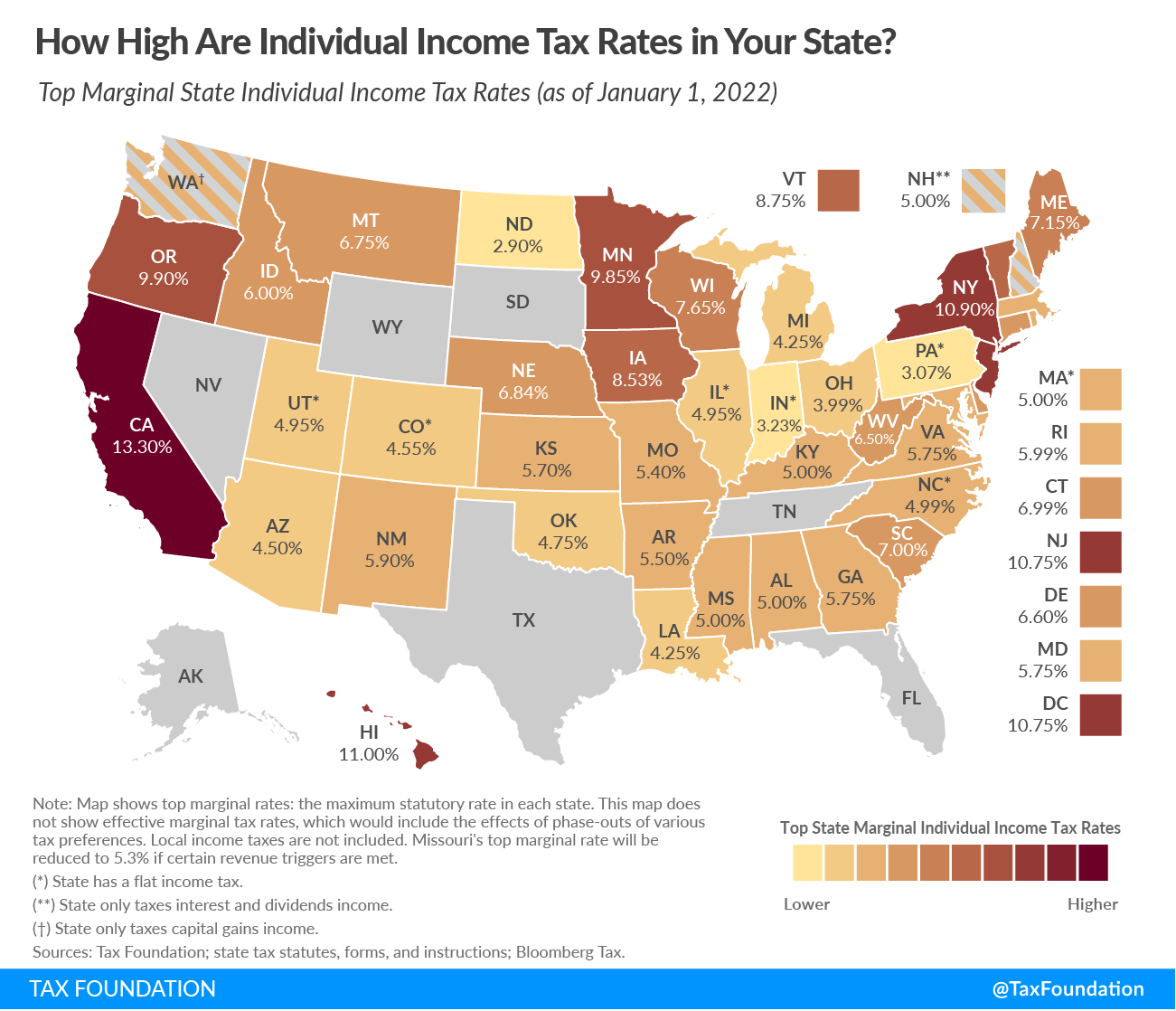
Unpacking Arizona’s Income Tax System
Delving into the specifics of Arizona’s income tax is the first step toward a complete understanding of the state’s financial landscape. It’s a topic that often garners attention from individuals and businesses alike, given its direct impact on earnings and profitability. For a state renowned for its allure to tourists and retirees, the structure of its income tax system is a key factor in its overall appeal.
The Yes and No of State Income Tax
To be unequivocally clear, Arizona does indeed have a state income tax. It is not one of the handful of United States states that forego this type of taxation. However, like many other states, Arizona’s income tax system is not static; it has undergone reforms and adjustments over time, reflecting economic conditions and legislative priorities. Most recently, the state has moved towards a flatter tax structure, aiming for simplicity and what legislators view as improved economic competitiveness. This shift means that while the concept of state income tax remains, the methodology for calculating it has evolved, impacting various income levels differently. For visitors and potential residents, this means that while federal income tax is a given, an additional layer of state income tax will be applied to most types of earned income, including wages, salaries, and some forms of investment income. Understanding this fundamental “yes” is crucial for anyone planning to work, reside, or even establish a business within the state.
A Closer Look at Arizona’s Tax Brackets and Rates
Arizona’s income tax system, particularly following recent reforms, has aimed for a more streamlined approach. Historically, it operated with a progressive tax structure featuring multiple brackets, meaning higher earners paid a higher percentage of their income in taxes. However, recent legislation has introduced significant changes, moving towards a single, lower flat tax rate. As of the most recent legislative changes, the state has been transitioning to a flat tax rate, which simplifies the system significantly. It’s important for individuals to consult the latest tax information from the Arizona Department of Revenue, as tax laws and rates can change. For example, the state aimed to phase in a flat tax rate, significantly lower than previous top marginal rates, which affects everyone’s tax burden differently compared to a progressive system. This means that a larger portion of income might be taxed at a single, consistent rate once fully implemented, a notable change for both high and low earners. This shift is particularly attractive to businesses and high-income individuals, potentially influencing decisions related to relocation or establishing new ventures in cities like Phoenix, Tucson, or Scottsdale.

Deductions, Exemptions, and Credits: What You Need to Know
While the tax rate is a key piece of information, the effective tax burden is also heavily influenced by available deductions, exemptions, and credits. Arizona, like the federal government, offers various ways for taxpayers to reduce their taxable income or the amount of tax they owe. These can include standard deductions, itemized deductions (for things like medical expenses, mortgage interest, and charitable contributions, within state limits), personal exemptions, and various tax credits.
For example, Arizona offers credits for things like contributions to public schools, private school tuition organizations, and qualified charitable organizations. These credits directly reduce the amount of tax owed, dollar for dollar, which can be a significant benefit. Furthermore, certain types of income might be partially or fully exempt from state income tax, such as specific retirement income or military pensions, making the state particularly attractive for retirees. Understanding these provisions is crucial for optimizing your tax situation, whether you’re a long-term resident or considering a seasonal stay. Consulting with a tax professional familiar with Arizona tax law is always recommended to ensure you take advantage of all applicable benefits.
Beyond Income Tax: A Broader Look at Arizona’s Tax Environment
While income tax is a primary concern for many, it’s just one piece of the fiscal puzzle in Arizona. A holistic view requires examining other significant taxes that impact daily living, travel expenses, and long-term financial planning. These include sales tax, property taxes, and various local taxes or tourist fees, all of which contribute to the overall cost of experiencing or living in the state.
Sales Tax: A Daily Consideration for Travelers and Shoppers
Arizona’s sales tax, officially known as the Transaction Privilege Tax (TPT), is a crucial consideration for anyone visiting or residing in the state. Unlike a traditional sales tax, the TPT is levied on the seller for the privilege of doing business in Arizona, though it is typically passed on to the consumer. The statewide base rate is substantial, but what makes it particularly noteworthy is the ability of counties and cities to add their own local sales taxes on top of this. This means the actual sales tax rate you pay can vary significantly depending on where you are in the state.
For instance, purchasing goods or services in Phoenix, Scottsdale, or Tucson might incur a different total sales tax rate compared to a smaller town. This directly impacts the cost of everything from dining out at a charming restaurant in Sedona, buying souvenirs near the Grand Canyon, to shopping for groceries during an extended stay. Travelers should budget for these added costs, as they can quickly accumulate, especially for those indulging in shopping sprees or frequent dining experiences. For businesses, understanding the varying TPT rates across different municipalities is critical for accurate pricing and compliance.

Property Taxes: Relevant for Long-Term Stays and Relocation
For those considering a long-term stay, purchasing a vacation home, or relocating to Arizona, property taxes become a significant financial factor. Generally, Arizona is known for having relatively low property taxes compared to many other states in the United States. This can be a major draw for retirees and families seeking affordability. Property taxes are assessed at the county level and are based on the limited property value (LPV) and the full cash value (FCV) of the property, with various assessment ratios applied depending on the property type (e.g., primary residence, commercial, rental).
While the rates are comparatively low, the actual tax bill will depend on the value of the property and the specific tax rates set by local taxing authorities, which include counties, cities, school districts, and special districts. For example, a luxury villa in Paradise Valley or a sprawling ranch outside Flagstaff will have a much different property tax liability than a modest home in Mesa or Tempe. These taxes contribute to local services such as schools, fire departments, and infrastructure. Prospective homeowners or long-term renters should factor these costs into their budget, as they are an ongoing expense of property ownership in Arizona.
Local Taxes and Tourist Fees: Hidden Costs to Consider
Beyond state income, sales, and property taxes, visitors and residents in Arizona may encounter various other local taxes and fees. These “hidden” costs are particularly relevant for travelers and can sometimes catch unsuspecting tourists off guard.
One of the most common is the hotel occupancy tax, also known as lodging tax or transient occupancy tax. This tax is levied on hotel rooms, vacation rentals, and other short-term accommodations. Like sales tax, this rate can vary significantly by city and county, often adding a noticeable percentage to your nightly room rate. When booking a suite in Scottsdale or a resort near Lake Havasu City, it’s wise to inquire about the total cost, including all applicable taxes and fees, to avoid surprises.
Other potential fees include rental car surcharges, especially at airports like Phoenix Sky Harbor International Airport, and specific tourism enhancement fees in popular destinations that help fund local tourism initiatives or infrastructure projects. Even certain activities or attractions might have local levies attached. While these individual fees might seem minor, they can add up, particularly for longer trips or those involving multiple types of services. Always factor in these potential additional costs when planning your Arizona travel budget to ensure a smooth and financially predictable experience.
The Financial Impact on Your Arizona Travel and Lifestyle
Understanding Arizona’s tax structure isn’t just an academic exercise; it has tangible financial implications that directly influence how you budget for a vacation, plan for retirement, or even establish a business in the state. The interplay of income, sales, and property taxes, along with various fees, shapes the economic landscape and helps define the overall cost of living and visiting.
Budgeting for Your Arizona Adventure: How Taxes Influence Spending
For travelers, the thrill of exploring Arizona’s diverse attractions, from the spiritual vortexes of Sedona to the historic charm of Prescott, should be accompanied by a realistic financial plan. State and local taxes significantly impact the overall cost of a trip. The varying sales tax rates mean that a meal in downtown Phoenix might cost slightly more or less than a similar meal in Tucson, depending on local surcharges. More importantly, the hotel occupancy tax can add a substantial percentage to your accommodation costs, whether you’re staying in a luxurious resort in Scottsdale or a quaint bed and breakfast near Petrified Forest National Park.
Furthermore, if you rent a car to navigate the scenic routes to places like the Grand Canyon or Monument Valley, expect to pay additional rental car taxes and fees. These cumulative taxes mean that a budget that only accounts for base prices will fall short. Savvy travelers budget an additional 10-15% on top of listed prices for accommodation, dining, and retail purchases to cover these taxes and avoid financial surprises. This meticulous planning allows for a more relaxed and enjoyable experience, ensuring your focus remains on the breathtaking sights rather than unexpected charges.
Retirement and Relocation: Tax Advantages and Considerations
Arizona has long been a magnet for retirees, drawn by its warm climate, abundant sunshine, and outdoor lifestyle. The state’s tax environment plays a significant role in this appeal. While Arizona does have state income tax, it offers certain tax advantages that make it attractive for those living on fixed incomes. Notably, military pensions are generally exempt from Arizona state income tax, which is a considerable benefit for retired service members. Additionally, some other forms of retirement income, such as certain annuities and pensions, may qualify for partial exclusions.
The relatively low property taxes, compared to states like California or Nevada, further enhance its appeal for homeowners looking to reduce their annual expenses. However, potential residents should also consider the state’s sales tax, which is applied to most goods and services, as this can affect the cost of daily living. For those relocating, understanding how their specific income streams will be taxed, along with the costs of housing and daily expenditures, is critical. Consulting with a financial advisor specializing in retirement planning for Arizona can help paint a clear picture of the financial implications of making the state your new home.
Business and Investment: What It Means for Entrepreneurs
Arizona’s evolving tax policies also have significant implications for entrepreneurs, small business owners, and investors. The move towards a flatter, lower income tax rate is generally seen as a positive development for businesses, as it can reduce the overall tax burden on corporate profits and individual business owners. This can make Arizona a more attractive state for starting new ventures or relocating existing ones, particularly in growing sectors such as tourism, technology, and real estate.
Beyond income tax, businesses must contend with the Transaction Privilege Tax (TPT), which functions as a sales tax on various business activities, not just retail sales. This includes services, contracting, rentals, and more. The complexity of varying TPT rates across different municipalities requires careful management and compliance. For investors, capital gains are generally treated as ordinary income under Arizona law, subject to the standard state income tax rates. However, the absence of an estate tax or inheritance tax in Arizona can be an appealing factor for those concerned about wealth transfer. Overall, the state strives to create a business-friendly environment, but a thorough understanding of all applicable taxes—income, TPT, and potentially property taxes for commercial real estate—is essential for successful operation and investment in the Arizona market.
Exploring Arizona: Where Your Money Takes You
With a clearer understanding of Arizona’s tax landscape, we can now appreciate how these financial considerations intersect with the unparalleled travel and lifestyle experiences the state offers. From world-renowned natural wonders to bustling urban centers, [Arizona](https://lifeoutofthebox.com/arizona]’s diverse attractions cater to every taste and budget. Thoughtful financial planning, informed by tax knowledge, ensures that your exploration of this vibrant state is as seamless and enjoyable as possible.
Iconic Destinations and Their Economic Footprint
Arizona is home to some of the most iconic landmarks in the United States, each contributing significantly to the state’s tourism economy. The majestic Grand Canyon, a UNESCO World Heritage Site, draws millions of visitors annually, generating substantial revenue through park fees, lodging, dining, and retail. When planning a visit, remember that the cost of park entrance fees, often combined with local taxes on nearby accommodations and services, adds to the total expense. Similarly, the striking red rock formations of Sedona, famous for its spiritual energy and outdoor activities, thrive on tourism. Here, resort taxes and higher sales tax rates in tourist-heavy areas can noticeably impact your budget for a relaxing spa retreat or an adventurous jeep tour.
Other significant destinations like the vibrant cities of Phoenix and Scottsdale serve as hubs for business and luxury travel, featuring world-class resorts, championship golf courses, and high-end shopping. The local tax structure in these urban centers, particularly the higher sales tax rates and hotel occupancy taxes, means that a luxury lifestyle or business stay will naturally incur higher total costs. Even venturing to the scenic beauty of Lake Havasu City on the Colorado River for water sports, or exploring the cultural richness of Tucson and its nearby Saguaro National Park, requires an awareness of these localized economic impacts. The revenue generated from these taxes helps to maintain infrastructure, support local communities, and enhance the visitor experience, creating a cyclical relationship between tourism and the local economy.
Luxury vs. Budget: Adapting to Arizona’s Diverse Offerings
Arizona’s diverse offerings cater to a spectrum of travelers, from those seeking opulent luxury to adventurers on a tight budget. Your financial strategy, influenced by the state’s tax environment, will dictate how you experience these different facets.
For luxury travelers, Scottsdale is often the epicenter, boasting five-star resorts, gourmet dining, and exclusive shopping. While the base prices for these experiences are high, the additional layer of higher sales taxes and resort fees in such affluent areas will further elevate the total cost. Indulging in a spa treatment, a round of golf, or a high-end meal will mean a higher percentage added due to local taxes. For example, a stay at a Hyatt Regency Scottsdale Resort & Spa at Gainey Ranch or a Four Seasons Resort Scottsdale at Troon North will see a significant portion of the bill attributed to various taxes and surcharges.
Budget travelers, on the other hand, can still enjoy Arizona by focusing on free natural attractions, opting for more affordable accommodation options like camping or budget hotels, and self-catering meals. Even here, sales tax will apply to groceries, and a basic motel room will still incur lodging taxes. However, by strategically choosing destinations with lower local tax rates (if available) and minimizing purchases, the impact of taxes on a budget trip can be managed more effectively. Visiting national parks like Saguaro National Park or Petrified Forest National Park offers incredible value, often with nominal entrance fees, allowing travelers to experience the state’s grandeur without the hefty price tags associated with more commercialized areas.
Planning Your Stay: Accommodation Choices and Tax Implications
The choice of accommodation in Arizona is vast, ranging from luxurious resorts and boutique hotels to practical vacation rentals, extended-stay apartments, and rustic campsites. Each option comes with its own set of tax implications that can influence your overall travel expenditure.
Hotels and Resorts are subject to state and local hotel occupancy taxes. These rates can fluctuate widely based on the city and county. For instance, a stay in downtown Phoenix or Scottsdale will likely have a higher combined tax rate than a motel in a less populous area. Many resorts also impose “resort fees” in addition to the room rate, which, while not a tax, functions similarly as an unavoidable charge that adds to your total bill and can sometimes be subject to sales tax itself.
Vacation Rentals (like those found on platforms such as Airbnb or Vrbo) are also generally subject to the same state and local lodging taxes as hotels, though the collection and remittance process may differ. Long-term stays in vacation rentals can sometimes have different tax rules, so it’s always wise to clarify these details when booking. For instance, rentals exceeding a certain number of days might be exempt from certain transient occupancy taxes.
For those considering long-term accommodation or relocation, renting an apartment or purchasing a home brings property taxes into the equation. While renters don’t directly pay property taxes, these costs are often factored into rental prices. For homeowners, property taxes are an annual expense that varies significantly by location and property value.
Even camping in state parks or national forests involves fees, though these are typically much lower and are generally not subject to the same complex tax structures as commercial lodging. Regardless of your choice, it’s crucial to factor in all applicable taxes and fees when comparing prices and finalizing your booking. A detailed understanding of these costs will prevent unexpected expenses and allow you to fully immerse yourself in the wonders of Arizona, from the depths of the Grand Canyon to the vibrant culture of Tucson.
Conclusion: Balancing Taxes and the Arizona Dream
In conclusion, the answer to “Does Arizona have state income tax?” is a clear yes. However, a comprehensive understanding extends far beyond this simple affirmative. Arizona’s tax structure, including its evolving income tax rates, varying sales tax (TPT), and comparatively low property taxes, creates a unique financial landscape for both visitors and residents. This framework significantly influences the cost of travel, the viability of retirement, and the attractiveness of establishing a business in the Grand Canyon State.
For travelers, awareness of state and local sales taxes, hotel occupancy taxes, and various tourist-related fees is paramount for accurate budgeting. These seemingly small additions can collectively impact the overall expense of experiencing Arizona’s iconic landmarks, vibrant cities, and luxurious resorts. Thoughtful planning ensures that your focus remains on the breathtaking vistas of the Grand Canyon, the spiritual tranquility of Sedona, or the dynamic energy of Phoenix and Scottsdale, rather than unexpected costs.
For those considering a longer-term stay, relocation, or retirement, Arizona’s tax policies offer a blend of advantages and considerations. The state’s efforts towards a flatter income tax and exemptions for certain retirement incomes, coupled with lower property taxes, can make it an appealing destination. However, the omnipresent sales tax requires careful budgeting for daily living expenses. Entrepreneurs and investors, too, find a complex but potentially favorable environment, particularly with the recent tax reforms aiming to foster economic growth.
Ultimately, embracing the Arizona dream—whether that’s a fleeting adventure, a tranquil retirement, or a thriving business venture—requires balancing its undeniable allure with a pragmatic understanding of its financial realities. By approaching your visit or move with informed financial planning, you can maximize your enjoyment and truly savor all that this spectacular state has to offer, without any unwelcome tax surprises.
LifeOutOfTheBox is a participant in the Amazon Services LLC Associates Program, an affiliate advertising program designed to provide a means for sites to earn advertising fees by advertising and linking to Amazon.com. Amazon, the Amazon logo, AmazonSupply, and the AmazonSupply logo are trademarks of Amazon.com, Inc. or its affiliates. As an Amazon Associate we earn affiliate commissions from qualifying purchases.