
Venturing into the sun-drenched landscapes and vibrant cities of Arizona often brings with it dreams of iconic natural wonders like the Grand Canyon, the bustling nightlife of Scottsdale, or the serene red rocks of Sedona. Whether you’re planning a luxurious resort getaway, a family adventure, a business trip, or even contemplating a long-term stay, one practical question often arises: “Does Arizona have state tax?” The simple answer is yes, Arizona does indeed levy various forms of state and local taxes. However, understanding the specifics, especially how they impact travelers, tourists, and those considering accommodation or a lifestyle change in the Grand Canyon State, is key to budgeting and planning your experience effectively.
For visitors, the most immediately noticeable taxes will be sales tax and lodging taxes. For residents or those eyeing a longer stay, state income tax and property taxes come into play. This comprehensive guide will break down Arizona’s tax structure, contextualizing it within the realm of travel, tourism, and lifestyle choices, ensuring you can navigate your visit or relocation with clarity and confidence. From booking your ideal hotel suite in Phoenix to savoring local cuisine in Tucson, understanding these financial nuances is crucial for an optimized Arizona experience.
Understanding Arizona’s Tax Landscape for Travelers and Residents
Arizona’s tax system is a multi-layered one, designed to fund state and local services that contribute to the quality of life and the infrastructure supporting tourism and business. While sales tax is a universal consideration for almost any purchase, other taxes are more specific to certain transactions or residency statuses. Knowing what to expect allows you to better plan your budget, whether it’s for a spontaneous shopping spree in Scottsdale Fashion Square or calculating the overall cost of a long-term apartment rental near Arizona State University in Tempe.
The All-Important Sales Tax: What Visitors Need to Know
For the vast majority of visitors to Arizona, the most frequently encountered tax will be the Transaction Privilege Tax (TPT), commonly referred to as sales tax. Unlike some states where sales tax is a flat statewide rate, Arizona’s TPT is a bit more complex. It’s imposed on businesses for the privilege of doing business in the state, but it is typically passed on to the consumer as an added charge.
The statewide sales tax rate in Arizona is 5.6%. However, this is just the beginning. Cities, towns, and even counties often levy their own additional sales taxes. This means that the total sales tax you pay can vary significantly depending on where you are within the state. For instance, in Phoenix, the combined state and city sales tax can reach around 8.6%. In other popular destinations like Scottsdale, it might be even higher, often exceeding 9%.
How Sales Tax Impacts Your Travel Budget:
- Dining Out: From upscale restaurants in Paradise Valley to casual diners in Mesa, sales tax will be added to your bill for food and beverages. Budgeting an extra 8-10% on top of menu prices for meals is a good practice.
- Shopping: Whether you’re buying souvenirs near the Desert Botanical Garden, picking up groceries for a longer stay, or indulging in retail therapy, sales tax will apply to most tangible goods.
- Activities and Experiences: Admission tickets to attractions, guided tours (e.g., Grand Canyon tours), spa services, and other recreational activities will also typically incur sales tax.
- Car Rentals: The cost of renting a car to explore the scenic routes of Arizona will also have sales tax added, potentially alongside other vehicle-specific fees.
Understanding these variations is crucial for budget travelers and those planning luxury excursions alike. A seemingly small percentage difference can add up significantly over a multi-day trip involving dining, shopping, and multiple activities.
Hotel and Lodging Taxes: Impact on Your Stay
Beyond the general sales tax, Arizona also imposes specific taxes on hotel stays, vacation rentals, and other forms of temporary accommodation. These are often referred to as transient occupancy taxes or lodging taxes, and they are a vital revenue source for cities, helping to fund tourism promotion and infrastructure.
The statewide lodging tax in Arizona is 1.0% of the gross daily rate. However, similar to sales tax, individual cities and counties add their own specific lodging taxes, which can vary widely. For example:
- Phoenix: Guests often face a combined lodging tax rate that can push the total up to 12.57% or more (including state sales tax, city sales tax, and city bed tax).
- Scottsdale: Often has one of the higher combined lodging tax rates, sometimes exceeding 13.92% when all state, county, and city taxes are factored in.
- Tucson: Also has a significant lodging tax, often around 12.05% combined.
- Other Cities: Rates in cities like Mesa, Chandler, Glendale, and Tempe will vary, but travelers should generally expect an additional 10-15% on their accommodation bill due to these combined taxes.
Tips for Accommodation Bookings:
- Check the Fine Print: When booking hotels, resorts, suites, or villas online, always look for the “total price” or “taxes and fees” breakdown. This will give you the most accurate picture of your final cost.
- Varying Rates: Be aware that booking platforms and even direct hotel websites might display initial rates before all taxes and resort fees are applied.
- Long-Term Stays: For longer-term accommodation like extended-stay hotels or apartment rentals (if categorized as temporary lodging), these taxes will still apply. This is a critical point for digital nomads or those on business stays.
- Amenities and Resorts: Many resorts in Arizona also charge separate “resort fees” on top of the room rate and taxes. These fees are typically fixed daily charges for amenities like Wi-Fi, fitness centers, or shuttle services, and are not taxes, but they still add to your overall cost. Always clarify if a resort fee applies.
Understanding these lodging taxes is paramount for anyone planning their stay, whether they are looking for budget-friendly options or indulging in a luxurious retreat. These charges can significantly impact the total cost of your accommodation, which is often the largest single expense for travelers.
Income and Property Taxes: Considerations for Long-Term Stays and Relocation
While sales and lodging taxes are the most immediate concerns for short-term visitors, those contemplating a longer stay in Arizona, perhaps as a digital nomad, a seasonal resident, or even a permanent relocation, will need to consider income and property taxes. Arizona’s approach to these taxes can be attractive to some, especially when compared to states with higher tax burdens.
Arizona State Income Tax: A Resident’s Perspective
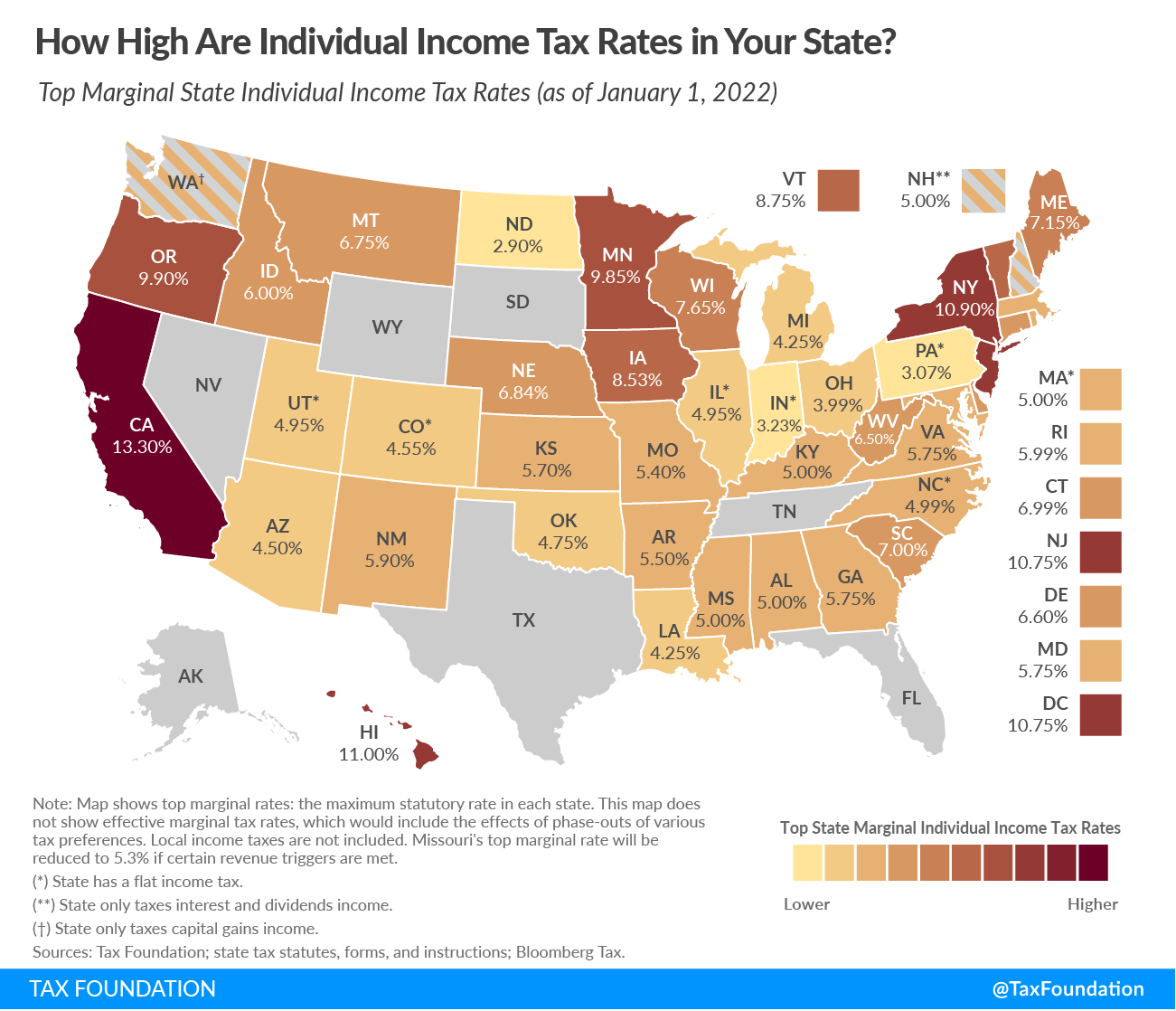
Arizona does levy a state individual income tax. The state has recently transitioned to a flatter tax structure, making it more straightforward for residents. As of recent reforms, Arizona’s individual income tax rate is a relatively low flat rate of 2.5%. This is a significant change from its previous graduated income tax system, which had multiple brackets.
Who Pays Income Tax?
- Residents: If you establish residency in Arizona (typically by living there for more than six months of the year, registering to vote, or getting an Arizona driver’s license), your worldwide income is generally subject to Arizona income tax.
- Non-Residents: Non-residents are typically only taxed on income derived from Arizona sources. This could include income from a business conducted within the state, rental income from Arizona property, or wages earned for work performed in Arizona.
For individuals considering a move to Arizona or those working remotely from a temporary Arizona base, understanding this low flat income tax rate is a key part of the financial calculus. It can be a significant draw for professionals and retirees moving from states with much higher income tax rates. This favorable income tax environment contributes to Arizona’s appeal as a lifestyle destination, especially for those looking for budget-friendly living without sacrificing quality of life.
Property Taxes Across the Grand Canyon State
Arizona’s property taxes are generally considered to be quite low compared to the national average, making the state an attractive option for homeowners, investors in vacation rentals, or those seeking long-term accommodation. Property taxes are assessed at the local level (county and city) and are based on the assessed value of the property.
Key Characteristics of Arizona Property Tax:
- Low Effective Rates: While assessment ratios and actual tax rates vary by county and specific location, the effective property tax rate in Arizona is well below the national average.
- Variations by Location: Property tax rates will differ significantly between counties (e.g., Maricopa County which includes Phoenix and Pima County for Tucson) and within different cities and school districts.
- Impact on Long-Term Accommodation: For those considering purchasing a vacation home, an investment property to use for short-term rentals, or simply relocating, the lower property tax burden can significantly impact the overall cost of homeownership and the profitability of rental properties. This is a crucial factor for those planning a long-term lifestyle change.
The combination of relatively low state income tax and low property taxes helps to make Arizona a financially appealing state for many looking to live, invest, or retire. This can influence choices regarding long-term accommodation, whether one opts for buying a home, renting an apartment, or even staying in extended-stay hotels for prolonged periods.
Navigating Taxes in Popular Arizona Destinations
The total tax burden, especially for sales and lodging, can vary significantly depending on the specific city or region you visit within Arizona. Understanding these localized differences can help travelers and potential residents make informed decisions about where to stay, shop, and explore, optimizing their budget and overall experience.
Phoenix and the Valley of the Sun
The Valley of the Sun, encompassing Phoenix and its expansive suburbs like Scottsdale, Mesa, Chandler, Glendale, and Tempe, is the heart of Arizona’s tourism and economic activity. Given its urban density and wide array of attractions, accommodations, and dining options, it also features some of the state’s higher combined sales and lodging tax rates.
- Sales Tax: Expect combined sales tax rates in Phoenix and many of its surrounding cities to hover around 8.6% to over 9%. For instance, Scottsdale, known for its luxury resorts, art galleries, and upscale shopping, often has one of the higher rates in the state. This means that a meal at a fine dining restaurant, a new outfit from a boutique, or tickets to a major sporting event will incur a noticeable sales tax.
- Lodging Tax: Hotel and resort stays in this region will typically see combined lodging taxes ranging from 12% to over 14%. This is particularly relevant for those booking luxury suites in Scottsdale or family-friendly resorts in Mesa. If you’re planning a stay at a popular resort like the Arizona Biltmore, A Waldorf Astoria Resort or a Hyatt Regency Scottsdale Resort & Spa at Gainey Ranch, factor these taxes into your nightly rate.
For business travelers utilizing hotel apartments or extended stay options, these rates apply consistently. Travelers planning a budget trip should carefully compare accommodation prices across different cities in the Valley of the Sun, as even a percentage point difference can lead to substantial savings over several nights.
Tucson and Southern Arizona
Tucson, the state’s second-largest city, offers a distinct Southwestern charm, rich history, and proximity to natural wonders like Saguaro National Park and the Sonoran Desert. While generally slightly lower than the Phoenix metro area, Tucson still has significant local taxes.
- Sales Tax: Combined sales tax rates in Tucson are typically around 8.6% to 9.1%. This applies to shopping for unique Native American crafts, dining on authentic Mexican cuisine, or purchasing entry to attractions like the Arizona-Sonora Desert Museum.
- Lodging Tax: Hotel stays in Tucson generally incur combined lodging taxes in the range of 12% to 12.5%. This affects bookings at historic hotels in downtown Tucson or resorts nestled in the foothills of the Santa Catalina Mountains.
Further south, in cities like Yuma or the smaller towns near the Mexican border, tax rates can vary further. For those exploring the wine country of Elgin or the border culture of Nogales, it’s always wise to check local tax specifics for accommodation and significant purchases.
Sedona, Flagstaff, and Northern Retreats
Northern Arizona offers a different kind of travel experience, characterized by cooler temperatures, pine forests, and dramatic geological formations. Destinations like Sedona, famous for its red rock vistas and spiritual retreats, and Flagstaff, a gateway to the Grand Canyon and Snowbowl Ski Resort, also have their own tax considerations.
- Sedona: This popular destination combines state, county, and city taxes to reach sales tax rates typically around 9.9% to 10.9%. Lodging taxes are also on the higher side, often 12.9% to 13.9%, reflecting its status as a high-demand tourist destination. This impacts stays at its luxury resorts, charming bed and breakfasts, or vacation rental properties.
- Flagstaff: As a significant hub, Flagstaff has sales tax rates generally around 9.1% to 9.4%. Lodging taxes are also substantial, usually around 12.0% to 12.8%. These rates will apply whether you’re staying in a hotel before heading to the Grand Canyon, enjoying the breweries, or exploring the Museum of Northern Arizona.
Even in more remote areas or national parks, basic sales tax will generally apply to purchases made at gift shops, convenience stores, or within park lodges. For example, staying at the Grand Canyon National Park Lodge will still incur state and county lodging taxes, even within the park boundaries.
Budgeting and Planning: Maximizing Your Arizona Experience
Understanding Arizona’s tax structure isn’t just about avoiding surprises; it’s about smart planning that enhances your overall travel and lifestyle experience. By factoring in these taxes from the outset, you can ensure your budget aligns with your expectations, whether you’re seeking a luxury escape or a budget-conscious adventure.
- Holistic Budgeting: When planning your trip, don’t just allocate funds for the advertised price of hotels and activities. Add an estimated 10-15% for lodging taxes and resort fees, and another 8-10% for sales tax on dining, shopping, and tours. For long-term stays, factor in the state’s income tax and, if applicable, property taxes when assessing your cost of living.
- Comparison Shopping: Use the knowledge of varying tax rates to your advantage. Sometimes, choosing a hotel just outside a major city’s limits, in a neighboring town, could result in slightly lower local taxes on your accommodation, though this needs to be weighed against convenience and travel time.
- Package Deals: For some travelers, booking package deals that include flights, hotels, and sometimes activities, can simplify budgeting as the total cost, including taxes, is often presented upfront. However, always confirm what taxes are included.
- Local Experiences: Embrace Arizona’s natural beauty. Many incredible experiences, such as hiking in its numerous state parks (which may have small entrance fees but no sales tax on the activity itself), driving scenic byways like Route 66, or stargazing in its dark sky communities, are relatively low-cost or free, minimizing the impact of sales tax.
- Retirement and Relocation: For those considering Arizona for retirement or a lifestyle change, the state’s low income and property taxes are significant advantages. This favorable tax environment, combined with the sunny climate and abundant outdoor activities, makes Arizona a highly desirable location for long-term residency. Many retirees find their pensions are taxed favorably, further enhancing their quality of life.
- Consult Professionals: If you’re considering a major financial move, such as purchasing property or establishing residency for tax purposes, consulting with a tax advisor specializing in Arizona law is always recommended. This ensures compliance and maximizes any potential benefits.
In conclusion, yes, Arizona does have state taxes, and a variety of local taxes too. However, by understanding where and how these taxes apply – particularly sales tax on goods and services, and lodging taxes on accommodation – both short-term visitors and prospective long-term residents can confidently plan their finances. The state’s appeal as a premier travel destination and a growing hub for diverse lifestyles remains undiminished, especially when the tax landscape is navigated with a clear understanding. From the vibrant urban centers to the serene desert expanses and majestic mountain retreats, your Arizona adventure awaits, made even smoother with a little tax-savvy preparation.