
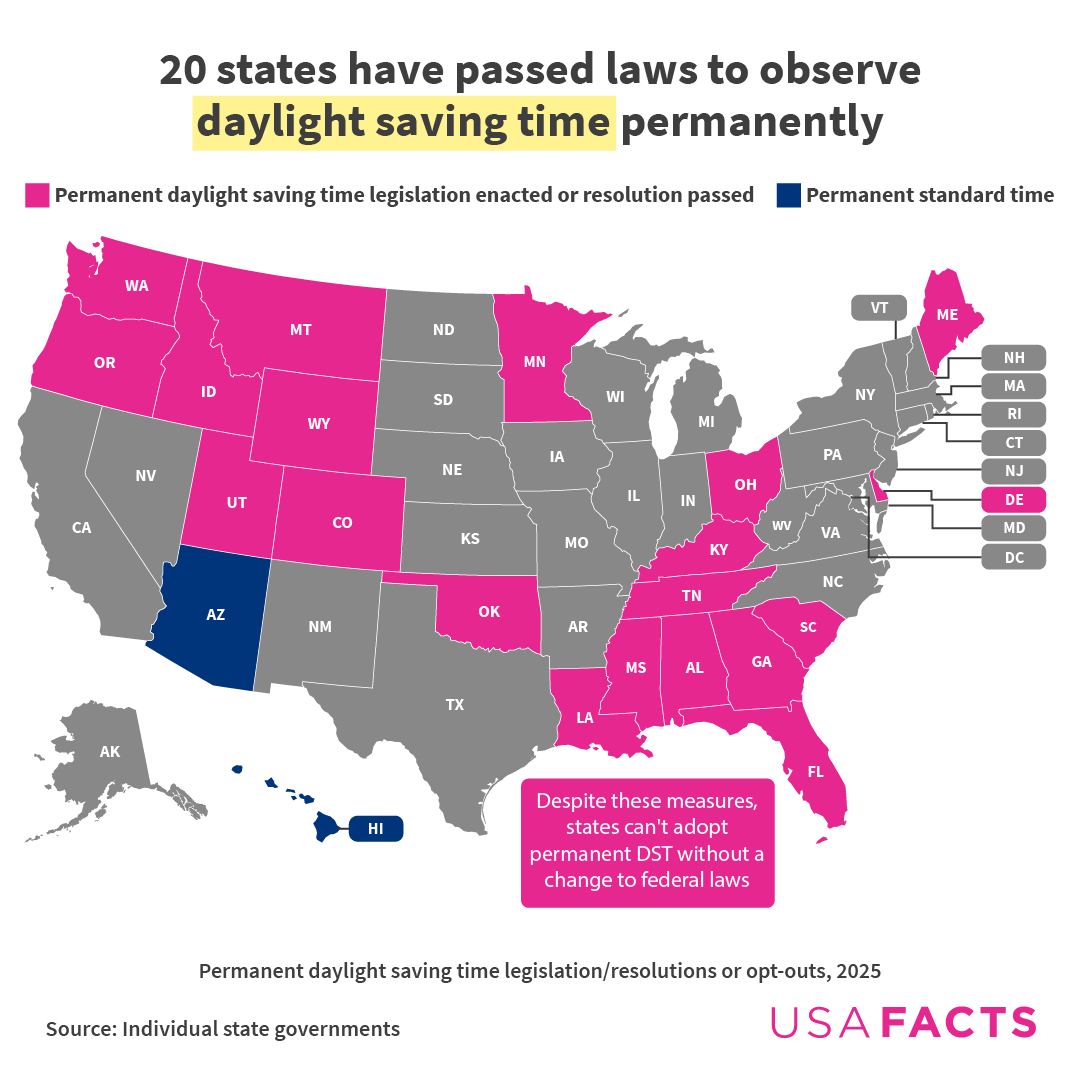
Embarking on a journey to the stunning landscapes of Arizona often brings a myriad of exciting plans: exploring the majestic Grand Canyon, hiking the red rocks of Sedona, or soaking up the vibrant culture of Phoenix. Amidst all the planning for hotels, attractions, and local experiences, a seemingly minor detail can often cause confusion for travelers and newcomers alike: the observance of Daylight Savings Time (DST). So, to clear the air right from the start: no, for the most part, Arizona does not observe Daylight Savings Time.
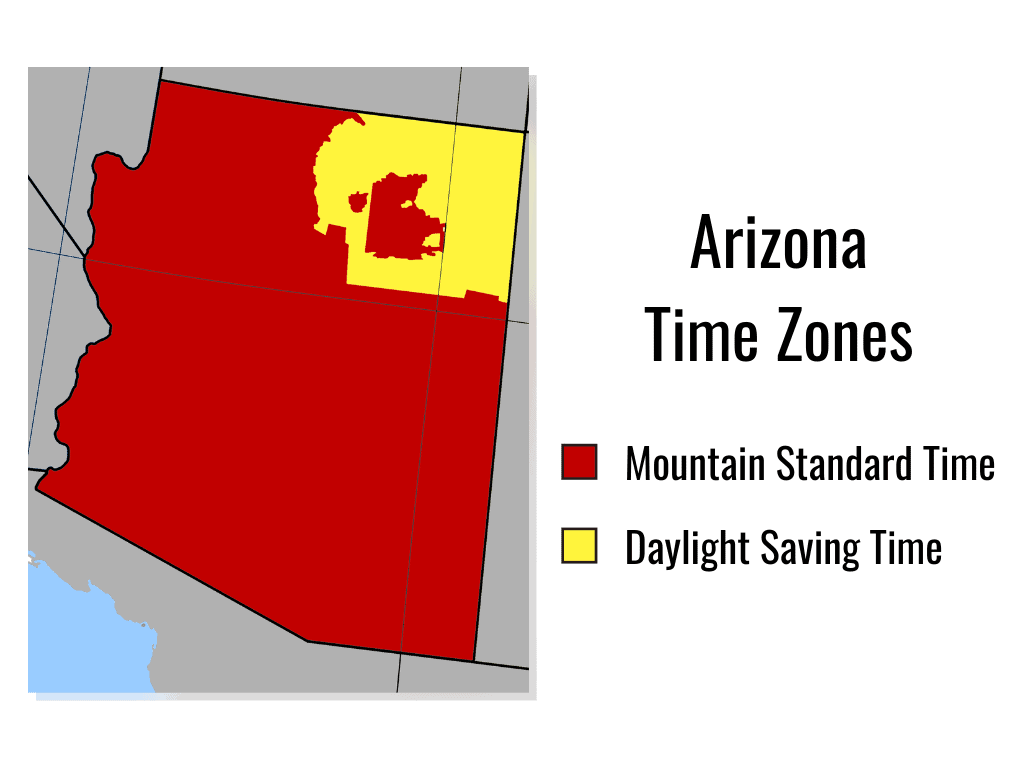
This unique stance sets Arizona apart from most of the United States, which springs forward in March and falls back in November. While the vast majority of the state remains on Mountain Standard Time (MST) year-round, there’s one crucial exception: the Navajo Nation, a large tribal land primarily located within Arizona, which does observe DST. This creates an intriguing, albeit sometimes confusing, temporal island within the state. Understanding this distinction is paramount for anyone planning travel, booking accommodation, or simply navigating daily life in the Grand Canyon State. This comprehensive guide will delve into the whys and hows of Arizona’s timekeeping, offering insights for tourists, residents, and anyone looking to experience the state’s unique lifestyle.
A Timeless State: Arizona’s Unique Approach to Time
Arizona’s decision to opt out of Daylight Savings Time is not a recent whim but rather a long-standing tradition rooted in practical considerations and a desire for stability. This choice fundamentally shapes the daily rhythm of life, influencing everything from tourism schedules to the simple act of setting an alarm clock. For residents, it’s a part of life; for visitors, it’s a fascinating quirk that requires a bit of upfront understanding.
The Historical Roots of Arizona’s Decision
The story of Arizona’s timeless stance begins in the late 1960s. When the Uniform Time Act of 1966 mandated DST for the entire nation, states were given the option to exempt themselves, provided they did so statewide. Arizona, with its intense desert climate, quickly realized that DST would bring more disadvantages than benefits. The primary motivation was — and remains — energy conservation and the desire to avoid extending daylight hours into the late evening during the brutal summer months.
In places like Phoenix, Tucson, and Yuma, summer temperatures routinely soar above 100°F (38°C), often peaking in the late afternoon. If DST were observed, the sun would set an hour later, pushing outdoor activities, work, and even basic errands further into the hottest part of the day. This would necessitate increased air conditioning usage, negating any potential energy savings and making daily life considerably more uncomfortable. Imagine waiting until 9 PM for the sun to set before temperatures become somewhat bearable for an evening stroll or dinner out; it’s simply impractical for the Arizona lifestyle. By sticking to Mountain Standard Time year-round, the sun sets at a more reasonable hour, allowing for outdoor evening activities to commence as soon as temperatures drop, typically between 7 and 8 PM during the summer. This decision prioritizes comfort and practicality for its residents and visitors alike.
The Practicalities of Perpetual Standard Time
For most of the year, this unique timekeeping system creates a seamless experience. From November to March, when most of the United States is on Standard Time, Arizona aligns with the Mountain Time Zone. However, when the rest of the country “springs forward” for DST, Arizona effectively shifts its time zone relative to others. From March to November, Arizona runs on the same clock as Pacific Daylight Time (PDT) – meaning it is three hours behind Eastern Daylight Time (EDT) and the same time as Los Angeles.
This consistency means no confusing clock changes, no “lost hour” in spring, and no “gained hour” in fall. For residents, it simplifies scheduling and eliminates the minor disruptions associated with biannual time shifts. For businesses, particularly those operating across state lines, it requires a clear understanding of time differences, especially when dealing with partners in states that do observe DST. This perpetual standard time also influences the lifestyle in Arizona, contributing to a culture where mornings often start earlier to capitalize on cooler temperatures, and evenings unfold with predictable sunsets, allowing for well-planned outdoor enjoyment.
Navigating Time Zones: What Travelers Need to Know
For travelers, Arizona’s non-observance of DST is one of the most important logistical details to grasp. It can affect flight schedules, tour timings, hotel check-ins, and even dining reservations. A little forethought can save you from missed connections or unexpected delays, ensuring a smooth and enjoyable trip.
Planning Your Arizona Itinerary
When planning your adventures to iconic landmarks like the Grand Canyon, the vibrant arts scene of Scottsdale, or the stargazing opportunities near Flagstaff, always double-check the local time. If you’re visiting between March and November, remember that Arizona will be one hour behind its Mountain Time Zone neighbors (like Colorado or Utah) and the same time as California. This is particularly crucial for timed entry tickets, guided tours, and activities with strict start times, such as rafting trips, horseback riding excursions, or visits to popular attractions like Antelope Canyon or Horseshoe Bend.
For example, if you’re driving from New Mexico (which observes DST) into Arizona during the summer, you’ll effectively “gain” an hour. If you’re coming from California, your clock won’t change at all. This difference impacts how much daylight you have for exploring. Many visitors appreciate the earlier sunsets in summer, which allow for cooler evening activities and stunning golden hour photography without having to wait until very late. Always confirm tour times and reservation details with local operators, specifying you are referring to Arizona time to avoid any ambiguity.
Hotel Stays and Accommodation Bookings
Accommodation bookings are another area where time differences can cause minor headaches. When making reservations for hotels, resorts, or vacation rentals in cities like Mesa or Tempe, ensure that your arrival and departure times align with Arizona’s non-DST schedule. Most booking platforms automatically adjust for local time zones, but it’s always wise to double-check. For instance, if you’re flying into Phoenix Sky Harbor International Airport from an area observing DST, your landing time might effectively be an hour earlier than you initially calculated relative to your departure time.
This also impacts amenities and services. Hotel pool hours, restaurant opening times, shuttle services, and spa appointments will all operate on Arizona time. If you have an early morning flight, understanding the local time ensures you don’t miss your wake-up call or breakfast. Similarly, for long-term stays or apartment rentals, coordinating with property managers for key handovers or maintenance appointments will rely on a clear understanding of the state’s consistent time. The good news is that once you’re in Arizona, your devices should automatically update, keeping you in sync with the local rhythm.
Dining, Entertainment, and Local Experiences
From farm-to-table dining experiences in Tucson to bustling nightlife in Scottsdale, understanding the local time flow is key to enjoying Arizona’s vibrant lifestyle. Restaurants, bars, theaters, and event venues will all adhere to the year-round Mountain Standard Time. This means dinner reservations will be for Arizona time, and a concert start time will be as advertised, without any seasonal adjustments.
Many local events, festivals, and farmers’ markets are scheduled to take advantage of the state’s predictable daylight hours. During the cooler months, afternoon events are common. In summer, activities often shift to early mornings or after sunset to avoid the midday heat. Without DST, these schedules remain consistent relative to the sun’s position throughout the year, making it easier for locals and visitors to plan their days. Embracing this consistent rhythm allows you to fully immerse yourself in the local culture, enjoying everything from scenic drives through Saguaro National Park to exploring art galleries in Sedona at optimal times.
The Navajo Nation Exception: A Time Island Within Arizona
While most of Arizona remains steadfast in its non-observance of DST, there is one significant exception that travelers must be aware of: the Navajo Nation. This large semi-autonomous indigenous territory, which sprawls across parts of Arizona, New Mexico, and Utah, does observe Daylight Savings Time. This creates a fascinating and sometimes challenging temporal anomaly.
Understanding the Navajo Nation’s DST Observance
The Navajo Nation observes DST for several historical and practical reasons. As a vast territory that crosses multiple state lines, aligning its time with its neighboring states and fellow tribal nations (most of whom observe DST) simplifies coordination for its large population and their numerous interactions. This helps maintain consistency for government operations, schools, businesses, and community functions that often extend beyond Arizona’s state borders.
When the rest of Arizona is on Mountain Standard Time year-round, the Navajo Nation, during DST months (March to November), will be one hour ahead of the surrounding Arizona lands. So, if it’s 2 PM in Phoenix, it will be 3 PM within the Navajo Nation. This “time zone within a time zone” phenomenon can be particularly confusing for visitors exploring destinations like Monument Valley, Canyon de Chelly, or parts of Antelope Canyon, which are located within Navajo Nation boundaries.
It’s also important to note the special case of the Hopi Nation. The Hopi Nation is entirely surrounded by the Navajo Nation but, like the rest of Arizona, does not observe DST. This means if you’re driving through the Navajo Nation (which observes DST), enter the Hopi Nation (which does not), and then re-enter the Navajo Nation again, you could potentially change your clock three times in a relatively short drive! Fortunately, visitors rarely need to worry about this specific scenario, but it highlights the complexity.
Tips for Traversing the Navajo Nation
For travelers venturing into the Navajo Nation, awareness and preparation are your best allies.
- Check Your Devices: Most smartphones and GPS devices will automatically adjust their time based on cell tower signals, but it’s always good to manually verify when crossing into or out of the Navajo Nation.
- Confirm Tour Times: If you’re booking tours for Antelope Canyon or Monument Valley – which are often run by Navajo guides – confirm the time zone they are operating in. Usually, it will be Navajo Nation time (which observes DST).
- Road Signs: Keep an eye out for signs indicating time zone changes, though they are not always present at every border.
- Buffer Time: When planning your schedule, especially for connecting flights or appointments, build in extra buffer time to account for any potential confusion.
- Gas Stations/Food Stops: Be mindful that businesses within the Navajo Nation will operate on their local time, which during DST months, will be an hour ahead of the rest of Arizona.
Understanding this unique temporal arrangement will ensure your exploration of these culturally rich and geographically stunning areas is smooth and respectful of local customs.
Beyond Time: The Arizona Lifestyle and Its Appeal
Arizona’s decision to forego Daylight Savings Time is more than just a matter of clocks; it’s deeply interwoven with its lifestyle, climate, and overall appeal as a travel destination. This consistent approach to time contributes to the state’s unique charm and offers a different pace of life.
Embracing the Perpetual Sunshine
One of the greatest benefits of not observing DST, especially during the long summer months, is the alignment of daylight hours with a more comfortable temperature curve. The sun sets earlier than it would under DST, allowing for cooler evenings to begin sooner. This means that outdoor activities like patio dining, evening hikes, swimming, or stargazing become enjoyable without waiting until late into the night. It’s a key factor in how residents and tourists alike manage to thrive in the desert environment.
For those seeking an active lifestyle, this predictable rhythm allows for consistent planning year-round. Morning runs in Scottsdale’s desert parks, golf rounds in Sedona, or exploring ancient ruins at Montezuma Castle National Monument can be scheduled with greater certainty, knowing the sun’s position won’t suddenly shift by an hour. This stable daylight pattern is part of what makes Arizona a premier destination for those who cherish sunshine and outdoor living.

Maximizing Your Arizona Adventure
Ultimately, Arizona’s non-observance of Daylight Savings Time adds to its distinctive character, but it’s a minor detail that can be easily managed with a little awareness. Rather than a complication, view it as another unique aspect of the state, much like its stunning desert flora, vibrant indigenous cultures, or geological wonders such as Petrified Forest National Park.
For travelers, focusing on the abundance of attractions, the diverse range of accommodation options from luxury resorts to rustic cabins, and the immersive local experiences will ensure a memorable trip. Whether you’re planning a family vacation, a romantic getaway, or a solo adventure, Arizona’s consistent timekeeping means one less thing to adjust to seasonally. You can enjoy consistently beautiful sunsets, plan your days around the optimal temperatures, and immerse yourself fully in the natural beauty and rich history of the state without the biannual clock confusion.
In conclusion, when you visit Arizona, you step into a state that largely marches to the beat of its own drum regarding time. Most of Arizona remains on Mountain Standard Time all year, providing a predictable rhythm that complements its sunny climate and outdoor lifestyle. The crucial exception is the Navajo Nation, which observes Daylight Savings Time, requiring a simple mental adjustment if your travels take you through its captivating lands. Embrace this unique aspect, and you’ll find that navigating time in Arizona is just another fascinating part of experiencing all the wonders this incredible state has to offer.