
Absolutely, Boston is not just a city steeped in history and vibrant culture; it’s also home to America’s first-ever subway system. For travelers venturing into this historic Massachusetts metropolis, understanding and utilizing its extensive public transportation network, affectionately known as the “T,” is paramount for an authentic and efficient travel experience. Far from being a mere convenience, the MBTA (Massachusetts Bay Transportation Authority) subway is a living landmark in itself, a testament to urban innovation that continues to serve millions of residents and countless visitors exploring Boston’s myriad attractions.
From bustling downtown districts to picturesque waterfronts, charming historic neighborhoods, and world-renowned academic institutions, the Boston subway system offers an unparalleled gateway to the city’s diverse offerings. Whether you’re seeking to delve into the local culture, visit famous landmarks, enjoy the culinary scene, or simply navigate from your chosen accommodation to your next adventure, the “T” is an indispensable tool in your travel arsenal. This comprehensive guide will not only confirm Boston’s subway existence but will also equip you with everything you need to know to ride it like a local, maximizing your visit to this incredible destination.
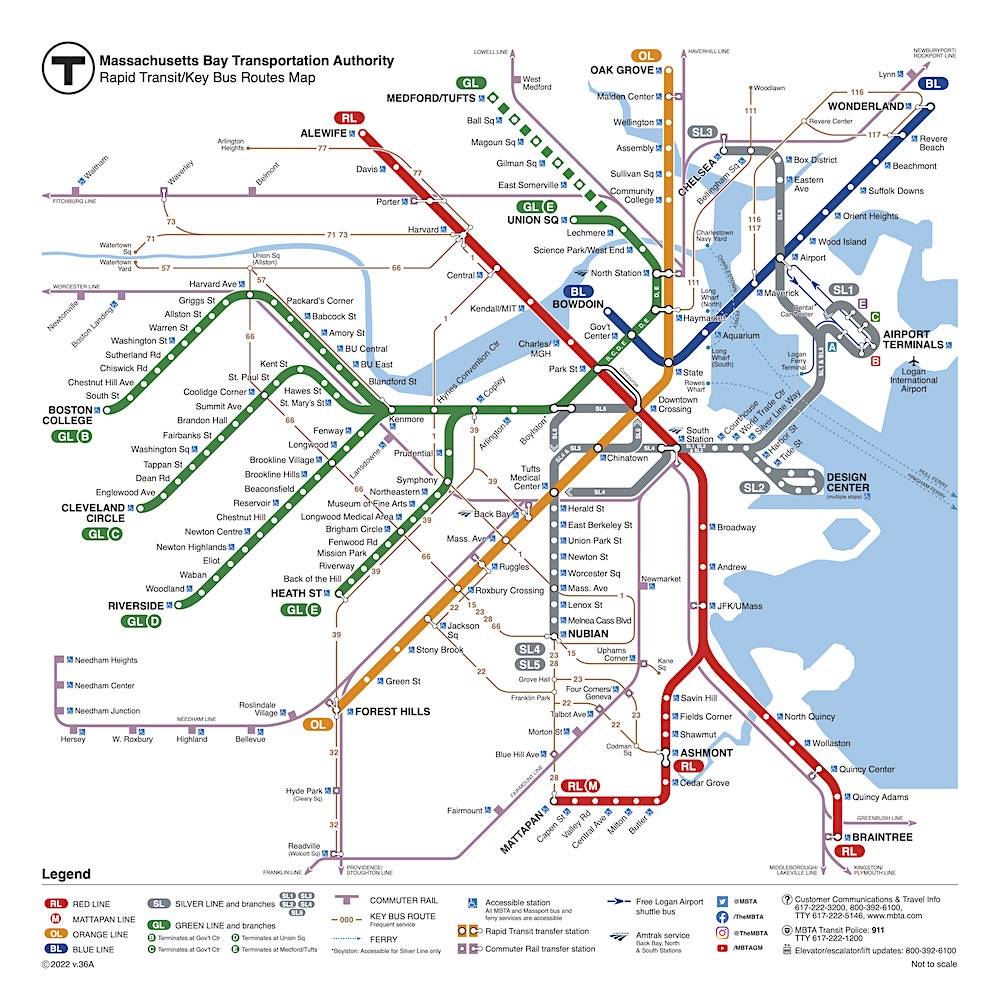
Navigating Boston: The MBTA “T” System
The MBTA subway system is the backbone of public transport in Boston and its surrounding communities. Its colorful lines crisscross the city, connecting major hubs, residential areas, and tourist hotspots with remarkable efficiency. Understanding the layout and distinct characteristics of each line is the first step toward mastering urban navigation and truly immersing yourself in the Boston experience.
An Overview of the MBTA Subway Lines
The “T” system is characterized by five distinct subway lines, each color-coded for easy identification: the Red Line, Green Line, Orange Line, Blue Line, and the hybrid Silver Line.
-
The Red Line: This vital north-south artery connects areas like Cambridge (home to Harvard University and MIT) with downtown Boston and beyond to the southern suburbs. Key stops for visitors include Harvard Square (for Harvard University), Park Street (for Boston Common and the Freedom Trail), and South Station (a major transportation hub with connections to Amtrak and commuter rail). It’s incredibly convenient for exploring both the academic brilliance of Cambridge and the historical heart of Boston.
-
The Green Line: Perhaps the most iconic and historically significant line, the Green Line is more of a light rail system than a traditional subway in many sections, running both underground and at street level. It branches into four distinct routes (B, C, D, E) after departing Park Street, each serving different western neighborhoods. This line is indispensable for reaching destinations like Fenway Park (baseball stadium), the Museum of Fine Arts, and several university campuses. Its numerous stops throughout the city center also provide excellent access to shopping districts and hotels.
-
The Orange Line: Another crucial north-south route, the Orange Line primarily serves the western and southern parts of the city, passing directly through downtown. Stops like Downtown Crossing (for shopping and theater district), Chinatown, and Back Bay (for connections to Amtrak and the Copley Square area with its stunning architecture and Boston Public Library) make it a prime choice for cultural and commercial exploration. It also connects to North Station, another major transportation hub and home to the TD Garden arena.
-
The Blue Line: Essential for airport travelers, the Blue Line runs east-west, connecting Logan International Airport to downtown Boston and then extending to the eastern suburbs like Revere. For tourists, it’s the gateway to the Waterfront and Seaport District, home to the New England Aquarium, and a convenient link to the airport shuttle system. Its swift passage under Boston Harbor offers a unique sense of place.
-
The Silver Line: While technically a Bus Rapid Transit (BRT) system, the Silver Line functions much like a subway, especially for its invaluable connection to Logan International Airport. It offers direct service from the airport terminals to South Station and the Seaport District, making it incredibly convenient for arrivals and departures, as well as accessing the modern amenities and attractions of the Seaport District.
A Glimpse into History: America’s First Subway
Beyond its modern functionality, Boston’s subway system holds a significant place in American history. The Tremont Street Subway, which opened in 1897, was the first underground rapid transit system in the United States. This pioneering achievement paved the way for urban development and public transportation across the nation. Today, parts of the Green Line still utilize sections of this original route, allowing passengers to literally travel through history. As you ride through stations like Park Street or Boylston, you are traversing tunnels that have served generations of Bostonians, providing a tangible link to the city’s enduring legacy of innovation. This historical depth adds a unique layer to the travel experience, turning a simple commute into a journey through time.
Why Use the T? Benefits for Tourists and Locals
For any visitor to Boston, embracing the “T” offers a wealth of advantages that extend beyond mere transportation. It’s about optimizing your travel budget, maximizing your time, and truly connecting with the city’s pulse.
Accessing Boston’s Top Attractions
The MBTA subway system is meticulously designed to connect you to virtually every major attraction and neighborhood in Boston. No matter where your interests lie, there’s likely a “T” stop within easy walking distance.
- Historical Sites: From Park Street and Downtown Crossing you can easily access the Freedom Trail, Boston Common, the Old State House, and Faneuil Hall.
- Cultural Institutions: The Green Line brings you directly to the Museum of Fine Arts and Isabella Stewart Gardner Museum, while the Science Park stop on the Green Line is perfect for the Museum of Science. The Blue Line provides convenient access to the New England Aquarium and the Boston Children’s Museum in the Seaport District.
- Sporting Events and Entertainment: Catching a Red Sox game at Fenway Park is simple via the Green Line, and events at the TD Garden (home to the Celtics and Bruins) are easily reached via the Orange Line or Green Line at North Station.
- Dining and Shopping: Explore the vibrant culinary scene in Chinatown (Orange Line), high-end boutiques on Newbury Street (Green Line, Copley), or the bustling market at Faneuil Hall (Green/Blue Line, Government Center).
By leveraging the “T,” you can effortlessly hop between different districts, maximizing your sightseeing itinerary without the hassle of navigating traffic or finding parking.
Cost-Effective and Efficient Travel
For budget-conscious travelers, the subway presents a significantly more economical option compared to taxis, rideshares, or renting a car. The cost of a single ride is affordable, and multi-day passes offer even greater value, allowing unlimited travel across all subway and local bus routes. This financial saving can be reallocated to other aspects of your trip, perhaps indulging in more local cuisine or a special experience.
Beyond cost, the “T” excels in efficiency. Boston’s narrow, historic streets are notorious for traffic congestion, especially during peak hours. The subway bypasses this entirely, delivering you to your destination swiftly and predictably. This means less time stuck in traffic and more time enjoying your vacation, ensuring you make the most of every moment in this captivating city.
Experiencing Local Life and Culture
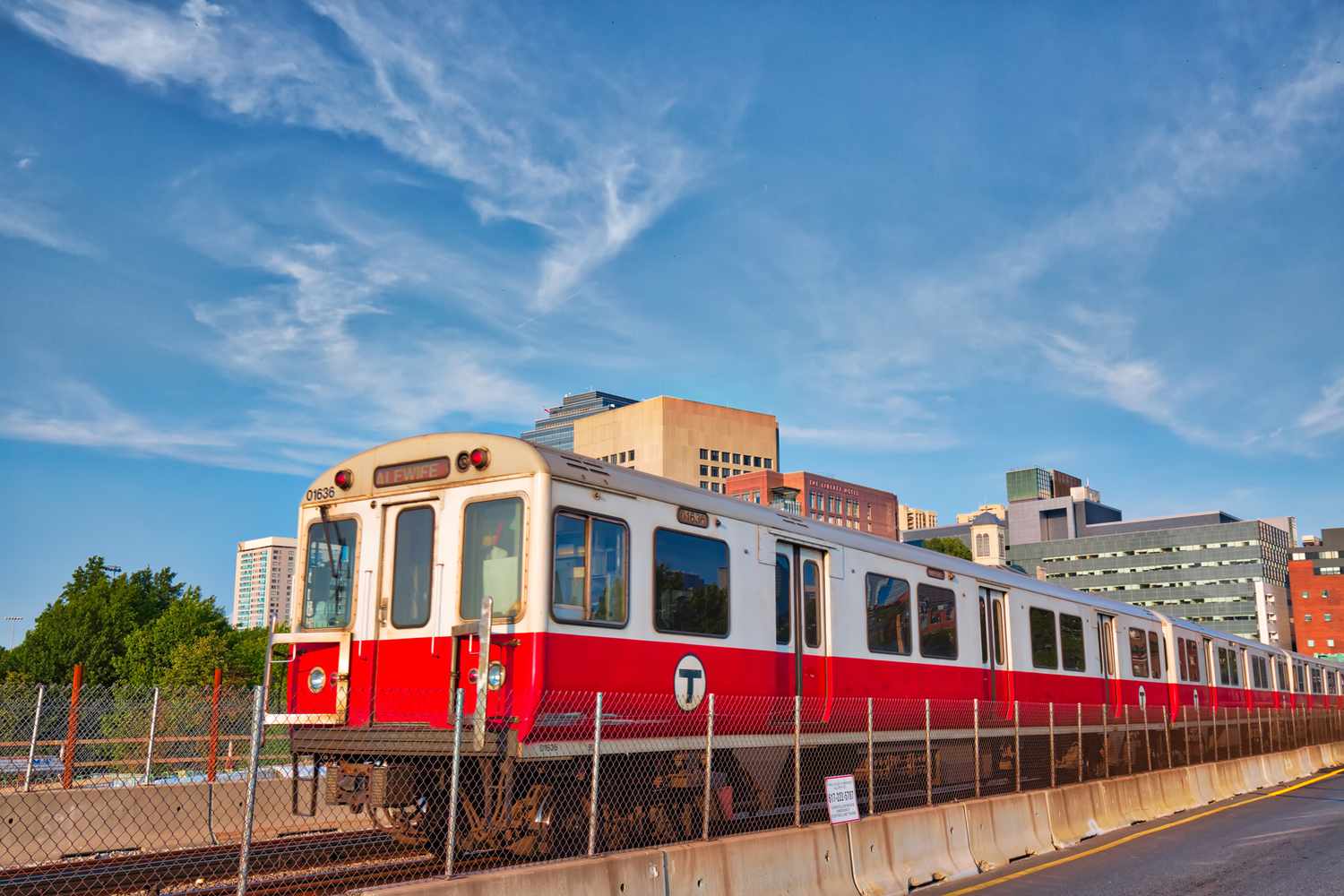
Riding the “T” offers more than just practical benefits; it’s an immersive cultural experience. You’ll be sharing space with Bostonians from all walks of life – students heading to class, business professionals commuting to work, and families exploring their city. This direct interaction, even if just observing, provides an authentic glimpse into the daily rhythms of local life. You’ll overhear local accents, witness neighborhood dynamics, and generally feel more connected to the pulse of Boston than you would from the isolated confines of a taxi. It’s a chance to truly become part of the city, if only for a few stops.
Practical Tips for Riding the Boston Subway
To ensure a smooth and enjoyable journey on the MBTA subway, a few practical considerations and tips can go a long way.
Tickets and Fares: The CharlieCard and CharlieTicket
The MBTA uses two primary fare instruments: the CharlieCard and the CharlieTicket.
-
CharlieCard: This is a reloadable plastic card that offers a discounted fare per ride compared to paper tickets or cash. It’s ideal for visitors staying for several days or those planning frequent use of public transit. You can purchase and reload CharlieCards at most subway stations from fare vending machines, or from specific vendors. Hold the card to the turnstile’s reader to enter and exit the system.
-
CharlieTicket: These are paper tickets that can be purchased for single rides, one-day, seven-day, or monthly passes. While slightly more expensive per ride than the CharlieCard for single trips, they are very convenient for short-term visitors or those who prefer not to commit to a reusable card. They can also be purchased from fare vending machines at any subway station.
-
Mobile Ticketing: The MBTA also offers mobile ticketing for commuter rail and ferry services via their mTicket app, though this is not typically used for subway entry directly. Always check the official MBTA website for the most current fare information and purchase options.
Essential Etiquette and Safety
Like any major city’s transit system, observing local etiquette and prioritizing safety will enhance your experience.
- Stand Right, Walk Left: On escalators, it’s customary to stand on the right to allow those in a hurry to walk on the left.
- Keep Baggage Clear: Be mindful of your bags and backpacks, especially during crowded rush hours. Keep them close to you and avoid blocking aisles or seating areas.
- Priority Seating: Offer seats to the elderly, pregnant individuals, or those with disabilities.
- Platform Safety: Stay behind the yellow safety line on platforms and do not lean over the tracks.
- Rush Hour: Expect trains to be very crowded during morning (7-9 AM) and evening (4-6 PM) peak hours. If possible, try to travel during off-peak times for a more comfortable ride.
- Announcements: Pay attention to overhead announcements for service changes or delays, particularly on weekends when maintenance might occur.
Overall, the MBTA system is generally safe, but always be aware of your surroundings, especially late at night.
Accessibility and Hours of Operation
The MBTA is continually working to improve accessibility for all riders. Many stations are equipped with elevators or ramps, and trains are designed to accommodate wheelchairs and strollers. Look for the international symbol of access (a wheelchair icon) on station maps and signage to identify accessible stations.
Subway service typically begins around 5 AM and runs until approximately 12:30 AM or 1:00 AM, depending on the line and day of the week. Specific schedules can vary, especially on weekends and holidays, so it’s always advisable to check the official MBTA website or use a transit app for real-time departure and arrival information. For late-night excursions beyond subway operating hours, taxis or rideshares will be necessary.
Beyond the Subway: Exploring Boston’s Wider Transit Network
While the subway is undeniably central to navigating Boston, the MBTA also operates a comprehensive network of commuter rail, bus, and ferry services, offering even greater connectivity and opportunities for exploration.
Connecting to Commuter Rail, Buses, and Ferries
The “T” seamlessly integrates with these other modes of transport, allowing visitors to extend their adventures beyond the immediate city limits.
- Commuter Rail: From major hubs like South Station, North Station, and Back Bay, the commuter rail radiates out to numerous towns and cities across Massachusetts, including charming historical destinations like Salem (famous for its witch trials history) or coastal towns further south. This is an excellent option for day trips outside of Boston without needing a car.
- Buses: An extensive network of MBTA buses fills in the gaps between subway lines and provides local service within neighborhoods, reaching areas not directly served by the subway. They are often useful for shorter trips or when your destination is just a few blocks from a subway station.
- Ferries: For a unique perspective of Boston Harbor and access to destinations like Charlestown (home of the USS Constitution) or the Boston Harbor Islands, the MBTA ferry service offers scenic and efficient water transport. This can be a delightful way to combine sightseeing with practical transit, especially during warmer months.
Utilizing this integrated network allows for a truly comprehensive exploration of the wider Boston metropolitan area, opening up possibilities for diverse experiences and attractions.

Walking and Biking: Complementary Modes of Transport
Despite its robust public transit, Boston is also a remarkably walkable city, particularly its downtown and historic neighborhoods. Many key attractions, such as those along the Freedom Trail, are best explored on foot. Combining subway rides for longer distances with walking for shorter segments is often the most enjoyable and efficient way to experience the city.
Additionally, Boston has become increasingly bike-friendly. Services like Bluebikes, the city’s public bike-sharing program, offer an alternative for short-distance travel or leisurely rides along scenic paths, such as those lining the Charles River Esplanade. For adventurous travelers, biking can provide an excellent way to cover ground while enjoying the city’s outdoor spaces and vibrant street life.
In conclusion, the question “Does Boston have a subway?” is unequivocally answered with a resounding yes, and its significance to the city’s character and tourist appeal cannot be overstated. The MBTA “T” system is not just a means of getting around; it’s an integral part of the Boston experience. It’s a historical artifact, a practical necessity, and a window into the daily lives of Bostonians. By familiarizing yourself with its lines, understanding its benefits, and following a few simple tips, you can unlock the full potential of your trip, navigating this beautiful city with confidence, ease, and a deeper appreciation for its unique blend of past and present. So, grab a CharlieCard, hop on the “T,” and embark on an unforgettable journey through Boston’s captivating landscape.
LifeOutOfTheBox is a participant in the Amazon Services LLC Associates Program, an affiliate advertising program designed to provide a means for sites to earn advertising fees by advertising and linking to Amazon.com. Amazon, the Amazon logo, AmazonSupply, and the AmazonSupply logo are trademarks of Amazon.com, Inc. or its affiliates. As an Amazon Associate we earn affiliate commissions from qualifying purchases.