
For many travelers and residents, the question of whether California observes Daylight Saving Time (DST) can be a source of confusion. As the Golden State is a premier tourist destination, understanding its timekeeping practices is crucial for planning trips, booking accommodations, and experiencing local attractions without a hitch. This article delves into the specifics of Daylight Saving Time in California, clarifying its current status and providing context for its observance.
Understanding Daylight Saving Time
Daylight Saving Time (DST) is a practice of advancing clocks during warmer months so that darkness falls at a later hour of the day. In essence, it’s about “saving daylight” by shifting an hour of daylight from the morning to the evening. The primary aims of DST are to make better use of daylight and reduce the need for artificial lighting in the evenings. Historically, this practice has been adopted by many countries to conserve energy and potentially reduce crime rates by having more light in the evenings.
The implementation and observance of DST vary significantly across the globe. Some countries adopt it universally, while others have regional variations or have opted out entirely. Within the United States, DST is largely standardized, but there are exceptions, most notably the state of Hawaii and certain territories like American Samoa, Guam, the Northern Mariana Islands, and the U.S. Virgin Islands, which do not observe DST.
The History and Rationale of Daylight Saving Time
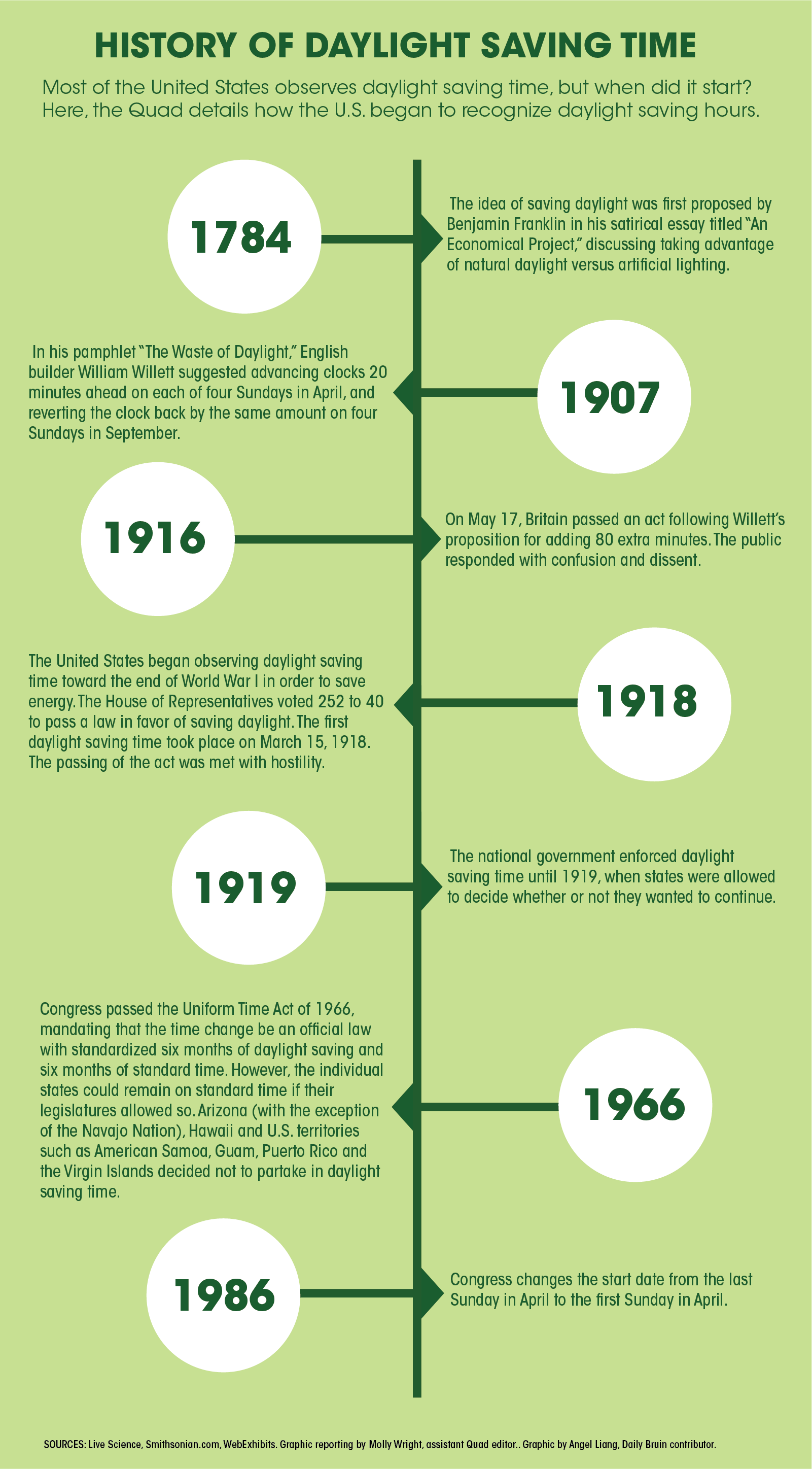
The concept of DST has a surprisingly long history, with Benjamin Franklin often credited with humorously proposing a similar idea in 1784. However, the modern implementation of DST is more commonly attributed to George Hudson, a New Zealand entomologist, who proposed it in 1895, and William Willett, a British builder, who advocated for it in the early 20th century. The idea gained traction as a way to maximize daylight hours for outdoor activities and reduce energy consumption.
During World War I, Germany was the first country to implement DST nationwide to conserve coal during wartime. Many other countries followed suit. In the United States, DST was enacted during World War I and again during World War II. The Uniform Time Act of 1966 established a system of DST for the entire country, allowing states to opt out if they chose. This act standardized the start and end dates for DST, which typically fall on the second Sunday in March and the first Sunday in November, respectively.
The rationale behind DST has been debated over the years. Proponents argue that it leads to energy savings, a reduction in traffic accidents and fatalities, and increased opportunities for outdoor recreation. Critics, however, point to potential disruptions to sleep patterns, negative impacts on certain industries like agriculture, and questionable energy savings in modern times. Despite these ongoing discussions, the practice remains in effect in many parts of the world, including most of the United States.
California and Daylight Saving Time: A Complex Relationship
The answer to “Does California do Daylight Saving Time?” is, for the most part, yes. California observes Daylight Saving Time, aligning with the federal schedule for the majority of the year. This means that clocks in most of the state are adjusted forward by one hour in the spring and backward by one hour in the fall.
However, the story of DST in California has not always been straightforward and has seen periods of debate and legislative action. Understanding this nuanced history provides valuable insight for anyone planning a visit or business in the state.
Observing DST: The Current Practice
Currently, California adheres to the Uniform Time Act of 1966 and its subsequent amendments. This means that for most of the year, the state operates on Pacific Daylight Time (PDT) during the summer months, which is UTC-7, and reverts to Pacific Standard Time (PST) during the winter months, which is UTC-8.
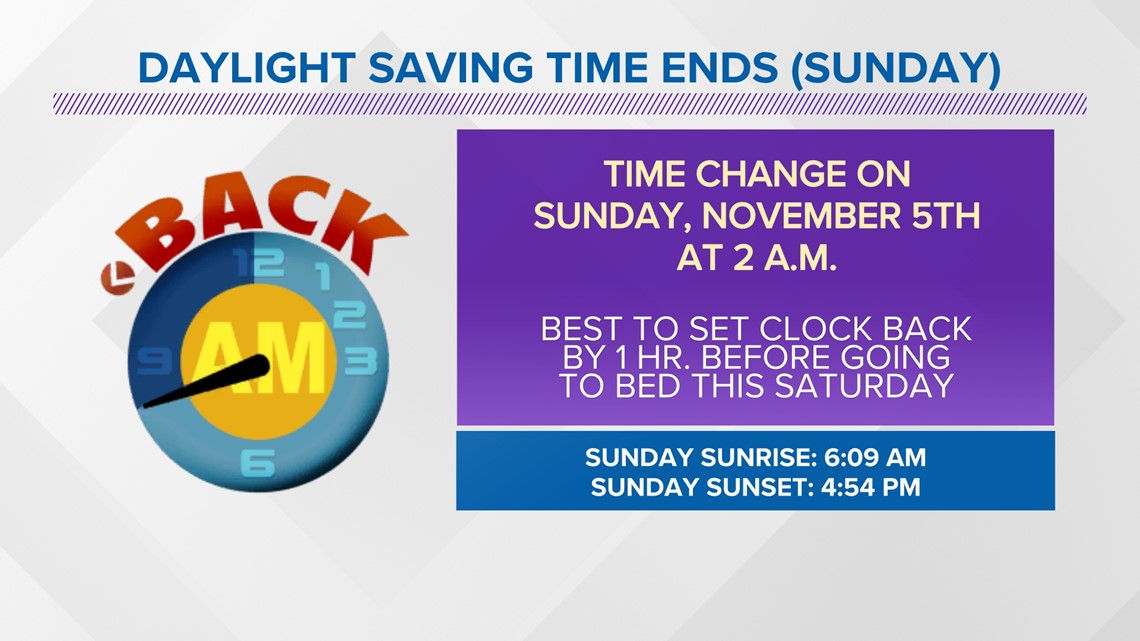
The springing forward typically occurs on the second Sunday in March, and the falling back occurs on the first Sunday in November. This transition affects all time-sensitive arrangements, from flight schedules and hotel bookings to meeting times and daily routines. Travelers arriving in California during these transition periods should be mindful of the time change to avoid confusion. For instance, if you’re traveling from a state that doesn’t observe DST, you’ll need to adjust your watch accordingly upon arrival in Los Angeles or San Francisco. Similarly, if you’re booking a hotel in San Diego, ensure your reservation times are confirmed in the local time zone.
This practice impacts various aspects of life and tourism in California. For those planning outdoor activities like hiking in Yosemite National Park or visiting beaches in Santa Monica, the extended daylight hours in the evenings during DST can be a significant advantage. It allows for more time to explore attractions, enjoy evening dining, or simply relax after a day of sightseeing.
Past Debates and Future Possibilities
The observance of Daylight Saving Time in California has not been without its controversies. Over the years, there have been significant discussions and legislative efforts aimed at changing the state’s DST policy.
One notable period of contention occurred in the late 1960s and early 1970s. Following the federal Uniform Time Act of 1966, California began observing DST. However, public opinion was divided. Some residents found the earlier sunrises in the spring disruptive, while others enjoyed the later sunsets. This led to legislative proposals to either opt out of DST altogether or to adopt permanent DST.
More recently, there has been a resurgence of interest in modifying or even abolishing DST in California. In 2018, California voters overwhelmingly approved Proposition 7, a ballot initiative that would allow the state legislature to enact year-round DST. However, for this to take effect, it would require federal approval from Congress, as state laws regarding DST must be consistent with federal law. To date, no such federal action has been taken to allow California to implement permanent DST.
Therefore, while the possibility of a permanent time zone exists, California continues to observe the biannual clock change. This ongoing debate highlights the complex and evolving nature of timekeeping practices and their impact on public life and the tourism industry. For a traveler looking to visit iconic landmarks like the Golden Gate Bridge or experience the vibrant culture of Disneyland, it’s important to stay informed about current DST regulations.
Implications for Travelers and Tourism
The observance of Daylight Saving Time in California has several practical implications for travelers, impacting everything from flight schedules to the timing of outdoor activities and even the perceived opening hours of attractions. Understanding these nuances can help visitors maximize their time and enjoy their stay in the Golden State.
Planning Your Itinerary Around Time Changes
For any trip to California, especially if it falls around the transition dates for DST, meticulous planning is essential. When booking flights, hotels like the Beverly Hills Hotel or the Fairmont San Francisco, and car rentals, always confirm the times in the local California time zone. Major airlines and booking platforms usually handle these adjustments automatically, but it’s always wise to double-check, particularly for early morning or late-night travel.
During DST, the extra hour of daylight in the evening can be a boon for sightseeing. This means you can potentially spend more time exploring attractions like Universal Studios Hollywood, enjoying the beaches of Malibu, or taking a scenic drive along the coast well after dinner. Many parks and outdoor attractions, such as Griffith Observatory, also benefit from extended daylight, allowing visitors to enjoy sunset views and evening stargazing.
Conversely, the earlier sunrises during DST can mean that waking up for early morning tours or activities might feel an hour earlier than expected. If you’re an early riser keen to catch the sunrise over the Pacific Ocean, DST can provide a beautiful extended opportunity. However, for those who prefer to sleep in, the change might require an adjustment.
Maximizing Your Experience in California
The extended daylight hours provided by DST can significantly enhance the travel experience in California. Imagine visiting the vineyards of Napa Valley and enjoying wine tastings that stretch into the early evening, or exploring the historic streets of San Francisco with more time to discover hidden gems before dusk.
For families, the extra light in the evenings can mean more playtime for children at resorts like Disneyland Resort or enjoying family-friendly attractions without rushing against the clock. It also allows for more opportunities to experience California’s diverse culinary scene, with restaurants offering outdoor seating that can be enjoyed in comfort for longer periods.
When booking accommodations, consider how the longer evenings might influence your stay. A hotel with a scenic view, like the Chateau Marmont, might offer even more spectacular sunset vistas. If you’re planning a longer stay in a villa or apartment, the extra daylight can facilitate extended exploration of the local neighborhoods and cultural sites in cities like Sacramento or Pasadena.
It’s also worth noting that DST can affect the timing of local events and festivals. Always check the official schedules for any specific events you plan to attend, as they will be listed in the local time, which changes with DST. Whether you’re attending a concert at the Hollywood Bowl or visiting a museum, being aware of the time shift ensures you won’t miss a moment of your California adventure. The consistency of DST observance, despite past debates, means that for the most part, you can rely on the familiar rhythm of time adjustments when exploring this vibrant state.