
California, the Golden State, is renowned for its sun-drenched beaches, towering redwood forests, majestic mountains, and vibrant cities. It’s a land of extremes and natural wonders, drawing millions of visitors each year seeking diverse travel experiences. From surfing the Pacific waves to skiing in the Sierra Nevada, exploring Hollywood’s glamour to savoring world-class cuisine in San Francisco, California’s allure is undeniable. However, amidst its celebrated climate and geographical diversity, a question occasionally arises, often with a hint of surprise: “Does California get tornadoes?” For many, the image of a tornado is firmly rooted in the flat plains of the Midwest, far from the seismic rumblings and coastal fogs typically associated with the Golden State.
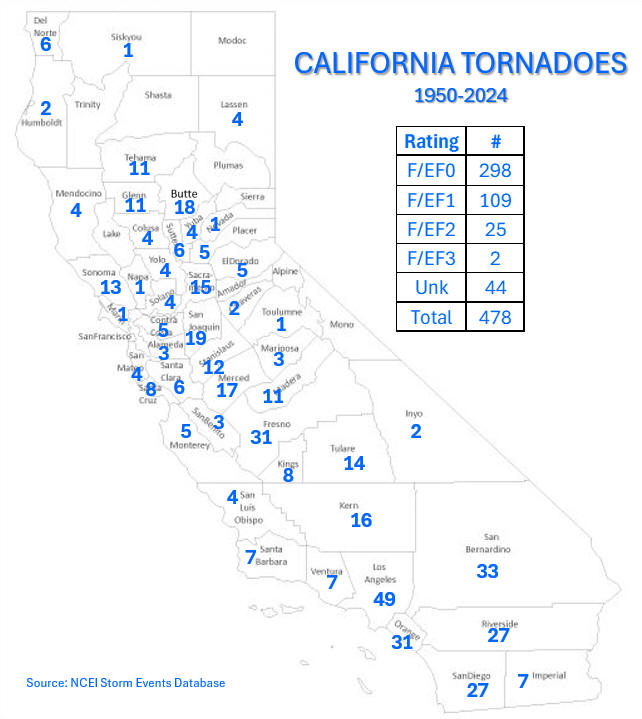
The answer, perhaps surprisingly to some, is a definitive yes. While California is certainly not part of “Tornado Alley” and does not experience the devastating, large-scale tornadoes characteristic of states like Oklahoma or Kansas, it does indeed see its share of these swirling atmospheric phenomena. Understanding the nature of tornadoes in California, their frequency, intensity, and the specific conditions that breed them, is key to providing a complete picture for both residents and prospective visitors planning their next adventure. This insight not only satisfies scientific curiosity but also informs a broader understanding of weather patterns that can influence tourism, accommodation choices, and overall travel preparedness within this dynamic state.
Understanding Tornadoes in the Golden State
The notion of tornadoes in California often conjures images that clash with the state’s typical weather narrative. Yet, these rotating columns of air are a documented, albeit less frequent, part of the Californian meteorological landscape. The critical difference lies in their genesis, intensity, and geographical distribution compared to their counterparts in the central United States.
The Science Behind California’s Twisters
California’s tornadoes are typically formed under specific atmospheric conditions that differ from those generating supercell thunderstorms in the Great Plains. The most common scenario involves cold upper-level troughs moving inland from the Pacific Ocean, interacting with relatively warm, moist, and unstable air at lower altitudes. This often happens during the cooler months, particularly from late fall through spring. As these cold fronts sweep through, they can create sufficient wind shear – a change in wind speed or direction with height – to induce rotation within developing thunderstorms.
Unlike the powerful, long-lived supercells of the Midwest that often produce violent tornadoes, California’s tornadoes are usually associated with squall lines or clusters of ordinary thunderstorms. They are frequently shorter-lived, narrower, and weaker, with the vast majority classified as EF0 or EF1 on the Enhanced Fujita (EF) Scale, meaning they produce minor to moderate damage. Occasionally, waterspouts – tornadoes that form over water – occur off the California coast and can sometimes move onshore, becoming tornadoes. These events highlight the unique interplay of ocean and land weather systems that define California’s meteorological character.
Frequency and Intensity: A Closer Look
When analyzing tornado activity, context is crucial. While California does experience tornadoes, its annual average is significantly lower than states in Tornado Alley. Historically, California averages around 10-15 tornadoes per year. To put this into perspective, states like Texas, Kansas, or Oklahoma can experience dozens or even hundreds of tornadoes in a single year. Furthermore, the intensity of California’s tornadoes is predominantly on the lower end of the spectrum. EF0 tornadoes, with wind speeds between 65 and 85 mph, might cause minor damage like broken tree branches or damaged gutters. EF1 tornadoes, with winds from 86 to 110 mph, could cause more significant damage, such as tearing shingles off roofs or overturning mobile homes.
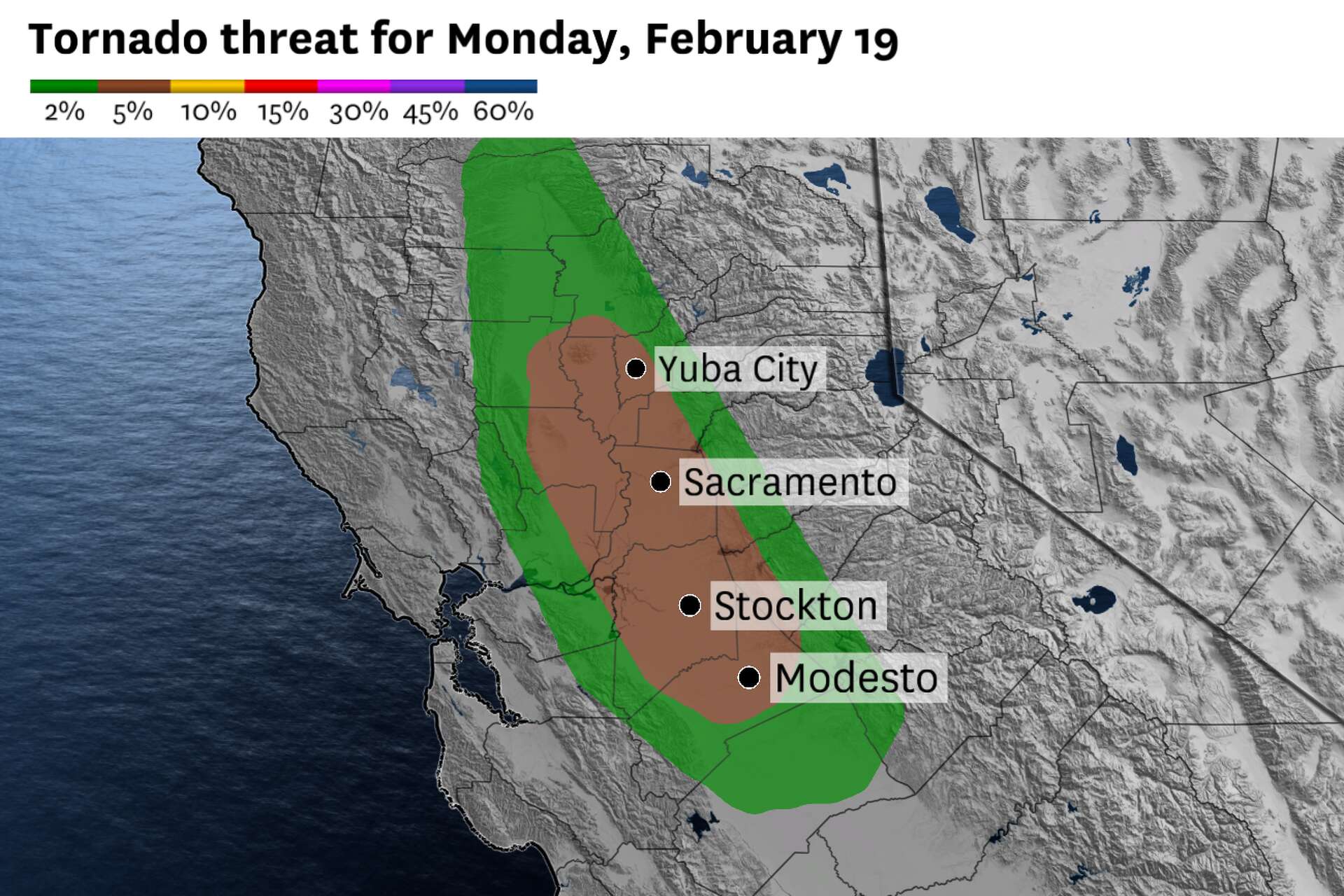
Stronger tornadoes (EF2 or higher) are exceedingly rare in California. The most frequently affected regions are the Central Valley, particularly the southern end, and coastal areas, especially near Los Angeles and San Diego, where marine layer interactions can contribute to instability. These regions, characterized by relatively flat terrain and proximity to moist air sources, provide the atmospheric ingredients necessary for tornado formation. Even in these areas, the risk remains low for any specific location at any given time.
Seasonal Patterns
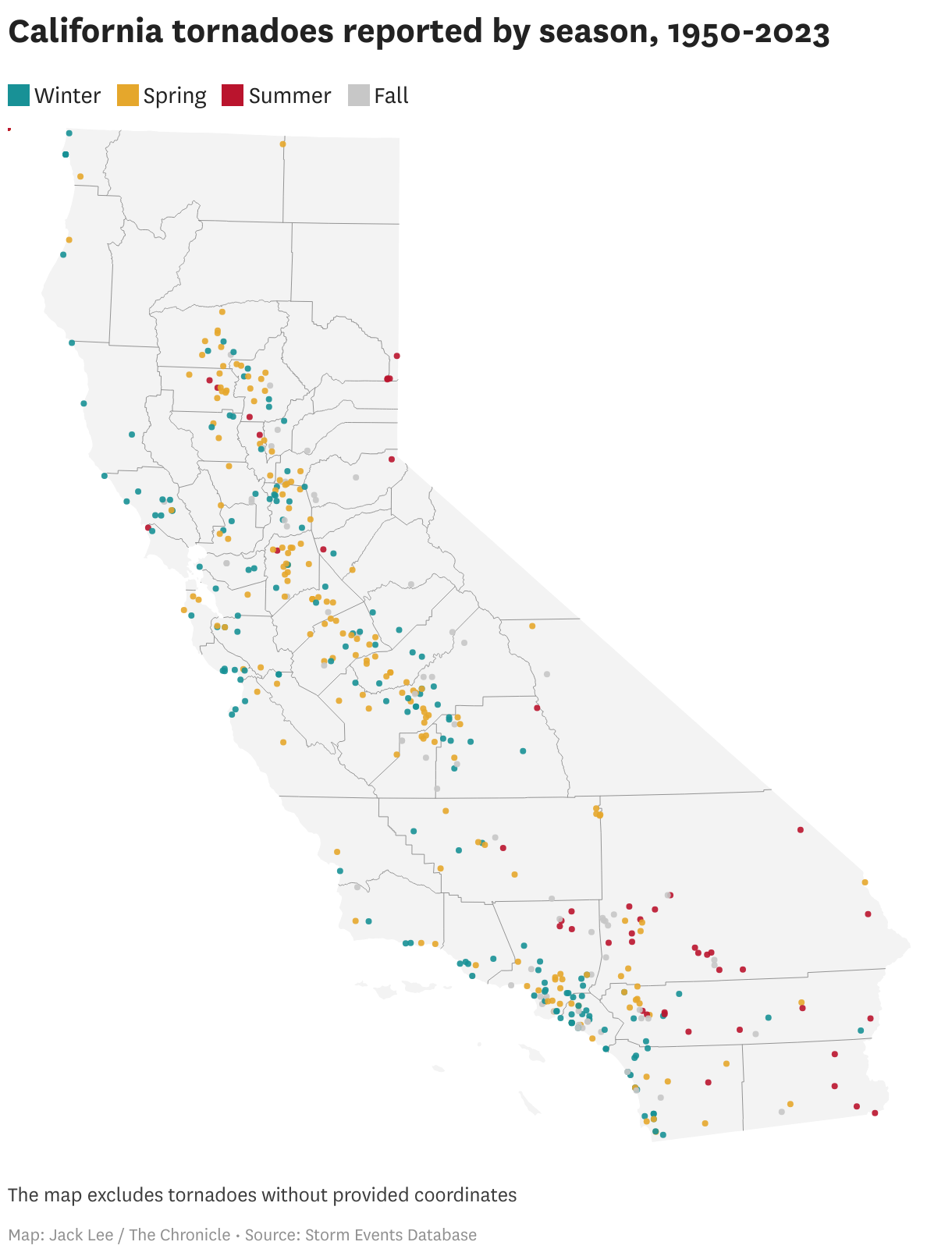
The seasonality of California’s tornadoes also contrasts with the peak tornado season in the Midwest. While Tornado Alley experiences its highest frequency of tornadoes in spring and early summer, California’s tornado activity predominantly occurs during the cooler, wetter months. The period from November to April typically sees the most activity, coinciding with the state’s rainy season and the passage of winter storm systems.
During these months, cold fronts and upper-level disturbances frequently sweep across the state, bringing with them the potential for severe thunderstorms and, occasionally, tornadoes. This seasonal pattern is directly linked to the dynamics of the Pacific Ocean weather systems and the interaction of cold air aloft with warmer, moist air near the surface, a hallmark of winter weather in California. Understanding this helps travelers plan their trips, though, as we will explore, the actual risk to tourists is minimal.
Tornadoes and Travel: What Visitors Need to Know
For travelers planning a visit to the Golden State, the knowledge that tornadoes occur might prompt a momentary pause. However, it’s essential to put this information into proper perspective. The overall risk to tourists from tornadoes in California is incredibly low, especially when compared to other potential natural events like earthquakes or wildfires, which tend to be more impactful and widespread.
Assessing the Risk for Tourists
The chances of a tourist encountering a tornado in California are statistically negligible. Given the low frequency and typically weak intensity of these events, coupled with the state’s vast geographical area and diverse destinations, it’s highly improbable that a tornado would directly impact a traveler’s plans or safety. For context, travelers are far more likely to experience traffic congestion in Los Angeles or fog in San Francisco than to be affected by a tornado.
The overwhelming majority of California’s attractions and landmarks – from Disneyland to Yosemite National Park, Hollywood Walk of Fame to the Golden Gate Bridge – are enjoyed by millions annually without any tornado-related incidents. The focus for travelers should remain on enjoying the state’s unparalleled beauty and cultural richness, rather than undue concern over rare weather phenomena.
Staying Informed During Your Trip
While the risk is low, being informed is always a component of responsible travel planning. For those visiting California during the cooler months (November to April), especially if their itinerary includes the Central Valley or the southern coastal plains, a general awareness of weather conditions is advisable.
- Monitor Local Weather: Utilize reliable weather apps or local news channels for up-to-date forecasts. Major cities like Los Angeles, San Diego, and Sacramento have excellent local meteorological services.
- National Weather Service (NWS): The NWS issues watches and warnings for severe weather, including tornado watches (conditions are favorable for tornadoes) and tornado warnings (a tornado has been sighted or indicated by radar). Familiarity with these alerts can be helpful.
- Accommodation Safety: Most hotels, resorts, and other accommodation providers in California are well-equipped to handle various emergencies and will inform guests of any immediate threats. In the unlikely event of a tornado warning, the safest place is usually an interior room on the lowest floor of a sturdy building, away from windows.
These precautions are general safety measures applicable anywhere and are certainly not unique to California. They contribute to a confident and prepared mindset for any journey.
Specific Regions and Preparedness
While tornadoes can theoretically occur anywhere with the right atmospheric conditions, some areas in California are more prone to them. As mentioned, the Central Valley and parts of southern California see the most activity. Travelers visiting agricultural areas or smaller towns within these regions might notice a slightly higher level of local awareness regarding severe weather, though this is still very subdued compared to states in Tornado Alley.
Major metropolitan areas like San Francisco, San Jose, or Santa Barbara have robust infrastructure and emergency services that are well-versed in handling various natural events. While they might occasionally experience a weak tornado or waterspout, the impact is usually minimal, and residents are generally well-informed by local media. Preparedness in California often centers more on earthquakes and wildfires, which are statistically more significant risks, influencing building codes and emergency protocols across the state.
Beyond Tornadoes: California’s Diverse Weather and Travel Experiences
While the existence of tornadoes in California is a curious fact, it pales in comparison to the sheer diversity and splendor of the state’s climate and the endless travel opportunities it offers. California is a global leader in tourism precisely because of its ability to cater to every kind of traveler, every season, and every preference.
Embracing California’s Climate Diversity
California’s geography is nothing short of spectacular, encompassing deserts, mountains, coastlines, and fertile valleys, each with its own microclimate. This incredible diversity means that travelers can experience vastly different weather conditions within hours of each other. You can ski in the morning at Lake Tahoe and surf in the afternoon in Santa Cruz. You can bask in the desert heat of Death Valley or explore the misty redwood forests of Northern California.
This climatic tapestry provides a backdrop for an unparalleled range of experiences. Whether you’re interested in nature travel, urban exploration, culinary tours, or simply relaxing by the beach, California has a perfect setting. The state’s official guides and numerous travel blogs consistently highlight this adaptability, guiding visitors to the best times and places for specific activities, always taking into account the nuanced local weather.
Planning for All Seasons: Accommodation and Activities
The expansive nature of California’s climate diversity means that careful planning for accommodation and activities is essential, not because of tornadoes, but because of the vast array of options. High-end resorts in Napa Valley cater to wine enthusiasts year-round, while cozy cabins in the Sierra Nevada are perfect for winter sports. Beachfront properties in Malibu offer sun and surf, while stylish city apartments in San Francisco provide a base for exploring urban culture.
Travelers can find everything from luxury travel experiences in five-star hotels with premium amenities to budget travel options like hostels or long-term stays in serviced villas. The state’s ability to cater to different lifestyles and budgets, regardless of the season, truly sets it apart. The key is to match your travel goals with the right season and region, ensuring the weather enhances your experience rather than detracts from it. For example, a family trip to Disneyland is often best enjoyed during less crowded, milder weather periods, while a scenic drive along Highway 1 is spectacular on a clear day, whenever it occurs.
Iconic Landmarks and Weather Resilience
California’s landmarks are world-famous, each with its own historical, architectural, or natural significance. From the towering granite cliffs of Yosemite National Park to the art deco elegance of the Golden Gate Bridge, these sites are designed to withstand various weather conditions. California residents and visitors alike are accustomed to adapting to the state’s dynamic environment.
Even during severe weather events like heavy rains or rare weak tornadoes, these iconic sites generally remain accessible or have clear protocols for temporary closures and visitor safety. The emphasis is always on resilience and ensuring visitors can continue to enjoy the state’s offerings. When planning a visit to a natural landmark like Big Sur or a bustling urban attraction in San Diego, checking local conditions and official park alerts is always a smart move, not out of fear of tornadoes, but simply as a part of comprehensive travel awareness.
The Broader Picture: Navigating Travel in a Dynamic Environment
Traveling to California is an immersive experience in a state that embodies dynamism, innovation, and natural splendor. Understanding its infrequent tornado activity is just one small facet of appreciating its complex environmental tapestry.
A Lifestyle of Adventure and Preparedness
The Californian lifestyle often merges adventure with a pragmatic understanding of nature’s forces. This translates into an informed approach to travel, where visitors are encouraged to be aware of their surroundings, whether it’s checking for wildfire alerts in summer or snow conditions in winter. Tornadoes, while part of the meteorological record, rarely factor into this proactive mindset due to their low risk.
Whether one is embarking on a luxury travel excursion through Beverly Hills or a budget travel backpacking trip through the national forests, the underlying principle is to enjoy the journey responsibly. This includes choosing appropriate accommodation based on comfort and location, from boutique hotels in Carmel-by-the-Sea to business stays in Silicon Valley, and staying informed about any local conditions that might impact outdoor activities.
Resources for Travelers
For comprehensive and up-to-date information, travelers to California have access to a wealth of resources. Official state tourism websites, local convention and visitor bureaus (e.g., Visit California), and platforms like lifeoutofthebox.com provide detailed guides, tips, and recommendations covering everything from booking hotels and comparing prices to exploring local culture and food experiences.
Weather information is readily available from the National Weather Service (NWS) and local news outlets. These resources ensure that travelers can plan their trips with confidence, knowing they have access to reliable information to make informed decisions and maximize their enjoyment of the Golden State.
In conclusion, the answer to “Does California get tornadoes?” is unequivocally yes, but with significant caveats regarding frequency, intensity, and location. These events are rare, generally weak, and pose a minimal risk to the millions who visit and reside in the state. California’s true weather story is one of incredible diversity, from its sun-kissed coasts to its snowy peaks, its arid deserts to its misty redwood forests. The allure of its destinations, the comfort of its varied accommodation options, and the richness of its tourism experiences far outweigh any minor meteorological curiosities. So, pack your bags, prepare for adventure, and explore the wonders of California with confidence, knowing that while the wind may occasionally swirl, the overwhelming forecast is for an unforgettable journey.
LifeOutOfTheBox is a participant in the Amazon Services LLC Associates Program, an affiliate advertising program designed to provide a means for sites to earn advertising fees by advertising and linking to Amazon.com. Amazon, the Amazon logo, AmazonSupply, and the AmazonSupply logo are trademarks of Amazon.com, Inc. or its affiliates. As an Amazon Associate we earn affiliate commissions from qualifying purchases.