
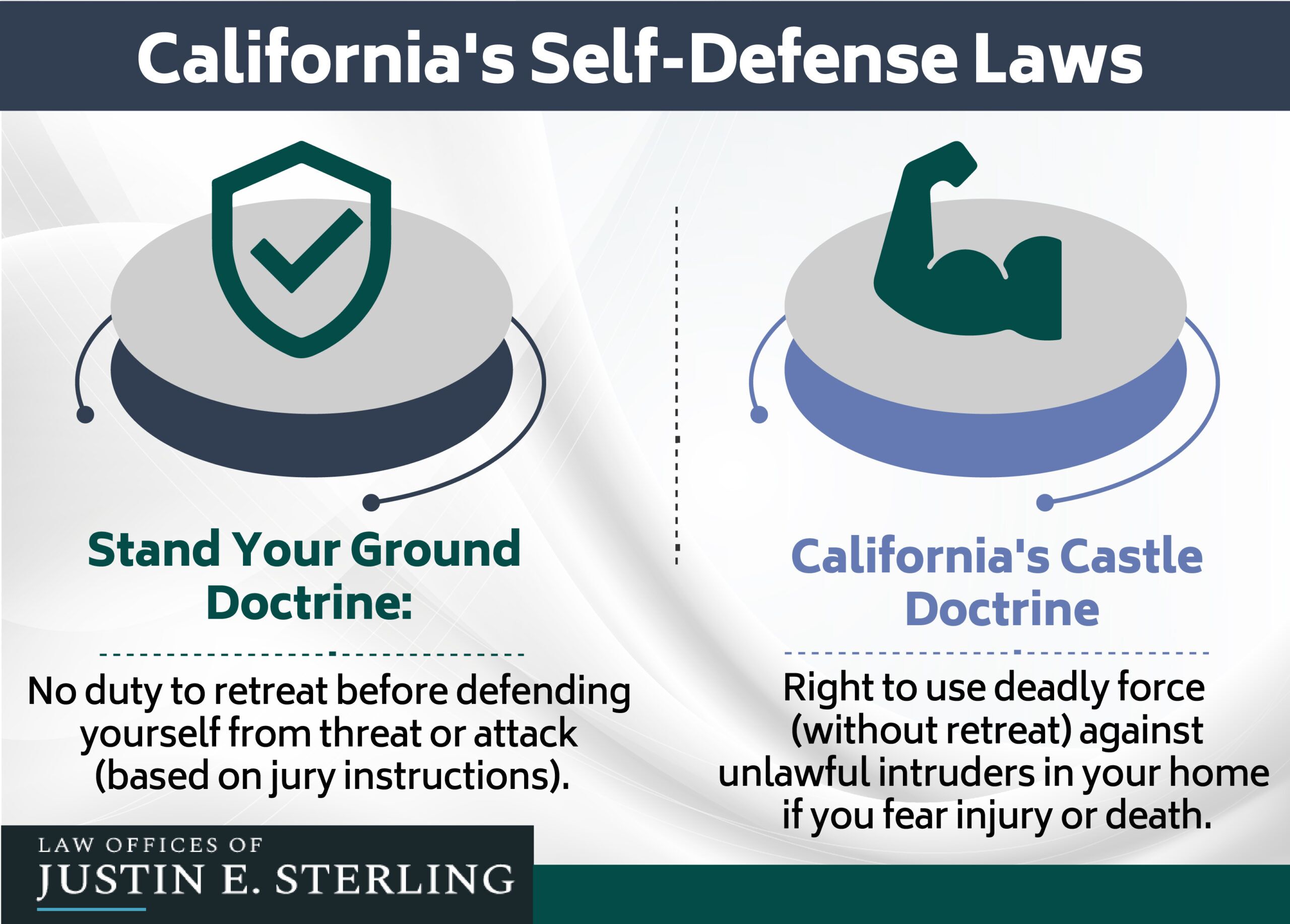
While the concept of a “castle law” in legal terms refers to the right of self-defense within one’s home – indeed, California does recognize a version of this doctrine, known as the ‘Castle Doctrine’ – this article delves into a different, more tangible interpretation of “castle” within the Golden State. We are exploring the architectural marvels, the actual castle-like structures, and grand estates that stand as magnificent landmarks, each with its own compelling history and unique design. These imposing edifices, from opulent hilltop palaces to labyrinthine mansions, captivate the imagination and offer a window into California’s rich tapestry of ambition, artistry, and eccentric dreams. They are not merely buildings; they are testaments to human endeavor, offering profound insights into the eras they represent and the visionaries who brought them to life.

Beyond Legal Doctrine: California’s Architectural Marvels
California, a land celebrated for its diverse landscapes and innovative spirit, also harbors a fascinating collection of structures that, while perhaps not traditional medieval fortresses, certainly evoke the grandeur and mystique of castles. These architectural wonders range from palatial estates built by media moguls to whimsical, purpose-built wineries designed to transport visitors to another time and place. Each “castle” tells a unique story, etched in stone, wood, and glass, inviting exploration and appreciation for their distinct architectural styles and the singular narratives they embody. These landmarks stand as enduring symbols of human creativity and the pursuit of extraordinary living, offering unparalleled experiences for visitors seeking history, beauty, and a touch of the fantastical.
The Opulence of Hearst Castle: A Hilltop Kingdom
Perched majestically atop a hill overlooking the Pacific Ocean near San Simeon, Hearst Castle is arguably California’s most iconic castle-like landmark. Conceived by newspaper magnate William Randolph Hearst and designed by architect Julia Morgan, this monumental estate, officially known as La Cuesta Encantada (The Enchanted Hill), was under continuous construction from 1919 to 1947. Its sprawling complex includes 165 rooms and 127 acres of gardens, terraces, pools, and walkways, all meticulously crafted to resemble a grand European estate.
The architecture is primarily Mediterranean Revival, yet it incorporates elements from various historical styles, reflecting Hearst’s eclectic taste and vast collection of art and antiquities from around the world. Visitors are immediately struck by the towering facade of La Casa Grande, the main house, flanked by guesthouses designed in a similar grand style. The Neptune Pool, an outdoor Roman-style pool with ancient temple facades, and the indoor Roman Pool, adorned with blue and gold mosaics, are iconic features that exemplify the estate’s extravagant luxury.
Hearst Castle served as a private retreat and a playground for Hollywood’s elite and international dignitaries during its heyday. Today, it operates as a California State Park, offering guided tours that reveal its intricate history, breathtaking art collections, and the sheer scale of Hearst’s vision. Its status as a National Historic Landmark underscores its significance not just as an architectural marvel but as a cultural repository, preserving a distinct chapter of American history and the lavish lifestyle of an influential figure. The effort required to construct such a monumental project in such a rugged coastal environment speaks volumes about the determination and resources committed to its realization, making it a compelling destination for history buffs and architecture enthusiasts alike.
Castello di Amorosa: A Tuscan Dream in Wine Country
Nestled in the rolling vineyards of Napa Valley, Castello di Amorosa is a breathtakingly authentic 13th-century style Tuscan castle and winery. Owner Dario Sattui, a fourth-generation Italian winemaker, dedicated decades to studying medieval architecture and sourcing authentic materials from Europe to construct this magnificent structure. Completed in 2007, the castle boasts 107 rooms across eight levels, including a great hall, a chapel, torture chambers, and underground cellars.
The construction of Castello di Amorosa was a monumental undertaking, utilizing over 8,000 tons of hand-chiseled local stone and 1,000,000 antique bricks imported from Europe. Every detail, from the hand-painted frescoes to the ironwork and medieval-style furnishings, was meticulously planned and executed to recreate the feel of a genuine medieval fortress. Even the defensive features, such as the drawbridge, moat, and five towers, are fully functional.
Beyond its impressive architecture, Castello di Amorosa is a fully operational winery producing award-winning wines. Visitors can partake in guided tours, which often include wine tastings in the castle’s atmospheric cellars, and explore its various chambers and courtyards. It stands as a unique landmark, blending historical authenticity with the renowned winemaking culture of Napa Valley, offering an immersive experience that transports guests to the heart of old-world Italy without leaving California. The castle’s commitment to historical accuracy and its role as a functional winery make it a distinctive and highly engaging destination.
Eccentric Grandeur and Historic Estates
California’s “castles” are not limited to grand, imposing fortresses. The state is also home to more idiosyncratic, yet equally captivating, castle-like structures that embody unique visions and fascinating histories. These landmarks often reflect the personal obsessions and pioneering spirit of their creators, offering a glimpse into distinct chapters of California’s past. They challenge conventional notions of architecture and serve as enduring symbols of individual eccentricity and boundless imagination, drawing visitors into their intriguing narratives.
Winchester Mystery House: A Labyrinthine Legacy
In San Jose stands the bizarre and endlessly fascinating Winchester Mystery House, a sprawling Victorian mansion renowned for its architectural curiosities and a haunting legend. Construction on the house began in 1886 under the direction of Sarah Winchester, widow of firearm magnate William Wirt Winchester. Driven by a belief that she was haunted by the spirits of those killed by Winchester rifles, and on the advice of a medium, Sarah continuously built upon the house for 38 years until her death in 1922.
The result is a bewildering 160-room mansion filled with architectural oddities: staircases leading to ceilings, doors opening onto walls, windows overlooking other rooms, and countless dead-end corridors. The house features 10,000 windows, 2,000 doors, 160 rooms, 47 stairways, 13 bathrooms, and 6 kitchens. Its sheer size and the bewildering nature of its design elements give it a castle-like quality, albeit one designed by a mind grappling with spiritual beliefs and endless construction. The house was not planned with blueprints but evolved organically, adding to its mysterious allure.
Today, the Winchester Mystery House is a popular tourist attraction, offering tours that delve into its history, legends, and architectural anomalies. It stands as a peculiar landmark, a monument to one woman’s unique architectural legacy and the enduring appeal of the paranormal. Its distinctive and unplanned expansion over decades, combined with the personal narrative of Sarah Winchester, makes it a captivating and enduring mystery, inviting visitors to ponder the boundaries of belief and design.
Scotty’s Castle: A Desert Oasis of Dreams
Deep within the stark, beautiful landscape of Death Valley National Park lies Scotty’s Castle, an ornate villa that stands as a surprising testament to a unique friendship and a grand, unfulfilled dream. Officially known as Death Valley Ranch, this two-story Spanish Colonial Revival villa was built in the 1920s and 1930s by Chicago millionaire Albert Johnson as a vacation retreat. However, it became famously associated with Walter Scott, a charismatic con artist and prospector known as “Death Valley Scotty,” who convinced many that he built it with gold from his secret mine.
Despite Scotty’s tall tales, Johnson funded the construction, pouring millions into creating an extravagant desert haven. The castle features custom-made furnishings, intricate ironwork, a massive pipe organ, and even a partially built swimming pool and underground tunnels. Its remote location and the unexpected luxury of its design make it truly remarkable. The architecture incorporates elements of Spanish Colonial Revival, with distinct Southwestern influences, creating a fortress-like appearance against the rugged desert backdrop.
Managed by the National Park Service, Scotty’s Castle offers guided tours that share the fascinating, intertwined stories of Johnson and Scott, along with insights into the innovative engineering that brought running water and electricity to such an isolated locale. Though it suffered significant damage from flooding in 2015, extensive preservation efforts are underway, highlighting its importance as a historical and architectural landmark in one of America’s most extreme environments. The blend of opulent design, ingenious infrastructure, and captivating personal histories makes Scotty’s Castle an unforgettable stop for anyone exploring Death Valley.

The Enduring Appeal of California’s Grand Structures
The “castles” of California, whether born of immense wealth, historical homage, or eccentric vision, collectively form a unique aspect of the state’s landmark landscape. They transcend their primary function as residences or wineries to become enduring cultural touchstones. These structures not only showcase remarkable architectural styles—from the grandeur of Mediterranean Revival and Spanish Colonial Revival to the detailed authenticity of Tuscan medieval design and the whimsical complexity of Victorian improvisation—but also encapsulate compelling narratives of ambition, personal legacy, and the pursuit of dreams, however unusual.
They invite visitors to step back in time, to imagine the lives lived within their walls, and to appreciate the intricate craftsmanship and historical significance embedded in every stone. As landmarks, they serve as vital educational resources, offering insights into architectural trends, social history, and the often larger-than-life personalities who shaped California’s past. Their preservation ensures that future generations can continue to marvel at these extraordinary feats of construction and imagination. Thus, while California may legally have a ‘Castle Doctrine’ to protect one’s home, its true “castle law” might be found in the enduring power and appeal of these magnificent, castle-like structures—the unspoken rule that grand visions, when brought to life through dedicated effort, will forever capture the human spirit and stand as monumental achievements.
LifeOutOfTheBox is a participant in the Amazon Services LLC Associates Program, an affiliate advertising program designed to provide a means for sites to earn advertising fees by advertising and linking to Amazon.com. Amazon, the Amazon logo, AmazonSupply, and the AmazonSupply logo are trademarks of Amazon.com, Inc. or its affiliates. As an Amazon Associate we earn affiliate commissions from qualifying purchases.