
Embarking on a journey to the Golden State is a dream for many, promising sun-drenched beaches, majestic national parks, vibrant cities, and unparalleled cultural experiences. From the iconic silhouette of the Golden Gate Bridge in San Francisco to the glamorous boulevards of Los Angeles, and the enchanting wilderness of Yosemite National Park, California offers an incredible array of destinations and attractions. As travelers, our primary goal is to immerse ourselves in these experiences, creating lasting memories. Part of ensuring a truly enjoyable and stress-free trip, however, involves understanding the local landscape, not just in terms of geography and culture, but also in terms of local laws and customs. Among the many considerations for peace of mind, questions about personal safety and self-defense often arise. Specifically, a common query for those traveling within the United States is: “Does California have a ‘Stand Your Ground’ law?” This article aims to demystify California’s self-defense statutes, providing clarity for visitors and residents alike, ensuring you can explore this magnificent state with confidence and informed awareness.
Understanding Self-Defense Laws for Travelers in California
When planning any trip, especially to a new state or country, familiarizing oneself with local laws is a key aspect of responsible travel. This not only prevents unintended legal complications but also contributes to a sense of security, allowing you to focus on the wonders of your chosen destination. Self-defense laws, in particular, vary significantly across jurisdictions, and understanding California’s approach is crucial for anyone visiting or residing here.
What is “Stand Your Ground” Anyway?
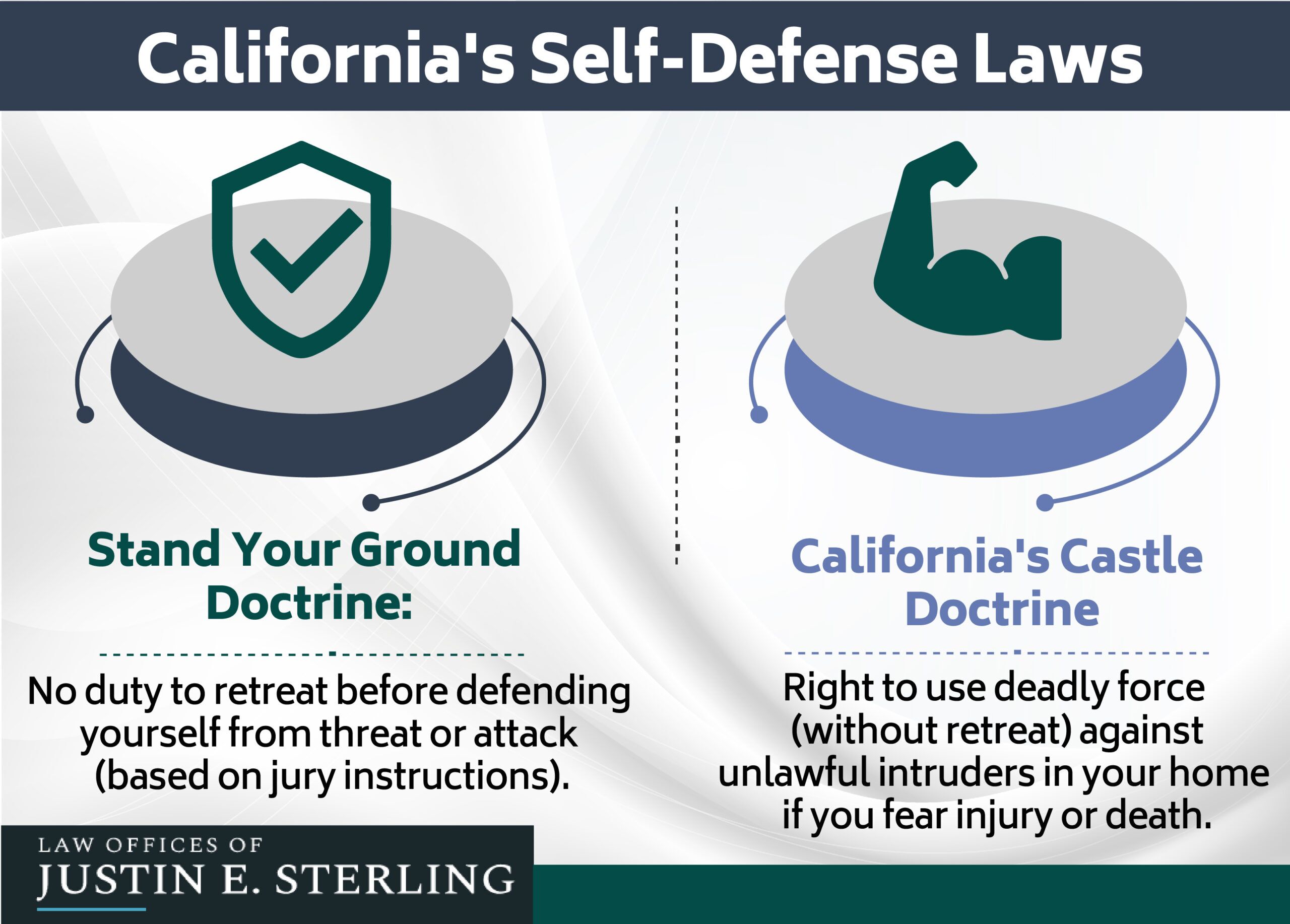
The concept of “Stand Your Ground” is a legal principle that permits individuals to use deadly force in self-defense without the requirement to retreat, even when it’s safe to do so. In states with “Stand Your Ground” laws, if you are lawfully present in a location and reasonably believe you are in imminent danger of serious bodily harm or death, you are generally not obligated to attempt to escape the situation before resorting to force, including deadly force, to protect yourself or others. This is often contrasted with the “duty to retreat” principle, which mandates that individuals must attempt to safely remove themselves from a dangerous situation before using deadly force, assuming a safe avenue of escape exists. The legal landscape surrounding these doctrines is complex and often subject to public debate and scrutiny, making it especially important for travelers to know the specific regulations of their destination.
California’s Stance: A Closer Look at the Law
To directly answer the question: No, California does not have a “Stand Your Ground” law in the expansive sense found in many other United States states. Instead, California largely operates under the principle of “duty to retreat” when outside of one’s own home, with a significant exception known as the “Castle Doctrine.”
In California, an individual is justified in using reasonable force in self-defense if they reasonably believe they are in imminent danger of bodily injury, and that the immediate use of force is necessary to defend against that danger. However, outside of specific circumstances (primarily within one’s dwelling), the law generally expects a person to retreat if they can do so safely, rather than escalate to deadly force. This means that if you are in a public space, such as exploring the shops along Santa Monica’s Third Street Promenade, hiking in a state park, or enjoying the vibrant nightlife of Hollywood, and you are confronted with a threat, the law may require you to attempt to retreat before using deadly force, assuming a safe escape route is available.
The crucial exception to this “duty to retreat” is the Castle Doctrine. California’s version of the Castle Doctrine essentially states that within your own home or temporary dwelling, you have no duty to retreat from an intruder or attacker. You are presumed to have a reasonable fear of imminent peril of death or great bodily injury to yourself or a member of your family or household when an intruder unlawfully and forcibly enters your habitation. This legal presumption allows you to use necessary force, including deadly force, to defend yourself and others within your dwelling without first attempting to retreat. This principle is vital for understanding self-defense in scenarios related to accommodations during your travels.
Navigating Safety: Practical Implications for Your California Trip
Understanding California’s self-defense laws, particularly the distinction between public spaces and private dwellings, has direct practical implications for any traveler. Whether you’re staying in a luxurious resort in Palm Springs, a cozy Airbnb in Pasadena, or a sprawling villa overlooking the ocean in Malibu, knowing your rights and responsibilities can significantly enhance your travel safety plan.
The “Castle Doctrine” and Your Accommodation
For travelers, the Castle Doctrine extends its protection to your temporary lodging. This means that if you are staying in a hotel room, a rented apartment, a resort suite, or even a tent in a designated campsite, that space is considered your temporary dwelling. Within the confines of this space, if an intruder unlawfully and forcibly enters, you are generally not required to retreat before using necessary force, including deadly force, to defend yourself or others present. This provides a significant layer of security for tourists, offering peace of mind regarding the sanctity of their temporary home away from home.

It’s important to note, however, that the force used must still be reasonable and proportionate to the threat. While the presumption of fear is strong within your dwelling, the law does not grant a license for arbitrary violence. Always consider de-escalation as a primary tactic, and if force is unavoidable, ensure it aligns with the immediate danger presented.
Self-Defense in Public Spaces and Tourist Attractions
The situation changes when you venture out of your accommodation to explore California’s myriad attractions. From strolling down Venice Beach to visiting Universal Studios Hollywood or admiring the views from Griffith Observatory, you are in a public space. Here, the general “duty to retreat” principle applies.
If you are confronted with a threat in a public area, California law generally expects you to attempt to remove yourself from the situation if you can do so safely. Only if a safe avenue of retreat is unavailable, or if retreating would put you in greater danger, are you then justified in using the necessary force, including deadly force, to defend yourself. The key is “reasonable belief” of imminent danger and the necessity of the force used. Engaging in altercations, using excessive force, or provoking a confrontation can lead to severe legal consequences, including arrest and charges, which could drastically derail your travel plans and future. Therefore, situational awareness, avoiding potentially dangerous situations, and prioritizing de-escalation are paramount when enjoying California’s public offerings.
Carrying Weapons: What Travelers Need to Know
Beyond understanding the legal framework for self-defense, travelers should also be acutely aware of California’s strict laws regarding weapons, particularly firearms. California has some of the most stringent gun control laws in the United States.
- Concealed Carry Permits: California is generally a “may issue” state for concealed carry permits (CCW), meaning that law enforcement agencies have discretion in issuing them, typically requiring a showing of “good cause.” For non-residents, obtaining a California CCW permit is exceedingly difficult, if not impossible in most jurisdictions. Even if you have a concealed carry permit from another state, California does not recognize out-of-state permits. Carrying a concealed firearm without a valid California permit is a felony.
- Open Carry: Open carry of unloaded firearms is generally prohibited in most incorporated and unincorporated areas. Open carry of loaded firearms is also broadly illegal.
- Other Weapons: Laws also govern the carrying of other weapons, such as knives (specific blade lengths, open vs. concealed), tasers, and pepper spray. While pepper spray is generally legal for self-defense, there are restrictions on container size and who can carry it.
For the vast majority of travelers, bringing firearms into California is fraught with legal peril and is strongly advised against without thorough legal counsel and a clear understanding of all state and federal regulations. The safest approach for travelers concerned about personal safety is to rely on non-lethal self-defense tools where permitted and, most importantly, on situational awareness and avoidance.
Ensuring a Safe and Enjoyable California Experience
While understanding self-defense laws is a component of travel safety, it’s part of a broader strategy for ensuring a secure and pleasurable trip. California is an incredibly welcoming and safe destination for millions of tourists annually, and with a few proactive measures, you can focus on making the most of your adventure, whether you’re wine tasting in Napa Valley, driving the scenic route through Big Sur, or exploring the vibrant streets of San Diego.
Beyond Self-Defense Laws: General Travel Safety Tips
Responsible travel involves more than just knowing legal nuances; it encompasses a holistic approach to personal safety and well-being. Here are some general tips to keep in mind during your California travels:
- Situational Awareness: Always be aware of your surroundings, especially in crowded tourist areas like Disneyland, Alcatraz Island, or the Hollywood Walk of Fame. Avoid distractions like constantly looking at your phone.
- Secure Valuables: Keep your passport, money, and other valuables in a secure, hard-to-access place on your person or locked in your accommodation. Avoid flashy displays of wealth.
- Research Neighborhoods: Before booking accommodations or venturing into new areas, do a quick search about the neighborhood’s safety reputation, especially at night. This is particularly relevant in larger cities like Los Angeles or San Francisco.
- Trust Your Instincts: If a situation or an area feels unsafe, remove yourself. Your intuition is a powerful safety tool.
- Emergency Contacts: Have local emergency numbers (911 in the United States) and your country’s embassy or consulate information readily available.
- Travel Insurance: Always consider comprehensive travel insurance that covers medical emergencies, trip cancellations, and personal belongings.
- Inform Someone: Let a trusted family member or friend know your itinerary, especially if you’re traveling solo or heading to more remote areas like Death Valley National Park or Lake Tahoe.
- Transportation Safety: Use reputable ride-sharing services, taxis, or public transport. Be cautious when accepting rides from strangers.
- Stay Hydrated and Sun Protected: California often has intense sun. Carry water, use sunscreen, and wear appropriate clothing to prevent heatstroke and sunburn, especially when exploring outdoors in places like Carmel-by-the-Sea or Monterey.

The Peace of Mind of Being Prepared
Ultimately, understanding California’s approach to self-defense is about empowering yourself with knowledge, not instilling fear. California is a magnificent place to visit, offering countless unforgettable experiences, from the state capital in Sacramento to the coastal beauty of Santa Barbara. By being informed about the local laws, practicing general travel safety, and maintaining a vigilant yet relaxed demeanor, you can significantly enhance your sense of security. The goal is to fully embrace the journey, the local culture, and the natural beauty, knowing you’ve taken reasonable steps to prepare for any eventuality. This informed approach allows you to confidently explore the diverse landscapes and vibrant communities of California, making your trip truly life-enriching and worry-free.
LifeOutOfTheBox is a participant in the Amazon Services LLC Associates Program, an affiliate advertising program designed to provide a means for sites to earn advertising fees by advertising and linking to Amazon.com. Amazon, the Amazon logo, AmazonSupply, and the AmazonSupply logo are trademarks of Amazon.com, Inc. or its affiliates. As an Amazon Associate we earn affiliate commissions from qualifying purchases.