
For many, California represents a dream destination, a vibrant tapestry woven with sun-kissed beaches, towering redwoods, innovative tech hubs, and a laid-back yet progressive lifestyle. Travelers flock to its iconic landmarks, indulge in its diverse culinary scene, and soak in the unique cultural experiences offered across the Golden State. Yet, beneath the allure of its picturesque landscapes and modern marvels lies a complex legal and social framework that shapes its identity. One particularly nuanced aspect, often misunderstood, is California’s stance on capital punishment. For visitors and potential long-term residents alike, understanding the legal and societal currents of a destination offers a deeper appreciation for its character, influencing everything from local culture to the general societal ethos.
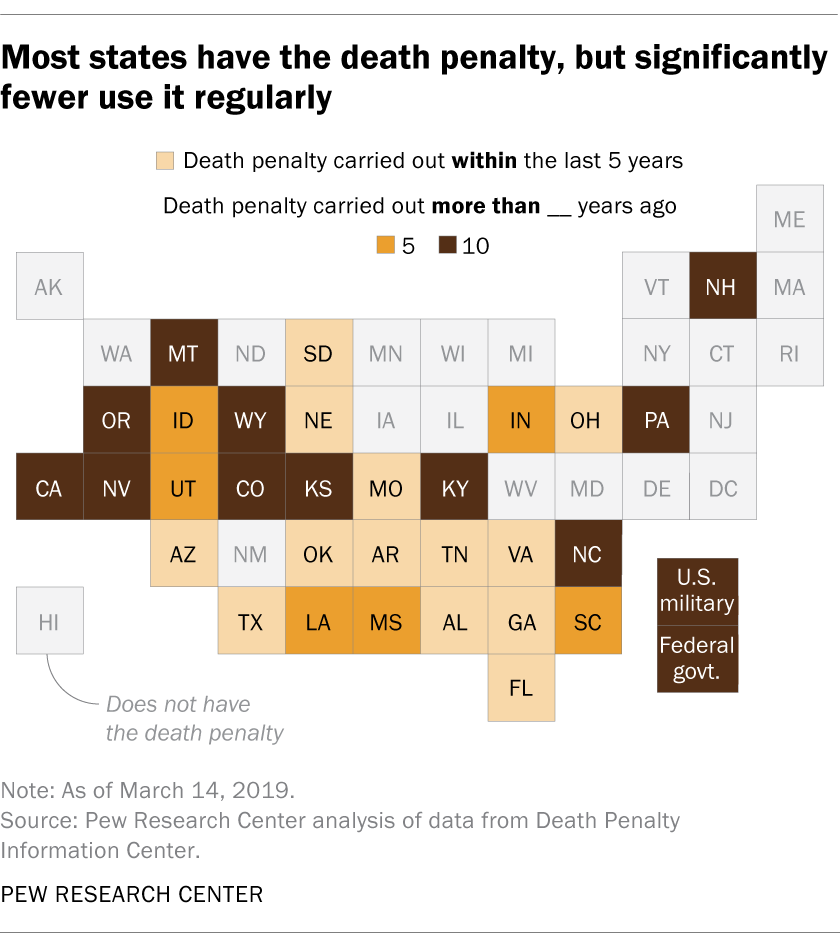
The simple answer to whether California has capital punishment is: yes, legally, it does. However, the more complete and crucial answer is that while capital punishment remains on the books, no executions have taken place in the state since 2006, and a gubernatorial moratorium officially halted all executions in 2019. This creates a fascinating dichotomy, where the legal framework exists, but its practical application is suspended, reflecting decades of evolving public opinion, complex legal challenges, and a robust debate over justice, morality, and the efficacy of the death penalty. Delving into this intricate history provides a unique lens through which to understand California’s progressive leanings and its continuous quest for a justice system that aligns with its modern values, a pursuit that subtly underpins the very fabric of its appeal as a global lifestyle and travel destination.

A Complex Legal Journey: The History of Capital Punishment in the Golden State
California’s relationship with capital punishment is a long and winding one, reflecting the dramatic social and political shifts that have defined the state since its inception. From its early days as a frontier territory to its current status as a global leader in innovation and culture, the debate over the ultimate penalty has consistently challenged and redefined its legal landscape. Understanding this historical context is key to grasping why a state renowned for its forward-thinking approach has retained, yet largely suspended, this controversial practice.
Early Implementations and Judicial Challenges
When California joined the Union in 1850, capital punishment was already an established part of its legal system, primarily carried out through hanging. For many years, executions were a relatively common occurrence, reflecting the prevailing justice standards of the era. The state moved to more “humane” methods over time, transitioning from hanging to the gas chamber in 1937, with the notorious gas chamber at San Quentin State Prison becoming the site for all state-sanctioned executions.
However, the late 20th century brought significant judicial scrutiny. A landmark moment arrived in 1972 with the decision in People v. Anderson. In this pivotal case, the California Supreme Court ruled that capital punishment violated the state’s constitutional prohibition against cruel or unusual punishment, effectively abolishing the death penalty in California. This decision sent shockwaves across the state and the nation, aligning California with a growing national movement questioning the ethics and legality of the death penalty.
Yet, this abolition was short-lived. Later in the same year, California voters overwhelmingly approved Proposition 17, a constitutional amendment that explicitly reinstated capital punishment. This swift public reaction underscored a strong sentiment among a significant portion of the populace that the death penalty was a necessary component of the justice system. Following this, new death penalty statutes were enacted in 1977, setting the stage for the modern era of capital punishment in the state. The complex interplay between judicial rulings and direct democratic action through propositions would become a recurring theme in California’s death penalty narrative.
The Era of Lethal Injection and Growing Opposition
With the reinstatement of capital punishment, executions resumed, albeit with evolving methods. The focus shifted to lethal injection in the late 20th century, a method considered by many to be more humane than the gas chamber. However, even this method became a battleground for legal challenges. Concerns over the protocol for lethal injection, the drugs used, and the potential for botched executions led to extensive litigation. These challenges often resulted in stays of execution and lengthy court proceedings, further slowing down the implementation of death sentences.
The legal wrangling wasn’t just about the method; it also encompassed broader issues of due process, the fairness of trials, and the extensive appeals process. California developed the largest death row population in the Western Hemisphere, primarily housed at San Quentin State Prison. Managing this population became an enormous financial burden for the state, with estimates suggesting that the system cost taxpayers hundreds of millions of dollars annually, far exceeding the cost of life imprisonment without parole. This economic factor, coupled with growing moral and ethical opposition, intensified the public debate. Activist groups, legal aid organizations, and even some victims’ families began to voice concerns about the system’s efficiency, fairness, and overall societal impact. The state, famous for its forward-thinking social policies, found itself increasingly at odds with its own capital punishment system.

Moratoriums and Legislative Crossroads: A Progressive Stance
California’s identity as a progressive state is often highlighted through its innovative environmental policies, its embrace of diversity, and its leadership in technological advancement. This progressive spirit has increasingly extended to its approach to criminal justice, culminating in significant actions that have effectively, if not formally, brought the death penalty to a standstill.
Governor Newsom’s Moratorium and the State’s Current Position
A pivotal moment arrived in March 2019, when Governor Gavin Newsom issued an executive order imposing a moratorium on executions in California. This executive action immediately spared 737 condemned inmates, representing nearly a quarter of the entire death row population in the United States. Governor Newsom, a vocal opponent of the death penalty, argued that it is “ineffective, irreversible, and immoral.” He highlighted concerns about the disproportionate application of the death penalty against people of color, individuals with mental disabilities, and those who cannot afford adequate legal representation, as well as the inherent risk of executing innocent people.
The moratorium meant that no death sentences would be carried out during his tenure as governor. Furthermore, the order mandated the immediate closure of the execution chamber at San Quentin State Prison, marking a symbolic end to the state’s active participation in capital punishment. While the moratorium does not change the death sentences themselves—inmates remain on death row—it ensures that these sentences will not be carried out. This move firmly positioned California as a leader among states moving away from capital punishment, aligning its legal practices more closely with its self-proclaimed progressive values. The emphasis shifted towards life sentences without the possibility of parole, ensuring that dangerous offenders remain incarcerated while eliminating the moral and practical dilemmas associated with the death penalty.
Propositions and Public Opinion Shifts
The debate over capital punishment in California has frequently been put directly to its citizens through ballot propositions, revealing a fascinating evolution in public opinion. In 2012, Proposition 34 aimed to repeal the death penalty and replace it with life imprisonment without parole. Despite significant public discussion and advocacy, the proposition was narrowly defeated, indicating that a majority of voters still favored retaining capital punishment at that time.
However, just four years later, in 2016, two competing propositions appeared on the ballot. Proposition 62 again sought to repeal the death penalty, while Proposition 66 aimed to expedite the appeals process for death penalty cases and keep capital punishment intact. In a surprising turn of events, voters rejected Proposition 62 but approved Proposition 66. This outcome suggested a public desire for a more efficient death penalty system, rather than outright abolition. Yet, the legal challenges mounted against Proposition 66 proved significant, with many of its provisions either stalled or declared unconstitutional, ultimately preventing the expedited executions its proponents had envisioned.
The subsequent moratorium by Governor Newsom in 2019 effectively sidestepped the outcomes of these propositions, implementing a de facto abolition without formally repealing the law. This complex interplay of judicial decisions, voter initiatives, and executive action demonstrates California’s continuous struggle to reconcile its legal traditions with evolving moral standards and practical concerns. The public discourse around justice, fairness, fiscal responsibility, and the ethical implications of state-sanctioned killing continues to shape the state’s path, making it a focal point for national conversations on criminal justice reform.
California’s Identity: Beyond the Beaches and Tech Hubs
California’s allure is multifaceted, drawing millions for its natural beauty, innovative industries, and diverse cultural scene. Yet, beneath these visible attractions lies a deeper identity shaped by its unique legal and social fabric. Understanding these underlying currents, including its approach to capital punishment, offers a more complete picture for anyone seeking to truly experience the Golden State, whether for a short trip or a longer stay.
Understanding California’s Legal and Social Fabric for the Informed Traveler
For the discerning traveler or potential resident, engaging with a destination goes beyond mere sightseeing. It involves understanding the local culture, the prevailing social values, and how these are reflected in a state’s governance and legal system. California’s progressive policies, including its effective moratorium on capital punishment, are not isolated incidents but rather expressions of a broader commitment to human rights, social justice, and thoughtful public discourse. This commitment often attracts a particular demographic of travelers and residents who seek destinations aligned with their own values—those who appreciate diversity, environmental stewardship, and a society grappling with complex ethical questions in a humane way.
When you explore California, whether it’s through the vibrant streets of Los Angeles, the intellectual hubs of San Francisco, or the serene vineyards of Napa Valley, you are immersing yourself in a culture that values robust debate and social progress. The state’s journey with capital punishment reflects this characteristic desire to evolve and to challenge established norms. It speaks to a society that continuously questions its own practices to ensure they meet contemporary standards of fairness and morality. This intellectual and ethical dynamism is as much a part of the “California experience” as its world-class hotels, luxurious resorts, or iconic landmarks. It contributes to an environment where innovation thrives not just in technology, but also in social policy, making it a compelling destination for those interested in a holistic travel experience.
The Broader Context of Safety, Justice, and Community in a Top Travel Destination
While the specific legal intricacies of capital punishment are not typically on a tourist’s itinerary, the underlying stability and character of a state’s justice system are crucial, albeit indirectly, to its appeal as a travel destination. A state that thoughtfully navigates complex legal and ethical issues, striving for a just and fair society, contributes to an overall sense of security and well-being for both residents and visitors. California’s approach to capital punishment, characterized by intense scrutiny, public debate, and a current moratorium, underscores its commitment to a sophisticated and evolving justice system. This commitment, in turn, underpins the social order and stability that make California a desirable place for various types of travel—from family vacations to business stays, and even long-term accommodation.
The absence of active executions and the focus on life sentences without parole, supported by robust legal processes, reflect a modern society that prioritizes rehabilitation and careful consideration over swift, irreversible punishment. This contributes to the overall perception of California as a state that champions civil liberties and human dignity—qualities that resonate with global travelers seeking destinations that reflect enlightened values. Whether you’re booking a luxury suite overlooking the Pacific, exploring historical landmarks, or simply enjoying the diverse lifestyle offerings, the foundational strength and progressive evolution of California’s legal framework provide an important, if often unseen, layer of assurance and appeal. In conclusion, while capital punishment legally exists in California, it is under an active moratorium, meaning no executions are taking place, a testament to the state’s continuous journey toward a more just and humane society, which in itself contributes to its unique and compelling global identity.