
Embarking on a journey to the Golden State, whether for its sun-drenched beaches, towering redwoods, or vibrant city life, often involves meticulous planning. Among the many considerations for travelers – from booking accommodations and mapping out attractions to understanding local culture – lies a seemingly simple yet impactful question: Does California observe Daylight Saving Time (DST)? For visitors and residents alike, knowing the answer is crucial for everything from catching a sunrise hike in Yosemite National Park to making dinner reservations in San Francisco or Los Angeles. The short answer is yes, California currently observes Daylight Saving Time, but the story is more nuanced, involving a rich history of legislative debate and ongoing discussions about its future. This guide aims to demystify DST in California, offering essential insights for travelers and shedding light on how this time adjustment shapes the state’s vibrant tourism and lifestyle.
Understanding Daylight Saving Time in California
Daylight Saving Time is a practice of advancing clocks during warmer months so that darkness falls later in the evening, providing more daylight during the waking hours. While it’s a familiar concept to many, its implementation and impact vary significantly.
The Current Status of DST in the Golden State
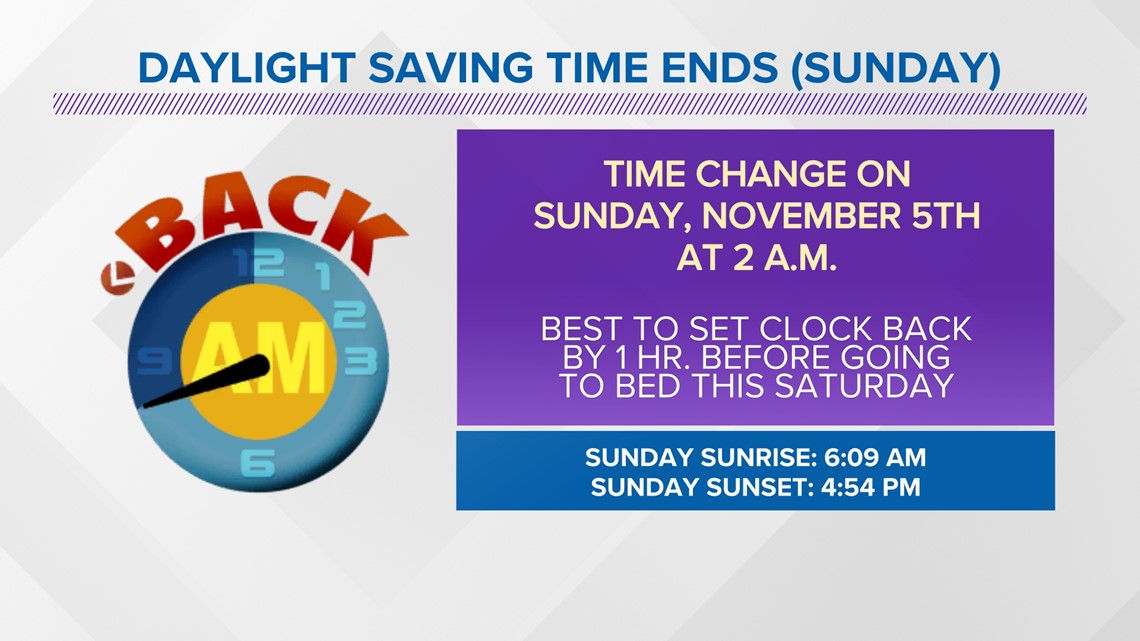
Currently, California adheres to the federal standard for Daylight Saving Time. This means clocks spring forward one hour on the second Sunday in March and fall back one hour on the first Sunday in November. During the spring and summer months, the state operates on Pacific Daylight Time (PDT), which is UTC-7. In the fall and winter, it reverts to Pacific Standard Time (PST), or UTC-8. This biannual clock change impacts millions of people, from students attending classes to tourists exploring world-renowned landmarks.
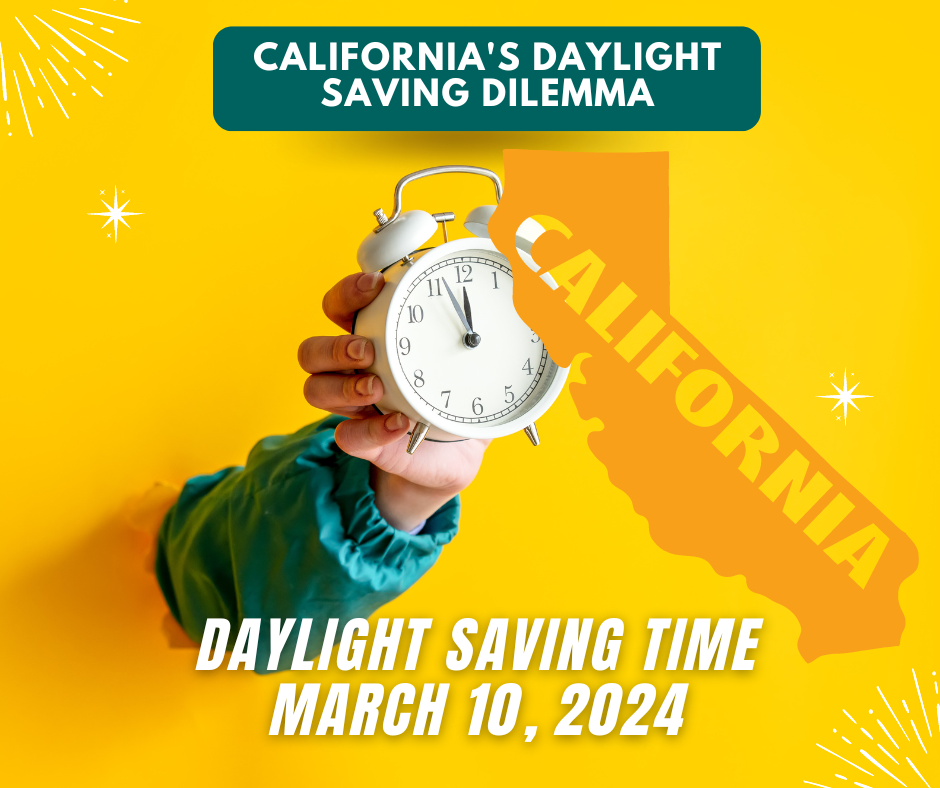
The history of DST in California is intertwined with broader national trends. The concept gained traction during World War I and was standardized federally with the Uniform Time Act of 1966 in the United States. However, the discussion around DST in California gained renewed vigor in recent years. In 2018, voters approved Proposition 7, which gave the state legislature the power to change DST laws. The proposition opened the door for California to potentially abolish DST or adopt permanent DST, provided it aligns with federal law. Despite the popular vote, legislative efforts to implement a permanent change have faced hurdles, leaving the state’s clock-changing tradition intact for now. This situation creates a dynamic where travelers must remain aware of the current observation of DST, even as the conversation about its future continues. Neighboring states like Arizona and Hawaii famously do not observe DST, adding another layer of complexity for those traveling across state lines.
How DST Affects Daily Life and Local Businesses
The shift to and from Daylight Saving Time has a tangible impact on the daily rhythms of life in California. For residents, it means adjusting sleep schedules, managing childcare, and potentially altering morning routines. The “spring forward” can lead to a temporary loss of sleep for many, with some studies linking it to short-term health impacts. Conversely, the “fall back” grants an extra hour of sleep, though it also brings earlier sunsets.
Local businesses, particularly those in the tourism and hospitality sectors, experience unique effects. Longer daylight hours during PDT can boost evening activities, benefiting restaurants, entertainment venues, and outdoor attractions like the Santa Monica Pier or wineries in Napa Valley. Tourists are often more inclined to extend their sightseeing or dining experiences when there’s natural light available. Hotels and resorts, from the iconic Hotel del Coronado in San Diego to luxury accommodations in Beverly Hills, might see guests staying out later, enhancing their overall experience. However, industries with extensive inter-state operations, such as transportation and logistics, face coordination challenges, as they must synchronize with states that may or may not observe DST, or those in different time zones like Nevada or Oregon. The debate over energy savings, a primary historical justification for DST, also continues, with modern research offering mixed conclusions on its actual efficacy.
Navigating California’s Time Change as a Traveler
For anyone planning a trip to California, understanding and preparing for Daylight Saving Time is a small but significant detail that can enhance your travel experience.
Planning Your Trip: Before and After the Clock Change
When booking flights, accommodations, and tours, especially around the second Sunday in March or the first Sunday in November, it’s paramount to be aware of the DST transition dates. Airlines and major transportation services typically adjust their schedules automatically, but it’s always wise to double-check confirmation times. A flight arriving an hour earlier or later than anticipated due to a miscalculation can throw off carefully planned itineraries. Similarly, hotel check-in times, guided tours, and restaurant reservations will all adhere to the prevailing time. Missing a booked experience because of a one-hour discrepancy, such as a visit to Alcatraz Island or a tour of Universal Studios Hollywood, can be a frustrating setback.
International travelers, or those arriving from parts of the United States that do not observe DST, should also consider the potential for increased jet lag. The “spring forward” effectively means losing an hour, which can exacerbate the feeling of being out of sync with local time. Allowing an extra day for adjustment upon arrival, particularly if you have immediate plans requiring punctuality, can be beneficial. For instance, if you’re planning an early morning visit to Disneyland in Anaheim, ensure you factor in that initial adjustment period. Modern smartphones and smart devices usually update automatically, but it’s a good practice to manually verify the time upon waking, especially on the mornings of the changeovers.
Maximizing Your Experience: Travel Tips for DST in California
Understanding DST allows travelers to strategically plan their activities and make the most of their visit. During the spring and summer months, when California observes PDT, the longer daylight hours are a boon for sightseeing and outdoor adventures. Imagine watching the sunset paint the Golden Gate Bridge in hues of orange and purple well into the evening, or enjoying an extended hike in Redwood National Park without rushing back before dark. These extra hours of natural light are perfect for exploring coastal cities like Monterey and Carmel-by-the-Sea, or taking scenic drives along Highway 1. Many attractions, like the Griffith Observatory in Los Angeles, adjust their hours to leverage this extended daylight, offering unique evening experiences.
Conversely, during the fall and winter when PST is in effect, travelers should anticipate earlier sunsets. This might mean scheduling outdoor activities, such as exploring Golden Gate Park or visiting La Jolla Cove in San Diego, earlier in the day. However, earlier darkness also opens up opportunities for different kinds of experiences, such as enjoying California’s vibrant nightlife, attending evening performances, or stargazing in less light-polluted areas. Destinations like Sacramento, with its historic Old Town, often have unique evening ambiance. Always double-check the operating hours of attractions, museums like the Getty Center, and dining establishments, as these can vary seasonally and with the time change. Keeping a portable charger handy for your phone, which serves as your clock, map, and reservation manager, is always a smart move.

The Future of Daylight Saving Time in California
The debate over Daylight Saving Time is not unique to California; it’s a recurring conversation across the United States and globally.
The Ongoing Debate: To Change or Not to Change?
As mentioned, the passage of Proposition 7 in 2018 signaled a clear desire from California voters to re-evaluate the state’s approach to DST. While the proposition granted the legislature the authority to make changes, it did not mandate them. Subsequent legislative attempts to establish permanent DST or permanent standard time have stalled, primarily due to complex federal requirements. For California to adopt permanent DST, it would require an act of Congress to amend the Uniform Time Act of 1966. Legislation like the “Sunshine Protection Act,” which proposes permanent DST for the entire United States, has been considered at the federal level, passing the Senate but not the House in 2022.
The arguments for and against permanent changes are multifaceted. Proponents of permanent DST advocate for more daylight in the evenings, citing potential benefits for public safety (fewer accidents), energy conservation (reduced need for artificial lighting), and economic boosts for tourism and retail. Imagine an extra hour of daylight for outdoor dining in Hollywood or strolling along the beaches of Orange County. Conversely, critics argue that permanent DST would lead to darker mornings, particularly in winter, potentially impacting school children waiting for buses and commuters. They also point to health concerns related to circadian rhythm disruption. Arguments for permanent standard time center on promoting consistency and potentially better aligning human biology with natural light cycles, although this would result in earlier sunsets during the summer.
Potential Impacts on Tourism and Lifestyle
Should California eventually transition to permanent DST, the impacts on its tourism industry and residents’ lifestyles could be significant. For tourists, an extended period of evening daylight could further enhance the appeal of California as a destination. Visitors would have more flexibility for post-dinner strolls, evening excursions to places like the San Diego Zoo, or simply enjoying the balmy California evenings. This could lead to increased visitor spending in evening entertainment, dining, and hospitality sectors. Hotels, resorts, and vacation rentals could see higher demand for amenities that cater to evening activities.
On the other hand, if California were to adopt permanent standard time, the earlier sunsets during the summer months might shift tourist activities to earlier in the day. While still offering ample daylight, the psychological effect of darkness setting in earlier could alter how visitors perceive and plan their leisure time. For residents, lifestyle changes would revolve around adjusted work commutes, school schedules, and family routines. The shift would have to be carefully managed to minimize disruption and maximize benefits. Regardless of the outcome, any permanent change would require thoughtful planning and coordination across various sectors, ensuring that California continues to offer an exceptional experience for both its residents and the millions of travelers it welcomes each year. The state’s unique geography, stretching from the desert regions to the northern coast, means that the impact of time changes can vary dramatically across its diverse landscapes.
In conclusion, while the debate over Daylight Saving Time in California continues to unfold, the present reality is clear: the Golden State does observe DST. For travelers, this means adjusting to the biannual clock changes and leveraging the longer daylight hours in the warmer months. By staying informed and planning accordingly, visitors can ensure that their focus remains on soaking in the unparalleled beauty, adventure, and culture that California has to offer, without missing a single moment.