
The allure of California is undeniable – sun-drenched beaches, iconic cities like Los Angeles and San Francisco, and breathtaking coastal drives along Highway 1. Millions flock to its shores annually, drawn by the promise of adventure and relaxation. However, a natural question often arises for those planning a visit, especially to the scenic California coast: what about tsunamis? The simple answer is yes, California does experience tsunamis, but understanding the nature of this risk is crucial for any traveler. While the state is well-known for earthquakes, the threat of a devastating tsunami directly impacting its shores is relatively low, primarily due to the type of seismic activity prevalent in the region. Most significant tsunami threats to California originate thousands of miles away across the Pacific Ocean. For the informed traveler, awareness and preparedness, rather than fear, are the keys to safely enjoying this spectacular destination.
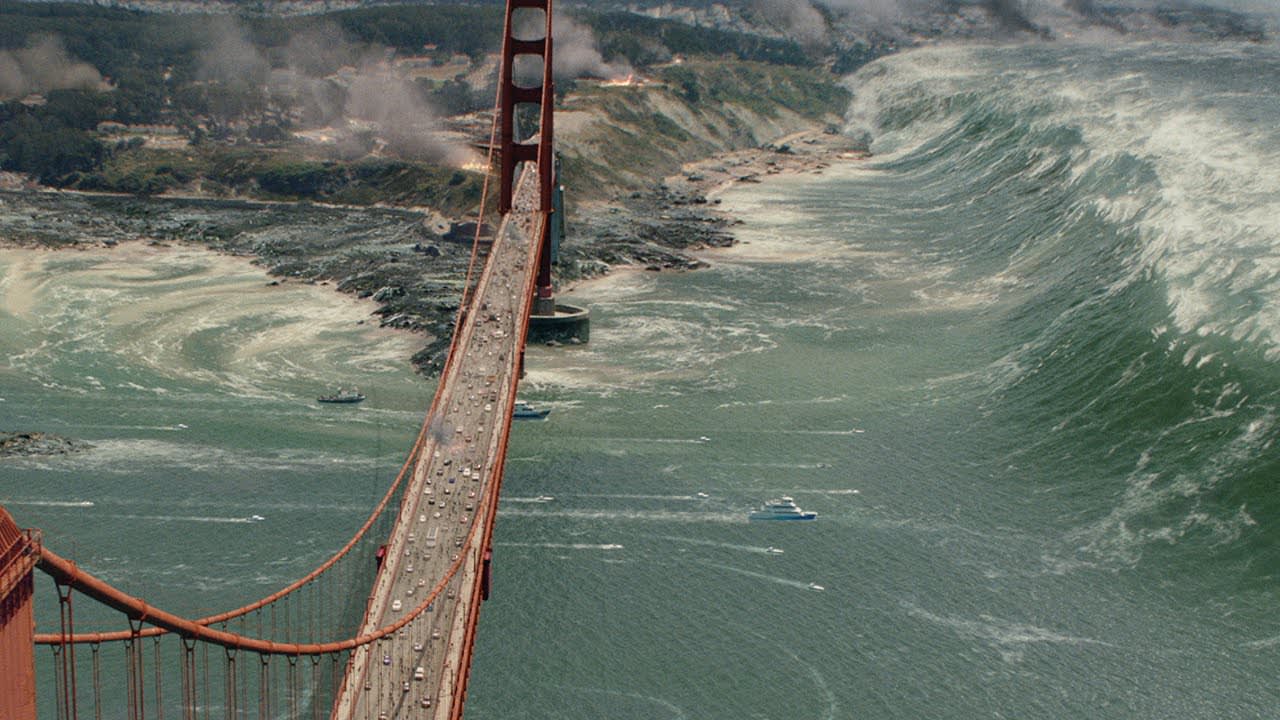
Understanding Tsunami Risk in California
To truly grasp the tsunami situation in California, it’s important to differentiate between the various types of tsunamis and their sources. This context empowers travelers to understand the actual level of risk and how to react if an event were to occur.
Geological Context and Causes
California sits on the geologically active Pacific Ring of Fire, a zone known for frequent earthquakes and volcanic eruptions. However, most California earthquakes occur along strike-slip faults, like the infamous San Andreas Fault. These faults involve horizontal movement of tectonic plates, which typically do not displace enough water to generate significant tsunamis.
The primary tsunami threat to California comes from distant, powerful subduction zone earthquakes, particularly those occurring across the Pacific Ocean. When one tectonic plate slides beneath another (subduction), it can cause massive vertical displacement of the seafloor, generating enormous tsunamis that can travel thousands of miles. Regions like Alaska, the Aleutian Islands, Japan, Chile, and the Philippines are all potential distant sources. These distant events allow for warning systems to activate and provide precious hours for coastal communities in California to prepare and evacuate.
Local tsunamis, while rare, can also be triggered by submarine landslides or, less commonly, by a large earthquake on a thrust fault directly offshore. The Cascadia Subduction Zone, stretching from northern California up to British Columbia, poses the most significant threat for a local, potentially very destructive tsunami. While geologically quiet for centuries, it is known to generate mega-thrust earthquakes periodically, the last significant one occurring in 1700. Such an event would provide very little warning time, emphasizing the need for immediate action upon feeling a strong earthquake in coastal areas.
Historical Occurrences
California’s history includes several documented tsunami impacts, though most have been relatively minor. The most significant event occurred in March 1964, following a magnitude 9.2 Alaska earthquake – the second-largest ever recorded. This distant tsunami caused severe damage and fatalities in Crescent City in northern California, which experienced multiple destructive waves. Other notable but less damaging events include:
- 1946 Aleutian Islands Tsunami: Caused minor damage along the California coast.
- 1960 Chile Tsunami: Generated by a magnitude 9.5 earthquake, it produced moderate surges in California, causing some harbor damage.
- 2011 Japan Tsunami: While devastating to Japan, this tsunami primarily caused dangerous currents and some harbor damage in California, notably affecting Santa Cruz and Crescent City harbors.
These events underscore that while destructive local tsunamis are rare, distant ones can certainly impact the California coast, necessitating effective warning systems and public awareness.
Official Warning Systems and Preparedness for Travelers
California has robust systems in place to monitor tsunami threats and inform the public. Travelers should be aware of these mechanisms to ensure their safety.
The Tsunami Warning System
The primary authority for tsunami alerts affecting California is the National Weather Service (NWS) through the National Oceanic and Atmospheric Administration (NOAA). The West Coast/Alaska Tsunami Warning Center (WC/ATWC), based in Palmer, Alaska, monitors seismic activity across the Pacific Rim and issues tsunami watches, advisories, or warnings.
- Tsunami Watch: Issued when a potential tsunami-generating event has occurred, providing time to prepare.
- Tsunami Advisory: Indicates that a tsunami with the potential for strong currents or waves dangerous to those in or near the water is expected. People should stay out of the water and away from beaches and harbors.
- Tsunami Warning: The highest level of alert, indicating that a dangerous tsunami is imminent or expected. Full evacuation of coastal areas is recommended.
These alerts are disseminated through various channels, including local media, emergency alert systems (like the Wireless Emergency Alert – WEA system on cell phones), and sirens in some communities.
Community Readiness
Coastal communities in California are actively engaged in tsunami preparedness. Many participate in the NOAA “Tsunami Ready” program, which certifies communities that have developed robust response plans. This includes:
- Tsunami Evacuation Routes: Clearly marked routes guide people to higher ground. These are often designated with blue and white signs depicting a wave and an arrow.
- Designated Safe Zones: Areas identified as being above the expected inundation level.
- Public Education: Informational materials and drills for residents and businesses.
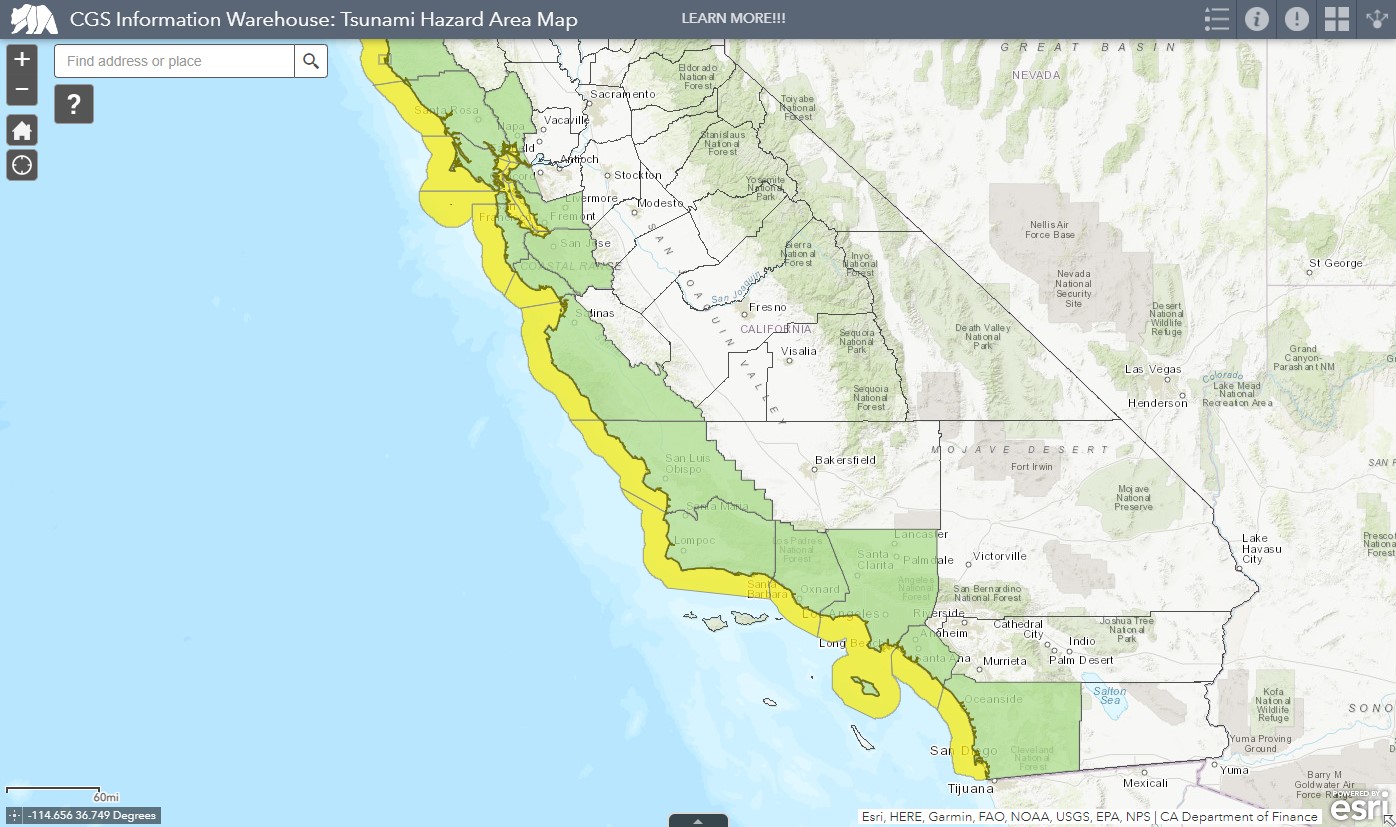
As a traveler, observing these signs and being aware of the general direction of higher ground can be immensely helpful.
Traveler’s Checklist for Coastal Visits
For those exploring California’s stunning coastline, a few simple precautions can enhance safety:
- Know Your Surroundings: Upon arrival at any coastal destination, quickly identify potential evacuation routes and the general direction of higher ground. Look for tsunami hazard zone signs.
- Recognize Natural Warning Signs:
- A strong earthquake: If you are in a coastal area and experience an earthquake strong enough to make it difficult to stand, immediately move to higher ground, even if no official warning has been issued.
- A sudden and noticeable rise or fall in sea level: This can precede the arrival of a tsunami.
- A loud ocean roar: Similar to a freight train, this sound can indicate an approaching tsunami.
- Heed Official Warnings: If a tsunami watch, advisory, or warning is issued, or if you are told to evacuate by local authorities, do so immediately and without hesitation. Follow designated routes.
- Stay Informed: Keep an eye on local weather forecasts and news, especially if visiting during periods of seismic activity elsewhere in the Pacific. Many hotels and accommodations also provide emergency information.
Experiencing California’s Coastline Responsibly
Armed with knowledge and a bit of preparedness, travelers can fully immerse themselves in the unparalleled beauty and recreational opportunities of the California coast with confidence.
Popular Coastal Destinations and Awareness
From the sunny beaches of San Diego and Orange County to the rugged cliffs of Big Sur and the charming towns of Mendocino, California offers diverse coastal experiences. Whether you’re planning to surf in Malibu, visit the piers of Santa Monica, explore the marine life in Monterey Bay, or stroll through San Francisco’s waterfront, understanding the minimal but present tsunami risk becomes part of being a responsible traveler.
The beauty of the California coastline is immense, and its enjoyment should not be overshadowed by undue anxiety. Instead, knowing the safety protocols allows for a deeper appreciation of the destination, empowering travelers to focus on the experience rather than fear.
Safety While Engaging in Coastal Activities
Engaging in activities like surfing, kayaking, paddleboarding, or simply walking on the beach requires constant awareness of ocean conditions. While the focus here is on tsunamis, it’s crucial to remember that general ocean safety rules apply. Even a small tsunami surge can create incredibly strong and dangerous currents, capable of sweeping people out to sea or causing significant injury. Always obey warning flags, lifeguard instructions, and posted signs regarding rip currents and sneaker waves, which are far more common hazards than tsunamis. If an advisory or warning is issued, stay out of the water and away from beaches, harbors, and estuaries until authorities declare it safe.
Empowering Your Travel Experience
Rather than viewing tsunami awareness as a deterrent, consider it a tool that enhances your travel experience. Being informed about natural phenomena is a hallmark of a seasoned and responsible traveler. It allows you to explore destinations like California with a sense of security, knowing you are prepared for various eventualities. The vast majority of coastal visits will be entirely free of tsunami-related incidents, allowing you to fully soak in the sun, surf, and stunning vistas that make California a world-class travel destination.
Addressing Common Misconceptions
Dispelling common myths surrounding tsunamis and California can further alleviate unnecessary concern and promote accurate understanding among travelers.
Local Earthquakes and Tsunamis
A prevalent misconception is that every strong earthquake in California will generate a tsunami. As discussed, the majority of California’s seismic activity comes from strike-slip faults, which typically do not create tsunamis. While large thrust-fault earthquakes directly offshore could generate a local tsunami, these are rare. The focus for travelers should be on immediate evacuation if a strong earthquake (making it difficult to stand) is felt while near the coast, as this is the most reliable natural warning for a local tsunami.
“Rogue Waves” vs. Tsunamis
Travelers often confuse “rogue waves” or “sneaker waves” with tsunamis. While both are dangerous, they are fundamentally different. Rogue waves are unusually large, unpredictable waves that can appear suddenly even on calm days, often associated with specific oceanographic conditions or bathymetry. They are a significant hazard on many California beaches and are responsible for many drownings and injuries annually. Tsunamis, in contrast, are a series of ocean waves caused by large-scale disturbances on the seafloor, affecting the entire water column, not just the surface. While both demand respect for the ocean, their origins and warning signs differ greatly. Always be aware of surf conditions and never turn your back on the ocean, regardless of tsunami risk.
Over-Dramatization
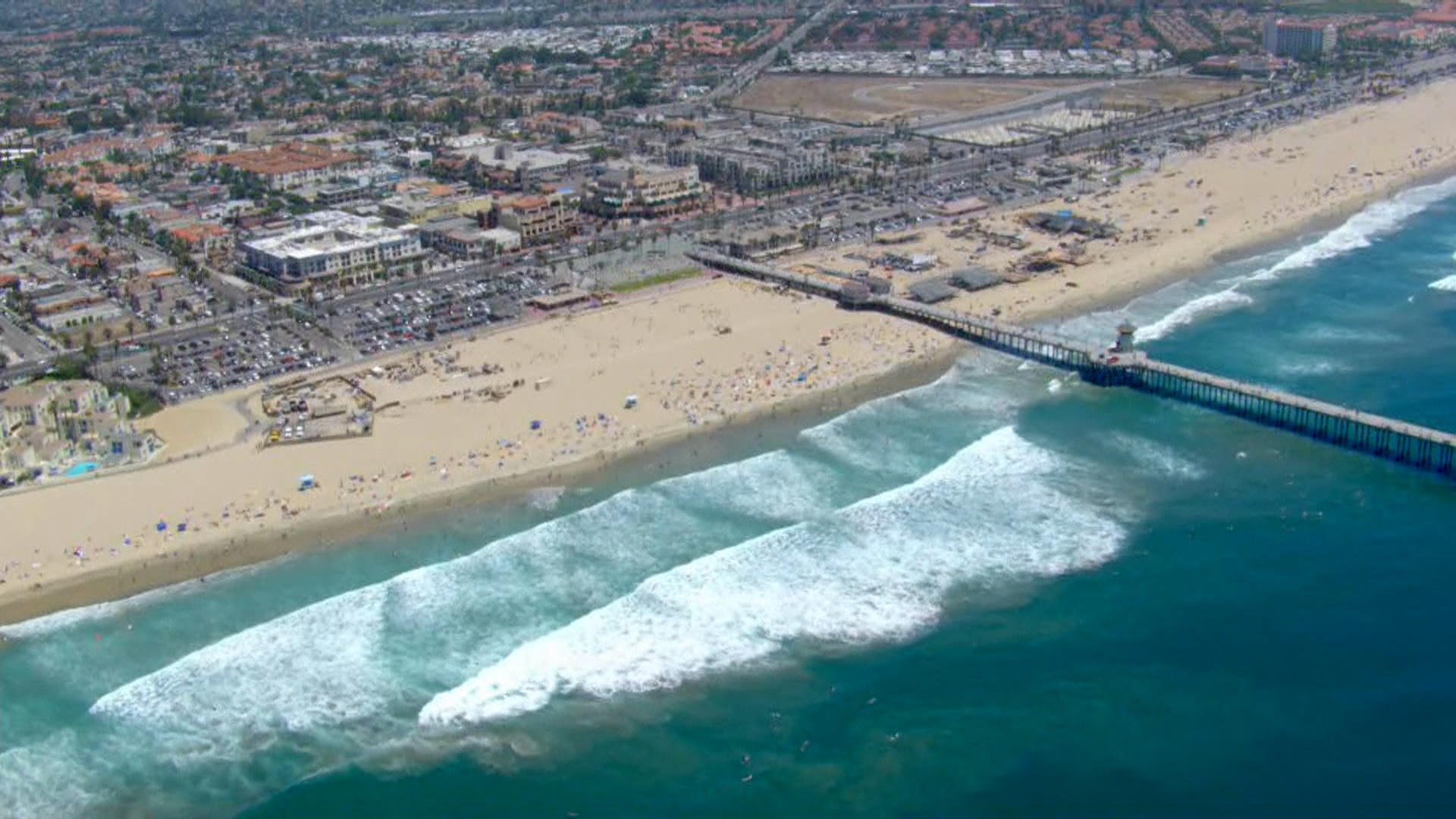
While it’s wise to be informed, it’s equally important not to over-dramatize the tsunami threat in California. For the vast majority of visitors, other travel-related concerns like traffic, sunburn, or even rip currents pose a much higher, more immediate risk. The infrequency of destructive tsunamis, combined with advanced warning systems and community preparedness, means that the overall risk for travelers is relatively low. Enjoying California’s coast involves a balanced approach: appreciating its beauty while being subtly aware of its natural dynamics.
LifeOutOfTheBox is a participant in the Amazon Services LLC Associates Program, an affiliate advertising program designed to provide a means for sites to earn advertising fees by advertising and linking to Amazon.com. Amazon, the Amazon logo, AmazonSupply, and the AmazonSupply logo are trademarks of Amazon.com, Inc. or its affiliates. As an Amazon Associate we earn affiliate commissions from qualifying purchases.