
Embarking on a journey through the Golden State, whether for a sun-soaked California vacation, a business trip, or a move, often brings with it a myriad of questions. Beyond planning your itinerary, securing the perfect accommodation in San Francisco or Los Angeles, and researching must-see landmarks like the Golden Gate Bridge or Disneyland Resort, one seemingly minor detail can significantly impact your travel experience: vehicle compliance. A common query, particularly for visitors from states or countries with different regulations, is about the necessity of a front license plate. The short answer for California is a resounding yes, but the nuances are essential for anyone navigating the state’s roads. Understanding this mandate isn’t just about avoiding a ticket; it’s about ensuring a smooth, hassle-free exploration of all the diverse travel and tourism opportunities California has to offer, from the bustling cityscapes to the serene national parks and picturesque coastal drives.

This guide will delve into the specifics of California’s front license plate law, exploring its legal foundation, practical implications for various drivers, potential exceptions, and how it fits into the broader context of enjoying a stress-free California lifestyle. Whether you’re planning a epic California road trip, renting a car for a weekend getaway, or considering a long-term stay, knowing these rules will prepare you for a seamless adventure across the West Coast.
The Definitive Answer: California’s Front Plate Mandate
At the core of the matter, the state of California unequivocally requires most vehicles to display both front and rear license plates. This isn’t merely a suggestion but a codified law, designed to serve multiple critical functions for public safety, law enforcement, and efficient urban management. For anyone planning to drive through iconic areas like Hollywood or along the breathtaking Pacific Coast Highway, understanding this mandate is the first step towards a compliant and enjoyable experience.
Understanding the California Vehicle Code
The legal backbone of this requirement is enshrined within the California Vehicle Code (CVC), specifically sections pertaining to vehicle registration and equipment. CVC 5200 states that “When two license plates are issued by the department for a vehicle, they shall be attached to the vehicle for which they were issued, one in front and one in the rear.” This is a clear directive, leaving little room for ambiguity for the vast majority of drivers. The purpose behind this dual plate system extends beyond mere identification. Front plates assist in automated toll collection (such as those for Fastrak on California bridges and express lanes), enhance parking enforcement efficiency in crowded city centers like Downtown LA, and are invaluable for law enforcement in identifying vehicles involved in accidents, crimes, or traffic violations. This system contributes to the overall order and safety of California’s sprawling network of roads and freeways, impacting everyone from daily commuters to international tourists visiting landmarks.
Who Needs a Front Plate? Residents, Rental Cars, and Visitors
The front license plate rule applies broadly to nearly all vehicles registered in California. This includes passenger cars, commercial vehicles, and most trucks. If you’re a permanent resident, your vehicle should almost certainly have both plates affixed. For tourists and visitors, the situation typically mirrors that of residents. When you rent a car from agencies at major hubs like Los Angeles International Airport or San Francisco International Airport, the vehicles provided will already be compliant with California law, equipped with both front and rear plates. This is a crucial point for international visitors or those flying in from other states, ensuring they can seamlessly begin their California adventure without immediate concern for vehicle compliance.
However, a common question arises for those driving into California from out of state. Generally, if your vehicle is legally registered in another U.S. state, Canada, or Mexico and complies with that jurisdiction’s license plate requirements, you are typically exempt from California’s front plate rule for the duration of your visit. This reciprocity is a standard practice across the United States, facilitating interstate travel. However, if you establish residency in California or if your stay extends beyond a temporary visit (typically defined, though flexibly, as more than 20 days for certain actions), you will be required to register your vehicle in California and thus comply with its front and rear plate mandate. This is especially relevant for those considering extended stays, perhaps for work or exploring multiple regions from San Diego to Lake Tahoe.
Navigating Exceptions and Exemptions
While the front license plate requirement in California is broadly applied, there are a few specific categories and situations where exceptions or unique considerations come into play. These are generally limited and often subject to specific criteria, but they are important for enthusiasts and those with particular vehicle types. Understanding these nuances can save a lot of headaches, especially for those who consider their vehicle an extension of their lifestyle or a passion project.
Specific Vehicle Types and Historical Waivers
Certain vehicle types may be exempt from the front license plate requirement. The most common exemption applies to vehicles for which the manufacturer did not provide a space or mechanism to display a front license plate, or where the design of the vehicle would be compromised. This typically refers to some older, classic, or custom-built vehicles. For instance, certain vintage cars or meticulously restored hot rods might genuinely lack an appropriate mounting area. Additionally, some high-performance exotic cars, like specific models of Ferrari or Lamborghini, have extremely aerodynamic or uniquely styled front ends that could be damaged or have their design severely altered by a traditional license plate mount. In these cases, the law allows for some discretion, though owners might still need to demonstrate that their vehicle falls under such an exception, often with official documentation or proof of design.
Furthermore, temporary operating permits or dealer plates for newly purchased vehicles also represent a transient exemption. When you purchase a new car in California, you’ll typically be issued a temporary paper plate to display in the rear window. While awaiting your permanent plates, which will include both front and rear, you are usually operating legally. This period allows for a grace window, during which you can still enjoy your new vehicle, perhaps taking it for a scenic drive through Napa Valley or down to Santa Barbara, without immediately worrying about a front plate.
The Personalized Plate Debate and Aesthetic Concerns
Beyond strict legal exemptions, a significant point of contention for many California drivers revolves around aesthetics, particularly for owners of luxury vehicles, sports cars, or those who invest in personalized license plates. Many drivers feel that a front plate detracts from the vehicle’s design, especially for models like a Tesla, Porsche, or other high-end makes where every curve and line is meticulously crafted. The desire to maintain a pristine, unobstructed front fascia leads some owners to seek alternatives or even disregard the law, often resorting to innovative (though not always legal) solutions.
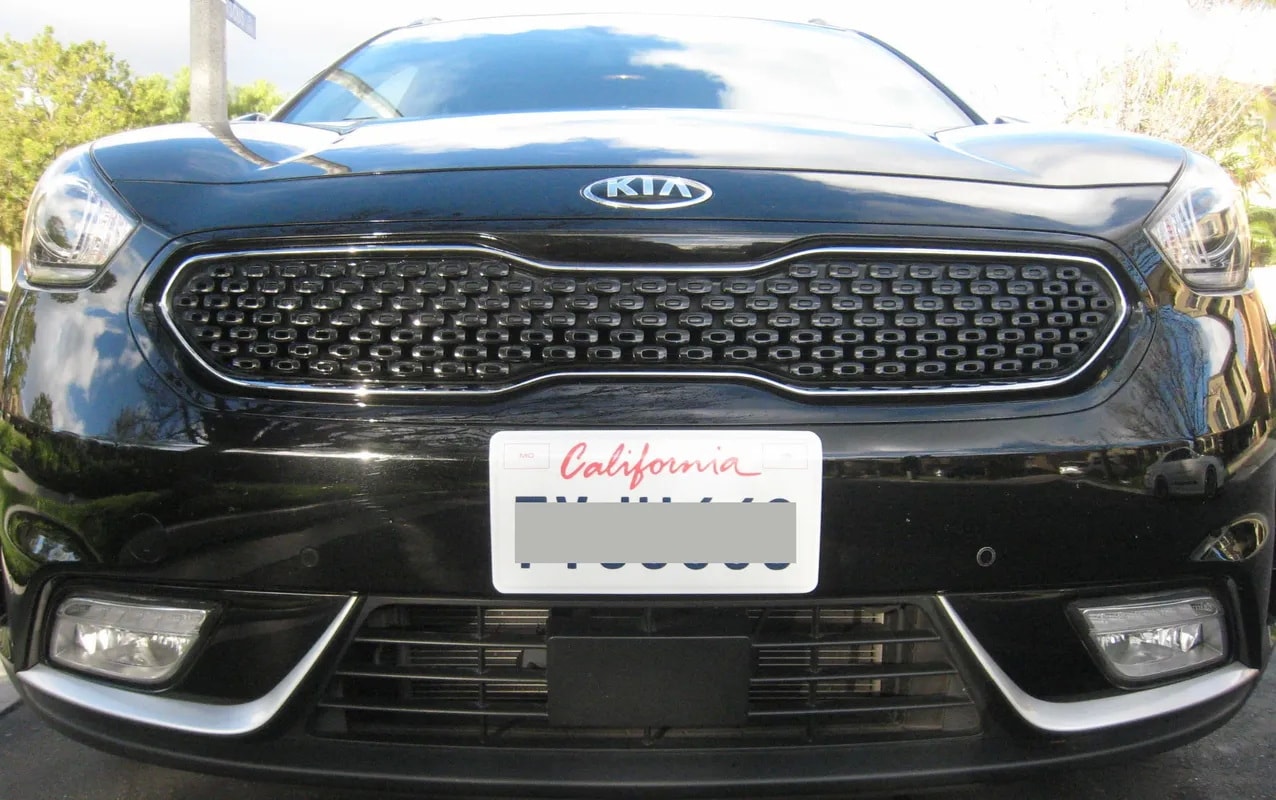
Some drivers attempt to use magnetic mounts, adhesive plates, or mounts that attach to tow hook receivers. While these might appear to address the aesthetic concern, they often fall into a legal gray area or outright violate the CVC if the plate is not permanently and securely affixed as required. The California Air Resources Board (CARB) has even piloted programs for flexible, adhesive front license plates for certain vehicles, demonstrating a recognition of these aesthetic concerns, but these are still specific programs and not a blanket exemption. For travelers considering purchasing or registering a vehicle in California, it’s crucial to prioritize compliance over aesthetics to avoid potential penalties. This is particularly true if your travel plans involve frequent parking in urban areas or navigating through regions with active law enforcement patrols.
Penalties, Enforcement, and What Travelers Need to Know
While the allure of California’s stunning destinations like Yosemite National Park, Big Sur, or the bustling streets of Beverly Hills often overshadow mundane legalities, overlooking the front license plate requirement can lead to unnecessary complications and expenses. Understanding the potential penalties and the vigilance of enforcement is key to a truly carefree California experience.
Consequences of Non-Compliance
Driving without a required front license plate in California is considered a “fix-it ticket” offense, also known as an “equipment violation.” This typically means that if you are cited, you have a period of time (usually a few weeks) to correct the violation by properly affixing the front plate and then showing proof to the court or a law enforcement agency. While the base fine for this type of infraction might seem relatively low (often around $25), the total cost can quickly escalate with administrative fees, court costs, and potential late penalties if not addressed promptly. It’s not uncommon for the total expense to reach well over $100 or even $200.
Beyond the monetary fine, receiving a fix-it ticket can be a significant inconvenience, especially for tourists on a tight schedule or those unfamiliar with California’s legal system. It might involve taking time out of your travel plans to find a license plate mount, install the plate, and then present proof of correction. For out-of-state visitors, dealing with a California citation from afar can be even more cumbersome. Moreover, repeated violations or a failure to correct the issue can lead to more serious penalties, potentially even impacting your ability to renew your vehicle registration in the future if you become a California resident. Law enforcement officers, particularly in highly visible tourist areas or during traffic stops for other infractions, are trained to look for such violations, making it an easy reason for a stop.
Practical Advice for Tourists and Road Trippers
For anyone planning a California adventure, from a family trip to Anaheim to a solo exploration of the Mojave Desert, here’s practical advice to ensure your journey remains smooth and free of vehicle-related legal woes:
- Rental Cars: If you’re renting a car, rest assured that reputable rental agencies in California (such as those at LAX or SFO) will provide vehicles that are fully compliant with both front and rear license plates. Always do a quick visual check when picking up your vehicle to confirm both plates are present and securely fastened.
- Out-of-State Vehicles: If you’re driving your own vehicle from another state, you are generally covered by the reciprocity rule, meaning California will respect the laws of your home state. If your home state only requires a rear plate, you are typically safe. However, be mindful if you plan an extended stay that might transition into residency, as you’d then need to register your vehicle in California and acquire both plates.
- New California Residents: If you’re moving to California, make vehicle registration one of your top priorities. You typically have 20 days to register your out-of-state vehicle once you become a resident. During this process, you will be issued California plates, including the required front plate.
- Parking Enforcement: Be aware that parking enforcement officers in cities like San Francisco, Los Angeles, or San Diego are also vigilant about license plate compliance. A missing front plate could lead to a parking citation in addition to or separate from a moving violation. This is particularly relevant when navigating complex urban parking situations near popular attractions like Pier 39 or Santa Monica Pier.
- Vehicle Purchase Considerations: If you are considering purchasing a vehicle in California, or from a dealer that frequently sells to California residents, ensure that the vehicle has a proper mounting point for a front license plate. Most modern vehicles from manufacturers like Ford, Chevrolet, Toyota, and Honda are designed with this in mind.
By taking these simple precautions, you can focus on the extraordinary experiences that await you, from exploring the natural wonders of Joshua Tree National Park or the Sierra Nevada mountains, to enjoying the vibrant cultural scenes in Sacramento or Palm Springs, without the stress of legal issues.
Beyond the Law: The Broader Travel and Lifestyle Impact
While the legal requirement for a front license plate might initially seem like a bureaucratic detail, its implications extend into the heart of the California travel and lifestyle experience. From seamless navigation on scenic routes to convenient access to urban attractions, compliance with this rule can subtly enhance your overall journey. It’s about more than just avoiding a fine; it’s about enjoying the freedom of the open road and the vibrancy of California’s diverse regions without unnecessary interruptions.
Enhancing Your California Road Trip Experience
California is synonymous with the ultimate road trip. Imagine cruising down Highway 1 with the Pacific Ocean shimmering beside you, or venturing into the vast landscapes of Death Valley National Park. These experiences are best enjoyed when you can fully immerse yourself in the scenery, not worrying about an unexpected police stop. A properly displayed front license plate ensures that you can focus on the drive, the views, and the next exciting stop, whether it’s the Monterey Bay Aquarium or the quaint charm of Carmel-by-the-Sea.
Beyond law enforcement, front license plates play a practical role in California’s modern transportation infrastructure. Many toll roads, bridges (like the Golden Gate Bridge), and express lanes utilize automated plate recognition systems to charge tolls. While Fastrak transponders are common, a clear front plate ensures that even if you don’t have a transponder, your vehicle can be accurately identified and billed, preventing potential fines for unpaid tolls. This seamless interaction with the state’s infrastructure is vital for exploring varied regions, from the vineyards of Napa Valley to the majestic trees of Sequoia National Park and Kings Canyon National Park.

Accommodating the Rules in Your California Lifestyle
For those embracing the California lifestyle, whether residing in the vibrant Silicon Valley or enjoying the sun-drenched beaches of Venice Beach, vehicle compliance becomes a routine aspect of daily life. From parking at luxury hotels in Beverly Hills to navigating the bustling streets around Universal Studios Hollywood in Universal City, a properly plated vehicle is simply part of the expected order. It minimizes the chances of unwanted attention from parking enforcement or local police, allowing you to focus on the cultural experiences at the Getty Center, the history of Alcatraz Island, or the glamour of the Hollywood Walk of Fame and TCL Chinese Theatre.
Even for those who pride themselves on unique vehicle customization or owning high-end sports cars, finding a compliant solution for the front plate is an investment in peace of mind. Many dealerships and aftermarket accessory providers offer discreet or removable mounting options that adhere to the spirit of the law while respecting vehicle aesthetics. This small effort ensures that your travels and daily commutes through cities like La Jolla or visits to landmarks like Griffith Observatory and Hearst Castle are as smooth and enjoyable as the diverse landscapes of California itself. It’s about seamlessly integrating into the state’s regulations, whether you’re here for a short retreat at a sophisticated hotel or for a lifetime of exploring the endless opportunities the Golden State offers.
In conclusion, the question “Does California require a front license plate?” is best answered with a clear understanding of the law and its practical implications for residents and visitors alike. While exceptions exist, the general rule is to display both front and rear plates on your vehicle. By adhering to this simple regulation, you pave the way for a more enjoyable, stress-free, and memorable journey through one of the United States’ most iconic and diverse states, allowing you to fully embrace its unique blend of adventure, culture, and natural beauty without a single legal hiccup.
LifeOutOfTheBox is a participant in the Amazon Services LLC Associates Program, an affiliate advertising program designed to provide a means for sites to earn advertising fees by advertising and linking to Amazon.com. Amazon, the Amazon logo, AmazonSupply, and the AmazonSupply logo are trademarks of Amazon.com, Inc. or its affiliates. As an Amazon Associate we earn affiliate commissions from qualifying purchases.