
Navigating the intricacies of employment benefits is a cornerstone of establishing a stable and secure lifestyle, especially when considering a move or extended stay in a dynamic region like California. Understanding how critical provisions such as paid sick leave are structured, particularly concerning rollover policies, can significantly impact one’s financial well-being and overall peace of mind. For those planning a long-term residency, a business stay, or simply seeking to understand the fabric of worker protections in the Golden State, deciphering California’s sick pay laws is essential.
Understanding California’s Paid Sick Leave Landscape
California’s commitment to worker welfare is exemplified by its robust paid sick leave laws, primarily governed by the Healthy Workplaces, Healthy Families Act of 2014 (AB 1522), and subsequently amended by AB 304 and SB 616. This legislation mandates that most employees in California are entitled to paid sick leave, offering a crucial safety net that supports health and family responsibilities without immediate financial penalty.
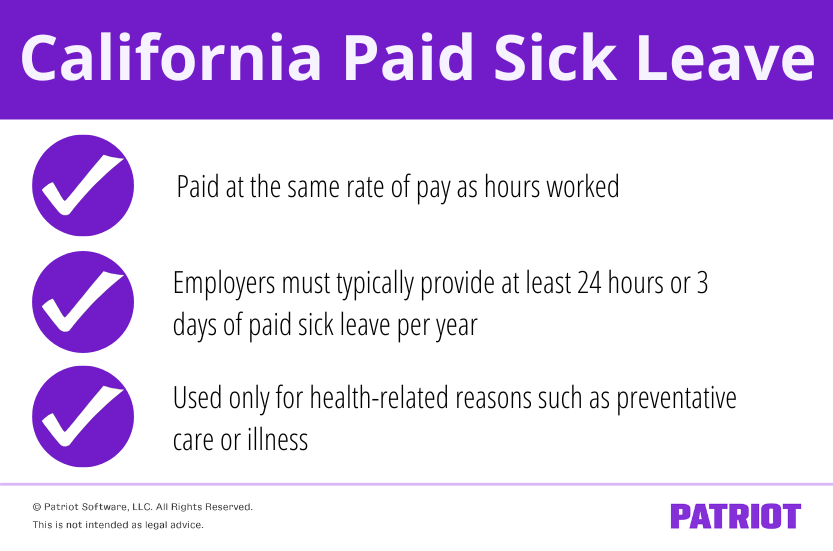
For individuals establishing a lifestyle in California, this law isn’t just a legal provision; it’s a fundamental aspect of daily life planning. It ensures that when illness strikes, or a family member needs care, or even in situations involving domestic violence, sexual assault, or stalking, employees can take necessary time off without losing wages. This security contributes profoundly to a less stressful, more manageable lifestyle, allowing residents to focus on recovery and care rather than economic hardship. Understanding these provisions is vital for anyone assessing the livability and employment environment of California. It’s about more than just a benefit; it’s about the ability to maintain health, support family, and navigate life’s inevitable challenges with a degree of stability, which is paramount for a fulfilling “life out of the box.”
The Mechanics of Accrual and Rollover
The core question regarding sick pay often revolves around how it accumulates and, critically, whether unused hours carry over from one year to the next. California’s law is quite specific on these points, aiming to provide consistency and fairness across diverse employment settings.
Accrual Methods
Under state law, employees generally accrue paid sick leave at a rate of at least one hour for every 30 hours worked. This accrual begins on the first day of employment or on January 1, 2015, whichever is later. This method ensures that even part-time employees or those with varying schedules can steadily accumulate sick leave. However, employers have alternative methods they can employ:
- Front-Loading: An employer can choose to provide the full amount of sick leave (at least 24 hours or 3 days) at the beginning of the year of employment, calendar year, or 12-month period. This can simplify administration and provide employees with immediate access to their full allotment.
- Other Accrual Bases: While less common for standard sick pay, some employers, particularly those with collective bargaining agreements, might have different accrual schedules, provided they meet or exceed the state’s minimum requirements for both accrual and use.
The chosen method of accrual directly impacts an individual’s planning. Front-loading offers immediate availability, while accrual over time provides a steady build-up. For those new to the California workforce, understanding their employer’s specific policy in conjunction with state law is key to managing their time off and personal well-being.
The Rollover Mandate
This is where the direct answer to the title question lies: Yes, California law generally requires that unused paid sick leave rolls over from one year to the next. This provision is crucial for employee financial security and health planning. It ensures that sick leave is not a “use it or lose it” benefit, which often incentivizes presenteeism (working while sick) and undermines public health. The rollover feature acknowledges that health needs are unpredictable and can accumulate over time, allowing employees to build a reserve for more significant illnesses or unforeseen family emergencies. This continuity provides a stable foundation for one’s lifestyle in California.
Caps and Limitations
While rollover is mandated, employers are permitted to place reasonable caps on the total amount of sick leave an employee can accrue and use.
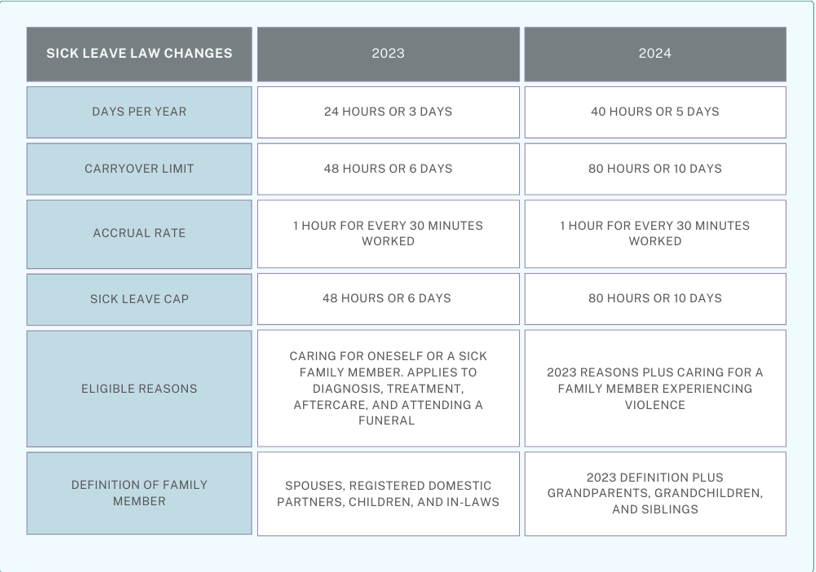
- Accrual Cap: Employers can cap the total amount of accrued sick leave at 80 hours (or 10 days). This means that once an employee reaches 80 accrued hours, they stop accruing new hours until they use some of their existing sick leave balance.
- Usage Cap: An employer can limit an employee’s use of paid sick leave to 24 hours (or 3 days) per year. This limit applies to how much sick leave an employee can take in a given 12-month period, regardless of how much they have accrued. The law changed slightly in 2024 to increase the usage cap to 40 hours or 5 days, or 80 hours or 10 days for industries specified under the legislation. It is important to check the current applicable legislation.
These caps represent a balance between employee protection and employer operational needs. For an individual, understanding these limits is crucial for strategic planning. Knowing that you can accrue up to 80 hours but might only be able to use a fraction of that in a single year means planning for longer-term health events is possible, but short-term flexibility is also managed. This directly impacts one’s ability to maintain a healthy lifestyle, offering security for significant health needs while managing annual usage.
Navigating Employer Policies and Exceptions
While California state law sets a clear baseline for paid sick leave, employers often have their own specific policies. Understanding the interplay between state mandates and company guidelines is essential for every employee.
Employer-Specific Policies
Employers in California are always free to offer more generous sick leave benefits than the state minimum, but they cannot offer less. This means that an employer might allow for a higher accrual rate, a more substantial annual usage cap, or even unlimited sick leave. For someone integrating into the California workforce, it is critical to thoroughly review their employer’s specific sick leave policy, often found in employee handbooks or collective bargaining agreements. These policies directly shape the employee’s lifestyle, impacting how they manage personal health, family care, and other life events. A more generous policy can significantly enhance peace of mind and flexibility, contributing to a better work-life balance.
Front-Loading vs. Accrual and Rollover
As mentioned, employers can front-load sick leave. If an employer chooses to front-load at least 24 hours (or 3 days) at the beginning of the year, they are generally not required to allow for rollover of unused sick leave beyond what is stipulated by the new legislation. However, with the increased minimums introduced by SB 616 (effective January 1, 2024), employers must front-load at least 40 hours (or 5 days) at the beginning of the year, or allow for accrual and rollover up to 80 hours (or 10 days) with a usage cap of 40 hours (or 5 days). This distinction is vital: if an employer front-loads the statutory minimum, the rollover requirement operates differently than for an accrual system. Employees should clarify with their HR department which method their employer uses and how it affects their ability to carry over unused time. This nuance can significantly affect long-term planning for health and personal time.
Collective Bargaining Agreements
Employees covered by a valid collective bargaining agreement (CBA) might find that their sick leave provisions differ from the general state law. CBAs often have their own specific rules regarding accrual, usage, and rollover of sick leave, which may vary depending on the industry and union negotiations. However, these agreements must still ensure that employees receive paid sick leave benefits that are generally comparable to or better than what the state law mandates. For individuals joining unionized workplaces in California, reviewing the CBA is the authoritative source for their sick leave entitlements.
Maximizing Your California Sick Leave for a Balanced Lifestyle
Understanding and effectively utilizing California’s sick leave provisions is more than just a legal compliance issue; it’s a strategic element for maintaining a balanced and healthy lifestyle in the state.
Planning for Health and Wellness
The rollover feature of California sick pay allows individuals to build up a reserve, which is invaluable for managing both anticipated and unexpected health needs. This reservoir of paid time off provides a critical buffer, enabling employees to seek medical attention, recover from illness, or attend to preventative care without the added stress of lost wages. For those embracing a California lifestyle, this means greater freedom to prioritize health, leading to better long-term wellness and productivity. It underpins the ability to thrive, knowing that your income stream has a built-in protection mechanism for health-related absences.
Family Care and Personal Needs
California’s sick leave law is intentionally broad in its definition of permissible uses. It extends beyond an employee’s personal illness to cover a range of family and personal needs. This includes caring for a sick family member (such as a child, spouse, parent, grandparent, grandchild, or sibling), attending medical appointments for oneself or a family member, or addressing issues related to domestic violence, sexual assault, or stalking. This comprehensive approach to sick leave reflects a progressive understanding of a balanced lifestyle, recognizing that personal well-being is deeply intertwined with family and safety. For individuals building a life in California, these provisions offer crucial support during challenging times, enabling them to uphold their responsibilities without compromising their financial stability or employment.
Impact on Long-Term Residency or Business Stays
For professionals considering extended business stays, or individuals planning to establish long-term residency in California, the sick leave laws contribute significantly to the overall attractiveness and feasibility of living in the state. The assurance of paid time off for health and family matters reduces the inherent risks associated with relocation and long-term commitments. It contributes to a sense of security and stability, which are vital factors for anyone making significant life decisions. This benefit becomes part of the wider “lifestyle package” that California offers, helping to mitigate uncertainties and fostering a more welcoming environment for residents and workers alike.
Key Takeaways for California Residents and Prospective Workers
To recap, for individuals navigating their professional and personal lives in California:
- Yes, California sick pay generally rolls over. This allows employees to accumulate unused sick leave from year to year.
- Employers can implement accrual and usage caps, which dictate how much sick leave can be saved and how much can be used in a given year. As of January 1, 2024, the usage cap is typically 40 hours or 5 days, and the accrual cap is 80 hours or 10 days.
- Employer policies may be more generous than state law but never less. Always consult your specific employer’s guidelines.
- Front-loading sick leave changes how rollover applies, so understand if your employer uses an accrual or front-loading system.
- Knowing your rights concerning paid sick leave is fundamental to maintaining a stable and healthy lifestyle in California, offering protection for personal illness, family care, and other critical life events.
For more detailed information and the most current regulations, employees are encouraged to consult official state resources, such as the California Department of Industrial Relations website. This proactive approach ensures you are fully informed and empowered to make the best decisions for your health and lifestyle in California.
LifeOutOfTheBox is a participant in the Amazon Services LLC Associates Program, an affiliate advertising program designed to provide a means for sites to earn advertising fees by advertising and linking to Amazon.com. Amazon, the Amazon logo, AmazonSupply, and the AmazonSupply logo are trademarks of Amazon.com, Inc. or its affiliates. As an Amazon Associate we earn affiliate commissions from qualifying purchases.