
When planning a visit to the vibrant metropolis of Chicago, a common question that arises for travelers is about its public transportation, particularly regarding a subway system. Many cities globally are synonymous with their underground networks, leading visitors to wonder how Chicago stacks up. The answer, in short, is yes, Chicago absolutely has an extensive and efficient public transit system that includes a significant subway component, though it’s far more famous for its iconic elevated trains, collectively known as the ‘L’. This unique blend of subterranean and overhead rail lines makes navigating the Windy City not only convenient but also an integral part of the Chicago experience.
Understanding Chicago’s transit network is key to unlocking the city’s myriad attractions, from world-class museums to bustling neighborhoods and architectural marvels. For anyone looking to immerse themselves in local culture, savor diverse culinary delights, or explore famous landmarks, mastering the ‘L’ is an invaluable skill. This guide will delve into the intricacies of Chicago’s public transportation, offering insights for every type of traveler, whether you’re on a luxury getaway, a budget-conscious adventure, a family trip, or a business stay.
Navigating the Windy City: Understanding Chicago’s Public Transit
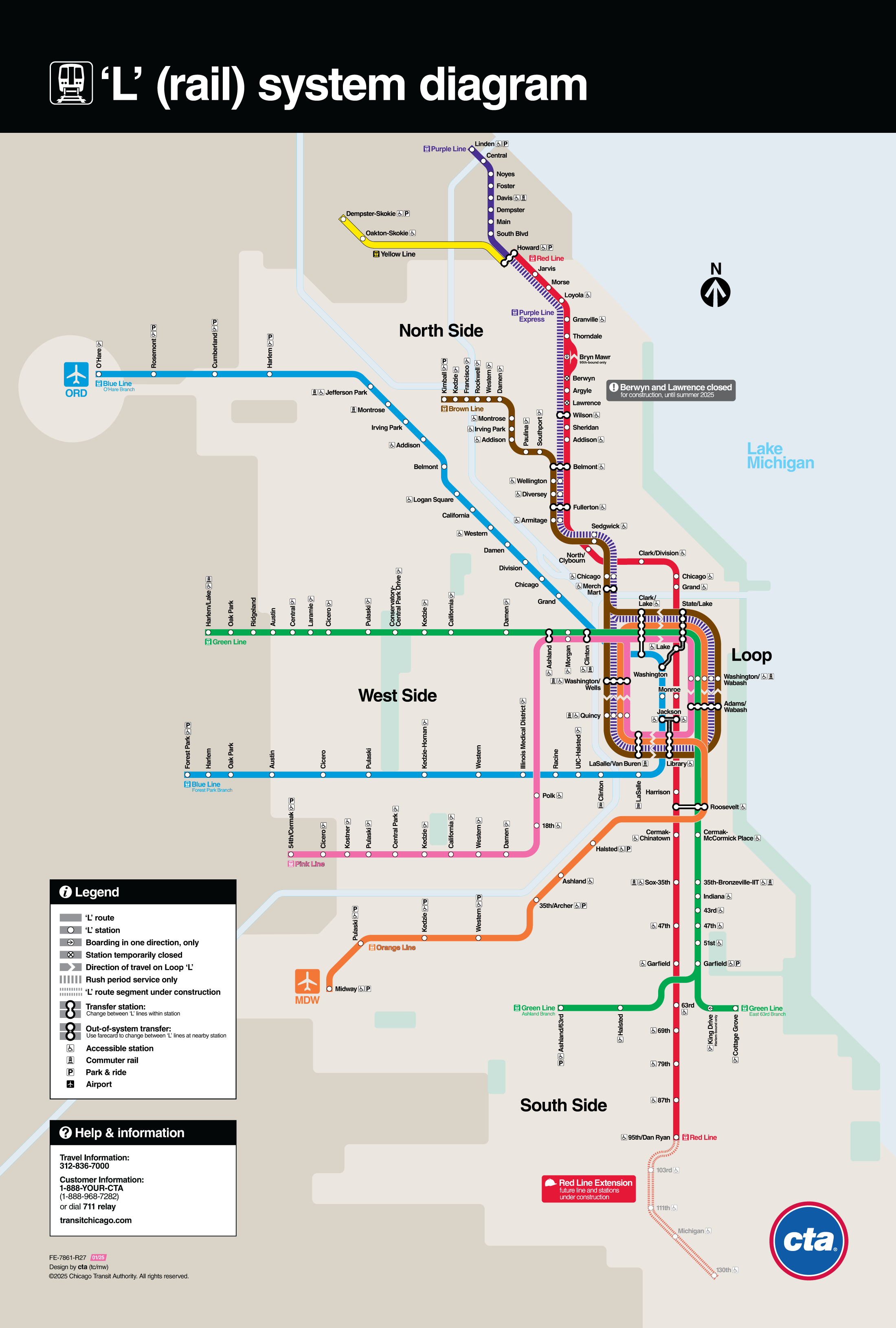
At the heart of Chicago’s public transportation infrastructure is the Chicago Transit Authority (CTA), one of the largest public transit systems in the United States. The CTA operates an extensive network of buses and rail lines, with the rail system colloquially known as the ‘L’ – short for ‘elevated’. While much of the ‘L’ runs above ground, offering panoramic views of the city, a significant portion, especially within the downtown core of The Loop, runs underground, effectively functioning as a subway.
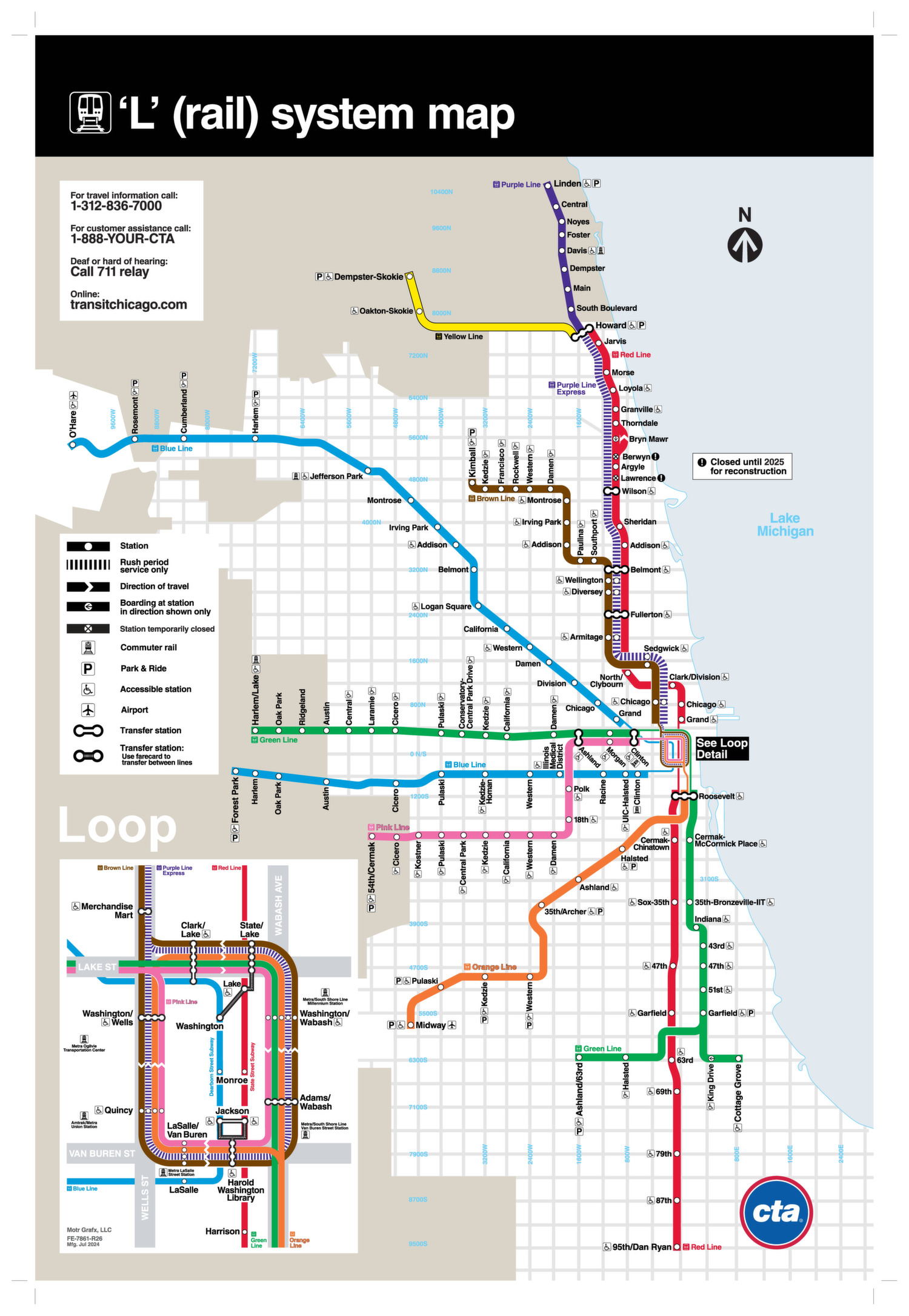
This dual nature is what often confuses newcomers. You might enter a subway station in the heart of The Loop and emerge minutes later onto an elevated platform with trains rumbling overhead. The ‘L’ lines are color-coded – Red, Blue, Brown, Green, Orange, Pink, Purple, and Yellow – each serving different parts of the city and its surrounding suburbs. The Red and Blue Lines are particularly crucial as they operate 24 hours a day, providing continuous service, a rarity among major transit systems. The Blue Line, in particular, offers direct access to O’Hare International Airport, while the Orange Line connects to Midway International Airport, making airport transfers incredibly convenient for travelers.
The ‘L’ System: More Than Just a Subway
The ‘L’ system is a defining characteristic of Chicago’s urban landscape. Its elevated tracks, winding through skyscrapers and historic buildings, offer a unique perspective on the city’s architecture and bustling street life. When you’re riding an elevated train, you’re not just commuting; you’re on a sightseeing tour, catching glimpses of diverse neighborhoods and iconic structures that are often missed at street level. The experience of rattling along above the traffic, with the city unfolding beneath you, is truly distinct.
However, the ‘L’ also seamlessly transitions into an underground subway in key areas. For instance, the Red Line, one of the busiest, travels beneath State Street and Dearborn Street in The Loop, providing quick access to numerous businesses, theaters, and shopping destinations without the visual intrusion of overhead tracks. Similarly, parts of the Blue Line run underground as it snakes from O’Hare through various West Side neighborhoods before diving into the core of downtown. So, while it’s not exclusively an underground subway, its integrated nature ensures that Chicago has a robust and efficient rail transit system that combines the best of both worlds.
A Brief History of Chicago’s Iconic ‘L’
The ‘L’ has a rich and storied history, with its first line opening in 1892. It was initially conceived to relieve congestion on Chicago’s burgeoning streets, connecting residential areas to the rapidly developing central business district. Over the decades, various independent elevated railway companies merged, eventually forming the comprehensive system managed by the CTA today. The construction of the subway portions came later, primarily in the 1940s and 1950s, to further alleviate congestion in the dense downtown area and enhance efficiency.
This blend of old and new, elevated and subway, reflects Chicago’s dynamic evolution as a major Midwest hub. The ‘L’ isn’t just a mode of transport; it’s a living landmark, a testament to the city’s innovative spirit and its continuous adaptation to the needs of its residents and visitors. Riding the ‘L’ is, in many ways, stepping back in time while simultaneously experiencing the pulse of modern Chicago.
Why the ‘L’ is Essential for Chicago Tourism and Travel
For tourists, the ‘L’ is more than just a means of getting around; it’s a gateway to authentic Chicago experiences. It offers an affordable, efficient, and often scenic way to traverse the city, minimizing the need for taxis or ride-shares, especially during peak traffic hours. Its extensive coverage means that most major attractions and popular neighborhoods are easily accessible.
Accessing Chicago’s Top Attractions by ‘L’
Virtually every major Chicago landmark or attraction is within walking distance of an ‘L’ station.
- Millennium Park and Grant Park: Home to the famous Cloud Gate (The Bean), Jay Pritzker Pavilion, and Buckingham Fountain, these parks are easily reached via multiple ‘L’ lines, including the Green, Pink, Brown, Orange, and Purple Lines to stations like Randolph/Wabash or Adams/Wabash.
- Art Institute of Chicago: A world-renowned museum, it’s a short walk from the same Loop ‘L’ stations.
- Museum Campus: Featuring the Field Museum, Shedd Aquarium, and Adler Planetarium, the Museum Campus is accessible via the Roosevelt station (Red, Green, Orange Lines), followed by a pleasant walk through Grant Park.
- Willis Tower (Skydeck Chicago): Reachable by the Blue Line (Quincy station) or Brown/Orange/Pink/Purple Lines (Adams/Wabash or Library/State/Van Buren).
- John Hancock Center (now 875 North Michigan Avenue) and 360 Chicago Observation Deck: Take the Red Line to Chicago station and walk east to the Magnificent Mile.
- Navy Pier: While not directly on an ‘L’ line, multiple ‘L’ stations in The Loop connect to CTA buses that run directly to the pier.
- Wrigleyville and Wrigley Field: The iconic home of the Chicago Cubs is a short walk from the Addison station on the Red Line.
- United Center: For sports fans, the United Center, home to the Chicago Bulls and Chicago Blackhawks, is served by the Pink and Green Lines to Ashland station, with an additional shuttle bus on game days.
- McCormick Place: The largest convention center in North America is easily accessed by the Green Line to the Cermak-McCormick Place station.
The ‘L’ allows travelers to efficiently move between these diverse destinations, maximizing their time in the city and minimizing transit stress.
Practical Tips for Riding the ‘L’
Navigating the ‘L’ is straightforward once you understand a few key things.
- Fares and the Ventra Card: The easiest way to pay for your ‘L’ and bus fares is with a Ventra Card. These reloadable cards can be purchased at vending machines in every ‘L’ station and at various retail locations. You can load money onto them or buy multi-day passes (1-day, 3-day, 7-day), which are excellent value for tourists planning extensive travel. Contactless payments are also accepted directly on buses and at turnstiles.
- Maps and Apps: CTA station platforms always have system maps, but it’s advisable to download a transit app (like Google Maps or the official CTA app) on your smartphone for real-time tracking, schedules, and route planning.
- Peak Hours: Like any major city, the ‘L’ can get crowded during weekday morning (7-9 AM) and evening (4-6 PM) rush hours. If you prefer a more relaxed ride, try to plan your travel around these times, though trains run frequently, so waits are usually short.
- Safety: The ‘L’ is generally safe, but like any urban transit system, it’s wise to be aware of your surroundings, especially late at night. Stick to well-lit, populated stations and avoid displaying expensive valuables.
The ‘L’ Experience: A Unique Perspective on the City
Riding the ‘L’ is an experience in itself. It’s a chance to blend in with locals, observe daily Chicago life, and see the city from a different vantage point. The rumble of the trains overhead, the flashes of cityscapes between buildings, and the diverse mix of people on board create a vibrant tapestry that defines the urban experience. For those interested in local culture, the ‘L’ offers an authentic slice of Chicago. It’s also an environmentally friendly choice for travel, aligning with a conscious lifestyle approach to tourism.
Beyond the ‘L’: Other Transit Options and Accommodation Considerations
While the ‘L’ forms the backbone of Chicago’s public transit, it’s complemented by other modes of transport that can enhance your travel experience and impact your accommodation choices.
Buses, Metra, and Water Taxis: Rounding Out Your Chicago Commute
- CTA Buses: The CTA also operates an extensive network of bus routes that fill in the gaps where the ‘L’ doesn’t reach or provide convenient connections for shorter distances. Buses are particularly useful for traversing areas like the Magnificent Mile or reaching destinations like Navy Pier. They accept Ventra Card payments, making transfers between ‘L’ and bus seamless.
- Metra Commuter Rail: For travelers venturing beyond the immediate city limits to surrounding suburbs, the Metra commuter rail system is the answer. It’s ideal for day trips to charming towns outside the CTA service area but generally not used for intra-city travel by tourists.
- Chicago Water Taxis: During warmer months, Chicago Water Taxis (e.g., Chicago Water Taxi by Wendella or Shoreline Sightseeing) offer a unique and scenic way to travel along the Chicago River between popular spots like Chinatown, River North, The Loop, and Navy Pier. While not a primary commuter option, they offer a delightful experience for tourists.
Choosing Your Chicago Accommodation with Transit in Mind
When booking hotels, suites, resorts, or apartments in Chicago, proximity to an ‘L’ station should be a significant factor, especially if you plan to explore extensively.
- The Loop and River North: These areas are transit hubs with numerous ‘L’ lines, making them excellent choices for accommodation. Hotels like the Kinzie Hotel, Virgin Hotels Chicago, Loews Chicago Hotel, W Hotel City Center, and Kimpton Gray Hotel offer convenient access. You’ll find a wide range of options, from luxury stays to more budget-friendly choices.
- Magnificent Mile/Streeterville: While slightly further from the main ‘L’ hubs, this upscale area has good bus connections and is walkable to Red Line stations. The Langham Chicago, Waldorf Astoria Chicago, and Peninsula Chicago are examples of luxury hotels here.
- Lincoln Park: For a more residential feel with access to parks and museums, Lincoln Park is served by the Brown and Purple Lines. Hotels like Hotel Lincoln offer charming stays with easy transit access.
- Wrigleyville: If you’re visiting for a game, staying in Wrigleyville (Red Line) makes sense, with options like Hotel Zachary directly across from Wrigley Field.
Booking accommodation near an ‘L’ station can significantly enhance your travel experience, saving time and money on transportation, allowing you more time to explore Chicago’s culture and activities.
Luxury vs. Budget Travel: Maximizing Your Chicago Experience
The ‘L’ system caters to all types of travelers.
- Budget Travel: For budget-conscious visitors, using the ‘L’ is by far the most economical way to see the city. Opting for a multi-day Ventra pass can significantly reduce daily transportation costs. Choosing accommodation slightly outside the immediate downtown core, but still near an ‘L’ station, can also offer cost savings without sacrificing accessibility. Places like the Freehand Chicago offer stylish yet affordable options within easy reach of the Red Line.
- Luxury Travel: Even for those enjoying luxury travel, the ‘L’ can be a convenient option to avoid traffic and experience the city like a local. Many luxury hotels, such as the Thompson hotel in River North or the Hyatt Regency Chicago, are just a short walk from ‘L’ stations. Using the ‘L’ occasionally adds an authentic touch to a high-end itinerary, freeing up funds for exclusive dining or unique experiences.
- Family Trips: For families, the ‘L’ is a practical and fun way to travel. Kids often enjoy the novelty of the elevated trains. The system allows families to reach child-friendly attractions like the Shedd Aquarium, Lincoln Park Zoo, or Navy Pier without the hassle of car seats or parking.
- Business Stays: For business travelers, efficiency is paramount. The ‘L’ provides reliable service to business districts in The Loop and areas like McCormick Place, ensuring punctual arrivals for meetings and conferences. Proximity to ‘L’ stations is often a key consideration for business hotels like the Palmer House Hilton.
Exploring Chicago’s Neighborhoods and Landmarks with Ease
The ‘L’ system, with its combination of subway and elevated lines, is the circulatory system of Chicago, connecting its diverse neighborhoods and major landmarks. It empowers travelers to explore the city’s unique character beyond the immediate tourist hotspots.
Downtown and The Loop: Heart of the ‘L’ Network
The Loop is the vibrant core of downtown Chicago and the nexus of the ‘L’ system. Here, almost all ‘L’ lines converge, creating a dense network of stations, both elevated and underground. This area is home to magnificent architecture, the Chicago Board of Trade Building, Federal Plaza, and the iconic Chicago Theatre. With stations around every corner, you can easily hop on a train to explore the financial district, stroll through Millennium Park, or visit the Art Institute of Chicago. The underground Red and Blue Lines are particularly beneficial here, offering rapid transit through the busiest parts of the city without surface traffic delays.
North Side Gems: Lincoln Park, Wrigleyville, and More
Heading north from The Loop, the ‘L’ opens up a world of distinct neighborhoods. The Red, Brown, and Purple Lines efficiently connect travelers to areas like Lincoln Park, known for its expansive park, free zoo (Lincoln Park Zoo), and beautiful residential streets. Further north, the Red Line takes you directly to Wrigleyville, a must-visit for baseball fans and those seeking a lively atmosphere, particularly during baseball season. Even further north, diverse communities like Andersonville and Rogers Park offer unique cultural experiences, boutique shops, and delicious international cuisine, all accessible via the Red Line, providing a taste of true local Chicago life.

South Side Culture: Museums and Historic Sites
The Green and Red Lines extend south from The Loop, leading to equally compelling destinations. The Green Line services areas like the Bronzeville neighborhood, rich in African-American history and culture, and provides access to McCormick Place. The Red Line pushes further south towards the University of Chicago and the historic Hyde Park neighborhood, home to the Museum of Science and Industry and the Robie House by Frank Lloyd Wright. While some visitors might be hesitant to venture far south, the ‘L’ makes these areas accessible and allows for a broader understanding of Chicago’s diverse heritage and sprawling urban fabric, offering experiences far removed from the typical tourist trails.
In conclusion, yes, Chicago does have a subway system, but it’s intricately woven into the broader ‘L’ network, which is predominantly elevated. This seamless integration provides visitors and residents alike with a highly effective and unique way to explore the city. Whether you’re seeking luxury experiences, planning a budget-friendly trip, or immersing yourself in local culture, the CTA ‘L’ system is your indispensable guide to the Windy City’s many wonders. Embracing it is embracing Chicago itself.
LifeOutOfTheBox is a participant in the Amazon Services LLC Associates Program, an affiliate advertising program designed to provide a means for sites to earn advertising fees by advertising and linking to Amazon.com. Amazon, the Amazon logo, AmazonSupply, and the AmazonSupply logo are trademarks of Amazon.com, Inc. or its affiliates. As an Amazon Associate we earn affiliate commissions from qualifying purchases.