
Understanding the financial landscape of a city is crucial for any traveler, especially those considering extended stays or frequent visits. For prospective tourists and business travelers alike, the question of local taxes can significantly impact budgeting and overall trip experience. This inquiry into Chicago’s tax structure delves into a common point of confusion for many visitors and residents.
Unpacking the Nuances of Chicago’s Taxation
The direct answer to “Does Chicago have income tax?” is a bit more complex than a simple yes or no. While Illinois does levy a state income tax, the city of Chicago itself does not impose a separate municipal income tax on individuals. This distinction is vital for anyone planning their finances while visiting or living in the Windy City.
State Income Tax: The Baseline
The state of Illinois has a flat income tax rate. This means that all individual taxpayers, regardless of their income level, pay the same percentage of their taxable income. As of recent tax years, this rate has been a significant consideration for both residents and those earning income within the state. This tax revenue is a primary source of funding for state-level public services, including education, infrastructure, and public safety initiatives that benefit all Illinoisans.
For visitors who might be earning remote income while staying in Chicago for an extended period, or for individuals who have income sources within Illinois, understanding the state’s income tax obligations is paramount. It’s advisable to consult with a tax professional or review the official Illinois Department of Revenue guidelines to ensure compliance.
The Absence of a Chicago-Specific Income Tax
While the state tax applies, it’s the absence of a city-specific income tax that often surprises newcomers. Many major cities across the United States have their own municipal income tax, which adds another layer of taxation on top of state and federal obligations. Chicago, however, has historically forgone this particular revenue stream. This can make the city appear more financially appealing on an initial glance for potential residents or long-term visitors compared to municipalities with such local income taxes.
This decision by the city council reflects a broader strategy for economic development and attracting businesses and individuals. By not adding a municipal income tax, Chicago aims to remain competitive and accessible within the national economic landscape.
Other Forms of Taxation in Chicago
It’s important to note that while Chicago doesn’t have an income tax, it relies on other forms of revenue to fund its extensive city services, from its world-renowned park system to its police and fire departments. These include:
Sales Tax
Chicago and Cook County have a combined sales tax rate that is among the higher rates in the nation. This tax is applied to the purchase of goods and certain services. For tourists, this means that the prices displayed for items in shops, restaurants, and at attractions will have this additional percentage added at the point of sale. Understanding these rates is crucial for budgeting daily expenses, whether it’s a souvenir from the Magnificent Mile or a meal at a renowned Chicago steakhouse.
The sales tax revenue is a significant contributor to the city’s budget, funding everything from street maintenance to cultural institutions. It’s a visible tax that directly impacts consumer spending.

Property Tax
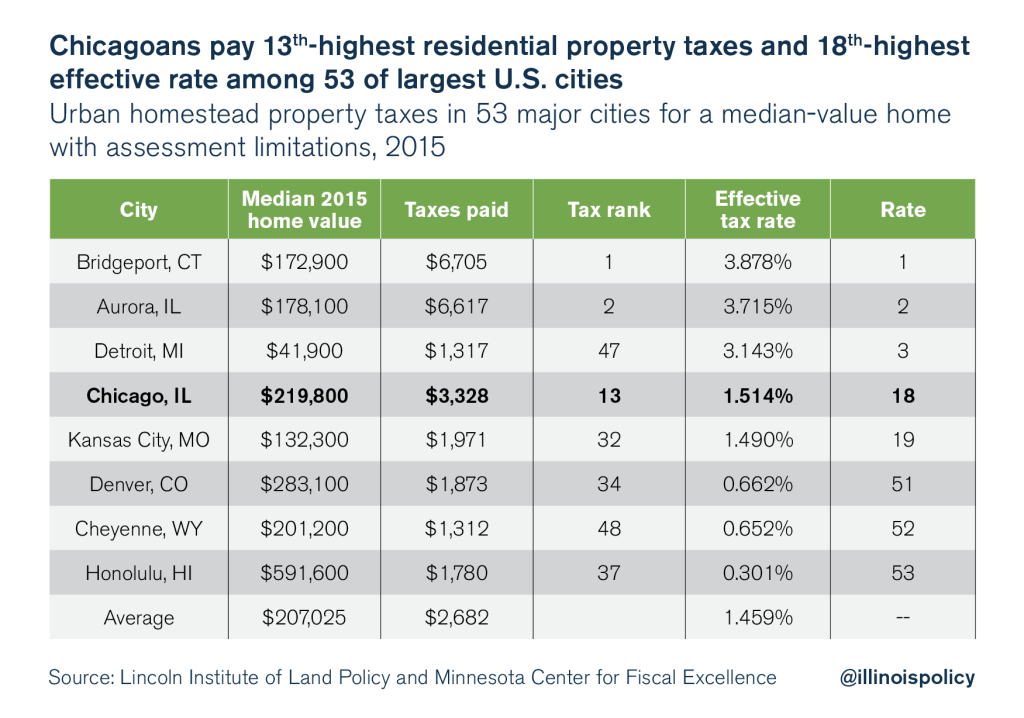
For property owners, including those who might be considering vacation home rentals or longer-term apartment leases, property taxes are a significant consideration. These taxes are levied by Cook County and the city of Chicago itself, based on the assessed value of the property. They are a fundamental source of funding for local government services, including schools and public safety.
While tourists typically don’t directly pay property taxes unless they own property, the cost of accommodation, particularly hotels and rental apartments, can indirectly reflect these property tax burdens.
Amusement Tax
Chicago levies an amusement tax on various forms of entertainment, including tickets to sporting events, concerts, theaters, and even some movie admissions. This tax is added to the face value of the ticket and is another revenue stream for the city.
This tax is directly felt by tourists who are looking to experience the vibrant cultural and entertainment scene Chicago offers, from catching a game at Wrigley Field to seeing a show in the Theater District. It’s another aspect of the local taxation that contributes to the city’s operational budget.
Hotel Tax
Similar to many major tourist destinations, Chicago imposes a hotel tax on overnight stays. This tax is applied to the room rate and is collected by hotels, which then remit it to the city and state. This revenue is often earmarked for tourism promotion, convention bureaus, and the maintenance of public facilities that support the tourism industry.
For travelers booking accommodations, from luxury hotels like The Langham, Chicago to boutique inns, factoring in the hotel tax is essential for accurate budgeting. This tax can add a notable percentage to the overall cost of lodging.
Implications for Travelers
The absence of a municipal income tax in Chicago is generally a positive point for visitors. It means that your earnings, if any, while temporarily in the city are not subject to an additional local tax on top of the state’s flat rate. However, the presence of higher sales taxes and specific levies like the amusement and hotel taxes means that day-to-day expenses and entertainment costs can be higher than in some other cities.
For short-term visitors, the primary financial considerations will revolve around sales tax on purchases, hotel taxes, and amusement taxes for attractions and events. These are direct costs that are easily factored into a travel budget.
For individuals considering longer stays, such as students or temporary workers, the state income tax remains the primary income-related tax to consider. Renting an apartment will also involve understanding property tax implications, which are usually built into rental prices.

Planning Your Chicago Visit
When planning your trip to Chicago, it’s always prudent to research the current tax rates for sales, hotels, and any specific activities you plan to engage in. Websites for the City of Chicago and the Illinois Department of Revenue are valuable resources.
Understanding the tax structure, even the absence of one specific tax, provides a clearer picture of the financial realities of visiting or residing in Chicago. This knowledge empowers travelers to budget more effectively, make informed decisions, and fully appreciate the vibrant and dynamic city without unexpected financial surprises. The city’s financial model, while not including a municipal income tax, relies on a diverse range of other taxes to support its world-class infrastructure and services, contributing to the overall quality of life and the visitor experience.
LifeOutOfTheBox is a participant in the Amazon Services LLC Associates Program, an affiliate advertising program designed to provide a means for sites to earn advertising fees by advertising and linking to Amazon.com. Amazon, the Amazon logo, AmazonSupply, and the AmazonSupply logo are trademarks of Amazon.com, Inc. or its affiliates. As an Amazon Associate we earn affiliate commissions from qualifying purchases.