
The query, “Does Chicago Style Have Page Numbers?”, while seemingly straightforward, opens a nuanced discussion within the realm of academic and professional writing. For travelers and tourists meticulously planning their journeys, understanding stylistic conventions might appear tangential. However, for those engaging with historical documents, academic research about destinations, or even detailed guidebooks, grasping citation and formatting styles becomes an integral part of the travel experience, particularly when delving into the rich tapestry of a city like Chicago. This exploration aims to demystify the role of page numbers within the Chicago Manual of Style (CMOS), offering clarity for researchers and enthusiasts alike.
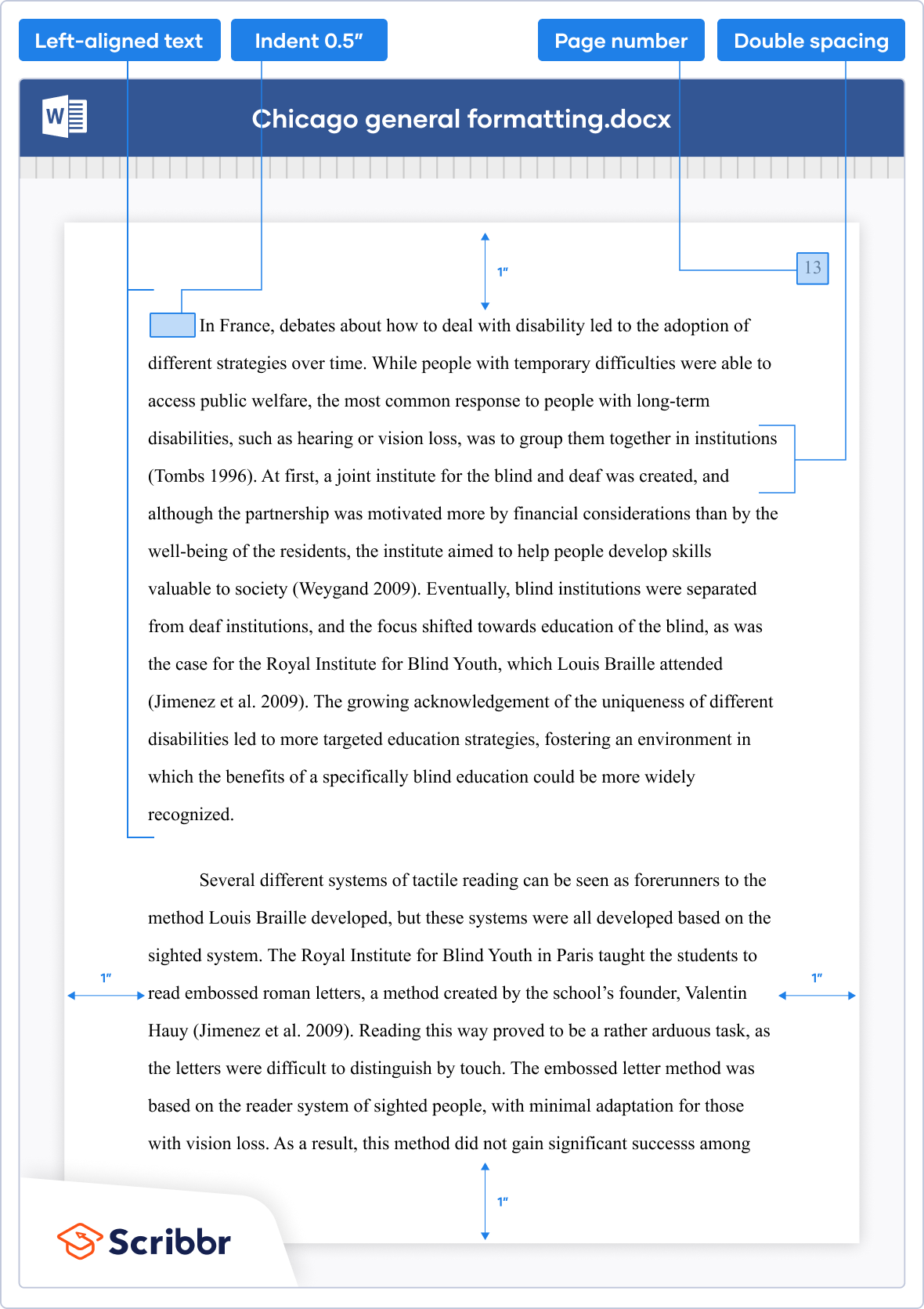
The Chicago Manual of Style is a comprehensive style guide that governs writing and editing for various publications, particularly in the humanities and social sciences. It offers two primary citation systems: the notes-bibliography system and the author-date system. Both systems, in their own ways, address the crucial element of precise source attribution, and page numbers are a fundamental component of this attribution.
The Role of Page Numbers in Citations
Whether you’re researching the architectural marvels of the Chicago Tribune Tower, the historical significance of Grant Park, or the cultural impact of the Art Institute of Chicago, accurate citation is paramount. Page numbers serve a critical function in enabling readers to locate the exact information being referenced within a source.
Notes-Bibliography System
In the notes-bibliography system, the most commonly used in literature, history, and the arts, citations are handled through footnotes or endnotes and a bibliography.
Footnotes and Endnotes
When you reference a specific piece of information from a book, article, or other source, you insert a superscript number in your text. This number corresponds to a note, either at the bottom of the page (footnote) or at the end of the document (endnote). This note contains the full citation details. Crucially, when the source is a printed work with sequential pages, the note must include the specific page number(s) from which the information was drawn.
For instance, if you were discussing the early development of the Magnificent Mile based on a historical account, your text might read: “The initial urban planning discussions for this affluent district began in the early 20th century.” The corresponding footnote or endnote would then detail the source, including the author, title, publisher, year of publication, and, most importantly, the specific page number:
- Eleanor Vance, Chicago’s Growth: From Village to Metropolis (University of Chicago Press, 1995), 112.
This precise page number allows a reader to turn directly to page 112 of Vance’s book to verify the information or explore it further. This level of detail is essential for academic rigor and responsible scholarship, ensuring transparency and facilitating further research for anyone interested in the historical trajectory of Chicago.
The Bibliography
The bibliography, listed at the end of the work, provides a comprehensive list of all sources consulted. While individual entries in the bibliography generally do not include specific page numbers for the entire work (unless it’s a multi-volume set where a specific volume is cited), the citation of individual works within the notes always requires page numbers when applicable. The purpose of the bibliography is to list the consulted materials, while the notes pinpoint the exact location of the referenced material.
Author-Date System
The author-date system, more prevalent in the sciences and social sciences, uses parenthetical citations within the text, followed by a reference list.
Parenthetical Citations
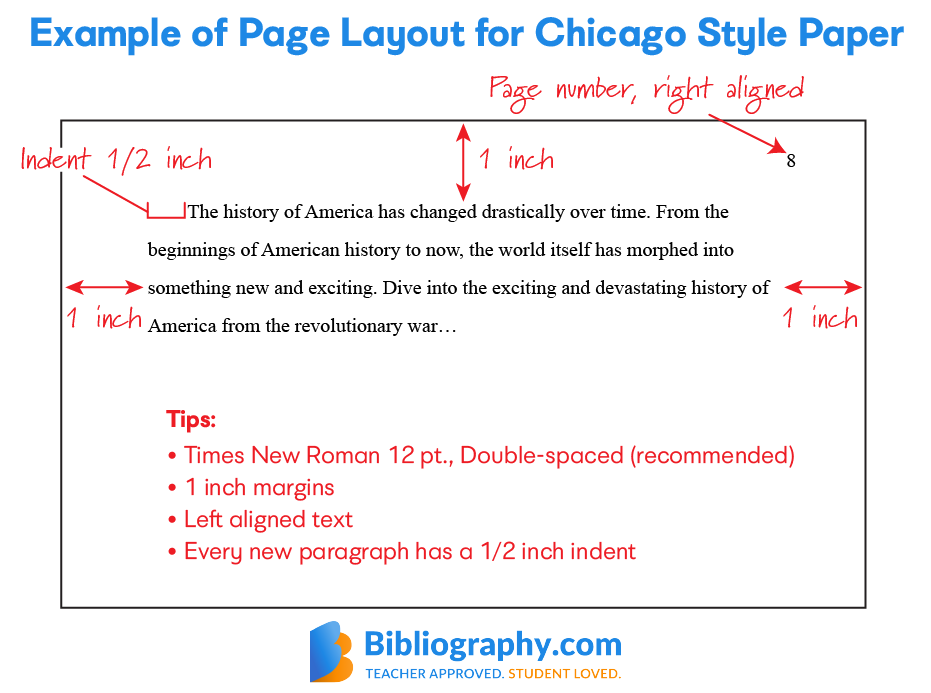
In this system, a citation in the text typically includes the author’s last name and the year of publication, enclosed in parentheses. For example: (Vance 1995). However, when referencing specific information, the page number is also included: (Vance 1995, 112).
This method is concise for in-text referencing, allowing the flow of prose to remain largely uninterrupted. The reader, upon encountering (Vance 1995, 112), knows precisely where in Vance’s 1995 publication the information can be found.
Reference List
Similar to the bibliography in the notes-bibliography system, the reference list provides a full bibliographic entry for each source cited in the text. Again, individual entries generally list the full publication details of the work, and page numbers are not included for the overall work unless specifying a particular volume in a multi-volume publication. The precision lies within the parenthetical citations.
When Are Page Numbers Not Required?
While page numbers are indispensable for citing specific information from print sources, there are instances where they are not applicable or required within the Chicago Manual of Style.
Online Sources Without Pagination
In the digital age, many sources, especially web pages, do not have traditional page numbers. For these sources, the Chicago Manual of Style provides guidelines for citing them effectively.
Citing Web Pages
When citing a web page, the citation will typically include the author (if available), the title of the page, the website name, and the URL, along with the date of access. For online articles that mimic print articles, a page number might be present. However, for content that is fluid or lacks a fixed format, page numbers are omitted. For instance, if you are referencing a blog post on a local Chicago history blog, the citation might look like this (in notes-bibliography):
- “A Glimpse into Old Town,” Chicago History Blog, October 15, 2023, https://chicagohistoryblog.com/oldtown.
In author-date: (Chicago History Blog, “A Glimpse into Old Town”).
The absence of page numbers is dictated by the nature of the source itself.
Other Non-Paginated Sources
This also applies to other forms of media that do not inherently have pagination, such as lectures, interviews, or personal communications, where the citation would refer to the date and context of the communication rather than a specific page.
Whole Works or Chapters
When a citation refers to an entire work or a specific chapter within a work, and the reference is general rather than pointing to a specific fact or argument, page numbers may not be strictly necessary. For example, if you are recommending a comprehensive guide to the museums of Chicago, you might cite the entire book. However, even in such cases, if the author wishes to emphasize a particular section or argument, including page references is always permissible and often beneficial for clarity.
The Importance of Consistency and Clarity
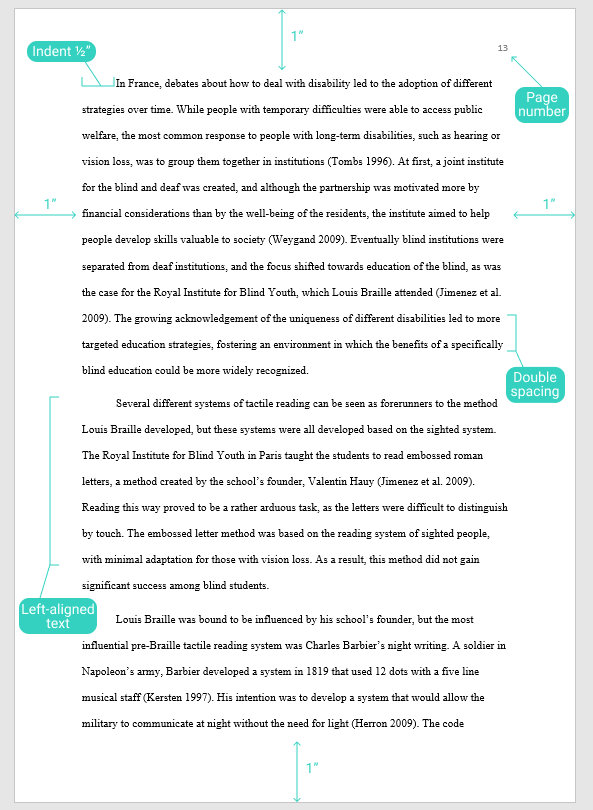
Regardless of whether you are delving into the history of Illinois, planning a culinary tour of the city’s diverse neighborhoods, or researching the best viewpoints of the Chicago River skyline, the core principle remains: clarity and accuracy in citation.
The Chicago Manual of Style aims to provide a framework that supports these goals. Understanding whether page numbers are required, and how to incorporate them correctly, is a fundamental aspect of academic integrity and effective communication. For any traveler who appreciates deep dives into their destinations, from the grandeur of the Willis Tower to the charm of local haunts, a solid grasp of citation styles can enrich their understanding and appreciation of the information they encounter, turning casual reading into informed exploration.
The presence or absence of page numbers is not an arbitrary rule but a functional requirement dictated by the source material and the need for precise location of information. When engaging with scholarly articles, historical texts, or detailed guidebooks that utilize the Chicago Manual of Style, paying attention to page numbers is a key to unlocking the full depth of the information presented, enhancing any journey of discovery, whether through text or through the vibrant streets of Chicago itself.
LifeOutOfTheBox is a participant in the Amazon Services LLC Associates Program, an affiliate advertising program designed to provide a means for sites to earn advertising fees by advertising and linking to Amazon.com. Amazon, the Amazon logo, AmazonSupply, and the AmazonSupply logo are trademarks of Amazon.com, Inc. or its affiliates. As an Amazon Associate we earn affiliate commissions from qualifying purchases.