
Southern California, a region synonymous with sunshine, diverse landscapes, and a vibrant lifestyle, presents a unique palette for both experienced gardeners and visitors keen to appreciate its local flora. For those wondering about the suitability of specific plant species, the question of whether Clematis vines thrive here is a pertinent one, touching upon the very essence of adapting to and enhancing the local environment. While the perception of Southern California might immediately conjure images of succulents and drought-tolerant natives, the region’s varied microclimates offer surprising opportunities for a wider range of plant life, including the often-coveted Clematis. Understanding these nuances is key for anyone looking to engage with Southern California’s botanical identity, whether they are settling into a new home or simply exploring the verdant corners of its many communities.

Unveiling Southern California’s Unique Microclimates for Gardeners and Visitors
Southern California’s reputation for Mediterranean climate characteristics is well-deserved, yet it’s the intricate tapestry of its microclimates that truly defines its horticultural potential. This geographical diversity, spanning from arid deserts to temperate coastlines and cool mountain ranges, dictates what plants flourish naturally and what requires careful cultivation. For the curious traveler or prospective resident, grasping these distinctions is more than an academic exercise; it’s a practical guide to appreciating the region’s varied landscapes and successful gardening endeavors.
The Coastal Influence: Cooler Summers and Milder Winters
Along the expansive coastline, stretching from Santa Barbara down to San Diego, the Pacific Ocean exerts a profound moderating influence. Here, summers are typically cooler, often shrouded in the famous “marine layer” or coastal fog, which provides natural shade and humidity. Winters are mild, with frost being a rare occurrence. This consistent, temperate environment is generally favorable for many Clematis varieties, particularly those that prefer a “cool head and warm feet”—meaning their foliage enjoys some respite from intense sun, while their roots appreciate moist, well-drained soil that doesn’t get overly hot. The longer growing season and stable temperatures allow these vines to establish robust root systems and produce prolific blooms, enhancing the aesthetic appeal of coastal homes and public gardens alike.
Inland Valleys and Deserts: Adapting to Extremes
Moving eastward from the coast, the climate transitions dramatically. The inland valleys, such as the San Fernando Valley and Inland Empire, experience significantly hotter summers with intense, prolonged sunlight and often higher humidity compared to true desert environments. Winters are still relatively mild but can see more frequent and colder frosts than the coast. Further inland, true desert conditions prevail in areas like Palm Springs and the Coachella Valley, characterized by scorching summers, minimal rainfall, and often significant diurnal temperature swings.
Cultivating Clematis in these hotter, drier inland and desert zones presents a greater challenge. The intense summer sun can scorch foliage, and the heat can stress the plants, leading to reduced flowering or even death if not managed properly. However, it’s not impossible. Success hinges on strategic plant selection—opt for heat-tolerant varieties—and meticulous cultural practices, including providing afternoon shade, consistent deep watering, and heavy mulching to keep roots cool. For visitors exploring these regions, observing how specific landscapes integrate shade structures or water-wise plantings offers insights into local adaptations.
Clematis Varieties Thriving in the Golden State
The key to successfully growing Clematis in Southern California lies in selecting the right variety for the specific microclimate. Not all Clematis are created equal; some revel in cooler conditions, while others have developed a surprising resilience to heat. For both aspiring local gardeners and those observing the regional flora, knowing which types fare best can be incredibly informative.
Heat-Tolerant Cultivars for Warmer Zones
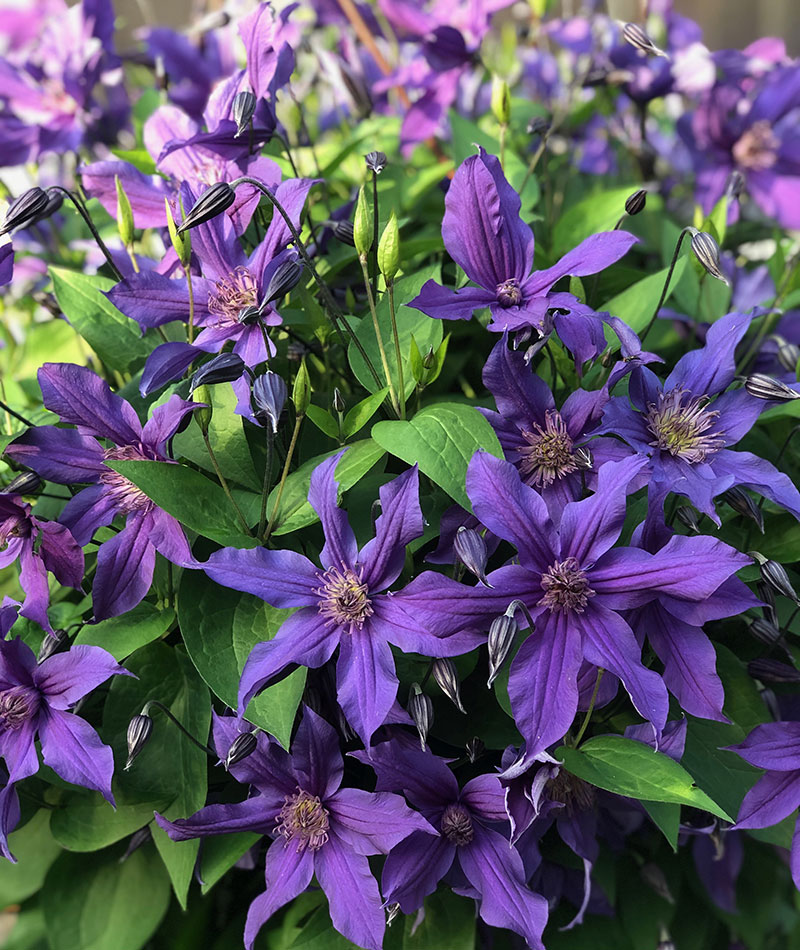
For the sun-drenched inland valleys and even the warmer coastal areas, selecting Clematis varieties known for their heat tolerance is paramount. Species like Clematis texensis (e.g., ‘Princess Diana’ or ‘Gravetye Beauty’), with their unique bell-shaped flowers, are often more adaptable to heat and humidity. These varieties typically hail from warmer regions naturally, giving them an inherent advantage. Another group to consider are the Clematis viticella cultivars, such as ‘Etoile Violette’ or ‘Polish Spirit’, which are renowned for their vigor, disease resistance, and ability to perform well even in full sun, provided their roots are kept cool and moist. These types not only survive but can flourish, offering a spectacular display of color that belies the region’s often challenging summer conditions. Their presence in local gardens can be a delight for visitors, showcasing the ingenuity of Southern California gardeners.
Cold-Hardy Selections for Mountainous Retreats
While Southern California is primarily known for its warmth, its eastern reaches extend into significant mountain ranges like the San Bernardino Mountains and San Gabriel Mountains. At higher elevations, the climate shifts dramatically, featuring colder winters with regular frosts and even snow. In these “mountainous retreats,” the challenge is less about heat and more about cold hardiness. Here, Clematis from the Group 3 (late-flowering, hard-pruning) and some Group 2 (large-flowered hybrids) varieties that are rated for USDA Zones 4-6 will typically perform well. Examples include classic large-flowered hybrids like ‘Jackmanii’ or Clematis montana species, which produce a profusion of smaller flowers in spring. These varieties, accustomed to harsher winters, thrive in the seasonal temperature fluctuations, providing breathtaking displays that add to the charm of mountain cabins and resorts.
Cultivating Clematis for a Quintessential Southern California Aesthetic
Beyond mere survival, the goal for many gardeners in Southern California is to integrate plants like Clematis into a cohesive and visually appealing landscape that reflects the region’s unique character. For visitors, observing these thoughtful integrations provides a deeper appreciation for local aesthetics and horticultural practices.
Integrating Clematis into Landscape Design
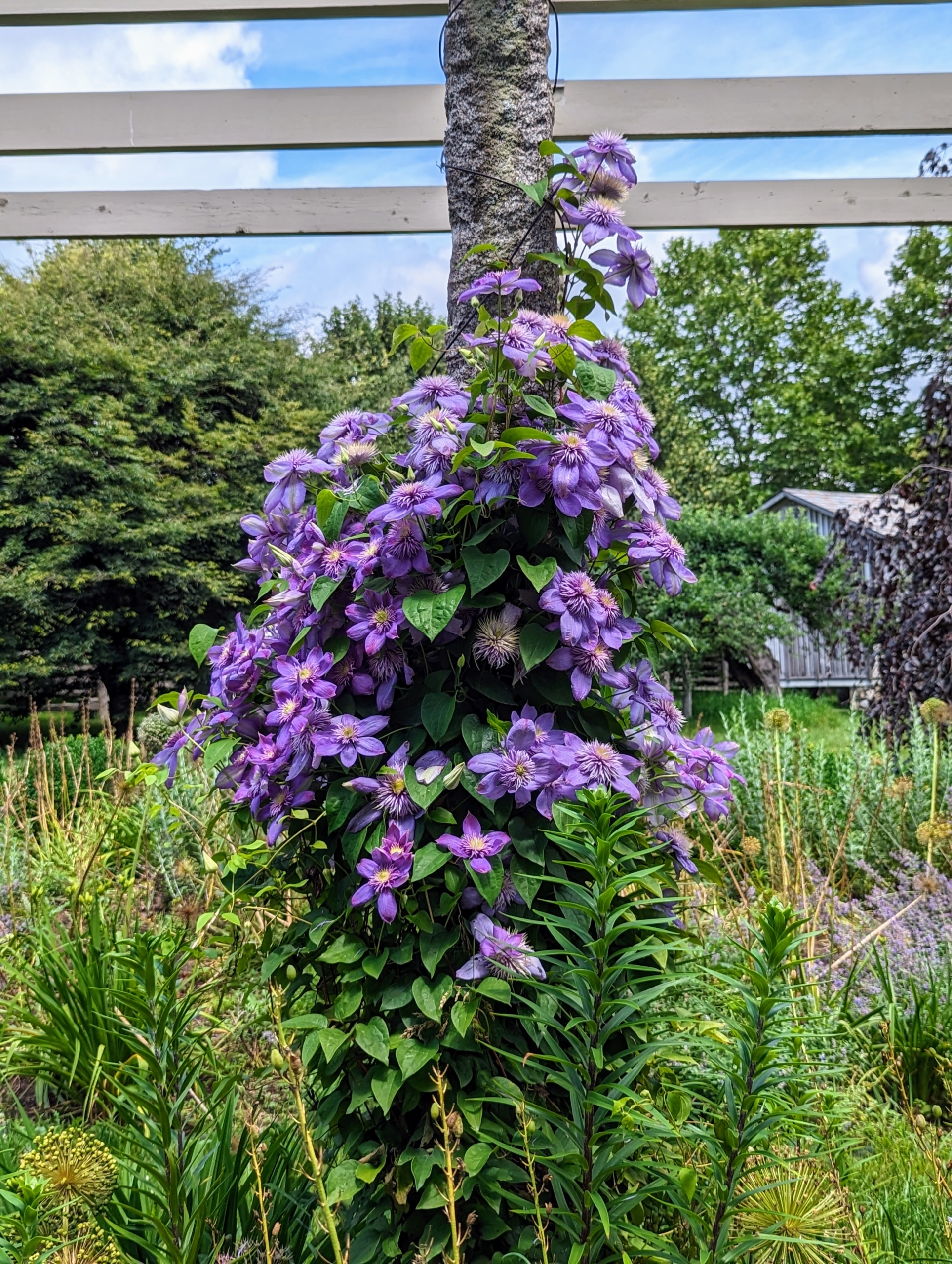
Clematis, with their graceful climbing habit and often prolific blooms, are ideal for adding vertical interest and softening hardscape elements. In Southern California, where outdoor living is paramount, Clematis can transform patios, pergolas, and fences into living works of art. They can be trained over arbors to create shaded seating areas, offering a cool respite from the sun—a practical as well as beautiful application. Using them to drape over walls or climb up obelisks in containers allows for flexibility, particularly for those in urban settings or with smaller garden spaces. The contrast of their vibrant flowers against the backdrop of drought-tolerant shrubs or citrus trees can create a distinctive Southern California garden tableau that combines both exotic flair and local sensibility.
Practical Tips for Southern California Garden Enthusiasts
For those looking to cultivate Clematis in this diverse region, several practical tips can ensure success:
- Site Selection is Crucial: Aim for a location that provides morning sun and afternoon shade, especially in inland areas. This “cool head” approach protects the foliage from scorching.
- Keep Roots Cool and Moist: This is perhaps the most critical factor. Plant Clematis deeply, burying a few inches of stem below the soil line to encourage more robust root development. Apply a thick layer of mulch (e.g., compost, wood chips) around the base to insulate the soil and retain moisture. Consider planting low-growing perennials or annuals to shade the Clematis’ base.
- Consistent Watering: While Southern California is known for its dry climate, Clematis need consistent moisture, especially during their establishment phase and hot periods. Deep, infrequent watering is generally better than shallow, frequent watering, promoting deeper root growth.
- Soil Amendment: Southern California soils can range from sandy to heavy clay. Clematis prefer well-drained, fertile soil. Amend with plenty of organic matter to improve drainage in clay soils and water retention in sandy soils.
- Support Structure: Provide a sturdy trellis, arbor, or other support for the vines to climb. Clematis do not have tendrils but rather petiole-twining capabilities, meaning their leaf stems wrap around supports.
Enjoying Clematis: A Local’s Guide and Visitor’s Delight
Beyond the act of gardening, Clematis contribute significantly to the visual appeal and horticultural diversity of Southern California, enriching the experience for both residents and visitors. Discovering these vibrant displays can be a delightful part of exploring the region.
Public Gardens and Private Retreats Showcasing Clematis
While not as ubiquitous as bougainvillea or bird of paradise, Clematis make their presence felt in various public and private settings across Southern California. Many botanical gardens, such as The Huntington Library, Art Museum, and Botanical Gardens in San Marino or the Arboretum of Los Angeles County in Arcadia, often feature Clematis collections or integrate them into their diverse plant displays. These institutions serve as invaluable resources, demonstrating which varieties flourish in specific conditions and how they can be effectively utilized in landscape design. Similarly, open garden tours, frequently organized by local garden clubs, often reveal stunning private gardens where Clematis are masterfully grown, providing inspiration and practical examples for the community and visitors alike.
Seasonal Bloom: When to Visit and Appreciate
The blooming period for Clematis varies by species and cultivar, as well as the specific microclimate. Generally, many of the large-flowered hybrids and Clematis montana varieties will put on their show in late spring to early summer. The Viticella and Texensis types often bloom from summer into fall, providing continuous color when other plants might be winding down due to the summer heat. For visitors keen to witness these beautiful vines in their full glory, late spring through early summer is an excellent time to explore Southern California’s gardens and public spaces. This period not only offers ideal weather for sightseeing but also coincides with the peak bloom of many ornamental plants, including a significant number of Clematis that contribute to the region’s lush and colorful landscape. Observing these seasonal transformations adds a layer of depth to understanding the natural rhythms and cultivated beauty of Southern California.
LifeOutOfTheBox is a participant in the Amazon Services LLC Associates Program, an affiliate advertising program designed to provide a means for sites to earn advertising fees by advertising and linking to Amazon.com. Amazon, the Amazon logo, AmazonSupply, and the AmazonSupply logo are trademarks of Amazon.com, Inc. or its affiliates. As an Amazon Associate we earn affiliate commissions from qualifying purchases.