
Understanding the Tick Landscape in the Centennial State
The question of whether Colorado has ticks is a valid one for anyone planning to explore its vast and varied landscapes, from the majestic Rocky Mountains to the arid plains. The short answer is yes, ticks do exist in Colorado, but their presence and the risks they pose are often localized and dependent on specific environmental factors. Understanding this nuanced distribution is key to enjoying the state’s natural beauty safely.
Tick Species and Their Habitats
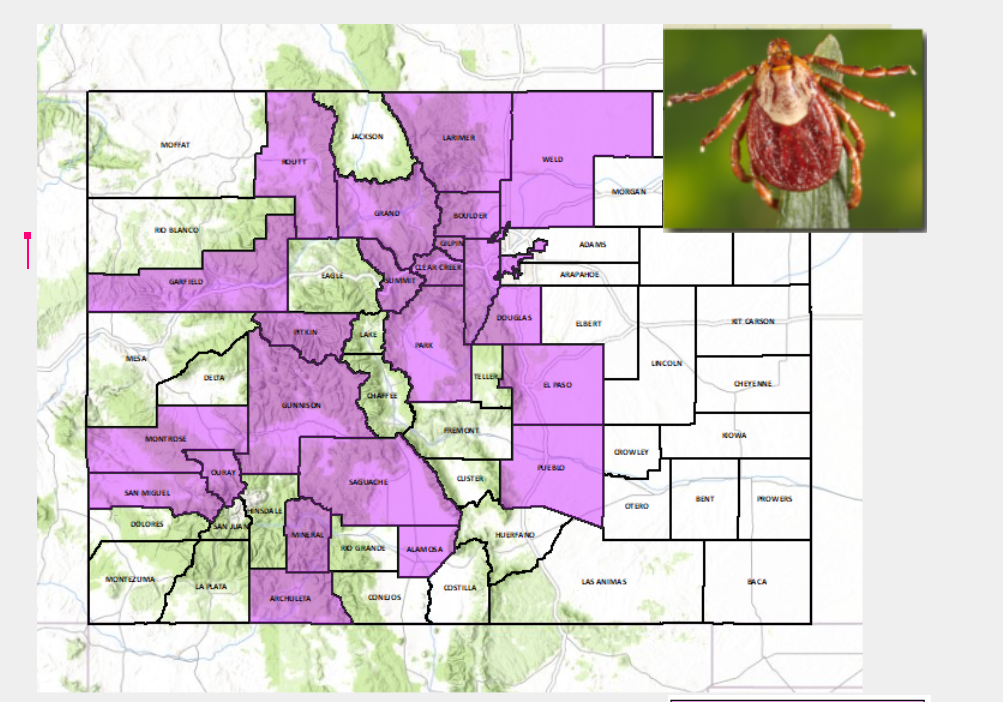
While Colorado might not be as notorious for ticks as some other regions of the United States, several species call the state home. The most common and concerning from a public health perspective is the Rocky Mountain wood tick (Dermacentor andersoni). This hardy arthropod is primarily found in higher elevation areas, particularly in sagebrush, grasslands, and open woodlands, typically between 4,000 and 11,000 feet. They are most active during the spring and early summer months, coinciding with the peak outdoor recreation season.
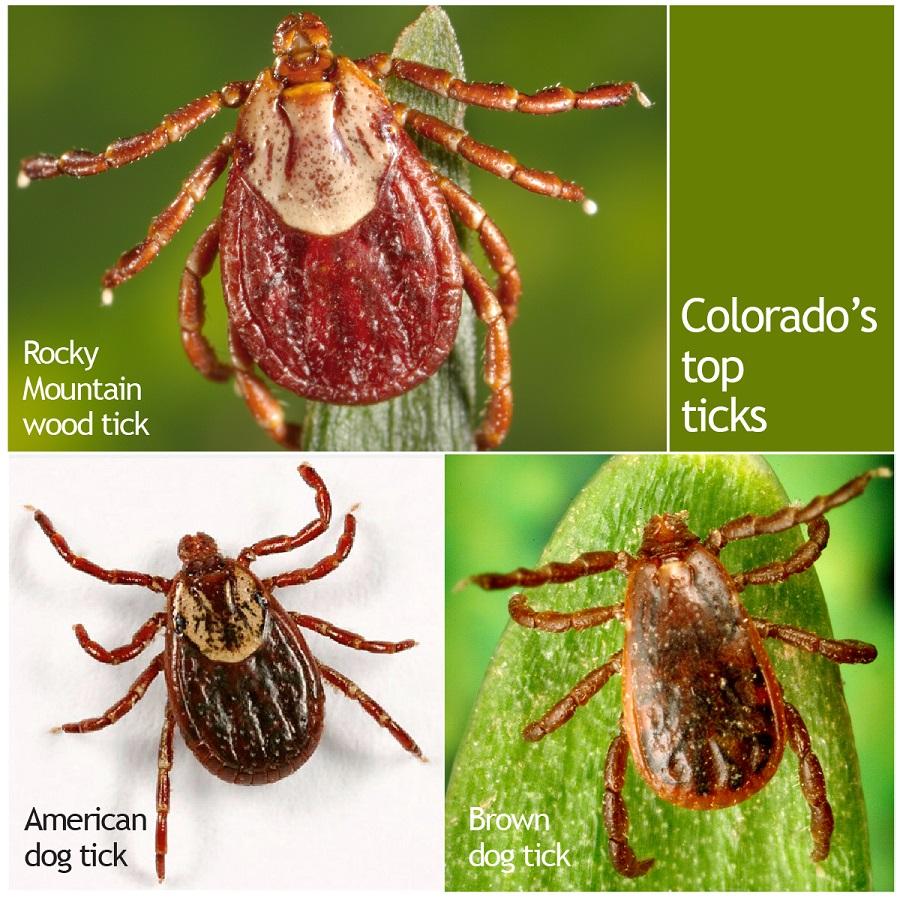
Another species of note is the American dog tick (Dermacentor variabilis), which tends to prefer more humid, grassy areas, often found at lower elevations than its Rocky Mountain cousin. While less prevalent in the mountainous regions, it can be encountered in eastern Colorado and along riparian corridors.
Less commonly, visitors might encounter the brown dog tick (Rhipicephalus sanguineus), which, as its name suggests, is often associated with dogs. This species has a wider distribution and can adapt to indoor environments, meaning it might be found even in urban or suburban settings, although it is less of a concern for outdoor enthusiasts directly compared to the wood and American dog ticks.
Factors Influencing Tick Populations
Several environmental factors influence where and when ticks are most likely to be encountered in Colorado.
Elevation and Vegetation
As mentioned, elevation plays a significant role. The Rocky Mountain wood tick thrives in the cooler, drier conditions of the mountainous West. Areas with abundant sagebrush, such as the Grand Mesa National Forest or the foothills surrounding Denver, are prime habitats. These ticks often wait on the tips of grass blades or shrub branches, ready to latch onto a passing host.
Conversely, the American dog tick prefers less arid environments. You might encounter them in areas with denser grass, such as meadows or even unmaintained lawns, particularly in the eastern plains of Colorado.
Seasonality
Tick activity is highly seasonal. In Colorado, the peak season for most tick species, especially the Rocky Mountain wood tick, is typically from April through June. As temperatures rise and the ground dries out in mid-summer, their activity may decrease, though they can remain active in shaded or more moist microhabitats. Autumn can see a resurgence in activity for some species, particularly if temperatures remain mild.
Host Availability
Ticks are parasites that rely on hosts for survival and reproduction. The presence of various wildlife, including deer, rodents, rabbits, and birds, directly impacts tick populations. Areas with abundant wildlife are more likely to have higher tick densities. This is particularly relevant in national parks and wilderness areas, where the ecosystem is more robust.
Potential Risks Associated with Ticks in Colorado
While the presence of ticks is a concern, it’s important to understand the specific risks they pose in Colorado. The primary concern is the transmission of tick-borne diseases.
Tick-Borne Illnesses in Colorado
The most significant tick-borne illness of concern in Colorado is Rocky Mountain spotted fever (RMSF). Despite its name, RMSF is found in many parts of the United States, and Colorado is one of the states where it occurs. It is transmitted primarily by the Rocky Mountain wood tick and the American dog tick. Symptoms can include fever, headache, rash, and nausea, and if left untreated, it can be severe.
Another potential, though less common, illness is Colorado tick fever (CTF). This viral illness is endemic to the mountainous regions of the western United States, with Colorado being a focal point. It is also transmitted by the Rocky Mountain wood tick. Symptoms typically include fever, headache, muscle aches, and sometimes a rash. CTF is generally considered a milder illness than RMSF, with most individuals recovering within a week or two.
Tularemia, a bacterial illness, can also be transmitted by ticks in Colorado, though it is less common. Lyme disease, a widely recognized tick-borne illness, is rare in Colorado. The specific tick species that commonly transmit Lyme disease in other parts of the country are not as prevalent or do not transmit the bacteria effectively in the Colorado environment.
Understanding the Risk Level
It’s crucial to put the risk into perspective. While ticks and tick-borne diseases are present in Colorado, the incidence of these diseases is relatively low compared to other regions. This is due to a combination of factors, including the specific tick species present, their life cycles, and the geographical distribution of the pathogens they carry. However, this does not negate the need for caution and preventative measures, especially for those who spend extensive time outdoors.
Navigating Colorado’s Outdoors Safely: Prevention is Key
Enjoying the stunning natural beauty of Colorado does not have to come at the expense of your health. By adopting a proactive approach to tick prevention, you can significantly reduce your risk of encounters and potential illness.

Personal Protective Measures
When venturing into tick habitats, particularly during peak seasons, several personal protective measures are highly recommended.
Clothing and Repellents
- Wear light-colored clothing: This makes it easier to spot ticks before they attach.
- Tuck pants into socks and shirts into pants: This creates a barrier, preventing ticks from crawling up your legs and into your clothing.
- Use EPA-approved insect repellents: Products containing DEET, picaridin, or permethrin are effective against ticks. Apply repellents to exposed skin and clothing according to product instructions. Permethrin-treated clothing offers an added layer of protection.
- Consider tick-repellent gaiters: These can provide an extra barrier around your lower legs.
Thorough Tick Checks
After spending time outdoors, especially in wooded or grassy areas, conduct a thorough tick check on yourself, your children, and your pets.
- Examine your entire body: Pay close attention to areas like the scalp, behind the ears, under the arms, in the groin area, and behind the knees.
- Use a mirror: This helps you check hard-to-see areas like your back.
- Check clothing and gear: Ticks can hitch a ride on backpacks, tents, and other outdoor equipment.
Environmental Precautions
Beyond personal measures, being mindful of your surroundings can also minimize tick exposure.
- Stay on marked trails: Avoid walking through tall grass, brush, and leaf litter whenever possible.
- Avoid sitting directly on the ground: Use a picnic blanket or chair.
- Pet safety: Ticks can easily transfer from pets to humans. Regularly check your pets for ticks and use veterinarian-recommended tick prevention products. Ensure your pets are not bringing ticks into your accommodation.
Tick Removal
If you find a tick attached to your skin, prompt and proper removal is crucial.
- Use fine-tipped tweezers: Grasp the tick as close to the skin’s surface as possible.
- Pull upward with steady, even pressure: Avoid twisting or jerking the tick, as this can cause the mouthparts to break off and remain in the skin.
- Clean the bite area and your hands: Use soap and water or rubbing alcohol.
- Dispose of the tick: Submerge it in alcohol, place it in a sealed bag or container, or wrap it tightly in tape.
If you develop a rash or fever after a tick bite, consult a healthcare professional and inform them about the tick bite and your travel location in Colorado.
Frequently Asked Questions About Ticks in Colorado
As visitors and residents alike plan their adventures, several common questions arise regarding ticks in Colorado.
Are Ticks a Problem in Major Cities like Denver?
While ticks are more prevalent in natural, undeveloped areas, they can occasionally be found in suburban or even urban parks with sufficient vegetation and wildlife. In cities like Denver, the risk is generally lower than in rural or mountainous regions. However, it’s still advisable to take precautions if you’re visiting parks or spending time in areas with tall grass or wooded patches, especially during the spring and early summer.
What is the Most Dangerous Tick in Colorado?
The Rocky Mountain wood tick (Dermacentor andersoni) is often considered the most concerning tick in Colorado due to its association with Rocky Mountain spotted fever and Colorado tick fever. Its preference for higher elevation habitats means it’s commonly encountered by hikers and campers in popular mountain destinations.
Can Ticks Fly or Jump?
No, ticks cannot fly or jump. They are crawling insects that move by walking. They typically wait on the tips of vegetation, extending their front legs to grasp onto a passing host. This is why staying on trails and avoiding brushing against tall grass is an effective preventative measure.
What Should I Do If I Get a Tick Bite in Colorado?
If you find a tick attached, remove it promptly and correctly using fine-tipped tweezers. Clean the bite area and monitor for any symptoms such as fever, headache, or rash. If symptoms develop, seek medical attention promptly and inform your doctor about the tick bite and the location in Colorado where it occurred.
Is Lyme Disease Common in Colorado?
Lyme disease is rare in Colorado. The primary tick vectors for Lyme disease are not as common or effective at transmitting the bacteria in the Colorado environment. While it’s not impossible, the risk is significantly lower than in other parts of the country. The main concerns for tick-borne illnesses in Colorado are Rocky Mountain spotted fever and Colorado tick fever.
LifeOutOfTheBox is a participant in the Amazon Services LLC Associates Program, an affiliate advertising program designed to provide a means for sites to earn advertising fees by advertising and linking to Amazon.com. Amazon, the Amazon logo, AmazonSupply, and the AmazonSupply logo are trademarks of Amazon.com, Inc. or its affiliates. As an Amazon Associate we earn affiliate commissions from qualifying purchases.