
Retirement marks a significant life transition, often accompanied by careful consideration of where to spend these golden years. For many, the allure of Colorado with its stunning natural beauty, vibrant cities, and active lifestyle is undeniable. However, a crucial factor in making such a lifestyle decision is understanding the financial landscape, particularly how the state taxes retirement income. This insight is paramount for retirees looking to manage their budgets effectively and maintain their desired quality of life.
Understanding Colorado‘s Tax Landscape for Retirees
Colorado presents a relatively favorable tax environment for retirees compared to many other states, though it’s essential to delve into the specifics of its income, property, and sales tax structures to fully grasp the implications for your retirement lifestyle.
Income Tax in Colorado
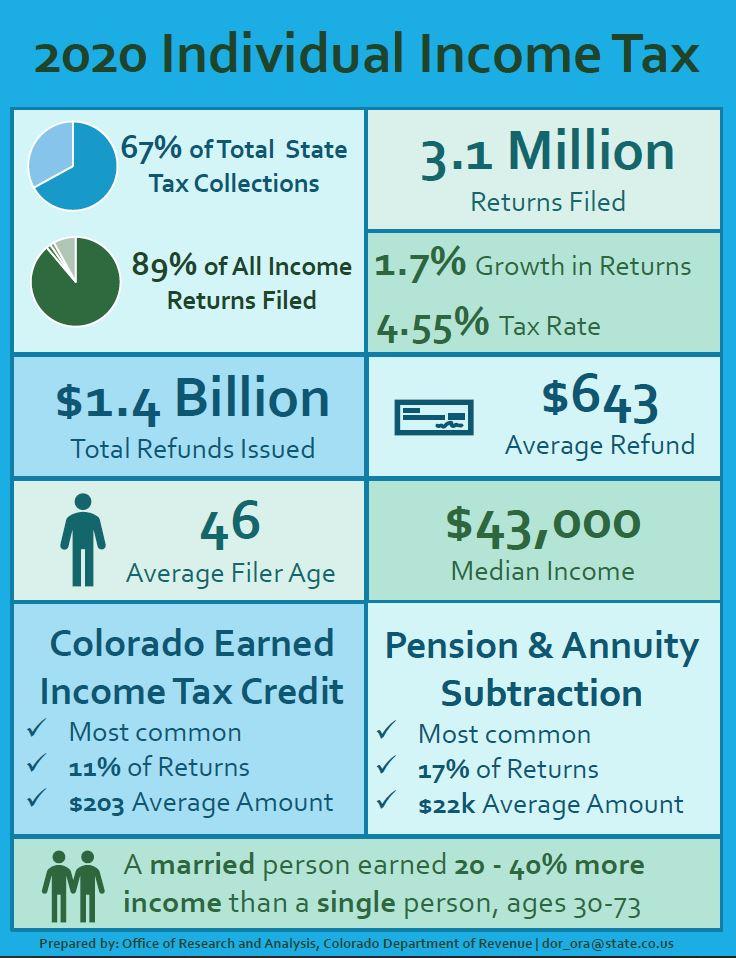
The state of Colorado operates on a flat income tax rate. As of recent years, this rate has been set at 4.40%, applicable to all taxable income, including certain types of retirement distributions. This flat rate simplifies the tax calculation for residents, but the key for retirees lies in understanding what income is actually taxable and what benefits from exemptions.
Retirement Income Exemptions and Deductions
One of the most appealing aspects of Colorado‘s tax code for retirees is the provision for significant exemptions on retirement income. Residents aged 55 and older can exclude a portion of their qualifying retirement income from state taxes. This includes income from:
- Pensions (both public and private)
- Annuities
- IRA distributions
- 401(k) and 403(b) distributions
- Government deferred compensation plans
For individuals aged 55 to 64, a certain amount of retirement income is exempt, while for those 65 and older, this exemption amount increases substantially. These exemptions are designed to reduce the tax burden on fixed retirement incomes, allowing retirees to retain more of their savings for lifestyle expenses, whether it’s travel, hobbies, or simply daily living. It’s important to note that these exemptions are per taxpayer, meaning a married couple filing jointly can each claim their respective exemption, further enhancing their financial flexibility in retirement. The specific exemption amounts can change with legislative updates, so consulting the most current Colorado Department of Revenue guidelines or a financial advisor is always recommended for precise planning.
Property Taxes: A Lifestyle Factor
While income tax often takes center stage, property taxes are another significant component of a retiree’s financial lifestyle, particularly for those who own a home in Colorado. Property taxes are assessed at the local level by counties, cities, and special districts, meaning rates can vary significantly depending on where you choose to live within the state. Areas with highly desirable amenities, excellent school districts (even if not directly relevant to a retiree), or exclusive neighborhoods like those in Aspen or Vail typically command higher property values and, consequently, higher property tax bills.
The property tax rate in Colorado is calculated based on the actual value of the property, multiplied by an assessment rate, and then by the local mill levy. Residential properties benefit from a lower assessment rate compared to commercial properties. Furthermore, Colorado offers a homestead exemption for qualifying seniors and disabled veterans who have lived in their homes for a certain number of years. This exemption allows a portion of their home’s actual value to be exempt from property taxation, significantly easing the financial strain of homeownership for long-term residents. This can be a critical factor for seniors on fixed incomes, influencing their ability to maintain their current home or choose a new community like Colorado Springs or Fort Collins for retirement. The availability and extent of this exemption can directly impact the long-term affordability of a particular lifestyle in a chosen Colorado community.
Sales Tax: Everyday Spending
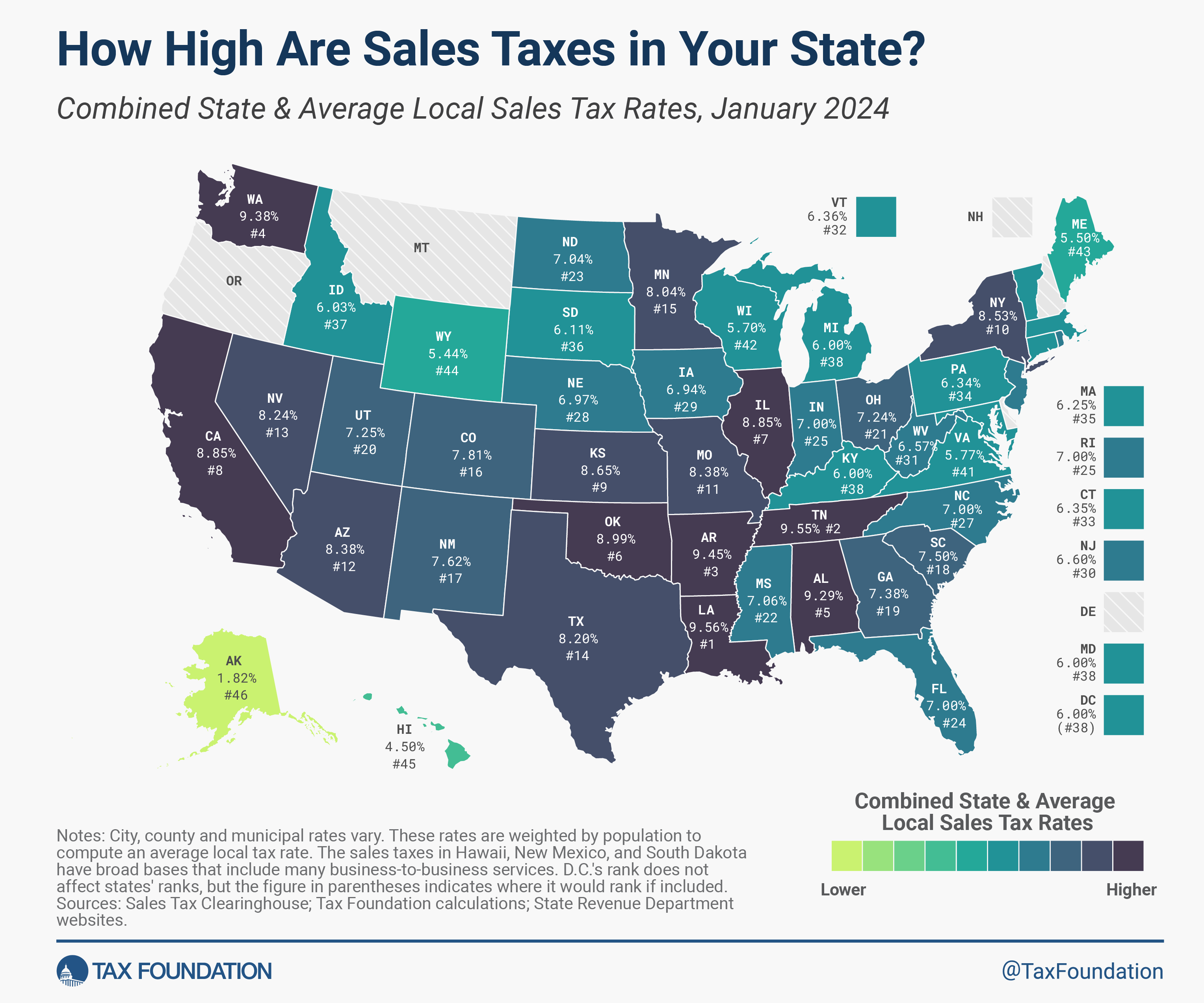
Sales tax in Colorado is another consideration for the retirement lifestyle budget. The statewide sales tax rate is relatively low, but individual cities and counties, as well as special districts, can impose their own additional sales taxes. This means that the total sales tax paid on goods and services can vary widely depending on the specific location where purchases are made. For example, a purchase made in Denver might incur a different total sales tax than one made in Pueblo.
Most tangible goods are subject to sales tax, but essential items like groceries (unprepared food) are typically exempt from the state sales tax, though local jurisdictions may apply their own taxes to these items. Understanding these variations is crucial for budgeting daily expenses, whether it’s dining out, shopping for leisure, or making larger purchases that contribute to a chosen lifestyle. For retirees who plan to frequently patronize local businesses or travel extensively within the state, factoring in these varied sales tax rates is an important part of financial planning.
The Financial Lifestyle Impact of Colorado‘s Tax Policies
The confluence of Colorado‘s tax policies—income tax exemptions, property tax relief, and variable sales tax—plays a significant role in shaping the financial lifestyle of retirees. These policies can dictate how much disposable income remains after taxes, directly influencing spending power and the ability to enjoy retirement to its fullest.
Budgeting for Retirement Living
For many, retirement living involves a shift from accumulating wealth to drawing down assets. Colorado‘s tax structure, particularly the generous retirement income exemptions, can be a major advantage in preserving retirement savings. By reducing the state tax burden on pensions and other distributions, retirees in Colorado can potentially stretch their retirement dollars further. This might translate into more frequent travel, greater participation in local activities, or the ability to absorb unexpected expenses without undue stress. For instance, being able to save on state income taxes might free up funds for an annual trip to the Rocky Mountains or allow for more frequent visits to cultural institutions in Denver. Effective budgeting in Colorado will necessitate careful consideration of the specific local property and sales tax rates in your chosen community, as these can add up and significantly impact daily and monthly expenditures.
Comparing Colorado with Other Retirement Destinations
When planning a retirement lifestyle, many individuals compare different states based on their tax friendliness. While states like Florida or Texas boast no state income tax, they often compensate with higher property taxes or different sales tax structures. Colorado offers a middle ground, with a flat income tax rate mitigated by substantial retirement income exemptions. This makes it an attractive option for those who want a balance of lower income tax on retirement distributions and a vibrant lifestyle, even if property taxes in desirable areas can be higher. The overall tax burden in Colorado tends to be lower than in many high-tax states, making it a competitive choice for lifestyle-conscious retirees prioritizing financial stability and robust amenities. For individuals considering a move from a state with high income taxes, the financial relief found in Colorado could significantly enhance their retirement lifestyle.
Beyond Taxes: Quality of Life in Colorado for Retirees
While tax considerations are vital, the decision to retire in Colorado is often equally, if not more, driven by the exceptional quality of life the state offers. The lifestyle here is dynamic and caters to a wide range of interests, making it a compelling destination for active seniors.
Outdoor Activities and Health Benefits
Colorado is renowned for its breathtaking natural landscapes, offering an unparalleled playground for outdoor enthusiasts. Retirees can engage in a plethora of activities that contribute to a healthy and active lifestyle. From hiking and biking on extensive trail networks around Boulder and Fort Collins to fishing in pristine mountain streams near Durango or skiing and snowboarding in world-class resorts like Aspen and Vail, the opportunities for physical activity are boundless. The state boasts numerous national parks and forests, providing ample access to nature and promoting physical and mental well-being, which are key components of a fulfilling retirement lifestyle. Even a simple walk in a local park in Grand Junction can be invigorating, surrounded by stunning vistas.
Cultural Amenities and Community Engagement
Beyond its natural beauty, Colorado offers a rich tapestry of cultural experiences. Major cities like Denver and Colorado Springs are home to acclaimed museums, art galleries, theaters, and live music venues. Retirees can enjoy diverse culinary scenes, attend festivals, or participate in community events that foster social connection and intellectual engagement. Universities across the state offer lifelong learning programs, volunteer opportunities abound, and vibrant senior centers provide social hubs. The sense of community in many Colorado towns allows retirees to easily integrate and maintain an active social life, which is crucial for a high quality of life in retirement. Whether it’s exploring the historic districts of Pueblo or attending a concert in Denver, the state provides numerous avenues for cultural enrichment.
Cost of Living Considerations (beyond taxes)
While the tax environment is favorable, the overall cost of living in Colorado, particularly housing, can be higher than the national average, especially in metropolitan areas like Denver and Boulder. This is an important lifestyle factor to balance against tax savings. However, there are more affordable communities throughout the state, particularly in areas like Grand Junction or Pueblo, which offer a lower cost of living while still providing access to natural beauty and local amenities. Transportation costs, utilities, and healthcare expenses also vary by location. A holistic view of all these costs, alongside the tax benefits, is essential for a comprehensive understanding of the financial demands of a Colorado retirement lifestyle. Many retirees choose to downsize or live in communities specifically designed for seniors to manage housing costs more effectively.
Making an Informed Lifestyle Decision
Deciding where to retire is one of the most significant lifestyle choices one can make, influencing everything from daily routines to long-term financial security. For those considering Colorado, a thorough understanding of its tax policies and the broader cost of living is non-negotiable.
Consulting Financial Professionals
Given the complexities of tax laws and personal financial situations, seeking advice from a qualified financial planner or tax professional who specializes in retirement planning is highly recommended. They can provide personalized guidance, helping you understand how Colorado‘s specific tax exemptions and deductions will apply to your unique retirement income streams. Such professional insight can optimize your financial strategy, ensuring you maximize your savings and maintain your desired lifestyle throughout retirement. This proactive step can prevent costly mistakes and provide peace of mind.

Exploring Diverse Communities
Colorado is a diverse state with distinct regions offering different lifestyles and cost profiles. From the bustling urban environment of Denver to the serene mountain towns, and the more arid western slope, each area presents a unique blend of amenities, climate, and community feel. Visiting potential retirement locations, experiencing the local culture, and speaking with residents can provide invaluable first-hand insights. Understanding the nuances of each community, including its specific property and sales tax rates, alongside its lifestyle offerings, is crucial for making a well-informed decision that aligns with your retirement aspirations.
LifeOutOfTheBox is a participant in the Amazon Services LLC Associates Program, an affiliate advertising program designed to provide a means for sites to earn advertising fees by advertising and linking to Amazon.com. Amazon, the Amazon logo, AmazonSupply, and the AmazonSupply logo are trademarks of Amazon.com, Inc. or its affiliates. As an Amazon Associate we earn affiliate commissions from qualifying purchases.