
The vast, untamed expanse of Alaska, often dubbed the “Last Frontier,” evokes images of majestic glaciers, towering mountains, and pristine wilderness. For travelers and nature enthusiasts, it’s a dream destination, offering unparalleled opportunities for adventure, discovery, and a deep connection with the natural world. From the shimmering northern lights illuminating the winter sky to the vibrant wildflowers carpeting the summer tundra, Alaska’s biodiversity is as captivating as its landscapes. Amidst this rich tapestry of flora and fauna, a seemingly humble plant often sparks curiosity: Coltsfoot. This early-blooming perennial, with its distinctive yellow flowers appearing before its broad, hoof-shaped leaves, is a common sight across much of the Northern Hemisphere. But does this botanical wanderer truly thrive in the unique ecological niches of Alaska? The answer, like many aspects of Alaska’s complex environment, is both surprising and illustrative of the broader dynamics of plant migration and human impact on natural habitats. Understanding Coltsfoot’s presence in this extraordinary state offers not only a fascinating botanical insight but also a lens through which to appreciate the delicate balance of Alaska’s ecosystems and the mindful approach necessary for sustainable tourism and exploration.

Unveiling Coltsfoot: A Botanical Wanderer
Coltsfoot, scientifically known as Tussilago farfara, is a plant with a rich history and a distinctive life cycle. Its name, derived from the Latin “tussis” (cough) and “ago” (to drive away), hints at its long-standing traditional medicinal uses. This herbaceous perennial is often one of the first plants to emerge in spring, making it a harbinger of warmer weather in many regions. For travelers keen on botanical identification, spotting Coltsfoot can be a rewarding experience, particularly after a long winter.
Identifying Tussilago farfara
Identifying Coltsfoot is relatively straightforward once you know its key characteristics. The most striking feature is its unique flowering pattern: bright yellow, dandelion-like blossoms appear on scaly, leafless stems often as early as March or April, long before any leaves emerge. These solitary flower heads, typically 10-25 mm in diameter, are composed of numerous ray florets surrounding a central disc. The stems themselves are covered in reddish-brown, scaly bracts.
Once the flowers fade and set seed (releasing fluffy, wind-dispersed seeds similar to those of dandelions), the plant’s basal leaves begin to grow. These leaves are large, broadly heart-shaped or hoof-shaped (hence “coltsfoot”), and can reach up to 20 cm in diameter. The upper surface of the leaf is smooth and green, while the underside is densely covered with white, felt-like hairs. This woolly underside is particularly noticeable and distinctive. Coltsfoot typically grows in disturbed soils, roadsides, vacant lots, railway embankments, and areas with poor or heavy clay soils. It spreads vigorously through underground rhizomes, forming dense colonies that can outcompete native vegetation. Its native range spans across Europe, Asia, and parts of North Africa, making it a truly cosmopolitan species.
Beyond its Traditional Uses
Historically, Coltsfoot has been highly valued in herbal medicine. Its leaves and flowers were traditionally used as a remedy for coughs, bronchitis, asthma, and other respiratory ailments. The plant contains mucilage, which can soothe irritated mucous membranes, and saponins, which act as expectorants. It was often prepared as a tea, syrup, or even smoked. The dried leaves were also used as a tobacco substitute. The plant’s Latin name, Tussilago farfara, directly reflects this historical use.
However, modern scientific understanding has revealed that Coltsfoot contains pyrrolizidine alkaloids (PAs), compounds that can be toxic to the liver, particularly with prolonged or excessive use. Consequently, its medicinal use is now cautioned against or highly restricted in many countries, and it’s no longer recommended for internal consumption. This shift highlights the importance of informed knowledge, even when exploring traditional practices during travels. While its medicinal value is now debatable, its resilience and distinctive appearance continue to make it a plant of interest for botanists and casual observers alike, particularly in contexts where it’s an introduced species.
Alaska’s Ecological Tapestry: A Land of Extremes
Alaska’s immense size and geographical diversity create a mosaic of distinct ecosystems, each supporting unique flora and fauna. This “Last Frontier” is a paradise for eco-tourism and adventure travel, offering experiences ranging from wildlife viewing to glacier trekking. Understanding these diverse environments is key to appreciating the state’s natural beauty and the challenges faced by both native and introduced species.
Climate Zones and Native Flora
Alaska encompasses several major climate zones, which dictate the types of vegetation that can thrive.
The Southeast Panhandle is characterized by a temperate rainforest climate, with abundant rainfall supporting dense stands of Sitka spruce and western hemlock, along with a lush undergrowth of ferns, mosses, and berry bushes. Coastal towns like Juneau, Ketchikan, and Sitka are nestled within this verdant landscape.
The Southcentral region, home to Anchorage and the Kenai Peninsula, has a subarctic climate moderated by marine influences. Here, boreal forests of white spruce, birch, and aspen dominate, interspersed with wetlands and meadows bursting with fireweed, lupine, and potentilla in the summer. Iconic areas like Chugach National Forest and parts of Kenai Fjords National Park showcase this diversity.
Further inland, the Interior region, centered around Fairbanks, experiences extreme continental temperatures with long, cold winters and short, warm summers. This is classic boreal forest or taiga, where black spruce, birch, and willow thrive, and wildflowers bloom intensely during the brief growing season.
Finally, the Arctic Slope and Western Alaska are dominated by tundra, a treeless landscape characterized by permafrost and low-growing shrubs, sedges, grasses, and vibrant cushion plants. This harsh environment supports specialized flora adapted to cold, wind, and short summers.
Native Alaskan wildflowers are incredibly resilient and beautiful, from the iconic forget-me-not (the state flower) to Arctic poppies, chocolate lilies, and wild iris. These species have evolved over millennia to thrive in Alaska’s specific conditions, playing crucial roles in the ecosystem, supporting pollinators, and providing food for wildlife. Botanical tours and self-guided nature walks are popular lifestyle choices for those looking to immerse themselves in Alaska’s unique natural heritage.
Non-Native Species and Ecological Concerns
The introduction of non-native, or invasive, species is a significant ecological concern globally, and Alaska’s relatively pristine ecosystems are particularly vulnerable. Invasive plants can outcompete native species for resources, alter soil chemistry, disrupt food webs, and reduce biodiversity. Unlike its counterparts in the lower 48 states, Alaska has fewer widespread invasive plant problems, largely due to its harsh climate and lower population density. However, as travel and trade increase, so does the risk.

Most invasive plants arrive in Alaska through human activities: hitchhiking on vehicles, in contaminated soil, or as intentional introductions (e.g., garden plants that escape cultivation). Ports like Anchorage, Juneau, and Valdez are particularly susceptible entry points. Understanding these pathways is crucial for maintaining the ecological integrity of national parks like Denali National Park and protected areas like Tongass National Forest, which are major draws for tourists seeking untouched wilderness experiences. Responsible tourism practices, such as cleaning hiking boots and equipment, are vital to preventing further introductions.
The Verdict: Coltsfoot in the Last Frontier
Given Coltsfoot’s native range across Europe and Asia and its preference for disturbed soils, its presence in Alaska is a subject of particular interest. The answer to our titular question is a resounding “yes,” but with important caveats regarding its distribution and implications.
A Confirmed Resident
Yes, Tussilago farfara, or Coltsfoot, does live in Alaska. However, it is not considered native to the state. Instead, it is an introduced, non-native species, much like in other parts of North America where it has naturalized, such as the Appalachian Mountains and parts of the Pacific Northwest. Coltsfoot was likely introduced to Alaska through human activity, possibly as a medicinal herb, an ornamental plant, or accidentally via contaminated soil or transportation.
In Alaska, Coltsfoot is primarily found in disturbed habitats, which is typical for invasive species that thrive where native vegetation has been cleared or altered. You are most likely to encounter it along roadsides, railway lines, vacant lots, construction sites, and urban areas. It has been documented in major population centers and surrounding regions, including near Anchorage, Fairbanks, and other communities in the Southcentral and Interior parts of the state. Its ability to tolerate poor soils and cold climates, coupled with its vigorous rhizomatous spread and prolific seed production, has allowed it to establish a foothold in these areas. While it hasn’t reached the same widespread invasiveness as in some warmer climates, its presence is a clear indicator of human-mediated plant dispersal.
Implications for Alaska’s Ecosystems
While Coltsfoot may seem like an innocuous wildflower, its status as a non-native, introduced species in Alaska carries ecological implications. In sensitive natural areas, even seemingly benign introduced plants can outcompete native flora, particularly those with specialized adaptations to Alaska’s unique conditions. By forming dense monocultures, Coltsfoot can reduce the diversity of native plant communities, potentially impacting local insect populations and wildlife that rely on specific native plants for food and habitat.
For travelers and those interested in sustainable tourism, understanding the distinction between native and non-native species is crucial. While Coltsfoot is unlikely to be the focus of a grand Alaskan adventure, recognizing it in urban fringes or along a hiking trail can spark a broader conversation about conservation, responsible travel, and the ongoing efforts to protect Alaska’s pristine wilderness from invasive threats. Organizations like the Alaska Exotic Plant Management Association work to monitor and manage such species, emphasizing the importance of community involvement and visitor awareness.
Experiencing Alaska’s Flora: A Guide for Botanical Travelers
For those drawn to Alaska’s natural beauty, the prospect of exploring its diverse flora is a compelling reason to visit. Whether you’re a seasoned botanist, a casual nature lover, or planning a family trip, Alaska offers a wealth of opportunities to connect with plant life, both native and, occasionally, introduced. This exploration also ties into the broader themes of travel, accommodation, and lifestyle, as discerning visitors seek authentic and responsible experiences.
Where to Spot Wildflowers (and Coltsfoot)
To truly immerse yourself in Alaska’s botanical wonders, timing is key. The peak wildflower season typically runs from late May through July, with different species blooming throughout the summer.
- Urban Green Spaces: For an easy introduction, the Alaska Botanical Garden in Anchorage offers a beautifully curated collection of native and adapted plants. Here, you might even find Coltsfoot growing in less maintained areas, providing a practical example of its adaptability.
- Roadsides and Trails: As mentioned, Coltsfoot is most likely to be found along disturbed areas. While driving the scenic Seward Highway towards Seward or Homer, keep an eye out in early spring. However, for breathtaking displays of native wildflowers, venture onto hiking trails in areas like Chugach National Forest, the alpine meadows of Denali National Park, or the coastal paths around Ketchikan and Sitka.
- National Parks and Forests: Denali National Park is renowned for its subarctic tundra and alpine wildflowers, including Arctic lupine, dwarf fireweed, and potentilla. Glacier Bay National Park offers unique glacial successional plant communities. The extensive trail systems in Tongass National Forest and Chugach National Forest provide access to temperate rainforest and boreal forest flora, respectively.
- Guided Botanical Tours: For an in-depth experience, consider a specialized tour. Companies like Frontier Botanicals Tour or Alaskan Trails Adventures often offer guided hikes focusing on plant identification, local ecology, and the traditional uses of Alaskan plants. These tours are perfect for those seeking an educational and immersive experience.
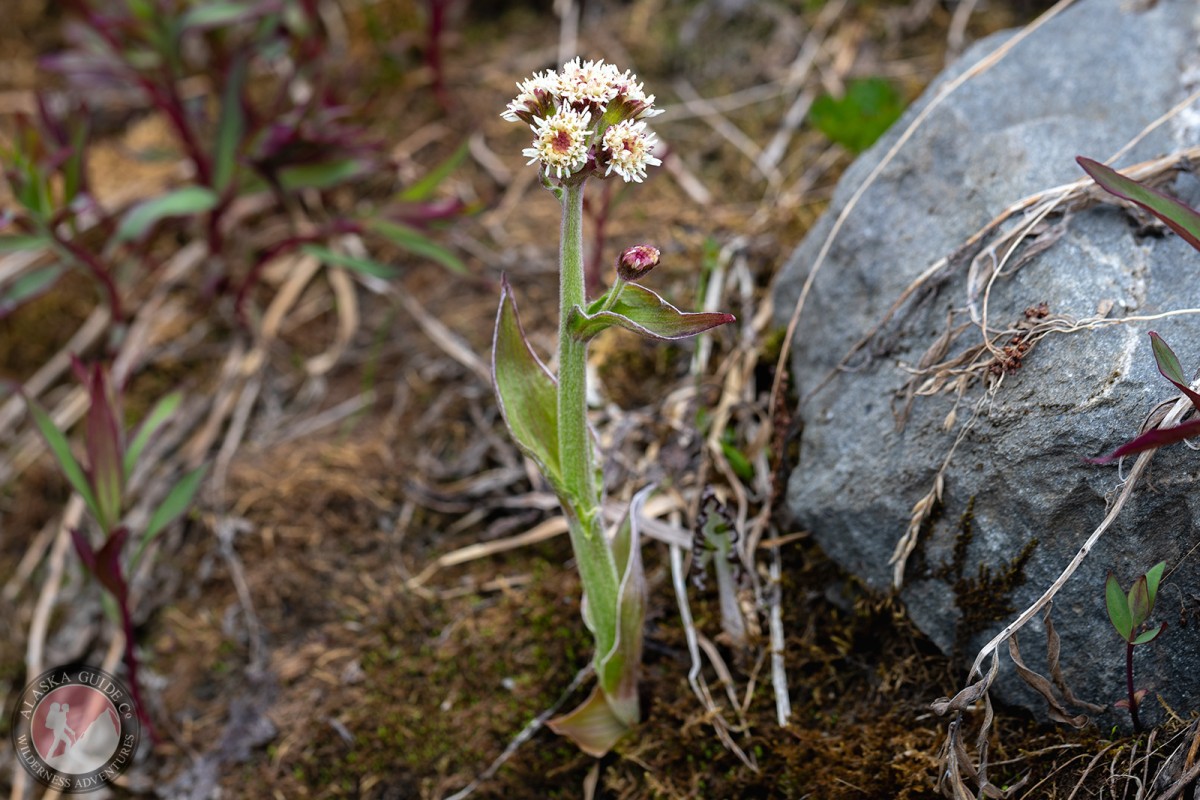
Sustainable Exploration and Accommodation
Exploring Alaska’s plant life goes hand-in-hand with responsible travel. The lifestyle of an eco-conscious traveler emphasizes minimizing impact and supporting local communities.
- Eco-Friendly Lodging: When planning your trip, consider staying in accommodations that prioritize sustainability. Options might range from cozy cabins near Talkeetna to luxury eco-resorts. For example, the Aurora Borealis Lodge near Fairbanks might appeal to those combining aurora viewing with daytime nature walks. A stay at the Denali Wilderness Resort or the Glacier Bay Eco-Retreat offers comfort alongside close proximity to pristine environments. In urban centers, hotels like Wildflower Inn Anchorage or Sitka Heritage Hotel can serve as comfortable bases for day trips. For longer stays or family trips, apartments and villas offering amenities like full kitchens can be found in larger towns.
- Responsible Foraging and Plant Conservation: While foraging for wild berries is a popular activity, it’s essential to do so responsibly. Always identify plants accurately, harvest sparingly, and never trespass on private land. Avoid disturbing fragile ecosystems, especially in sensitive areas like the tundra or along coastal zones. Learning about local indigenous knowledge of plants, often available through cultural centers or guided tours, can enrich your understanding and appreciation. Tour operators like Alaskan Alpine Adventures often incorporate discussions on conservation into their guided excursions.
- Planning Your Trip: Whether you’re on a budget travel adventure or a luxury travel escape, booking accommodation and planning activities in advance, especially during peak summer months, is crucial. Utilize comparison tools for hotels and explore reviews to find the perfect fit, from Kenai River Suites for fishing enthusiasts to remote lodges for ultimate seclusion. Embrace the local culture by dining at local restaurants and supporting small businesses.
In conclusion, the presence of Coltsfoot in Alaska serves as a subtle reminder of the interconnectedness of our world and the impact of human movement on natural landscapes. While it adds a touch of familiar yellow to Alaska’s disturbed grounds, the true botanical treasures lie in its unique native flora. For the discerning traveler, Alaska remains an unparalleled destination for exploring breathtaking natural landmarks, engaging in sustainable tourism, and experiencing a lifestyle deeply intertwined with the majesty of the wild. By understanding its ecosystems and respecting its delicate balance, every visitor can contribute to preserving the “Last Frontier” for generations to come.