
Embarking on a journey through the majestic landscapes of Colorado is an experience that tantalizes the senses, from the awe-inspiring peaks of the Rocky Mountains to the vibrant cultural tapestry of its cities. Whether you’re planning a luxurious escape to a five-star resort in Aspen, a family adventure exploring the natural wonders near Denver, or a budget-friendly exploration of historic mining towns, understanding the financial nuances of your trip is crucial. One of the key elements to consider is the Colorado sales tax. This isn’t just a minor detail; it’s a component that affects the overall cost of your accommodation, dining, attractions, and souvenirs. For any traveler, from the seasoned globetrotter to the first-time visitor, grasping how sales tax works in Colorado can lead to better budgeting and a more enjoyable travel experience.

The Colorado sales tax system is a mosaic, comprised of state, county, and often, special district taxes. This layered approach means that the rate you encounter can vary significantly depending on your precise location within the state. This is particularly relevant when considering your hotel bookings, as the specific city or even neighborhood can influence the final price. Imagine comparing two seemingly identical suites in different Colorado towns; the sales tax alone could create a noticeable difference. Similarly, when planning activities, from a thrilling ski day at Vail to a scenic drive through Rocky Mountain National Park, the added tax on lift tickets, equipment rentals, or even park entrance fees can accumulate. For those seeking to immerse themselves in the local culture and culinary scene, the tax on restaurant meals and local crafts directly impacts your budget for food and experiences.
Understanding the Layers of Colorado Sales Tax
Navigating the Colorado sales tax requires an understanding of its constituent parts. At its core, the state imposes a baseline sales tax rate. However, this is rarely the full picture. Counties are empowered to levy their own sales taxes, often to fund local services, infrastructure, or public transportation. This is where the variation across the state begins to become apparent. A purchase made in Denver County will likely have a different combined rate than one made in Boulder County.
Beyond the county level, many cities and special districts have opted to implement additional sales taxes. These can be for a variety of purposes, such as funding schools, improving parks, or supporting specific tourism initiatives. For instance, a city renowned for its landmarks or a particular type of activity might have a higher tax rate to help preserve its historical sites or enhance its visitor facilities. This means that even within the same county, two adjacent towns could have different total sales tax rates, impacting the cost of everything from a souvenir picked up in a quaint shop to a meal at a charming restaurant.
State Sales Tax: The Foundation
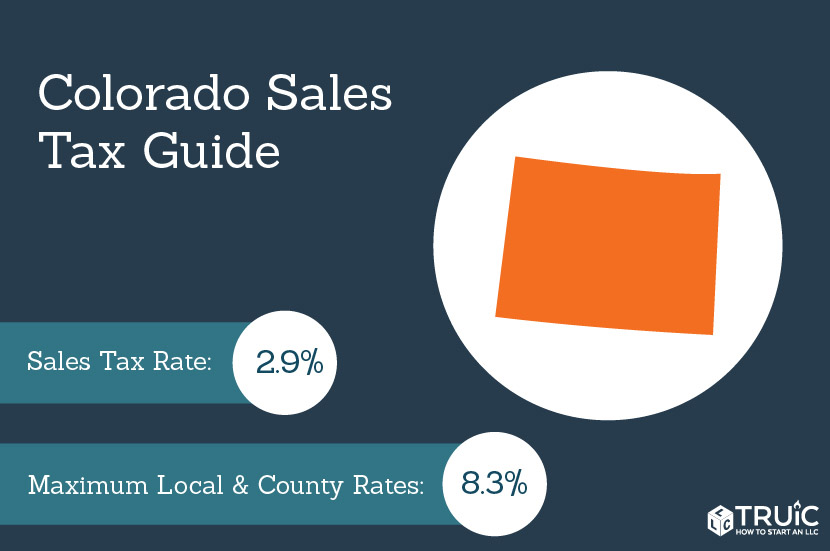
The foundation of the Colorado sales tax system is the state-level tax. This is the uniform rate applied across all jurisdictions within the state, unless specifically exempted. The purpose of this state tax is to generate revenue for general state operations, funding essential services such as education, public safety, and highway maintenance. For travelers, this rate is a constant, a predictable base upon which other taxes are added. When you purchase goods or services, this state tax is the first layer you’ll encounter. Understanding this base rate is the first step in deciphering the overall tax burden in Colorado. For instance, if you are considering a purchase of ski gear in Breckenridge or looking for a new piece of art in a gallery in Santa Fe, New Mexico (though not in Colorado, it serves as an example for comparison), knowing the state’s contribution to the final price is fundamental.
Local Sales Taxes: The Variable Component
The true complexity and variability of Colorado sales tax emerges with the addition of local taxes. As mentioned, counties and municipalities have the authority to levy their own sales taxes. This decentralized approach allows local governments to tailor tax revenues to their specific needs and priorities. For a traveler, this translates into a fluctuating tax rate depending on where they are spending their money.
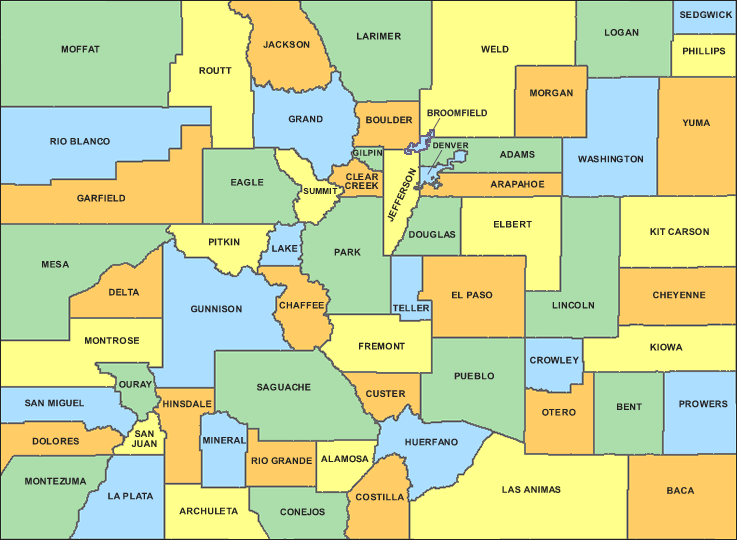
County-Level Taxes: Each of Colorado’s 64 counties can enact its own sales tax. These rates can differ significantly. For example, a tourist enjoying the pristine wilderness of Telluride might face a different county tax than someone exploring the historic charm of Pueblo. These taxes are often earmarked for county-wide services, such as road improvements, sheriff’s departments, or emergency medical services. When booking accommodation in a more rural or mountainous region, the county tax can be a more prominent percentage of the total.
Municipal and Special District Taxes: Cities and towns often add their own sales taxes on top of the state and county rates. These “special district” taxes are sometimes implemented to fund specific local projects, such as public parks, cultural facilities, or transportation infrastructure within that particular municipality. This is why staying at a luxury hotel in a bustling city like Colorado Springs might incur a higher total sales tax than a comparable stay in a smaller town, even if both are in the same county. These local taxes are a direct reflection of the community’s investment in its amenities and services, contributing to the overall quality of the tourism experience.
What is Taxable in Colorado?
In Colorado, the general rule is that most tangible personal property is subject to sales tax. This includes a wide array of items that a traveler might purchase, from everyday necessities to souvenirs and luxury goods. However, the taxability of services can be more nuanced. Understanding what is and isn’t taxed can help in planning your budget for your lifestyle choices in the state.
Tangible Personal Property
When you buy physical goods in Colorado, you can generally expect to pay sales tax on them. This encompasses everything from clothing and electronics to food items purchased in grocery stores (though some specific food items may be exempt), books, and mementos. If you’re staying at a villa and decide to stock up on groceries, the sales tax on those items will be factored into your shopping bill. Similarly, if you’re browsing for unique handicrafts in a local market or eyeing a piece of art from a famous place, the sales tax will be added to the sticker price. This applies whether you are on a budget travel excursion or indulging in a more high-end luxury travel experience.
Services and Their Taxability
The taxation of services in Colorado is a bit more complex and has historically been more limited than the taxation of tangible goods. For a long time, Colorado was known for its relatively low taxation of services. However, recent legislative changes have expanded the scope of taxable services. It is crucial for travelers to be aware of these developments, especially when utilizing various amenities and activities during their stay.
Generally, when you stay at a hotel, resort, or rent an apartment, the charges for the accommodation itself are subject to sales tax. This includes the base room rate and any associated fees. Furthermore, many services provided by these establishments, such as room service, mini-bar charges, and even certain resort fees, are also taxable. When enjoying amenities like spa treatments at a resort or participating in organized tours, it’s wise to inquire about the tax implications.
The expansion of taxable services in Colorado means that other activities you might engage in could also be subject to tax. This can include things like admission fees to certain attractions, charges for specific recreational activities, and professional services. For example, if you’re planning a guided hiking tour in the San Juan Mountains or a photography workshop focused on capturing the essence of the architecture in Denver, it’s advisable to confirm whether sales tax applies to these services. This evolving landscape of service taxation underscores the importance of staying informed as a traveler, ensuring no unexpected costs arise and that your travel tips include accurate financial planning.
Navigating Sales Tax for Your Colorado Trip
For any traveler planning a trip to Colorado, understanding the sales tax is an integral part of the planning process. Whether you are seeking a relaxing getaway in a mountain lodge, an adventurous expedition through the wilderness, or a cultural immersion in one of its cities, the sales tax will play a role in your overall expenditure.
Budgeting for Your Colorado Adventure
When you’re meticulously planning your family trip or a solo adventure, a realistic budget is paramount. The sales tax in Colorado needs to be factored into this budget. The combined state, county, and local tax rates can add a significant percentage to the final price of goods and services. For instance, if you plan on dining out frequently, purchasing souvenirs, or engaging in paid activities, it’s wise to add an estimated 6% to 10% (or even more in some highly taxed areas) to the advertised prices to get a more accurate picture of your spending. This foresight can prevent potential budget overruns and ensure a more stress-free journey. For example, if you’re eyeing a particular piece of art in a gallery in the art district of Denver, calculate the final cost including the relevant sales tax for that specific location.
Practical Tips for Travelers
To make your Colorado travel experience as seamless as possible, consider these practical tips regarding sales tax:
- Research Local Rates: Before you arrive, do a quick search for the sales tax rates in the specific cities and counties you plan to visit. Websites of the Colorado Department of Revenue or local government sites often provide this information. This is especially useful if you’re comparing accommodation options in different towns.
- Check for Exemptions: While most tangible goods are taxable, certain essential items might be exempt. For example, groceries are often taxed at a lower rate or are exempt in many areas. However, prepared foods and dine-in restaurant meals are typically subject to sales tax. It’s always good to clarify if you’re unsure.
- Understand Service Taxability: As mentioned, the landscape of taxable services is evolving. If you’re planning on utilizing specific services like guided tours, equipment rentals (e.g., ski or bike rentals), or spa treatments, inquire about whether sales tax is included in the quoted price. This is particularly relevant when booking experiences in popular tourist destinations like Aspen or Vail.
- Keep Receipts: For your own record-keeping and budgeting, it’s always a good idea to keep your receipts, especially for significant purchases. This can help you track your spending and verify the sales tax applied.
- Plan for Souvenirs and Gifts: If you intend to bring home souvenirs from your travels – perhaps a piece of local pottery from Taos, New Mexico (again, for comparison) or a custom-made item from a Colorado artisan – remember that sales tax will be added to the cost. Factor this into your souvenir budget.
By taking these simple steps, you can approach your Colorado vacation with a clear understanding of the sales tax, allowing you to fully immerse yourself in the stunning scenery, vibrant local culture, and unique attractions the Centennial State has to offer, from the majestic Pikes Peak to the historic streets of Central City. Your accommodation choices, dining plans, and souvenir shopping will all benefit from this informed approach, ensuring a well-managed and memorable trip.
LifeOutOfTheBox is a participant in the Amazon Services LLC Associates Program, an affiliate advertising program designed to provide a means for sites to earn advertising fees by advertising and linking to Amazon.com. Amazon, the Amazon logo, AmazonSupply, and the AmazonSupply logo are trademarks of Amazon.com, Inc. or its affiliates. As an Amazon Associate we earn affiliate commissions from qualifying purchases.