
Connecticut’s tax landscape is a nuanced subject for many residents, particularly when it comes to retirement income. For those who have diligently saved and are now relying on Social Security benefits, understanding the tax implications in the Nutmeg State is crucial for effective financial planning. The question, “Does Connecticut tax Social Security?” doesn’t have a simple yes or no answer; rather, it depends on a combination of factors including income level and other sources of retirement income.
The Nuances of Social Security Taxation in Connecticut
Historically, Connecticut has been known for its relatively high tax burden. However, in recent years, the state has made adjustments to its tax policies, including those affecting retirement income, to become more attractive to retirees. For Social Security benefits specifically, the state’s approach is tiered.
Income Thresholds and Exclusions
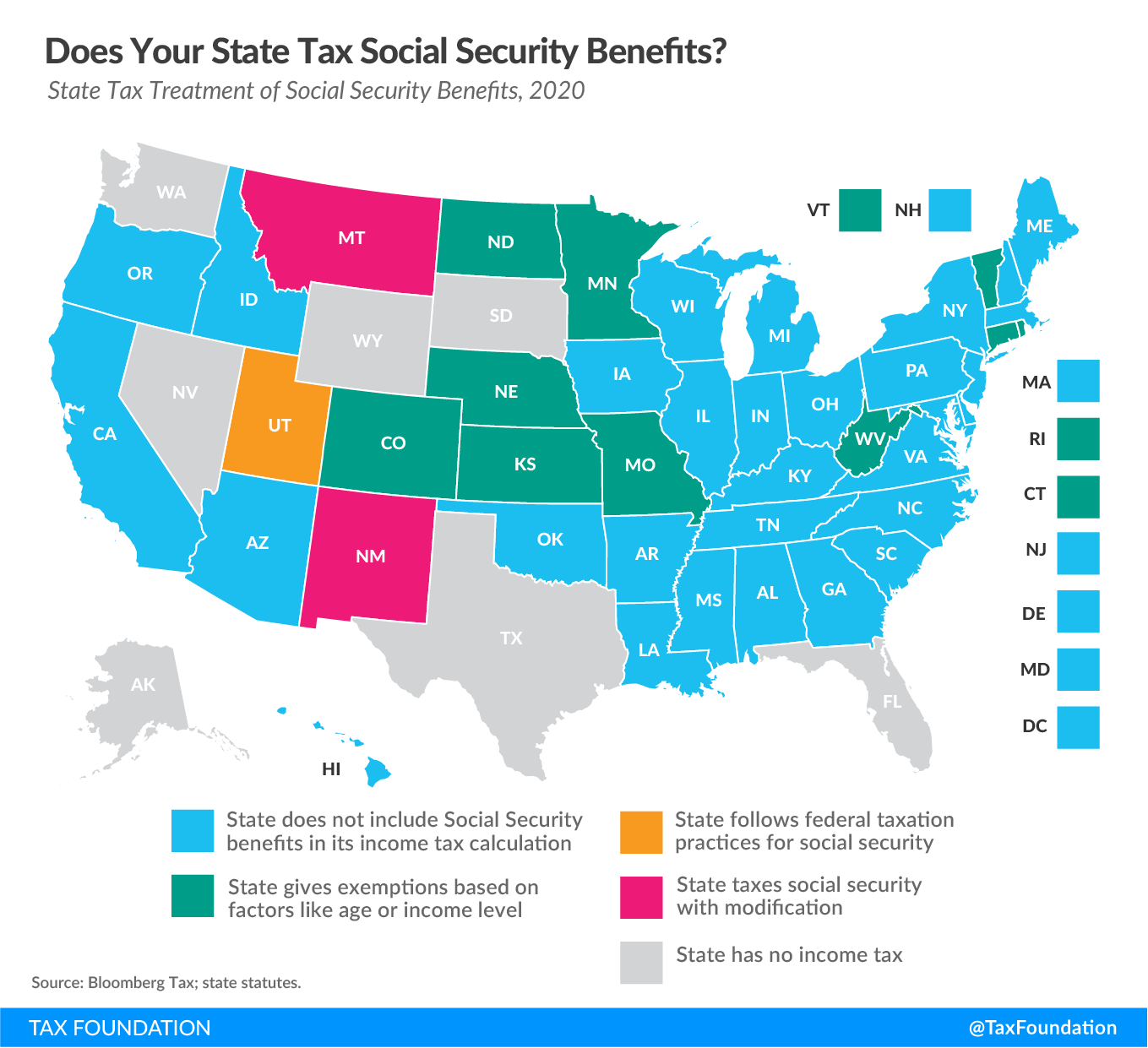
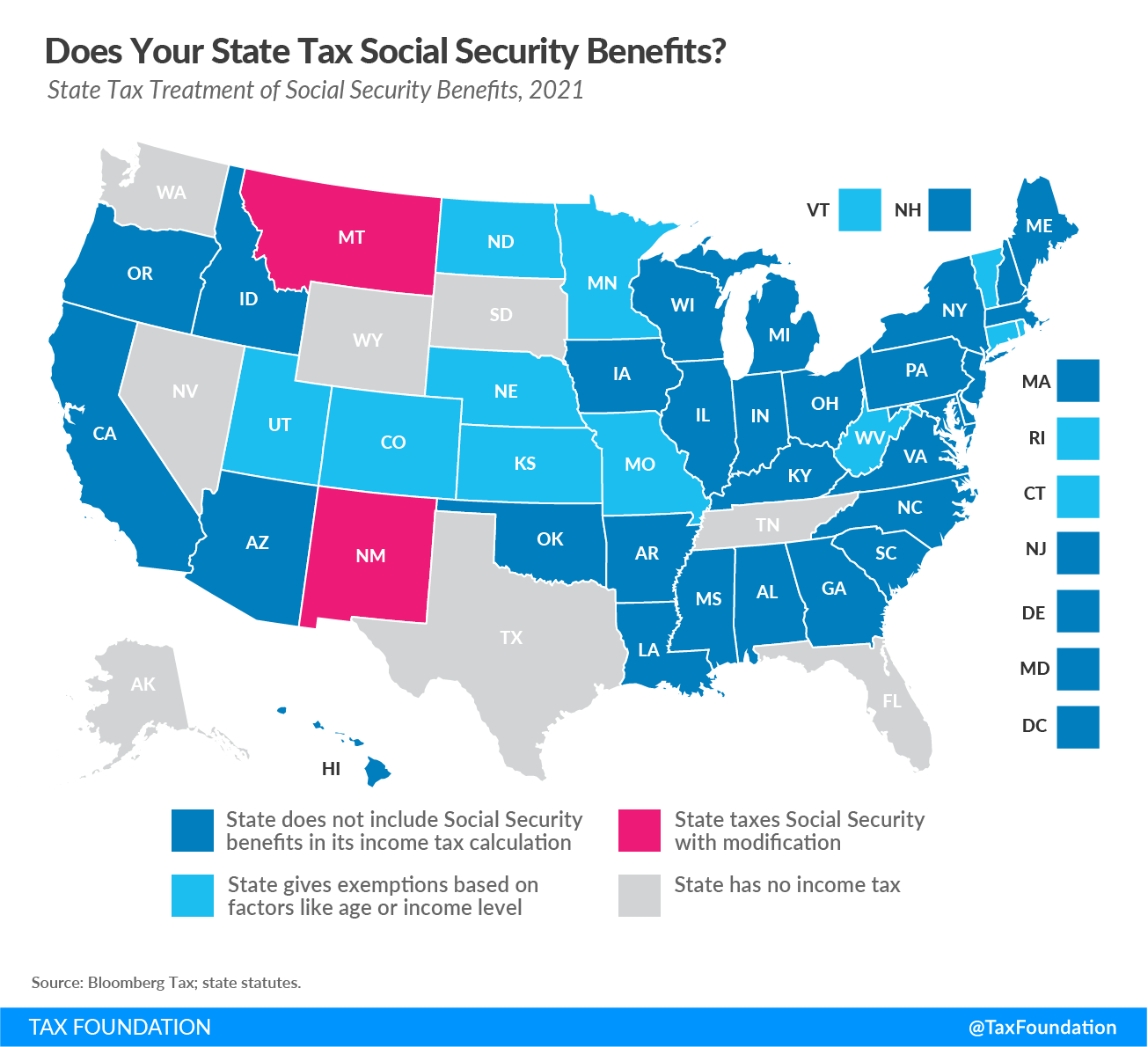
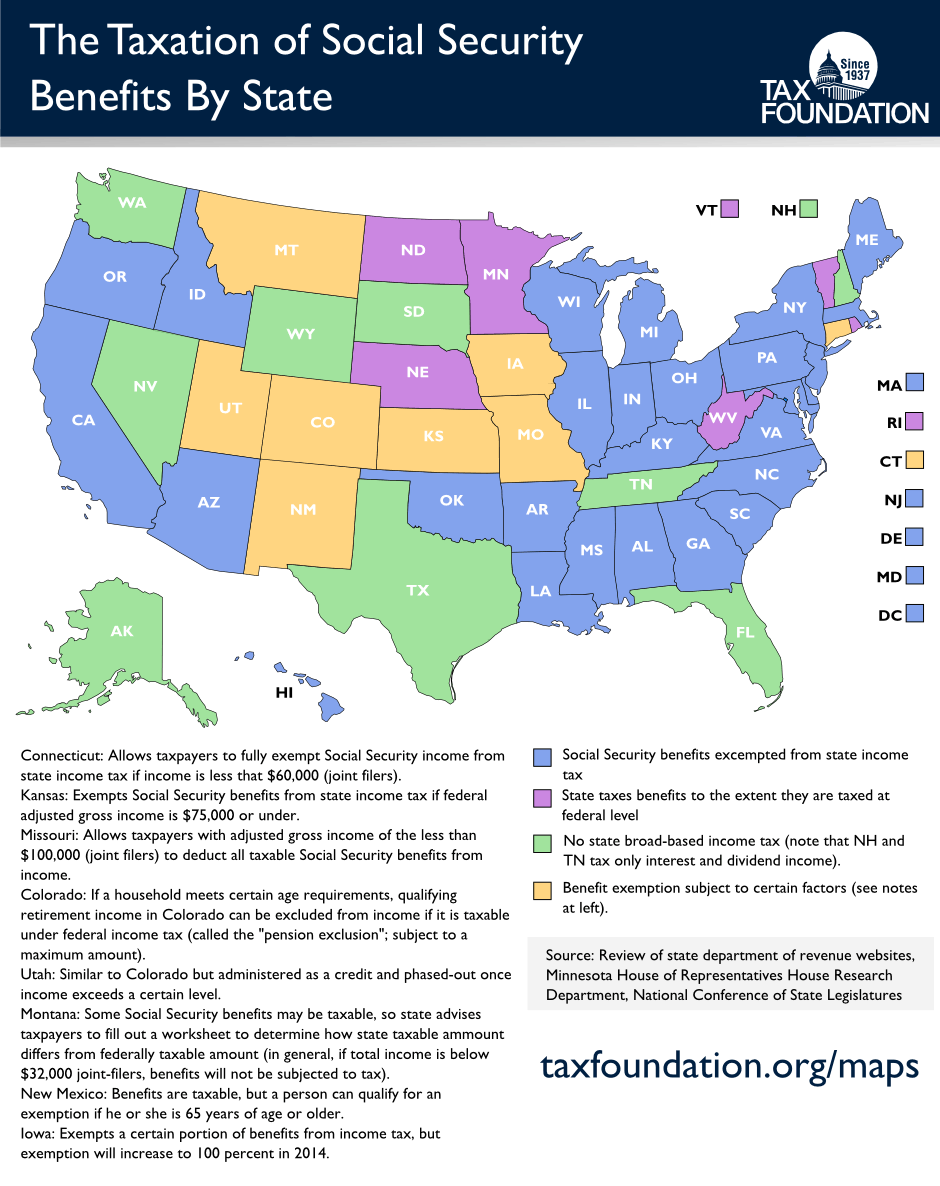
Connecticut offers an exemption for Social Security benefits, but this exemption is income-dependent. This means that not all retirees will see their Social Security income fully excluded from state income tax. The exemption is phased in and out based on adjusted gross income (AGI).
For single filers, if their AGI is below a certain threshold, their Social Security benefits are generally not taxed. As AGI increases, a portion of the Social Security benefits may become taxable. Once AGI surpasses another, higher threshold, the entire amount of Social Security benefits can be subject to state income tax. The exact income thresholds are adjusted annually by the Connecticut Department of Revenue Services to account for inflation.
Similarly, married couples filing jointly have their own set of income thresholds. These are typically higher than those for single filers, reflecting the higher expenses and income potential of a dual-income household. The principle remains the same: Social Security benefits are only taxed if the couple’s AGI exceeds the stipulated limits.
It is essential for retirees to consult the latest Connecticut tax forms and publications or a qualified tax professional to determine the precise income thresholds for the tax year in question. These figures can change, and misinterpreting them can lead to overpayment or underpayment of taxes.
Other Retirement Income Considerations
The taxation of Social Security benefits in Connecticut is often intertwined with other sources of retirement income. This includes pensions, annuities, and income from retirement accounts such as 401(k)s and IRAs.
Connecticut does offer a deduction for certain retirement income, which can help reduce the overall taxable income for retirees. This deduction can be applied to pensions and other retirement income sources, and its availability and amount are also subject to AGI limitations.
When calculating taxable income, retirees must consider how their Social Security benefits interact with these other deductions and income sources. For instance, if a retiree has significant income from pensions or 401(k)s, their AGI may be pushed above the threshold where their Social Security benefits begin to be taxed. Conversely, if other retirement income is minimal, they may remain within the exempt range for their Social Security benefits.
The state’s tax system is designed to provide some relief to retirees, but the interaction between different income streams and the graduated income tax rates means that each individual’s tax situation is unique. Careful planning and understanding of these interdependencies are key.
Planning Your Retirement Finances in Connecticut
Understanding the tax implications of Social Security is just one piece of the larger retirement financial puzzle in Connecticut. Retirees should also consider the state’s overall tax climate, cost of living, and available tax credits and deductions.
State Income Tax Rates
Connecticut has a graduated income tax system, meaning that higher levels of income are taxed at higher rates. This applies to all taxable income, including any portion of Social Security benefits that are deemed taxable, as well as other forms of retirement income. The highest marginal tax rate in Connecticut is competitive compared to some neighboring states, but the overall tax burden can still be significant for higher earners.
Property Taxes and Sales Taxes
Beyond income tax, retirees must also factor in other state and local taxes. Connecticut has property taxes, which are levied at the local level and can vary significantly from town to town. Retirees living on fixed incomes may find that property taxes are a substantial expense, especially in wealthier communities. Some towns offer exemptions or deferrals for seniors, which can provide much-needed relief.
The state also levies a sales tax on goods and services. While certain necessities may be exempt, the sales tax can add up over time, impacting the purchasing power of retirees. Understanding where to shop and what purchases are subject to sales tax can help manage expenses.
Tax Credits and Deductions for Seniors
Connecticut offers various tax credits and deductions that can benefit seniors, regardless of whether their Social Security is taxed. These can include deductions for Social Security income itself (as discussed), deductions for pensions and annuities, and potentially other credits related to age or specific circumstances.
For example, the state allows a deduction for certain retirement income, which can reduce the amount of pension or annuity income that is subject to tax. The availability and amount of these deductions are typically tied to AGI.
Furthermore, Connecticut residents aged 65 and older may be eligible for property tax relief programs. These programs vary by municipality and are often based on income and homeownership. It’s advisable for seniors to research the specific programs available in their town or city.
Key Takeaways for Retirees
Navigating the tax laws in Connecticut requires attention to detail. For Social Security benefits, the primary determinant of taxability is the retiree’s adjusted gross income.
Consult the Latest Official Information
Tax laws and thresholds are subject to change. It is imperative for retirees to consult the most current publications from the Connecticut Department of Revenue Services (DRS) or seek advice from a tax professional. The DRS website provides detailed information on income tax, including specific guidelines for retirement income and Social Security.
Proactive Financial Planning
Effective retirement planning involves anticipating tax liabilities. Retirees should:
- Estimate their Adjusted Gross Income (AGI): This is the cornerstone of determining Social Security taxability in Connecticut.
- Understand all income sources: Factor in pensions, IRAs, 401(k)s, annuities, and any other income to accurately calculate AGI.
- Research available deductions and credits: Connecticut offers several provisions to alleviate the tax burden on seniors.
- Consider the timing of income: In some cases, the timing of withdrawals from retirement accounts might influence AGI and, consequently, the taxability of Social Security.
Seeking Professional Guidance
For complex financial situations or when in doubt, consulting a tax advisor, financial planner, or an accountant who specializes in retirement planning is highly recommended. They can provide personalized advice tailored to an individual’s specific circumstances, ensuring compliance with Connecticut tax laws and optimizing financial strategies for retirement.
By staying informed and planning proactively, retirees in Connecticut can better manage their finances and enjoy their retirement with greater peace of mind, understanding exactly how their Social Security benefits are treated by the state’s tax system.
LifeOutOfTheBox is a participant in the Amazon Services LLC Associates Program, an affiliate advertising program designed to provide a means for sites to earn advertising fees by advertising and linking to Amazon.com. Amazon, the Amazon logo, AmazonSupply, and the AmazonSupply logo are trademarks of Amazon.com, Inc. or its affiliates. As an Amazon Associate we earn affiliate commissions from qualifying purchases.