
For travelers planning a vibrant escape to the Sunshine State, a common question often arises: Does Florida observe Daylight Saving Time? The simple answer, for most of the state, is yes – Florida springs forward and falls back like the majority of the United States. However, the story isn’t quite so straightforward, with legislative efforts attempting to make Daylight Saving Time permanent and a unique time zone split in its panhandle region adding layers of complexity. Understanding these nuances is crucial for any visitor, whether you’re meticulously planning your Orlando theme park adventures, soaking up the sun on Miami beaches, or exploring the historic streets of St. Augustine. The implications stretch from flight schedules and hotel check-ins to the duration of your evening strolls and the opening hours of local attractions. This comprehensive guide delves into Florida’s relationship with the clock, offering insights for planning your perfect trip and making the most of every sun-drenched moment.
The Sunshine State and the Clock: A Detailed Look
The temporal landscape of Florida is more dynamic than many realize, influenced by both federal mandates and a significant state-level push for change. While the rhythm of Daylight Saving Time dictates the clocks for most Floridians, the recent legislative efforts and the state’s geographic expanse introduce important distinctions that travelers should be aware of.
A Brief History of Time in Florida
Historically, Florida has largely adhered to the federal guidelines for Daylight Saving Time, which means residents and visitors experience the “spring forward” in March, losing an hour, and the “fall back” in November, gaining it. This biannual adjustment shifts daylight from the morning to the evening during warmer months, a practice designed to conserve energy and make better use of natural light. For a state so reliant on its natural beauty and outdoor activities, extended daylight hours in the evening seem like a natural fit.
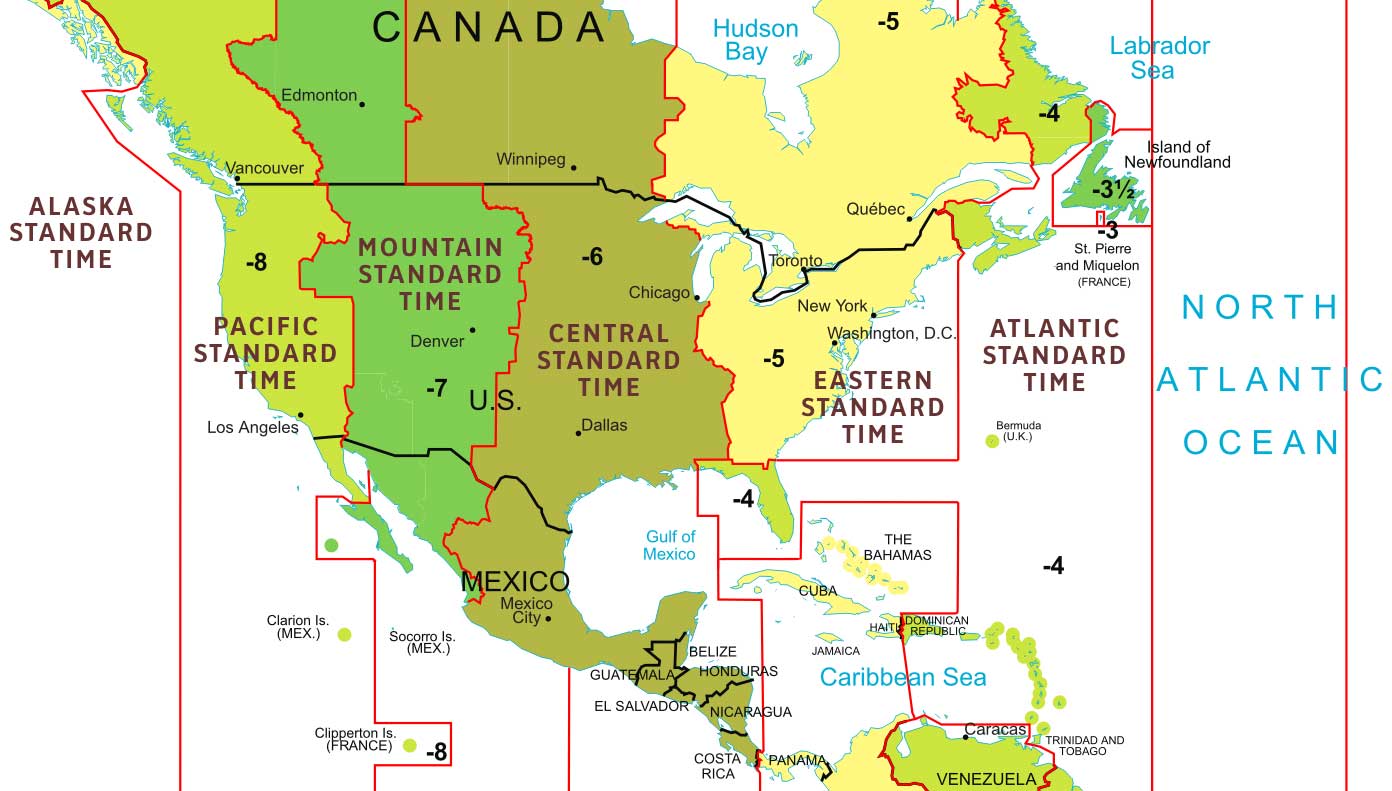
The vast majority of Florida operates in the Eastern Time Zone, aligning with major East Coast cities. This includes popular tourist hubs like Orlando, Miami, Tampa, and the entire Florida Keys. Consequently, when Daylight Saving Time is in effect, this large portion of the state observes Eastern Daylight Time (EDT), which is UTC-4. During the winter months, it reverts to Eastern Standard Time (EST), UTC-5. This standard practice is deeply ingrained in the daily life and tourism operations of these regions.
The Sunshine Protection Act: A Glimmer of Permanent Daylight?
The conversation around Daylight Saving Time in Florida took a significant turn with the passing of the Sunshine Protection Act by the Florida Legislature in 2018. This groundbreaking state bill proposed that Florida would permanently remain on Daylight Saving Time year-round. The motivation behind this legislative move was largely driven by the desire to provide residents and tourists with more daylight in the evenings, particularly benefiting the state’s massive tourism industry and outdoor lifestyle. Imagine year-round longer evenings for theme park visits, beach activities, and al fresco dining – a powerful draw for visitors.
However, despite its passage by the state, the Sunshine Protection Act cannot be implemented without federal approval from the United States Congress. Under current federal law, states are permitted to opt out of Daylight Saving Time and remain on Standard Time year-round (as Arizona and Hawaii do), but they are not allowed to make Daylight Saving Time permanent without a change in federal law. While there has been ongoing discussion and even attempts at the federal level to pass a national Sunshine Protection Act to allow states like Florida to make this change, as of now, these efforts have not been successful. This means that despite the state’s wishes, Florida continues to observe the biannual time change. Travelers should therefore not assume permanent Daylight Saving Time when planning their trips, at least not yet.
The Panhandle Anomaly: Central vs. Eastern Time
Beyond the complexities of Daylight Saving Time legislation, Florida also presents a unique geographical time zone split that primarily affects its panhandle region. While the majority of the state, including virtually all major tourist destinations, falls within the Eastern Time Zone, a significant portion of the Florida Panhandle operates on Central Time.
The dividing line roughly follows the Apalachicola River. West of the river, cities and towns like Pensacola, Panama City Beach, and Destin observe the Central Time Zone. This means they are an hour behind the rest of Florida. For instance, when it’s 3:00 PM in Miami, it’s 2:00 PM in Pensacola. East of the river, including the state capital Tallahassee and extending to the border with Georgia, the Eastern Time Zone prevails.
This time zone shift can be particularly perplexing for visitors traveling across the panhandle, especially those driving from neighboring Alabama or Georgia into Florida. It’s crucial to confirm the local time when making reservations for activities, dining, or accommodations in this region. Digital devices typically adjust automatically, but it’s always wise to double-check, especially if you have tightly scheduled plans that involve crossing this invisible time boundary. This unique geographic split, combined with the observation of Daylight Saving Time in both zones, means the panhandle experiences both the biannual clock changes and a constant one-hour difference from the rest of the state, making it a distinct temporal pocket within Florida.
Navigating Time Shifts: A Traveler’s Guide to Florida
For any traveler, understanding Florida’s time situation is not just an academic exercise; it’s a practical necessity that can impact every aspect of your trip, from booking flights to maximizing your enjoyment of the state’s incredible array of attractions. With most of Florida observing Daylight Saving Time and the panhandle’s distinct time zone, preparation is key to a seamless vacation.
Planning Your Florida Itinerary
When preparing your Florida adventure, always keep the spring forward and fall back dates in mind if your trip falls near these transitions (typically the second Sunday in March and the first Sunday in November). Flights, for instance, are usually scheduled according to the local time at departure and arrival airports. A flight arriving in Orlando on the day Daylight Saving Time begins might feel an hour shorter or longer depending on your starting point and the direction of travel, potentially impacting connecting flights or immediate plans upon arrival.
Hotel check-ins and check-outs are always based on local time. If you arrive on a day when the clocks change, your internal clock might be off, but the hotel operates strictly by the time on the wall. Similarly, pre-booked tour bookings, restaurant reservations, and attraction hours, such as those for Walt Disney World Resort or Universal Orlando Resort, will rigidly adhere to the adjusted time. Always confirm these details a day or two before, especially if visiting during a time change weekend. Remember that early morning activities like fishing charters or sunrise excursions will feel an hour earlier after the spring forward, requiring an even earlier start for those not used to the change. Conversely, evening shows and dinner reservations will feel later.
For those venturing into the Florida Panhandle, the continuous one-hour difference from the rest of the state demands extra vigilance. If you’re driving from Tallahassee (Eastern Time) to Pensacola (Central Time), you’ll gain an hour. Driving east, you’ll lose an hour. This can be critical for making timely connections or avoiding missing important appointments. Always set your phone to automatically update time zones, and consider having a traditional watch or double-checking with a local if you’re unsure.
Maximizing Your Daylight Hours
Florida’s appeal largely stems from its abundant sunshine and outdoor lifestyle. Daylight Saving Time plays a significant role in enhancing this experience by extending daylight into the evening. During the spring, summer, and early fall, when EDT is in effect, visitors can enjoy longer evenings at theme parks, linger longer on beaches like Miami Beach, or take advantage of late-afternoon rounds of golf. This extra hour of sunlight is a major boon for tourism, allowing for more flexible schedules and opportunities to experience Florida’s outdoor offerings without feeling rushed.
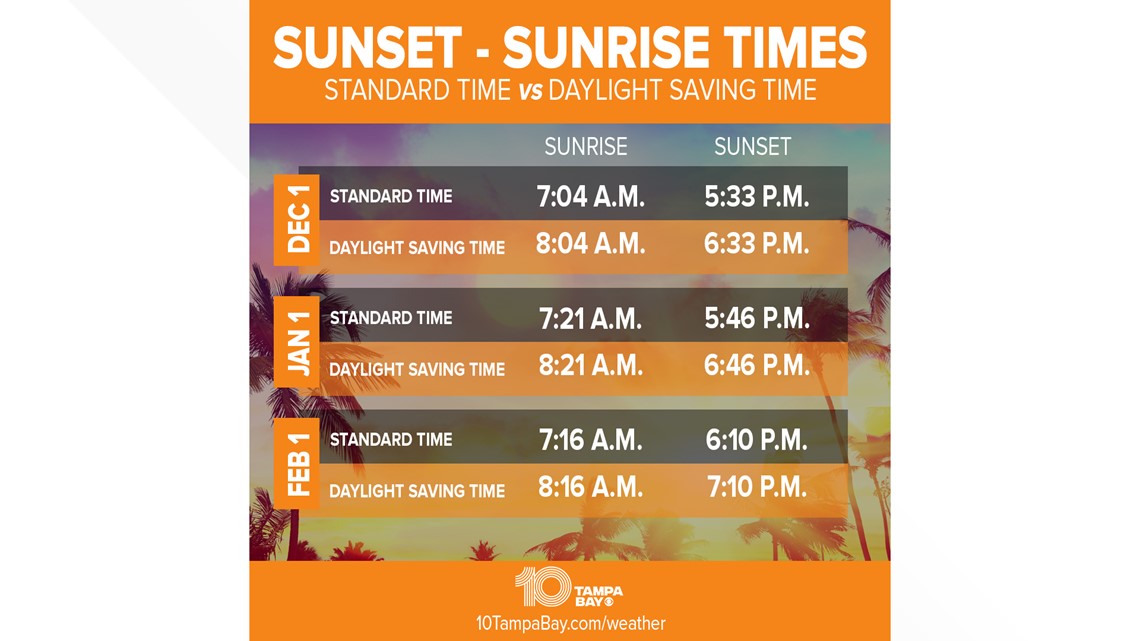
If your trip occurs during Standard Time (late fall to early spring), daylight hours will be shorter. This means sunset will occur an hour earlier than during Daylight Saving Time. To make the most of your day, consider an earlier start for popular attractions like Everglades National Park or Kennedy Space Center Visitor Complex. Planning indoor activities or evening shows for later in the day will help balance your itinerary. Regardless of the time of year, Florida offers ample opportunities for adventure, but being aware of the daylight schedule allows you to plan more effectively and soak up every bit of the sun.
Jet Lag and Time Zones for International Visitors
For international visitors, or even domestic travelers crossing multiple time zones into Florida, the concept of Daylight Saving Time adds another layer to managing jet lag. The change can feel like an additional hour lost or gained on top of the existing time difference from your origin, making adjustment slightly more pronounced. When flying from Europe, for example, where many countries also observe Daylight Saving Time but often on different dates, careful calculation is required.
To mitigate the effects, try to adjust your sleep schedule gradually in the days leading up to your departure. Once in Florida, expose yourself to natural light during the day, stay hydrated, and try to adhere to local meal and sleep times as quickly as possible. If arriving during the “spring forward” in March, acknowledge that your body will naturally feel an hour behind, so plan for a slightly slower pace on your first day. For those coming from regions that do not observe Daylight Saving Time at all, the shift can be more noticeable, highlighting the importance of pre-trip planning and mindful adjustment upon arrival.
The Impact on Florida’s Tourism and Lifestyle
Florida’s economy and way of life are inextricably linked to its climate and the rhythm of the sun. The debate and practice of Daylight Saving Time have profound implications for the state’s massive tourism industry, local businesses, and the daily routines of its residents.
Benefits of Extended Daylight for Tourism
The state’s unwavering push for permanent Daylight Saving Time through the Sunshine Protection Act is a testament to the perceived benefits of extended evening daylight for Florida’s primary economic driver: tourism. Longer daylight hours in the evening mean guests at resorts and vacation rentals can spend more time enjoying outdoor amenities, from swimming pools to beachfront dining. Theme parks like Walt Disney World Resort and Universal Orlando Resort can operate attractions later, potentially increasing visitor spend on rides, merchandise, and food. The vibrant nightlife of cities like Miami and Fort Lauderdale thrives with more evening light, encouraging patrons to stay out longer and frequent restaurants and entertainment venues.
For activities like boating on the Gulf of Mexico or the Atlantic Ocean, or exploring natural wonders like the Everglades, extra daylight provides more opportunity for visitors to engage with Florida’s unique ecosystems safely and comfortably. It also supports various local businesses, from small boutique hotels in Key West to airboat tour operators, by maximizing the usable hours for guest experiences. The economic ripple effect of extended daylight is considerable, bolstering employment and revenue across the hospitality, retail, and recreational sectors.
Local Life and Seasonal Changes
While tourists revel in the extended daylight, Florida residents also adapt their daily lives around the seasonal time changes. During Daylight Saving Time, families enjoy more outdoor time in the evenings after work and school, participating in sports, visiting parks, or simply relaxing on their patios. The change also influences local events, festivals, and farmers’ markets, which can extend their operating hours to capitalize on the natural light.
However, the “fall back” to Standard Time in November brings an earlier sunset, impacting daily routines. Commuters might find themselves driving home in the dark, and outdoor evening activities become less feasible without artificial lighting. Despite these shifts, Floridians are accustomed to the rhythm, and the transition usually occurs smoothly. The impact on local culture is subtle but present, influencing everything from dinner times to prime-time television viewing. For visitors staying for extended periods or considering a move to Florida, observing these local adaptations can offer a deeper understanding of life in the Sunshine State.
The Debate: For and Against Permanent DST
The debate over permanent Daylight Saving Time in Florida is robust, with proponents citing not only the economic benefits for tourism but also potential safety advantages, such as fewer pedestrian accidents due to improved evening visibility. Some studies suggest a reduction in crime rates with more evening daylight and even health benefits from increased exposure to natural light and opportunities for physical activity. The idea of ending the biannual clock change also appeals to many who find the disruption to sleep patterns and daily routines inconvenient.
However, there are also arguments against it. Critics point to the impact of darker mornings, particularly for school children waiting for buses, which could pose safety risks. Farmers and other agricultural workers often find permanent Daylight Saving Time disruptive to their schedules, which are typically tied to sunrise and sunset. Furthermore, the concern of being out of sync with other states and major industries could create logistical challenges, especially for businesses that operate across state lines. The federal government’s reluctance to approve such state-level changes stems from these broader implications and the desire for national uniformity in timekeeping. Until a national consensus or federal approval is reached, Florida will continue its current dance with Daylight Saving Time, leaving travelers to navigate its unique temporal landscape.
In conclusion, while the question “Does Florida do Daylight Savings?” receives a qualified “yes” for most of the state, the full picture is far more interesting. From the legislative push for permanent daylight to the distinct Central Time Zone in its panhandle, Florida’s relationship with time offers a unique blend of consistency and complexity. Travelers are well-advised to keep these nuances in mind when planning their visits, ensuring that every moment in the Sunshine State is enjoyed to its fullest, regardless of what the clock says.
LifeOutOfTheBox is a participant in the Amazon Services LLC Associates Program, an affiliate advertising program designed to provide a means for sites to earn advertising fees by advertising and linking to Amazon.com. Amazon, the Amazon logo, AmazonSupply, and the AmazonSupply logo are trademarks of Amazon.com, Inc. or its affiliates. As an Amazon Associate we earn affiliate commissions from qualifying purchases.