
Florida, a vibrant hub for travel and tourism, attracts millions each year with its stunning beaches, theme parks, and diverse lifestyle opportunities. Whether you’re a long-term resident, a new transplant, or simply planning an extended visit, understanding the state’s driving regulations is paramount. One question that occasionally surfaces, especially among individuals with a history of alcohol-related incidents or those seeking to understand the nuances of the law, is whether Florida driver schools or licensing processes routinely test for alcohol biomarkers like Ethyl Glucuronide (ETG) or Ethyl Sulfate (ETS).
The short answer to whether Florida driver schools or the initial licensing process test for ETG or ETS is generally no. For most individuals seeking to obtain a standard driver’s license in Florida, drug or alcohol testing is not a routine requirement. The primary focus of driver education and initial licensing is on demonstrating driving proficiency, understanding traffic laws, and meeting standard identification and residency requirements. However, this seemingly straightforward answer comes with significant caveats, particularly when dealing with situations involving Driving Under the Influence (DUI) offenses, probation, or license reinstatement processes. These specific circumstances are where ETG and ETS tests become highly relevant tools for monitoring sobriety.
This article delves into the specifics of Florida’s driver licensing system, clarifies the role of ETG and ETS testing, and outlines when these tests might be encountered by drivers in the Sunshine State. We will explore the implications for both residents and visitors, emphasizing the importance of responsible driving and adherence to Florida’s legal framework, which is crucial for enjoying all that Florida has to offer, from the bustling streets of Miami to the serene landscapes of the Everglades.
Understanding Florida’s Driver Licensing Landscape
Obtaining a driver’s license in Florida involves a standard procedure designed to ensure that new drivers are capable and knowledgeable. For the vast majority, this process does not include mandatory drug or alcohol testing.
The Standard Licensing Process and Drug Testing Realities
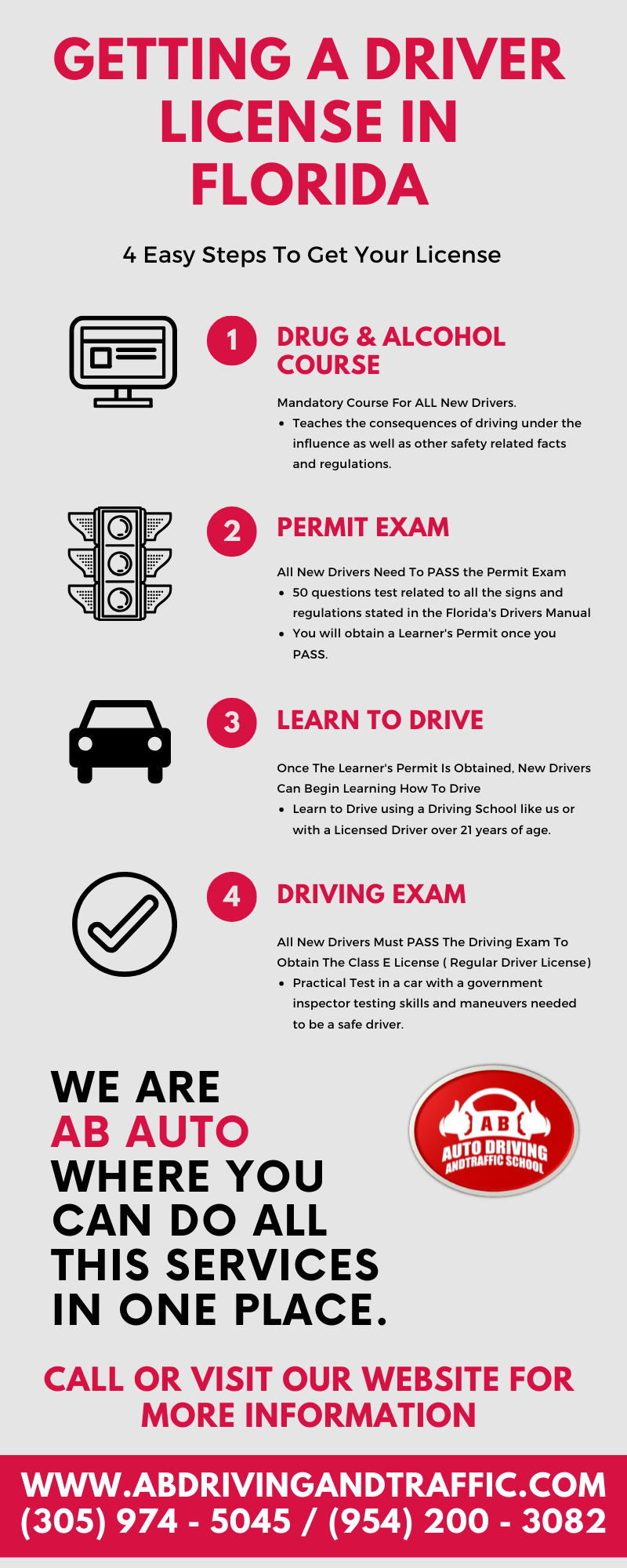
When applying for an initial Class E driver’s license in Florida, applicants typically need to:
- Be at least 15 years old for a learner’s permit, or 16 for a full license.
- Complete a Traffic Law and Substance Abuse Education (TLSAE) course. This course, often referred to as the “Drug and Alcohol Course,” is a mandatory educational program covering the dangers of driving under the influence of alcohol and drugs. It focuses on awareness and prevention, not on testing for substances.
- Pass a vision test.
- Pass a written knowledge exam covering traffic laws and road signs.
- Pass a driving skills test.
- Provide proof of identity, residency, and Social Security number.
The Florida Department of Highway Safety and Motor Vehicles (DHSMV) oversees this process, and its official requirements do not list routine drug or alcohol testing as a prerequisite for a standard license. The TLSAE course is an educational hurdle, not a screening one. This means that if you’re a young adult getting your first license or an adult moving to Florida and transferring your out-of-state license, you will not generally be asked to provide urine, blood, or hair samples for ETG/ETS analysis.
However, it’s crucial to distinguish between the general licensing process and specific legal or probationary circumstances. The absence of routine testing during initial licensing does not mean Florida is lax on impaired driving. On the contrary, the state has stringent laws and penalties for DUI offenses, and it is in these contexts that specialized testing becomes relevant.
What Are ETG and ETS Tests?
To fully understand when and why these tests are used, it’s important to know what ETG and ETS are.
- Ethyl Glucuronide (ETG) and Ethyl Sulfate (ETS) are direct metabolites of ethanol (alcohol). Unlike a standard breathalyzer or blood alcohol content (BAC) test, which measures the presence of alcohol itself in the body, ETG and ETS tests detect the breakdown products of alcohol.
- Detection Window: The primary significance of ETG/ETS tests is their extended detection window. While alcohol typically clears from the body within hours, ETG and ETS can be detected in urine for up to 80 hours (or even longer in some cases, depending on consumption levels and individual metabolism) after alcohol consumption. This makes them highly effective tools for monitoring abstinence over a longer period.
- Sensitivity: These tests are very sensitive and can detect even small amounts of alcohol consumption. This sensitivity is both a strength and a point of discussion, as incidental exposure to alcohol (e.g., from hand sanitizer, certain foods, or even some medications) can sometimes, though rarely, lead to a positive result, although laboratories often have thresholds to mitigate this.
The utility of ETG and ETS tests lies precisely in their ability to confirm alcohol use or abstinence long after the immediate intoxicating effects have worn off. This characteristic makes them invaluable in situations where continuous sobriety is mandated, such as probation, parole, or driver’s license reinstatement programs.
When ETG/ETS Testing Might Come into Play for Drivers in Florida
While not part of the initial driver’s license application, ETG and ETS testing play a critical role in the lives of many drivers in Florida who have faced legal issues related to alcohol. These tests are primarily utilized in correctional, rehabilitative, or judicial contexts to monitor compliance with court orders or program requirements.
Beyond the Initial Test: DUI, Probation, and Restoration
The most common scenario where a driver in Florida might encounter ETG/ETS testing is following a Driving Under the Influence (DUI) conviction. Florida’s DUI laws are strict, carrying significant penalties that can include fines, imprisonment, vehicle impoundment, mandatory substance abuse treatment, and driver’s license suspension.
- Probation Requirements: If a person is sentenced to probation for a DUI offense, a condition of that probation often includes refraining from alcohol consumption. To ensure compliance, the probation officer or the court may order regular, random drug and alcohol screenings, including ETG/ETS tests. These tests are crucial for verifying that the individual is adhering to the terms of their release and is committed to sobriety.
- License Reinstatement: For individuals whose licenses have been suspended due to DUI, the path to reinstatement often involves completing an Alcohol or Drug Abuse Education Course and possibly other treatment programs. The DHSMV or the courts may require proof of sustained sobriety before a driver’s license is fully restored. This proof can frequently involve ongoing ETG/ETS testing, especially if there’s a history of multiple offenses or if specific judicial oversight is in place.
- Hardship Licenses: In some cases, after a license suspension, individuals may be eligible for a “hardship license” that allows limited driving privileges (e.g., for work or school). Obtaining and maintaining a hardship license often comes with strict conditions, including regular monitoring for alcohol use, which can involve ETG/ETS testing.
- Court-Ordered Programs: Beyond DUI, other legal circumstances, such as child custody cases or professional licensing issues where alcohol use is a concern, might also lead to court-ordered ETG/ETS testing for individuals who also hold a Florida driver’s license. The common thread is a legal or rehabilitative requirement to demonstrate sustained abstinence from alcohol.
It is important for anyone in these situations to understand the sensitivity and detection window of ETG/ETS tests. Even a single drink can lead to a positive result within the testing window, potentially violating probation terms or delaying license reinstatement. Therefore, complete abstinence is the only sure way to pass these tests when they are mandated.
Implications for Visitors and New Residents
Florida’s allure as a top travel destination means a constant influx of visitors and new residents. How do these testing realities impact them?
- Visitors: For tourists enjoying Florida’s vibrant nightlife in places like South Beach in Miami or the International Drive area in Orlando, the primary concern is not ETG/ETS testing but avoiding a DUI altogether. A DUI conviction in Florida can have severe consequences, including hefty fines, potential jail time, and a criminal record that can impact future travel and employment. While initial driver school tests aren’t a concern, getting a DUI while visiting can lead to a suspended license, even for out-of-state drivers, making it impossible to drive legally during your stay and potentially affecting your license in your home state. Should a visitor face a DUI, any subsequent legal proceedings or probationary terms might very well involve ETG/ETS testing, even if they return to their home state.
- New Residents: Individuals moving to Florida who need to transfer an out-of-state driver’s license will go through a process similar to new applicants, minus the driving test if their out-of-state license is valid. Again, routine ETG/ETS testing is not part of this. However, if a new resident arrives with a prior DUI conviction from another state, or is still serving probation for such an offense, Florida authorities may recognize and enforce those conditions. This could involve mandated substance abuse programs or regular testing as part of their new state’s legal requirements or the terms of their existing probation being transferred. It’s imperative for new residents with any legal history related to impaired driving to consult with the DHSMV or legal counsel to understand how their past affects their driving privileges and obligations in Florida.
The key takeaway is that while the standard gates to driving in Florida are free of ETG/ETS tests, the subsequent legal landscape for those who have engaged in impaired driving is a different story, with these tests serving as critical compliance verification tools.
Navigating Florida’s Roads Responsibly: A Lifestyle Perspective
Understanding the legal framework surrounding driving and alcohol in Florida is more than just about avoiding penalties; it’s about embracing a responsible lifestyle that prioritizes safety for oneself and others on the road. For many, Florida represents freedom, exploration, and enjoyment, whether it’s a family trip to Walt Disney World in Orlando, a romantic getaway to the Florida Keys, or a business stay in Jacksonville. Responsible driving is fundamental to making these experiences positive.
Responsible Travel and Enjoying Florida’s Attractions
Florida’s economy thrives on tourism, offering a plethora of attractions, hotels, and dining experiences. Many of these experiences, particularly in urban centers and popular resort areas, involve opportunities for adults to enjoy alcoholic beverages. From craft breweries in St. Petersburg to beachfront bars in Fort Lauderdale, Florida caters to diverse preferences.
- Planning Ahead: For those who choose to consume alcohol, planning transportation in advance is crucial. Utilizing ride-sharing services like Uber or Lyft, designating a sober driver, or taking advantage of local taxi services and public transportation (where available) are excellent strategies. Many hotels and resorts also offer shuttle services to nearby attractions or can assist guests with arranging safe transportation.
- Understanding BAC Limits: Florida’s legal Blood Alcohol Content (BAC) limit for drivers is 0.08%. For commercial drivers, it’s 0.04%, and for drivers under 21, any detectable alcohol (0.02% or higher) is illegal under the “Zero Tolerance” law. It’s always safest to avoid driving after consuming any alcohol, as individual tolerance and metabolism vary greatly.
- Educational Initiatives: The TLSAE course, while not a testing ground, highlights the severe consequences of impaired driving. Embracing its message is key to preventing accidents and legal troubles that could disrupt travel plans, impact employment, and cause significant emotional and financial strain.
A lifestyle of mindful consumption and responsible decision-making ensures that everyone can enjoy Florida’s incredible offerings without compromising safety or legal standing.

Legal Counsel and Staying Informed
For anyone facing questions about Florida driving laws, especially concerning DUI, license reinstatement, or court-ordered testing, seeking professional legal advice is highly recommended.
- Consult an Attorney: An attorney specializing in Florida traffic law or criminal defense can provide accurate, personalized guidance based on your specific situation. They can explain your rights, help navigate complex legal processes, and represent your interests in court or with the DHSMV.
- DHSMV Resources: The Florida Department of Highway Safety and Motor Vehicles website (DHSMV) is an authoritative source for information on driver’s license requirements, traffic laws, and details regarding DUI penalties and license reinstatement procedures. Staying informed by regularly checking official sources ensures you have the most up-to-date information.
- Substance Abuse Treatment and Support: For those struggling with alcohol dependency, numerous resources are available throughout Florida, including support groups and treatment centers. Proactively addressing substance abuse issues is not only beneficial for legal compliance but, more importantly, for overall health and well-being.
By staying informed and acting responsibly, both residents and visitors can enjoy the freedom and opportunities that come with driving in Florida, making their time in the state memorable for all the right reasons.
In conclusion, while the average individual obtaining or renewing a driver’s license in Florida will not be subjected to ETG or ETS testing, these sophisticated alcohol biomarker tests are an integral part of the state’s legal and probationary system for individuals with DUI convictions or other alcohol-related legal mandates. Understanding this distinction is vital. Florida’s commitment to road safety is evident through its educational programs, stringent DUI laws, and the targeted use of advanced testing methods when necessary. For anyone planning to drive in this beautiful state, the message is clear: drive sober, drive safely, and be aware of your legal obligations to ensure a smooth and enjoyable journey through the Sunshine State’s many landmarks and attractions.
LifeOutOfTheBox is a participant in the Amazon Services LLC Associates Program, an affiliate advertising program designed to provide a means for sites to earn advertising fees by advertising and linking to Amazon.com. Amazon, the Amazon logo, AmazonSupply, and the AmazonSupply logo are trademarks of Amazon.com, Inc. or its affiliates. As an Amazon Associate we earn affiliate commissions from qualifying purchases.