
Florida, the Sunshine State, beckons millions of visitors each year with its sun-drenched beaches, world-class theme parks, vibrant cities, and lush natural landscapes. Whether you’re planning a luxurious escape to a beachfront resort, a family adventure to Orlando, or a cultural immersion in historic St. Augustine, understanding the financial aspects of your trip is crucial. One of the primary financial considerations for any traveler is sales tax. So, the question on many minds is: Does Florida have a sales tax? The answer is a resounding yes, but it’s more nuanced than a simple headcount.
Florida’s sales tax system is a blend of state and local levies, impacting everything from your hotel bill to your souvenir purchases. For travelers, this means factoring in an additional percentage on many goods and services purchased within the state. This guide aims to demystify Florida’s sales tax, providing you with the knowledge to budget effectively and avoid any surprises during your Sunshine State adventure. We’ll delve into the general rates, how they apply to various travel expenses, and what you can expect as you explore the diverse offerings of Florida.
Understanding Florida’s Sales Tax Structure
Florida operates on a state-wide sales tax rate, which is then augmented by local discretionary sales surtaxes in most counties. This means the total sales tax you pay can vary significantly depending on where in Florida you are vacationing. Understanding this dual-layered system is key to grasping the full picture.
The Base State Sales Tax Rate
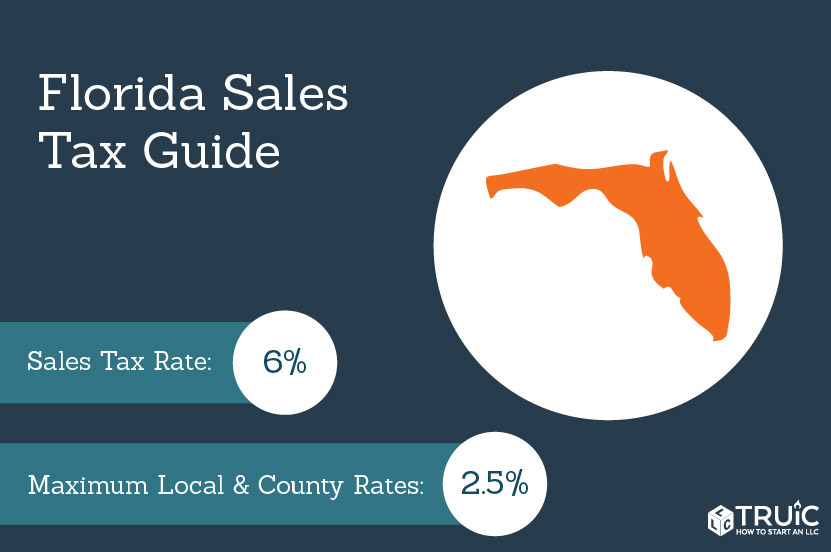
At its core, Florida has a state sales tax rate of 6%. This is the foundational percentage applied to taxable goods and services across the entire state. However, this 6% is just the starting point. For many purchases, especially those made by tourists in popular destinations, this rate will be higher.
Local Surtaxes: The Variable Factor
The primary reason for the variation in sales tax rates across Florida is the imposition of local discretionary sales surtaxes. These surtaxes are authorized by the state legislature but are levied by individual counties or regional taxing authorities. The rates of these surtaxes vary widely, typically ranging from 0.5% to 2.5%, though some areas might have even higher combined rates.
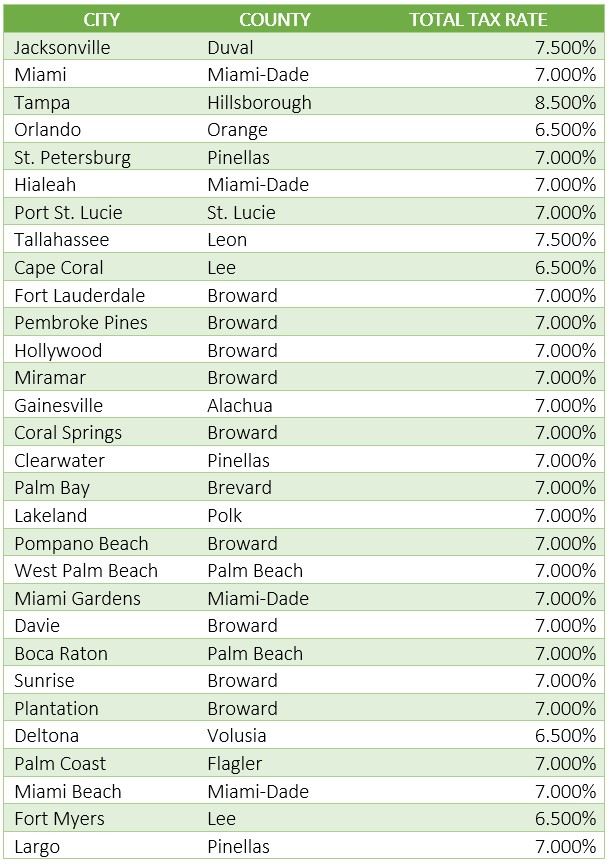
These local surtaxes are often implemented to fund specific local projects, such as infrastructure improvements, public transportation, or law enforcement. For travelers, this means that a purchase made in Miami-Dade County might have a different total sales tax rate than an identical purchase made in Pinellas County. For instance, a common total rate in many tourist-heavy areas like Orange County (home to many of Orlando’s attractions) can reach 7% or even higher when the state and local rates are combined.
What is Taxable and What Isn’t?
Generally, tangible personal property and certain services are subject to Florida’s sales tax. This includes a broad range of items that travelers are likely to encounter:
- Accommodations: Hotel rooms, resort suites, vacation rentals, and apartment stays are typically subject to sales tax. This is a significant cost for many travelers, and understanding the rate applied to your lodging is essential for budgeting.
- Retail Purchases: Clothing, electronics, souvenirs, and almost any tangible item you buy in a store will have sales tax added at the point of sale.
- Food and Beverages: The taxability of food and beverages can be complex. Prepared food sold in restaurants, convenience stores, and by caterers is generally taxable. However, unprepared food items sold in grocery stores for consumption at home are usually exempt. Drinks, including soda and alcoholic beverages, are generally taxable.
- Services: Many services are also taxable, including entertainment, admissions to attractions, repair services, and telecommunication services.
Exemptions: While the list of taxable items is extensive, there are notable exemptions. Unprepared food for home consumption is a significant one. Additionally, prescription medications and certain medical supplies are exempt. Some services, like basic cable television or most professional services, might also be exempt. It’s always a good idea to check the specific taxability of an item or service if you’re unsure.
Navigating Sales Tax on Your Florida Vacation
Understanding the general principles of Florida’s sales tax is one thing; applying them to your actual vacation plans is another. This section will break down how sales tax impacts common travel expenses, from booking your hotel to enjoying local attractions.
Sales Tax on Accommodations
For any traveler, securing a comfortable place to stay is paramount. Whether you opt for a luxurious suite at a Miami Beach resort, a family-friendly villa in the Orlando area, or a charming apartment rental, sales tax will almost certainly be added to your bill.
The total tax rate applied to your accommodation will be the combination of the state sales tax and the local discretionary sales surtax of the county where the property is located. For example, a hotel in Tampa will have a different tax rate on its rooms than a hotel in Key West. These rates can often be found on hotel booking websites or by inquiring directly with the accommodation provider. It’s wise to factor this additional percentage into your accommodation budget when comparing prices. Remember, the advertised nightly rate usually does not include this tax.
Taxing Your Entertainment and Experiences
Florida is a paradise for entertainment seekers, and unfortunately, many of these enjoyable experiences come with a sales tax. Tickets to theme parks like Walt Disney World Resort or Universal Orlando Resort, admissions to museums, zoos, aquariums, and sporting events are typically subject to sales tax.
The specific rate applied will again depend on the location of the attraction. A day at Busch Gardens Tampa Bay will incur a sales tax based on Hillsborough County‘s combined rate, while a visit to the Everglades National Park might have a different tax structure, especially if there are specific park entrance fees that are taxable.
This also extends to various tours and activities. A dolphin-watching tour in the Florida Keys, a guided nature walk in a state park, or even a golf tee time at a resort course will likely have sales tax added. When budgeting for these experiences, it’s prudent to assume that a portion of the ticket price will be allocated to sales tax.
Shopping for Souvenirs and Essentials
No trip is complete without a few mementos or essential items. Florida’s extensive retail landscape, from upscale boutiques in Palm Beach to souvenir shops lining the streets of St. Augustine, will add sales tax to virtually every purchase. This includes clothing, accessories, electronics, gifts, and any other tangible personal property.
The sales tax rate applied at the register will reflect the local surtax of the county where the store is located. So, shopping for that perfect piece of Florida-themed art in Sarasota will have a slightly different tax burden than buying a similar item in Jacksonville. For those on a budget, keeping track of these additions at checkout can help manage spending.
Special Considerations for Travelers
While the general rules of sales tax apply broadly, there are a few specific scenarios and considerations that are particularly relevant to travelers in Florida. These can range from exemptions you might be eligible for to specific taxes on certain goods and services.
Tax on Food and Dining
The taxability of food in Florida can sometimes be a point of confusion for visitors. As mentioned earlier, prepared food sold for immediate consumption is generally taxable at the standard state and local sales tax rates. This includes meals at restaurants, snacks from a concession stand, and food from a drive-thru.
However, many common grocery items, such as fresh produce, dairy products, bread, and meats, purchased at a supermarket for consumption at home are exempt from sales tax. This distinction is important for travelers who are staying in accommodations with kitchens and plan to prepare some of their own meals to save money. Beverages, including bottled water, soda, and alcoholic drinks, are typically taxable, regardless of where they are purchased. When dining out, expect the bill to reflect sales tax on your food and drinks.
Tourist Development Taxes (TDTs) and Other Local Taxes
Beyond the standard state and local sales tax, many popular tourist destinations in Florida impose additional taxes specifically aimed at funding tourism-related initiatives. These are often known as Tourist Development Taxes (TDTs), or sometimes referred to as “bed taxes” when applied to lodging.
These TDTs are levied on a per-night basis for accommodations and can add a significant percentage to your hotel bill, on top of the regular sales tax. The rates vary by county and municipality, often ranging from 2% to 6% or even higher. For instance, a stay in the Florida Keys will likely include a substantial TDT, while a similar stay in a less tourist-centric inland city might not. These taxes are crucial for funding advertising, marketing, visitor services, and capital projects that benefit the tourism industry. While they are an additional cost, they directly contribute to the amenities and attractions that draw visitors to these areas. It’s essential to check the specific TDT rates for your chosen destination when booking accommodations.
Are There Any Sales Tax Exemptions for Tourists?
Unfortunately, for most general purchases, tourists do not receive a blanket exemption from Florida’s sales tax. Unlike some countries that offer VAT refunds to international visitors, Florida does not have such a system for its general sales tax.
The primary exemptions in Florida are based on the type of good or service purchased (e.g., unprepared food, prescription drugs) or the specific use of the item (e.g., certain machinery used in manufacturing). Therefore, as a tourist purchasing souvenirs, dining out, or paying for entertainment, you should expect to pay the applicable state and local sales taxes.
However, it’s worth noting that some businesses, particularly those catering to international visitors, might offer specific promotions or package deals that could indirectly offset some costs. Always inquire if there are any special offers available. For purchases made online from out-of-state retailers, the rules can be more complex, but generally, if the seller has a nexus in Florida, they are required to collect and remit Florida sales tax.
In conclusion, while the Sunshine State offers an abundance of attractions and experiences, it’s crucial for travelers to be aware of and budget for sales tax. By understanding the state and local rates, the taxability of various goods and services, and any additional local taxes like TDTs, you can ensure a smoother and more financially predictable vacation in Florida. Happy travels!
LifeOutOfTheBox is a participant in the Amazon Services LLC Associates Program, an affiliate advertising program designed to provide a means for sites to earn advertising fees by advertising and linking to Amazon.com. Amazon, the Amazon logo, AmazonSupply, and the AmazonSupply logo are trademarks of Amazon.com, Inc. or its affiliates. As an Amazon Associate we earn affiliate commissions from qualifying purchases.