
Florida, often lauded as the “Sunshine State,” has long been a magnet for those seeking a vibrant lifestyle, sun-drenched beaches, and a welcoming environment for both relaxation and investment. From the bustling avenues of Miami and the theme park wonders of Orlando to the serene shores of Naples and the artistic allure of Sarasota, this diverse state offers an unparalleled array of experiences. For many, the decision to visit, invest in property, or even relocate to Florida is influenced by a multitude of factors, not least among them the financial climate. One question that frequently arises for potential residents, property owners, and those planning their long-term stay or retirement is: “Does Florida have an estate tax?” Understanding the answer to this question is crucial for effective financial planning, especially when considering the significant assets often associated with a luxury lifestyle, a second home, or a retirement haven. This article delves into Florida’s unique stance on estate taxes, its implications for residents and investors, and how it shapes the state’s appeal as a premier destination.
Understanding Estate Taxes: Florida’s Unique Position
Estate taxes, sometimes referred to as “death taxes,” are levies imposed on the transfer of a person’s assets after their passing. These taxes can be enacted at both the federal and state levels. The specifics of estate tax laws vary significantly from jurisdiction to jurisdiction, impacting how legacies are passed down and how much of an inheritance beneficiaries ultimately receive. For those drawn to the appeal of Florida, whether for an extended vacation, a seasonal escape, or permanent residency, understanding the state’s position on this particular tax is often a deciding factor.
The Sunshine State’s Approach to Inheritance
Florida has long cultivated a reputation as a tax-friendly state, and its approach to inheritance taxes is a cornerstone of this image. Unlike many other states that impose their own estate or inheritance taxes in addition to federal levies, Florida stands apart. This policy has historically made the state an attractive destination for retirees, high-net-worth individuals, and anyone looking to minimize the tax burden on their heirs. The absence of a state-level estate tax contributes significantly to the overall financial appeal of settling down in a Florida villa, investing in a beachfront condo in Palm Beach, or establishing a family legacy amidst the vibrant communities of Tampa or St. Petersburg. This favorable tax environment also extends to income and capital gains, further solidifying Florida’s position as a financially astute choice for residents and investors alike.
Dispelling the Myth: No State-Level Estate Tax in Florida
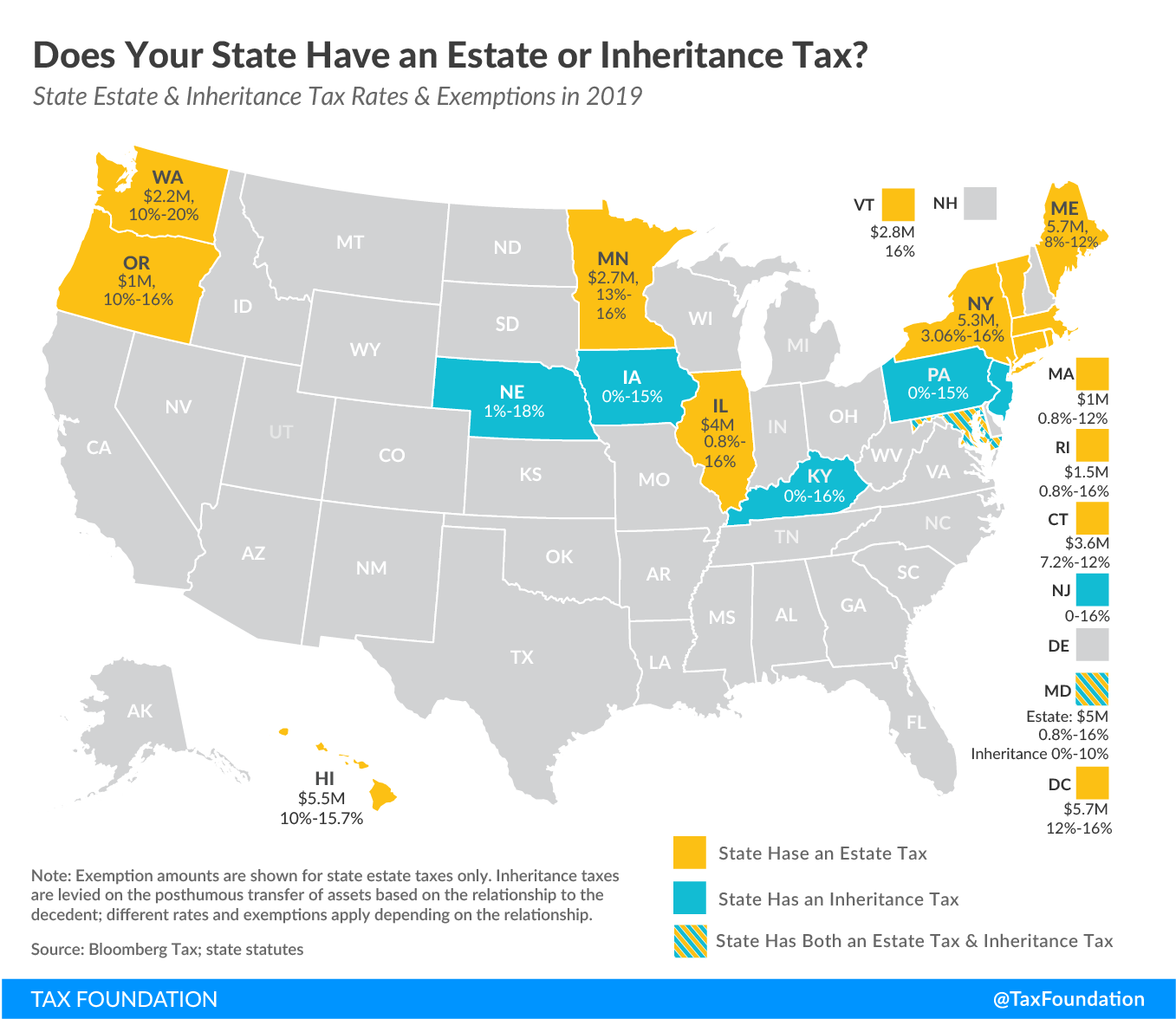
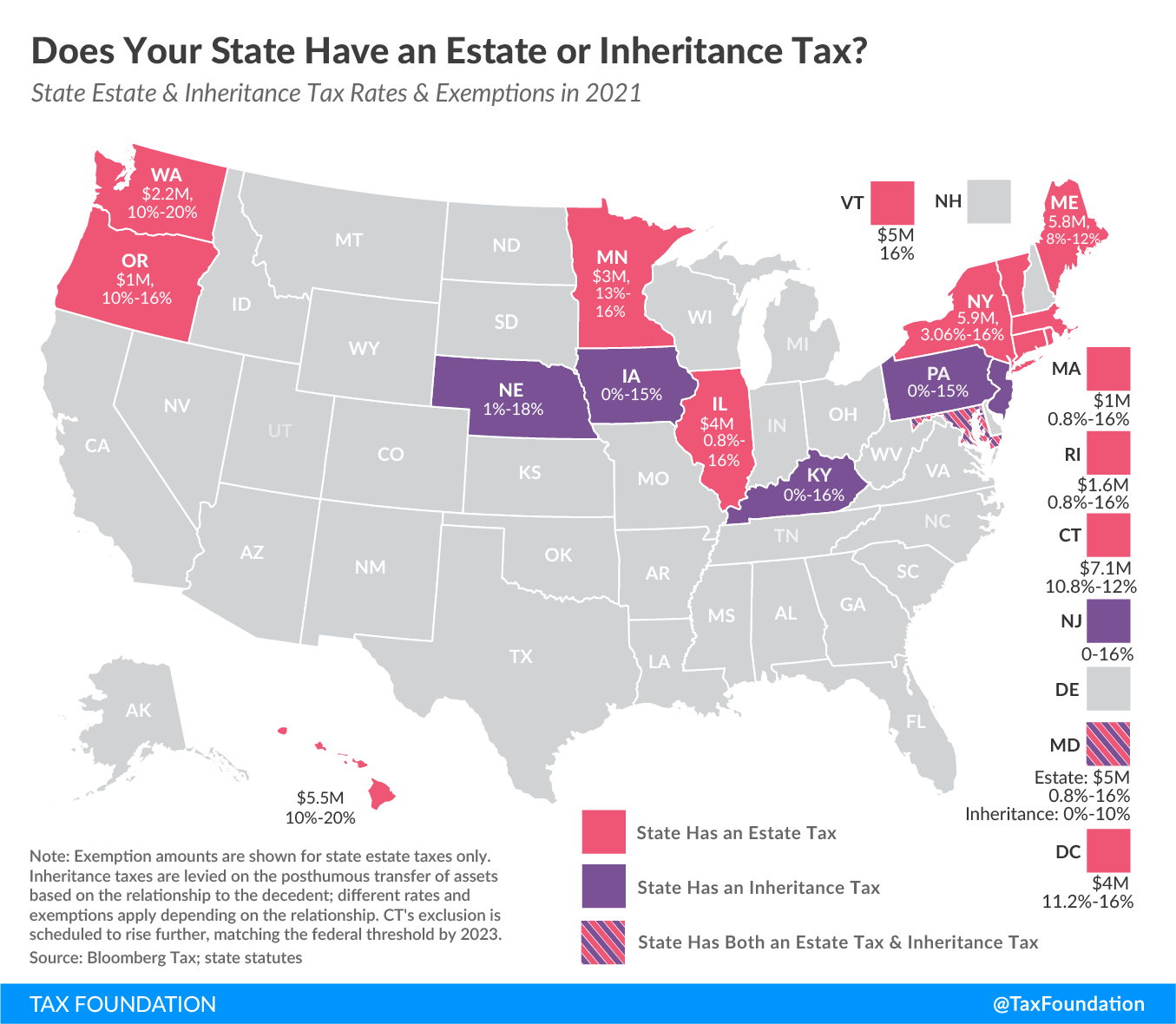
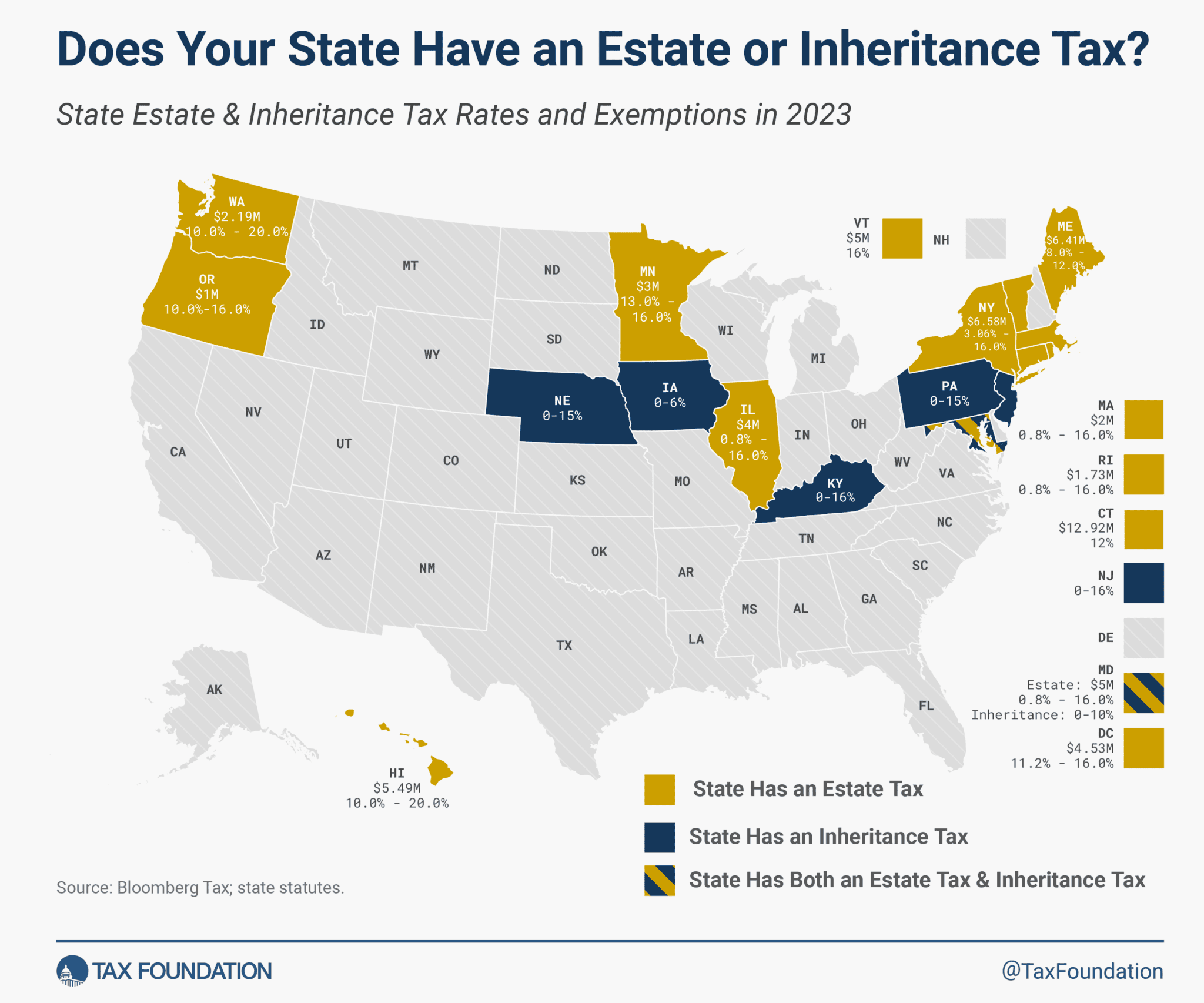
To directly answer the question: No, Florida does not have an estate tax. Since January 1, 2005, Florida abolished its state-level estate tax. Prior to this, Florida’s estate tax was tied to the federal estate tax credit for state death taxes, meaning the state only collected a portion of what would have otherwise gone to the federal government. However, changes in federal law phased out this credit, leading Florida, along with many other states, to eliminate its separate estate tax entirely.
This critical distinction means that when you pass away as a Florida resident, your estate will not be subject to any state-specific tax on the transfer of your assets to your beneficiaries. This is a significant advantage, particularly for individuals with substantial assets, including luxury properties, investment portfolios, or valuable collections often associated with a high-end lifestyle. The money that would otherwise be paid in state estate taxes can remain within the family, contributing to their financial well-being, funding future travel adventures, or maintaining family-owned vacation homes. This clarity on state taxes allows individuals to plan their estates with greater certainty, enhancing Florida’s reputation not just as a travel hotspot but also as a secure place for long-term financial planning and legacy building.
The Federal Estate Tax: A Broader Perspective for Florida Residents
While Florida itself doesn’t impose an estate tax, it’s crucial to remember that residents of the Sunshine State, like all United States citizens and permanent residents, are still subject to the federal estate tax. This federal levy applies to the total value of an individual’s gross estate upon their death, exceeding a certain exemption threshold. Understanding how this federal tax interacts with Florida’s no-state-tax policy is vital for comprehensive estate planning, especially for those who have built substantial wealth through successful careers, shrewd investments, or ownership of valuable real estate in sought-after Florida locations.
Navigating the Exemption Threshold
The federal estate tax is only applicable to estates that exceed a specific exemption amount, which is adjusted annually for inflation. For instance, in 2023, the federal estate tax exemption was $12.92 million per individual. This means that an individual’s estate would only be subject to federal estate tax if its total value, including all assets like real estate, investments, life insurance proceeds, and personal property, exceeded this multi-million-dollar threshold. For married couples, the exemption is effectively doubled, allowing them to shield an even larger sum from federal estate taxes.
For the vast majority of Florida residents, their estates will fall below this significant federal exemption, meaning they will not owe any federal estate tax either. This makes the Sunshine State’s appeal even greater, as many can enjoy a tax-free inheritance at both the state and federal levels. However, for those with exceptionally large estates, particularly individuals who own multiple luxury properties, yachts, private jets, or extensive investment portfolios, careful planning around the federal estate tax remains a critical component of their financial strategy. This is where the guidance of estate planning professionals becomes invaluable, ensuring that assets are structured in a way that minimizes potential federal tax liabilities while maximizing the legacy for future generations to enjoy the many wonders of Florida and beyond.
Implications for High-Net-Worth Individuals and Estates
For high-net-worth individuals and families, the absence of a state estate tax in Florida is a significant advantage. It simplifies estate planning by removing one layer of complex taxation that exists in many other states, such as New York or California. This means that for a Florida resident, the entire focus of estate tax planning can be directed towards managing the federal implications, rather than juggling both state and federal requirements.
This can free up considerable resources and effort that might otherwise be spent navigating dual tax systems, allowing more time to be dedicated to enjoying the Florida lifestyle – perhaps exploring the vibrant art scene in St. Petersburg, sailing the beautiful waters off Key West, or enjoying the world-class amenities of resorts in Orlando and Miami. Moreover, the lack of a state estate tax can play a role in decisions regarding domicile for ultra-high-net-worth individuals, influencing where they choose to establish their primary residence to optimize their overall tax position. This favorable environment is part of what makes Florida not just a top travel destination, but also a strategic choice for long-term residency and wealth preservation, aligning perfectly with a lifestyle that values both leisure and financial acumen.
Financial Planning in Florida: Protecting Your Legacy and Lifestyle
The absence of a state estate tax in Florida is undoubtedly a significant benefit, but effective financial planning extends far beyond just tax considerations. For those who choose to make the Sunshine State their home, whether permanently or for extended periods, comprehensive estate planning is essential to protect assets, ensure smooth wealth transfer, and maintain the desired lifestyle for beneficiaries. This is particularly true for individuals who have invested in Florida’s booming real estate market, from luxury Miami penthouses to spacious Orlando vacation homes or serene Gulf Coast retreats. Proper planning ensures that the beauty and value of these investments can be passed down efficiently, preserving the legacy for future generations to enjoy all that Florida has to offer.
Why Florida Remains a Top Destination for Retirement and Investment
Florida’s appeal as a top destination for retirement and investment is multi-faceted, with its favorable tax climate being a major draw. Beyond the absence of state estate tax, Florida also boasts no state income tax, making it attractive for retirees living on pensions and investment income. This creates a compelling financial incentive that, when combined with the state’s natural beauty, vibrant culture, and extensive recreational opportunities, makes it a premier choice.
From world-renowned attractions like the Walt Disney World Resort and the Universal Orlando Resort to the pristine beaches of South Beach and the ecological wonders of Everglades National Park, Florida offers a lifestyle that caters to diverse tastes and preferences. Property ownership in Florida, whether a vacation home, a retirement villa, or an investment property, is seen not just as a financial asset but also as an entry point to this desirable lifestyle. The diverse range of accommodation options, from opulent resort suites to cozy long-term rental apartments, caters to every budget and desire, further enhancing the state’s attractiveness. This strong market, combined with tax advantages, ensures that investments here are not only enjoyable but also financially sound, providing peace of mind for property owners and their heirs.
Estate Planning Strategies for Florida Homeowners and Travelers
Even without a state estate tax, robust estate planning is critical for Florida homeowners and frequent travelers. A well-crafted estate plan ensures that your wishes regarding your assets, healthcare, and beneficiaries are legally documented and honored. This is especially important for individuals who own properties in Florida but may reside primarily in another state or country for part of the year, often referred to as “snowbirds” or international investors.
Key components of an effective Florida estate plan include a last will and testament, which dictates how your assets are distributed, and potentially a revocable living trust, which can help avoid probate and provide greater privacy and control over asset distribution. Designating powers of attorney for both financial and healthcare decisions ensures that trusted individuals can manage your affairs if you become incapacitated, a crucial consideration for anyone enjoying an active, travel-filled lifestyle. For those with significant assets, including luxury homes in Jacksonville or yachts docked in Fort Lauderdale, careful consideration of asset titling and beneficiary designations on accounts is paramount. These strategies, combined with the state’s favorable tax laws, contribute to a secure financial future and a continued ability for families to enjoy Florida’s unique charm, from its vibrant cities to its serene natural landscapes.
Trusts, Wills, and Asset Protection in the Sunshine State
In Florida, the tools of estate planning are particularly powerful due to the state’s protective laws and lack of state-specific death taxes. Trusts, for example, are highly versatile instruments that can be used to manage assets, provide for minor children or beneficiaries with special needs, and protect inheritances from creditors. A common strategy involves placing Florida real estate into a revocable living trust, which allows the property to bypass the probate process upon the owner’s death, saving time, cost, and maintaining privacy for the family. This is particularly advantageous for those who own vacation villas or long-term rental properties, ensuring a seamless transition for continued enjoyment or income generation.
Wills, while subject to probate, remain fundamental for expressing final wishes regarding asset distribution and appointing guardians for minor children. Beyond wills and trusts, Florida’s strong homestead protection laws offer significant asset protection for primary residences from creditors, an invaluable benefit for homeowners. For those embracing a luxury lifestyle or preparing for retirement, incorporating these legal instruments into a comprehensive financial plan ensures that their legacy, including their cherished Florida properties and the associated memories of travel and tourism, is preserved and passed on according to their exact wishes, free from unnecessary taxation and legal hurdles. Engaging with experienced Florida estate planning attorneys can help navigate these complexities, offering tailored advice that considers individual assets, family dynamics, and lifestyle goals within the context of the Sunshine State’s unique legal landscape.
Beyond Taxes: The Allure of Florida for Long-Term Stays and Investments
While the favorable tax environment, especially the absence of a state estate tax, is a significant draw for Florida, the state’s enduring appeal goes far beyond fiscal considerations. Florida consistently ranks as a top global destination for tourism, long-term stays, and property investment due to its unparalleled combination of natural beauty, diverse attractions, and a lifestyle that caters to every age and interest. This holistic appeal influences decisions for everything from booking luxury hotels for a short escape to investing in a permanent residence or a lucrative vacation rental. The interplay between financial prudence and lifestyle enrichment is what truly defines the Florida experience, making it a place where dreams of sunny days and secure futures seamlessly merge.
Exploring Florida’s Diverse Lifestyle and Accommodation Options
Florida offers an incredible spectrum of lifestyles. From the cosmopolitan glamour of Miami, known for its vibrant nightlife, world-class dining, and iconic Art Deco architecture, to the family-friendly excitement of Orlando, home to legendary theme parks like Walt Disney World Resort and Universal Orlando Resort, there’s truly something for everyone. The Gulf Coast beckons with its tranquil, sugar-sand beaches in places like Sarasota and Naples, offering a more relaxed, upscale pace ideal for retirement or quiet getaways. Meanwhile, the Atlantic Coast provides surf, sun, and historical charm, from the historic streets of St. Augustine to the space-age wonders near the Kennedy Space Center Visitor Complex.
This diversity extends to accommodation options, which are as varied as the landscapes themselves. Travelers can choose from ultra-luxury resorts offering five-star amenities, boutique hotels nestled in historic districts, expansive family suites perfect for long vacations, or private villas and apartments for those seeking extended stays or a home-away-from-home experience. For budget-conscious travelers, there are numerous comfortable and well-appointed hotels and motels. The strong tourism infrastructure supports a robust market for booking, reviews, and comparison, allowing visitors to tailor their stay perfectly. This broad appeal ensures that whether you are planning a short trip or considering a long-term relocation, Florida provides an ideal backdrop for any lifestyle, amplified by the state’s financial advantages.
From Luxury Resorts to Family-Friendly Destinations: Making Florida Your Home Away From Home
Florida’s reputation as a world-class travel destination is built on its ability to cater to every kind of traveler. For those accustomed to a life of luxury, the state boasts an impressive collection of high-end hotels and resorts, particularly in areas like Palm Beach, South Beach, and Naples, offering opulent suites, championship golf courses, and exclusive spa treatments. These establishments often become a “home away from home” for discerning guests, many of whom eventually decide to invest in real estate nearby.
Families, on the other hand, flock to Orlando for its legendary theme parks and entertainment complexes. Beyond the thrill rides, Florida offers countless opportunities for family-friendly experiences, from exploring wildlife at Busch Gardens Tampa Bay to snorkeling in the clear waters of the Florida Keys. Many families opt for spacious vacation rentals – private villas with pools or multi-bedroom apartments – providing comfort and convenience for longer stays. This blend of high-end offerings and accessible family adventures underpins Florida’s success as a tourism powerhouse. The ease of long-term accommodation, coupled with the state’s welcoming economic environment, encourages repeat visits and ultimately, permanent residency for many, allowing them to truly integrate the Sunshine State into their lifestyle and legacy.
The Impact on Property Ownership and Tourism in Key Florida Cities
The absence of a state estate tax, combined with other favorable tax policies, significantly influences property ownership and tourism trends across Florida’s key cities. Cities like Miami, with its international appeal and bustling port, attract global investors looking for luxury real estate and robust rental markets. Orlando, as the “Theme Park Capital of the World,” sees a continuous influx of tourism, fueling a strong market for short-term vacation rentals and resort properties. The investment in accommodation, from boutique hotels to sprawling resorts, is directly tied to this demand, creating a vibrant ecosystem for both visitors and property owners.
In coastal gems like Sarasota, Naples, and Palm Beach, the luxury real estate market thrives, drawing retirees and snowbirds who appreciate the refined lifestyle, cultural amenities, and the promise of preserving their wealth. Even in growing urban centers like Jacksonville and Tampa, the positive economic climate encourages new residents and businesses, further bolstering property values and expanding tourism offerings. The lack of an estate tax provides an added layer of financial security for these investments, ensuring that the dream of owning a piece of the Sunshine State can be passed down without excessive financial burdens, perpetuating Florida’s allure for generations to come. This makes Florida not just a temporary escape, but a place where long-term plans, secure investments, and an enviable lifestyle coalesce.
In conclusion, for those contemplating a move, a significant investment, or a prolonged stay in Florida, the answer to “Does Florida have an estate tax?” is a reassuring no. This, coupled with the state’s diverse attractions, stunning landscapes, and wide array of accommodation and lifestyle options, solidifies its position as a premier destination for both living and investment. While federal estate tax considerations remain for larger estates, Florida’s state-level tax policies provide a significant advantage, empowering individuals to preserve their legacy and continue to enjoy the unparalleled experiences the Sunshine State has to offer.
LifeOutOfTheBox is a participant in the Amazon Services LLC Associates Program, an affiliate advertising program designed to provide a means for sites to earn advertising fees by advertising and linking to Amazon.com. Amazon, the Amazon logo, AmazonSupply, and the AmazonSupply logo are trademarks of Amazon.com, Inc. or its affiliates. As an Amazon Associate we earn affiliate commissions from qualifying purchases.