
The question of whether Florida levies an income tax is one of the most frequently asked by prospective residents, businesses, and even tourists planning an extended stay. For anyone considering a move, an investment, or simply a prolonged vacation in the Sunshine State, understanding the local tax landscape is crucial. The simple and highly appealing answer is: No, Florida does not have a state income tax on wages or salaries. This unique fiscal approach significantly impacts various facets of life and travel within the state, from personal finances and business opportunities to the vibrancy of its tourism and hospitality sectors.
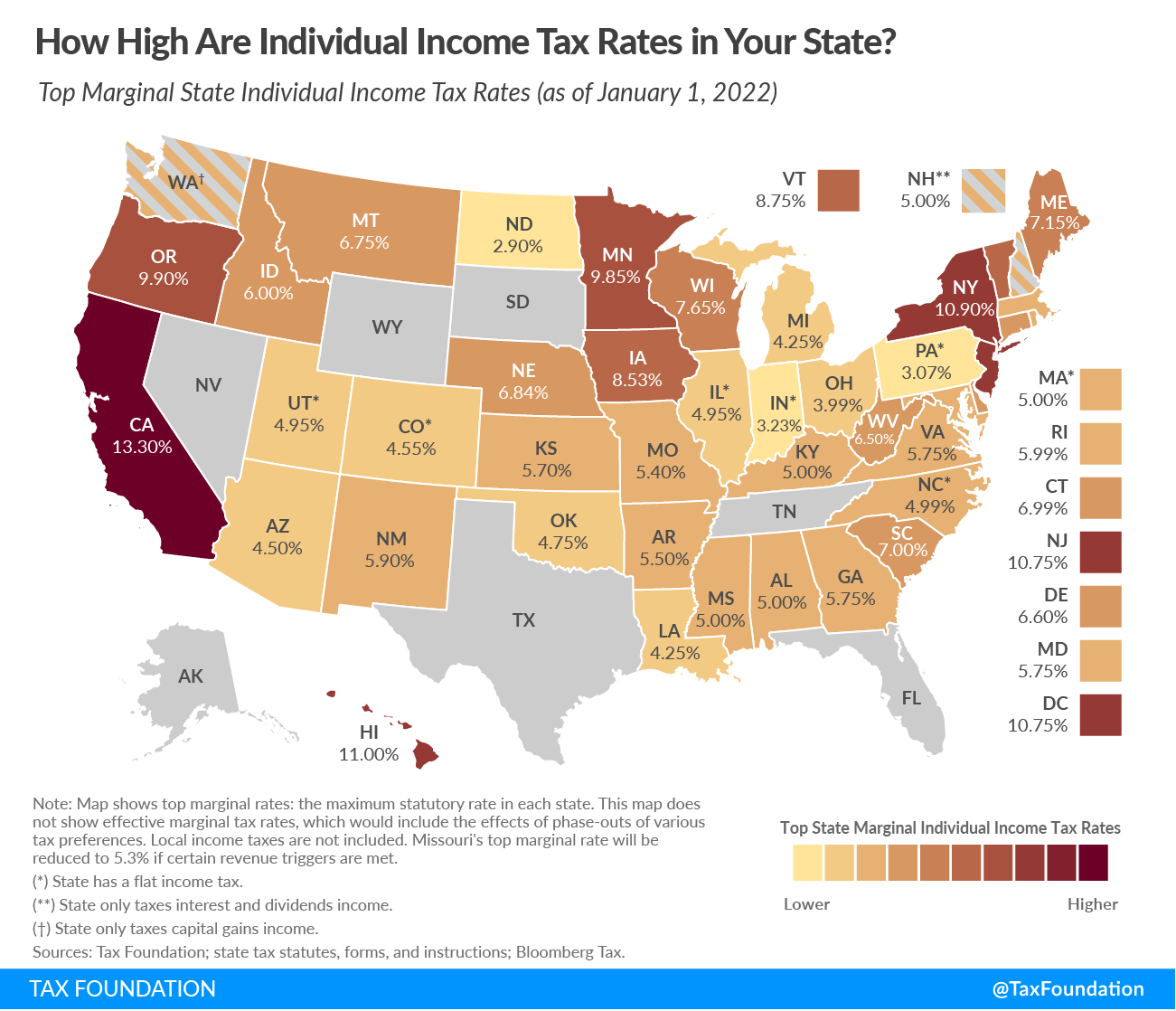
This absence of state income tax is a cornerstone of Florida’s economic strategy, attracting millions of visitors and new residents each year. It fosters a dynamic environment for luxury travel, budget-conscious family trips, business conventions, and long-term accommodations. From the bustling theme parks of Orlando to the sun-drenched beaches of Miami, the financial framework directly influences the experiences available and the overall lifestyle enjoyed by those who choose to spend time in this diverse and enchanting corner of the United States.
The Sunshine State’s Fiscal Advantage: A Deep Dive into Florida’s Tax Landscape
Florida’s decision to forgo a state income tax is a powerful magnet, drawing individuals and corporations alike. This policy contributes to a favorable financial climate that distinguishes it from many other states. However, it’s essential to understand the full picture of Florida’s tax system to truly appreciate its advantages and nuances.
No State Income Tax: What It Means for You
For residents, the absence of state income tax means a larger portion of their earnings remains in their pockets. This can translate into increased disposable income, which can be saved, invested, or spent on local goods and services – including travel, dining, and entertainment within Florida itself. This financial benefit is a significant draw for professionals, retirees, and families looking to maximize their earning potential and improve their quality of life.
Consider a professional relocating from a state with a high income tax; the immediate financial uplift can be substantial. This extra cash flow can enable more frequent weekend getaways to destinations like Key West or St. Augustine, enhanced experiences at world-class attractions such as Walt Disney World Resort or Universal Studios Florida, or simply better accommodation choices for family vacations. For retirees, the lack of state income tax on pensions and social security benefits further enhances Florida’s appeal as a retirement haven, offering a financially comfortable lifestyle amidst beautiful surroundings.
Businesses also reap significant rewards. Companies considering relocation or expansion often look to states with favorable tax policies to reduce operational costs and attract top talent. Florida’s no-income-tax status creates an environment where businesses can thrive, fostering job creation and economic growth. This, in turn, fuels the demand for business travel, corporate events, and extended stays, directly benefiting the hospitality sector.
Understanding Florida’s Other Revenue Streams
While Florida forgoes state income tax, it naturally relies on other sources to fund its public services, infrastructure, and extensive tourism promotion efforts. The primary revenue generators include:
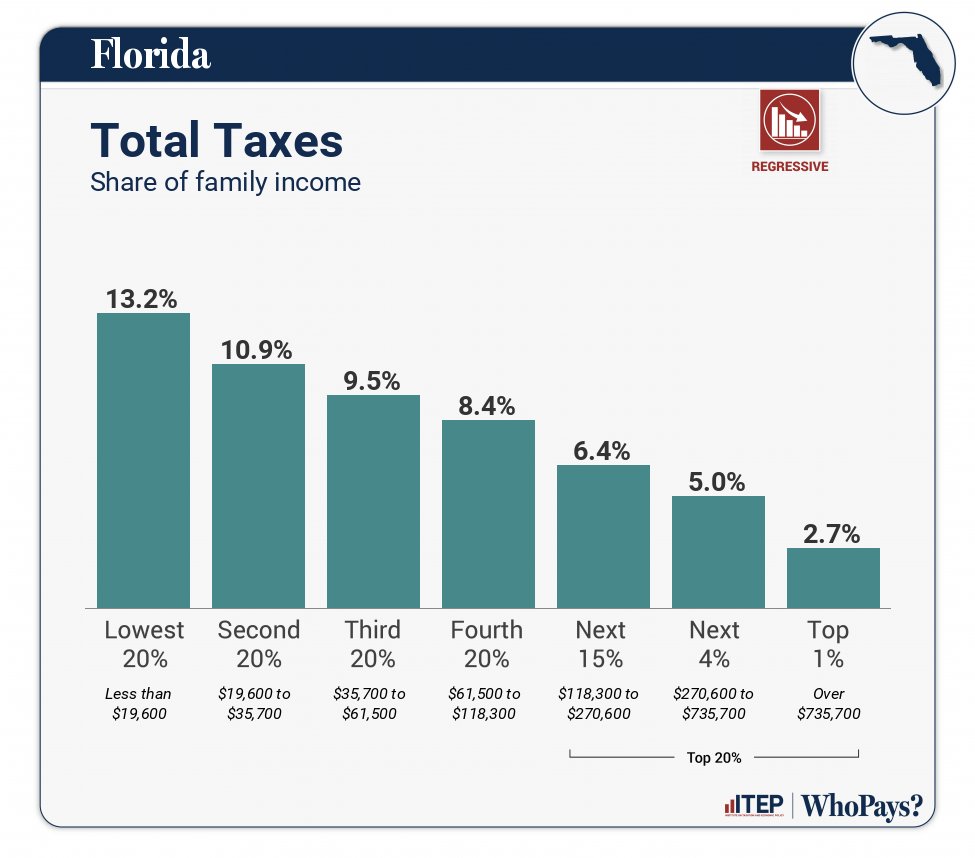
- Sales Tax: Florida has a statewide sales tax, currently 6%, with individual counties having the option to levy additional local sales taxes. This applies to most goods and services, including hotel stays, restaurant meals, and retail purchases. Tourists contribute significantly to this revenue stream, effectively sharing the cost of state services without being residents.
- Property Tax: Property owners in Florida pay property taxes based on the assessed value of their real estate. These funds primarily support local services such as schools, police, fire departments, and local infrastructure projects. The specifics vary by county and municipality.
- Corporate Income Tax: While individuals do not pay state income tax, corporations operating in Florida are subject to a corporate income tax. This ensures that businesses contribute to the state’s coffers.
- Tourism-Related Taxes: Florida benefits immensely from tourism, and several taxes are specifically designed to capture revenue from visitors. These include resort taxes (also known as “bed taxes” or “tourist development taxes”) levied on short-term rentals, contributing to local tourism marketing and infrastructure, and various fees on rental cars and other tourism-related services.
This diversified tax structure allows Florida to maintain robust public services and invest heavily in its tourism infrastructure, all while offering residents and businesses the significant advantage of no state income tax.
Travel, Tourism, and the Tax-Free Lifestyle in Florida
The absence of a state income tax is not just a financial detail; it’s a foundational element that underpins Florida’s identity as a global travel and tourism powerhouse. It influences everything from the scale of its attractions to the diversity of its accommodation options and the overall visitor experience.
Boosting the Florida Economy and Visitor Experience
The economic ripple effect of the no-income-tax policy on tourism is profound. More disposable income for residents means more local travel and spending, while businesses, buoyed by lower operating costs, are more likely to invest in tourist infrastructure and amenities. This creates a virtuous cycle where a strong economy supports a vibrant tourism industry, which in turn attracts more visitors and further stimulates economic growth.
For travelers, this translates into a highly competitive and innovative tourism market. Attractions like Walt Disney World Resort and Universal Studios Florida continually expand and enhance their offerings, drawing millions to Orlando. Coastal cities like Miami Beach and Fort Lauderdale boast world-class hotels, restaurants, and entertainment venues. The Kennedy Space Center Visitor Complex offers a unique glimpse into space exploration, while the natural beauty of Everglades National Park provides an entirely different kind of adventure.
The robust tourism economy also means that even with sales and tourist development taxes, the overall value proposition for travelers can be compelling. The high volume of visitors supports a vast array of choices, often leading to competitive pricing across various sectors, from flights and car rentals to accommodation and activities.
Unlocking Diverse Florida Experiences for Every Traveler
Florida’s tax policies indirectly foster a diverse travel landscape catering to every budget and interest. Whether you’re seeking luxury, adventure, relaxation, or cultural immersion, Florida delivers.
- Luxury Travel: With a concentration of high-net-worth individuals and a strong economy, Florida is a hub for luxury travel. Destinations like Palm Beach, Naples, and Boca Raton offer exclusive resorts such as The Breakers Palm Beach, designer shopping, gourmet dining, and private yacht charters. The financial freedom afforded by lower personal tax burdens contributes to a sophisticated clientele able to indulge in these premium experiences.
- Budget Travel: Despite its luxury offerings, Florida is incredibly accessible for budget travelers. The sheer volume of visitors means a wide selection of affordable hotels, vacation rentals, and dining options, especially in popular family destinations like Orlando and Daytona Beach. State parks, free beaches like Siesta Key Beach, and various cultural attractions offer low-cost entertainment.
- Family Trips: Florida excels at family vacations, thanks to iconic theme parks like EPCOT, Magic Kingdom, and Legoland Florida Resort, alongside beautiful, safe beaches like Clearwater and Panama City Beach. The value proposition is enhanced by the economic environment, allowing families to stretch their vacation budgets further.
- Business Stays: Major cities like Miami, Tampa, and Jacksonville are significant business hubs, attracting conferences, trade shows, and corporate retreats. The state’s business-friendly tax policies encourage corporate presence, leading to a robust market for business-oriented hotels, convention centers, and executive travel services.
Accommodation and Investment: The Hospitality Boom
The flourishing tourism sector, bolstered by Florida’s tax advantages, directly fuels an incredibly dynamic accommodation market. From sprawling resorts to quaint boutique hotels and vacation rentals, the choices are vast and constantly evolving.
From Luxury Resorts to Cozy Stays: Options Abound
Florida’s accommodation landscape is as diverse as its attractions. The economic climate, influenced by the lack of state income tax, fosters significant investment in the hospitality industry, leading to an abundance of choices for every traveler.
Luxury resorts from renowned brands like Ritz-Carlton, Four Seasons, and Waldorf Astoria dot the coastline and major cities, offering unparalleled amenities and service. Examples include the Margaritaville Hollywood Beach Resort for a laid-back upscale experience or the Gaylord Palms Resort & Convention Center near Orlando for family-friendly luxury with extensive facilities. Theme park resorts like Loews Portofino Bay Hotel at Universal Studios Florida provide immersive experiences directly linked to attractions.
Beyond the high-end, Florida offers a plethora of mid-range hotels, budget-friendly motels, and an expansive network of vacation rentals, including apartments, villas, and beachfront cottages on islands like Sanibel Island and Captiva Island. The booming short-term rental market, often facilitated by online platforms, provides flexible and diverse options for long-term stays, family groups, or those seeking a more local experience. Historical hotels like The Don CeSar in St. Petersburg offer a glimpse into the state’s storied past while providing modern comforts.
The Business Side: Why Florida Attracts Hospitality Investment
The favorable tax environment and consistent influx of tourists make Florida an attractive market for hospitality investors and developers. Lower personal tax burdens for employees can make it easier to recruit and retain staff in a service-intensive industry. Furthermore, the state’s proactive approach to promoting tourism through agencies like Visit Florida ensures a continuous stream of potential guests.
This investment is visible in the constant development of new hotels, resorts, and entertainment complexes. For example, the areas surrounding Walt Disney World Resort and Universal Studios Florida along International Drive are constantly seeing new accommodation options emerge, ranging from budget-friendly suites to expansive apartment-style living designed for longer stays. This competitive landscape ultimately benefits the consumer by offering more choices and often better value.
Florida Lifestyle: Beyond the Beaches and into Financial Freedom
The absence of a state income tax profoundly shapes the lifestyle in Florida, making it a desirable destination not just for vacations, but for permanent residency, retirement, and business endeavors.
Relocation and Retirement: A Popular Choice
For many, the appeal of Florida extends beyond its sunny climate and beautiful beaches. The financial advantages play a significant role in decisions to relocate, particularly for retirees and those seeking a better economic outlook. The term “snowbirds” aptly describes the seasonal migration of individuals who spend winters in Florida to escape colder climates, often drawn by the favorable tax treatment and comfortable living.
Retirees find Florida particularly attractive because, in addition to no state income tax, there is no inheritance tax or estate tax at the state level. This allows for greater financial stability and legacy planning, complementing the state’s extensive healthcare facilities, active adult communities, and abundant recreational opportunities. Imagine spending your retirement years enjoying walks along South Beach, fishing in Lake Okeechobee, or exploring the historic streets of St. Augustine without the burden of state income taxes.
Families and professionals also find the no-income-tax benefit liberating. It can facilitate purchasing a home, investing in education, or simply enjoying a higher standard of living. This economic freedom, combined with a diverse job market in technology, aerospace, healthcare, and of course, tourism, makes Florida a compelling place to build a life.

Balancing the Budget: Living and Traveling Smart in Florida
While the no-income-tax policy is a huge boon, smart budgeting is still key to maximizing the Florida lifestyle. Understanding the sales tax, property taxes, and tourist development taxes allows both residents and visitors to plan their finances effectively.
For visitors, being aware of the sales tax on purchases and the resort taxes on accommodation helps in accurately estimating trip costs. Opting for self-catering accommodations like villas or apartments can save on dining out, while exploring free attractions like public beaches, scenic drives on Amelia Island, or vibrant street art in the Art Deco Historic District of Miami Beach can keep entertainment costs down. Visiting landmarks like the Castillo de San Marcos or the Ernest Hemingway Home and Museum offers cultural enrichment at reasonable prices.
For residents, careful property tax planning, especially considering homestead exemptions, is vital. The lower income tax burden can offset other costs, allowing for greater investment in homes, local businesses, and enjoying the myriad experiences Florida has to offer, from a boat trip to Dry Tortugas National Park to a visit to Vizcaya Museum & Gardens in Miami.
In conclusion, Florida’s lack of a state income tax is a defining characteristic that shapes its economic landscape, fuels its colossal tourism industry, and attracts a diverse population seeking both financial stability and an enviable lifestyle. It’s a strategic choice that continues to position the Sunshine State as a premier destination for travel, investment, and living well. Whether you’re planning a short trip or a permanent move, understanding this key aspect of Florida’s fiscal policy will undoubtedly enhance your experience in this vibrant state.
LifeOutOfTheBox is a participant in the Amazon Services LLC Associates Program, an affiliate advertising program designed to provide a means for sites to earn advertising fees by advertising and linking to Amazon.com. Amazon, the Amazon logo, AmazonSupply, and the AmazonSupply logo are trademarks of Amazon.com, Inc. or its affiliates. As an Amazon Associate we earn affiliate commissions from qualifying purchases.