
For many travelers considering a trip to the Sunshine State, the image of Florida often conjures up pristine beaches, thrilling theme parks like Walt Disney World and Universal Studios, and perhaps the occasional alligator basking in a swamp. However, a surprising question often emerges, especially for those venturing beyond the bustling coastal cities and into the state’s vast natural preserves: “Does Florida have bears?” The answer, unequivocally, is yes. Florida is home to a robust population of Florida black bears, a unique subspecies of the American black bear. Understanding their presence, habitats, and how to safely coexist with them is crucial for anyone exploring the wilder side of this popular travel destination.

The presence of bears adds an exciting, albeit sometimes daunting, dimension to the travel experience in Florida. For those seeking authentic wildlife encounters or planning an adventurous camping trip, knowing where these magnificent creatures roam and how to behave responsibly is paramount. This guide aims to shed light on the Florida black bear, offering insights into their world and practical advice for tourists and residents alike, ensuring a memorable and safe exploration of Florida’s incredible natural landscapes.
The Resurgence of the Florida Black Bear
The story of the Florida black bear (Ursus americanus floridanus) is one of remarkable conservation success. Once abundant across the state, their numbers dwindled significantly by the mid-20th century due to habitat loss and unregulated hunting. By the 1970s, the population was estimated to be as low as 300-500 individuals, fragmented into isolated pockets. Thanks to concerted efforts by the Florida Fish and Wildlife Conservation Commission (FWC), habitat protection, and public awareness campaigns, the bear population has rebounded impressively. Today, estimates place the population at over 4,000 bears, a testament to effective wildlife management and the resilience of Florida’s ecosystems. This resurgence means that encounters with bears, while still relatively rare in urban centers, are becoming increasingly common in areas adjacent to their natural habitats, offering unique opportunities for eco-tourism and wildlife observation.
Identifying the Florida Black Bear
The Florida black bear is easily distinguishable. As its name suggests, it possesses sleek, black fur, often with a brownish muzzle. Some individuals may have a white patch on their chest, known as a chest blaze, which varies in size and shape. Unlike grizzly bears or polar bears, which are not native to Florida, the black bear is the only bear species found in the state. Adults typically weigh between 150 and 400 pounds, with males generally larger than females. They are excellent climbers, strong swimmers, and have an exceptional sense of smell, which they use to locate food. Their diet is primarily omnivorous, consisting mostly of plant matter like acorns, berries, and palmetto hearts, supplemented by insects, small mammals, and carrion. This adaptability in diet is a key factor in their survival and ability to thrive in diverse environments, including those increasingly encroached upon by human development. For tourists, understanding these characteristics is essential for responsible viewing and identification, ensuring any wildlife encounter is respectful and safe.
Bear Habitats and Distribution Across Florida
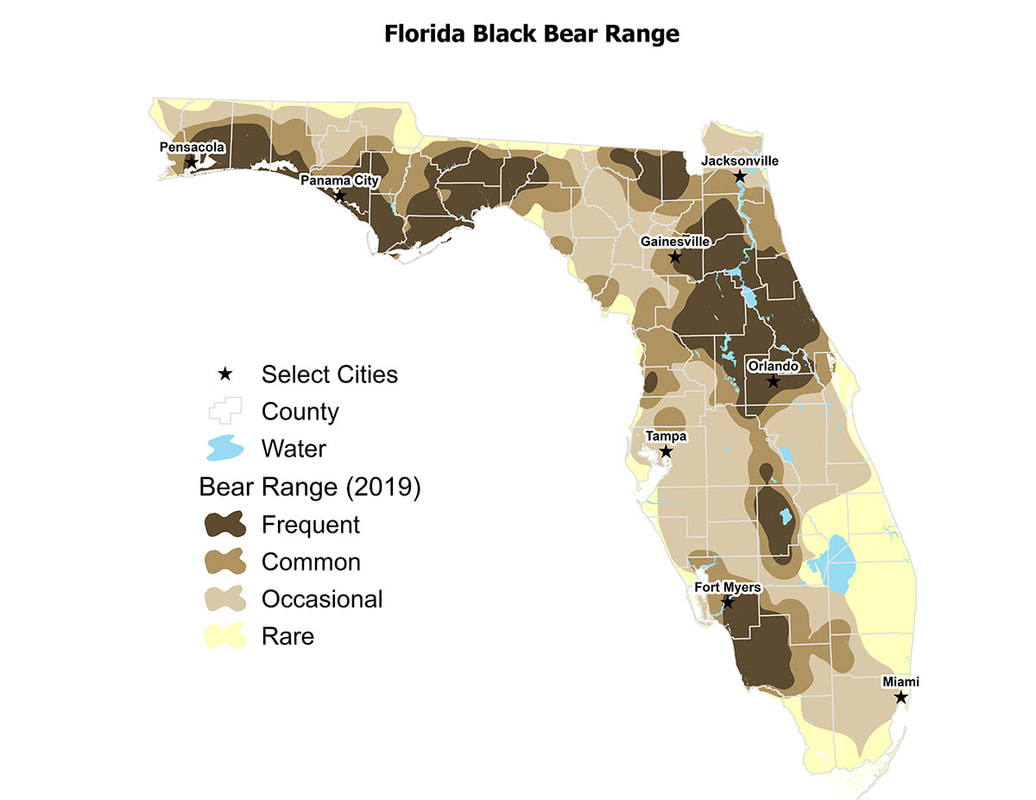
Florida black bears thrive in a variety of forested habitats, particularly those with dense cover and access to water. Their primary strongholds include expansive forests, swamps, and wetlands. Major populations are found in the following regions:
- Ocala National Forest: Located in central Florida, this is often considered the heart of Florida’s bear country and is one of the most reliable places to spot bears. Its vast expanses of sand pine scrub, longleaf pine forests, and numerous springs provide ideal conditions. The forest offers numerous hiking trails, campgrounds, and scenic drives, making it a popular destination for nature lovers.
- Apalachicola National Forest: Situated in the Florida Panhandle, this is the largest national forest in the state, boasting diverse ecosystems from pine flatwoods to cypress swamps. It’s another significant stronghold for black bears, particularly around the Bradwell Bay Wilderness area. Travelers exploring this region often combine their visit with trips to nearby coastal towns or the state capital, Tallahassee.
- Big Cypress National Preserve: Adjoining Everglades National Park in Southwest Florida, this preserve is a critical habitat for bears and other iconic Florida wildlife. Its unique blend of cypress swamps, pinelands, and prairies provides ample food and shelter. Airboat tours and ranger-led programs offer insights into this ecosystem.
- Everglades National Park: While more famous for alligators and panthers, the Everglades also support a population of black bears, particularly in the northern reaches and higher ground. Visiting this international landmark provides a comprehensive view of Florida’s subtropical wilderness.
- Blackwater River State Forest: Another key habitat in the Panhandle, offering extensive forested areas for bears.
- Central Florida’s Green Corridors: Even in more developed central Florida, green corridors and wilderness areas connecting larger forests allow bears to travel and forage. Areas around Orlando and Sanford, near preserves like the Seminole State Forest, occasionally report bear sightings.
When planning accommodations in these regions, travelers might consider eco-lodges or cabins within or near national and state parks. Many such establishments, like the hypothetical “Ocala Bear Den Cabin Resort” or “Everglades Eco-Lodge,” are designed to offer a rustic yet comfortable stay, often providing guides for wildlife viewing. They emphasize sustainable tourism and adherence to bear-aware practices.
Coexisting with Wildlife: Safety Tips for Travelers
While bear encounters are thrilling for nature enthusiasts, it’s essential to approach them with respect and caution. The primary reason bears venture into human-populated areas is often the availability of easy food sources, such as garbage, pet food, or bird feeders. Understanding how to minimize these attractants and how to react during an encounter is crucial for both human safety and bear conservation.
Preventing Bear Encounters While Traveling

For those planning to camp, hike, or stay in accommodations near bear habitats, taking proactive steps can significantly reduce the risk of an unwanted encounter.
- Secure Food and Garbage: This is the golden rule. Never leave food, garbage, or pet food unattended, especially overnight. Use bear-resistant containers where provided, or store food in a locked vehicle trunk. When camping, hang food from a tree branch at least 10 feet off the ground and 4 feet away from the trunk.
- Cleanliness is Key: Keep campsites and picnic areas meticulously clean. Wipe down tables, dispose of food scraps properly, and burn no food in campfires. Any lingering scent can attract a bear.
- Pet Safety: Keep pets on a leash and supervised at all times. Dogs, especially off-leash, can provoke bears and lead to dangerous situations.
- Scent Control: Avoid strong-smelling toiletries or perfumes when in bear country. Store items like toothpaste, deodorant, and bug spray with your food.
- Make Noise on Trails: Bears generally prefer to avoid humans. Making noise while hiking (talking, singing) can alert bears to your presence and give them time to move away, preventing a surprise encounter.
- Respect Warnings: Heed all signs and warnings posted by park rangers or local authorities regarding bear activity. If an area is closed due to bear activity, choose an alternative route.
Responsible travel and tourism practices dictate that we minimize our impact on wildlife. By following these guidelines, visitors contribute to the well-being of the bears and ensure a safer experience for everyone.
What to Do During a Bear Encounter
Despite precautions, an encounter can sometimes happen. Knowing how to react calmly and appropriately is vital.
- Do Not Run: Running can trigger a bear’s chase instinct.
- Stand Your Ground and Look Big: Make yourself appear as large as possible. Raise your arms, wave them slowly, and speak in a low, calm voice. Do not make eye contact, as this can be perceived as a challenge.
- Back Away Slowly: Give the bear space to retreat. If it approaches, continue to back away slowly, sideways if possible.
- Do Not Feed Bears: Never, under any circumstances, feed a bear. This habituates them to humans and often leads to aggressive behavior and, tragically, the bear’s eventual euthanasia.
- Fight Back (if attacked): If a black bear does attack, fight back aggressively. Hit it with anything you have (rocks, sticks, fists). Unlike defensive attacks by grizzlies, black bear attacks are often predatory, and fighting back can deter them.
- Report Sightings: Report any aggressive bear behavior or nuisance bears to the Florida Fish and Wildlife Conservation Commission (FWC).
These tips are particularly pertinent for adventurers booking extended stays in remote cabins, resorts, or campsites. Ensuring your chosen accommodation adheres to bear-safe practices, especially regarding garbage disposal and food storage, is a key consideration for safe accommodation planning in bear country.
The Role of Bears in Florida’s Ecosystem and Tourism
The Florida black bear is not just a fascinating creature; it plays a vital role in maintaining the health of Florida’s diverse ecosystems. As omnivores, they help disperse seeds, influencing plant growth and forest regeneration. They also help control insect populations and contribute to the nutrient cycle. Their presence is an indicator of a healthy, interconnected natural environment.
From a tourism perspective, the black bear offers a unique draw for travelers interested in ecotourism and wildlife photography. Destinations like the Ocala National Forest and Big Cypress National Preserve actively promote responsible wildlife viewing, with many local guides and tour operators specializing in showcasing Florida’s natural wonders, including its bears. These experiences contribute to the local economy and foster a deeper appreciation for conservation among visitors.
Sustainable Tourism and Conservation Efforts
The continued success of the Florida black bear population relies heavily on ongoing conservation efforts and sustainable tourism practices. The Florida Fish and Wildlife Conservation Commission (FWC) leads various initiatives, including habitat protection, research, and public education campaigns like “BearWise.” These campaigns educate residents and visitors on how to avoid conflicts with bears, encouraging responsible garbage management and promoting awareness.
Travelers have a significant role to play in supporting these efforts. By choosing eco-friendly resorts, patronizing tour operators committed to ethical wildlife viewing, and adhering to “leave no trace” principles, visitors directly contribute to the long-term health of Florida’s bear population and their habitats. Hotels and resorts in areas like Gainesville or Naples, located near bear corridors, are increasingly adopting “bear-safe” practices, from installing bear-resistant dumpsters to educating guests on proper food storage. This trend reflects a growing recognition within the hospitality industry of the importance of coexisting with local wildlife, catering to a lifestyle that values nature and conservation.
Understanding the black bear’s presence enriches the overall Florida travel experience. It transforms a trip from merely enjoying beaches and attractions to an opportunity for profound engagement with nature. Whether you’re planning a family trip to central Florida’s theme parks, a luxurious stay in Miami, or a budget travel adventure exploring the state’s wilderness, awareness of its wild inhabitants ensures a richer, safer, and more responsible journey. So, the next time you ask “Does Florida have bears?”, remember that these magnificent creatures are not just present; they are an integral, thriving part of the state’s natural heritage, waiting to be respectfully observed by those who venture into their wild domain.
LifeOutOfTheBox is a participant in the Amazon Services LLC Associates Program, an affiliate advertising program designed to provide a means for sites to earn advertising fees by advertising and linking to Amazon.com. Amazon, the Amazon logo, AmazonSupply, and the AmazonSupply logo are trademarks of Amazon.com, Inc. or its affiliates. As an Amazon Associate we earn affiliate commissions from qualifying purchases.