
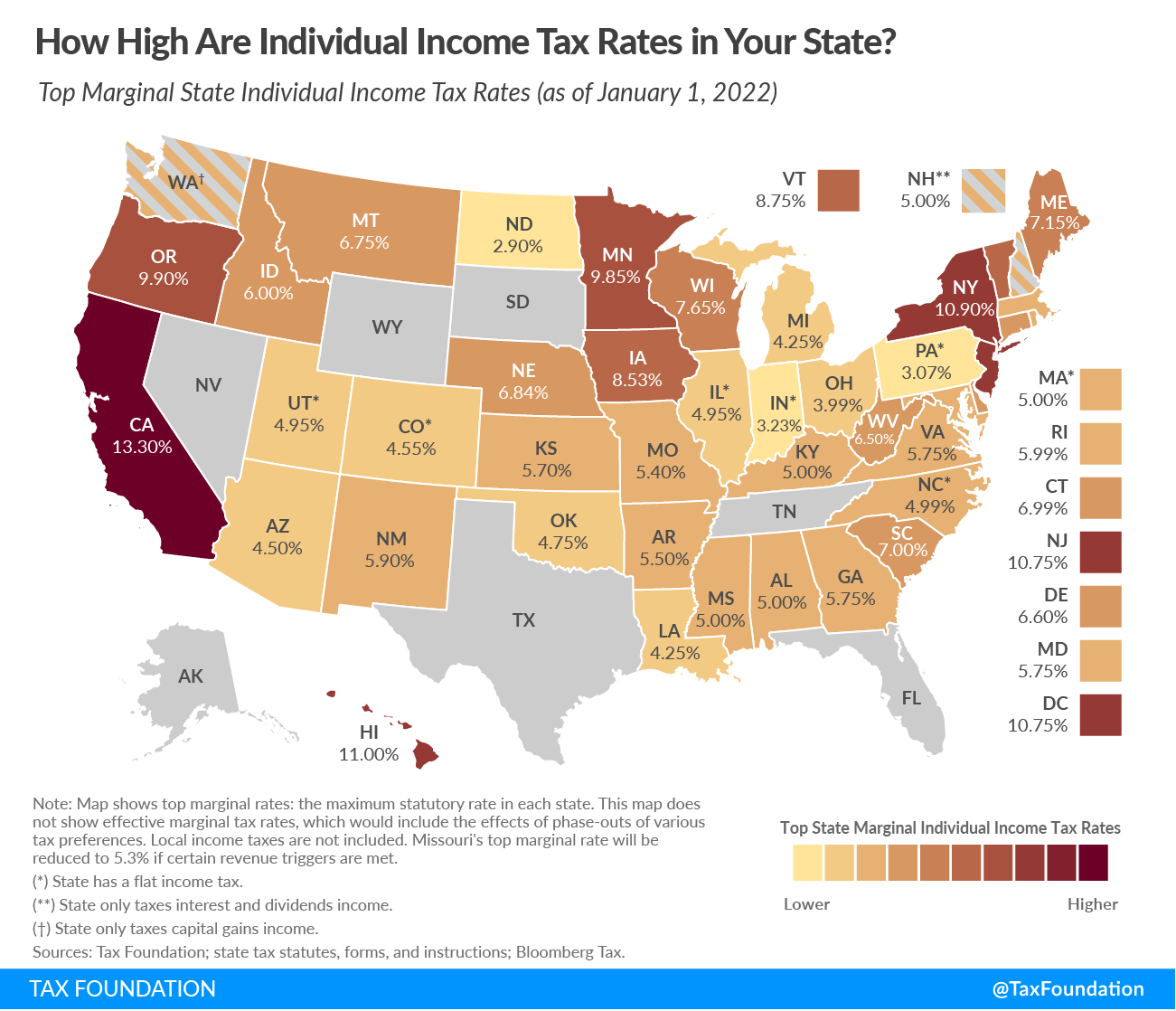
The question of whether Florida has federal income tax often arises from a common confusion about the layered tax system in the United States. As a premier destination for travel, relocation, and diverse lifestyles, understanding the financial landscape of the Sunshine State is crucial for both prospective residents and eager tourists. While Florida is famously known for its lack of a state income tax, a distinction that significantly influences its appeal, it is essential to clarify that federal income tax is an entirely separate and universal obligation for all U.S. citizens and residents, regardless of which state they reside in. This article will delve into the intricacies of Florida’s tax structure, distinguishing between federal and state levies, exploring other significant taxes that impact daily life and tourism, and ultimately, illustrating how these policies shape the state’s vibrant economy, travel sector, and unique lifestyle.
Demystifying Florida’s Tax System: Federal vs. State Obligations
For anyone considering a move to Florida, planning a vacation, or simply curious about its economic model, the primary point of clarity needed is the distinction between federal and state taxes. This difference is fundamental to understanding the state’s financial environment and why it attracts millions annually.
The Federal Income Tax in Florida: A Universal Obligation
Contrary to some popular misconceptions, residents of Florida are indeed subject to federal income tax. This is a non-negotiable aspect of the U.S. tax system. The federal government, through the Internal Revenue Service (IRS), levies income tax on earnings from wages, salaries, investments, and other sources for all citizens and permanent residents across the entire country. Living in Florida does not exempt individuals or businesses from this federal responsibility. Therefore, while the lack of a state income tax provides a substantial financial advantage, it’s crucial for individuals to factor in their federal tax obligations when assessing their overall financial picture in the Sunshine State. This includes filing annual federal tax returns and adhering to federal tax laws, just like residents in any other state. This universal obligation underpins the national infrastructure, supporting everything from defense to social security and federal travel initiatives.
The Absence of State Income Tax: A Major Draw
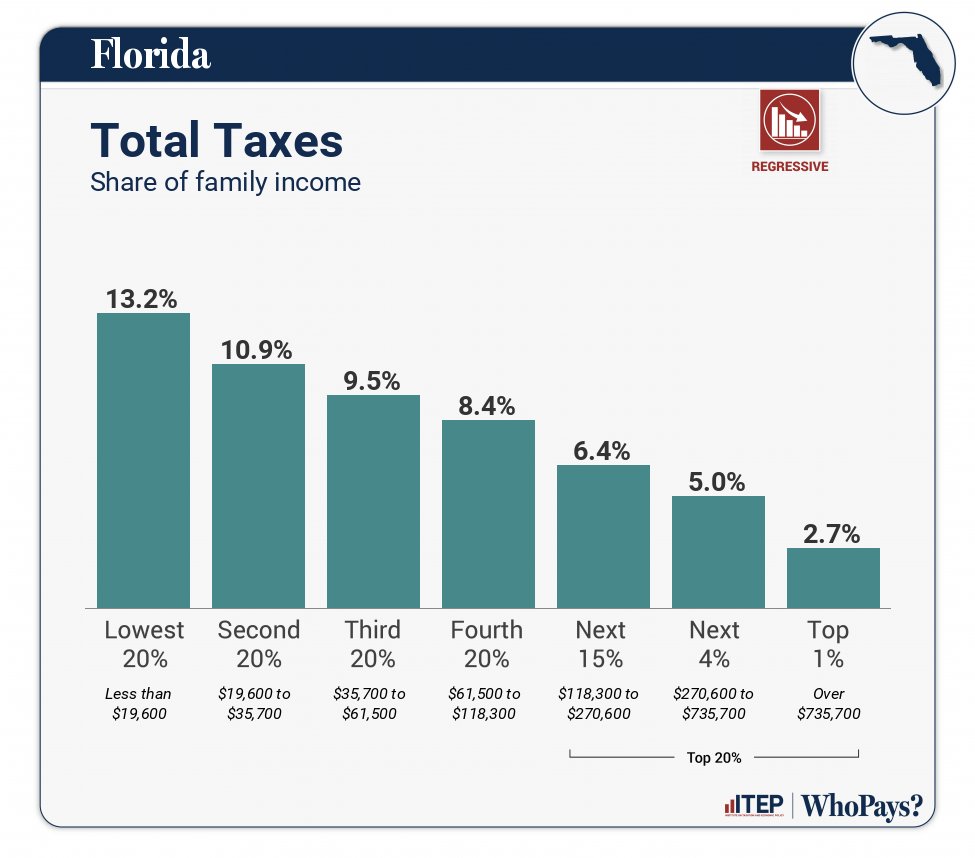
The real differentiator for Florida in the tax landscape is the complete absence of a state income tax on wages and salaries. This policy is a cornerstone of Florida’s economic strategy and a significant magnet for individuals, businesses, and retirees alike. For those earning an income, every dollar not paid in state income tax remains in their pocket, offering a tangible boost to their disposable income. This tax advantage is a primary reason why many individuals choose to relocate to Florida, particularly those nearing retirement or seeking to maximize their earnings.
This lack of state income tax also plays a vital role in Florida’s appeal as a lifestyle destination. For individuals pursuing luxury travel or a high-end lifestyle, the absence of state income tax can translate into more funds available for experiences, investments, or simply enjoying the state’s myriad attractions. For families, it means potentially more budget for family trips to world-renowned theme parks like Walt Disney World Resort or Universal Orlando Resort, or for exploring the natural beauty of Everglades National Park and the pristine beaches along the Gulf Coast and Atlantic Coast. This financial perk enhances the overall quality of life and contributes significantly to the state’s dynamic economy, making it a competitive market for both talent and tourism.
Beyond Income: A Closer Look at Other Taxes in the Sunshine State
While the absence of state income tax is a major headline, it’s important to understand that Florida funds its public services through other revenue streams. These taxes affect residents and visitors differently, and a comprehensive understanding is crucial for financial planning, especially when considering travel, accommodation, or long-term stays.
Florida Sales Tax: What You Pay for Goods and Services
Florida relies heavily on sales tax as a primary source of state revenue. The statewide sales tax rate is 6%, but many counties levy an additional discretionary sales surtax. This means that the total sales tax rate can vary depending on the county, reaching up to 8.5% in some areas. This tax applies to the purchase of most goods, some services, and the rental of living accommodations for six months or less.
For tourists, sales tax impacts virtually every aspect of their trip, from souvenir shopping in St. Augustine to dining at restaurants in Miami, and even the cost of admission to attractions. For residents, it’s a daily consideration for everything from groceries (though many unprepared foods are exempt) to major purchases like vehicles. Understanding the local sales tax rate is important for budgeting, whether planning a luxury travel experience or a budget travel adventure.
Understanding Property Taxes in Florida
Property taxes are another significant revenue source for local governments in Florida, funding schools, local infrastructure, and emergency services. These taxes are assessed annually by county property appraisers and are based on the fair market value of the property. The exact amount varies widely depending on the property’s location, value, and any applicable exemptions.
For homeowners, especially those considering relocation to cities like Tampa or Jacksonville, property taxes represent a substantial ongoing cost. Florida does offer a homestead exemption for primary residences, which reduces the taxable value of the home and can significantly lower the tax bill. There are also additional exemptions for seniors, disabled veterans, and other specific groups. This makes careful research into specific county rates and available exemptions a critical step for anyone purchasing a home or considering a long-term stay in the state. For those investing in vacation homes or rental properties, property taxes are a crucial operational cost that must be factored into their financial projections.
Navigating Tourist Taxes: A Key Aspect for Visitors and Accommodation Providers
Perhaps one of the most direct tax impacts on visitors to Florida is the “Tourist Development Tax” (TDT), often referred to as a tourist tax, bed tax, or resort tax. This local option tax is levied on the rental of transient accommodations (e.g., hotels, motels, vacation rentals, apartments, villas) for six months or less. The rate varies by county, typically ranging from 2% to 6%, and is imposed in addition to the state sales tax.
This tax is immensely important for the tourism industry, as the revenue generated is specifically earmarked for promoting tourism, funding tourism-related infrastructure projects, and maintaining convention centers. For instance, the TDT helps fund marketing campaigns that attract millions to Orlando‘s theme parks, or to the stunning beaches of the Florida Keys. For travelers, this means the advertised price of a hotel room or vacation rental will have this additional tax added on, which can impact budget travel plans or add to the cost of luxury travel. Accommodation providers, from grand resorts to boutique hotels and private vacation rentals, are responsible for collecting and remitting these taxes, making it a critical compliance point for the state’s robust hospitality sector.
Other Noteworthy Taxes and Exemptions
Beyond these major taxes, Florida has a few other tax considerations:
- No Estate Tax or Inheritance Tax: Florida does not have a state estate tax or inheritance tax. This is another significant factor that draws retirees and those concerned with estate planning to the state, enhancing its appeal for long-term residency and wealth preservation.
- Intangibles Tax: Florida does not levy a state intangibles tax on financial assets like stocks, bonds, or mutual funds, further contributing to its favorable environment for investors.
- Rental Car Surcharge: When renting a vehicle, visitors and residents will encounter a state surcharge in addition to sales tax. This modest fee contributes to state transportation funds.
- Convention Development Tax (CDT): Some counties, particularly those with major convention centers like Orlando, may also impose a CDT on accommodation rentals to fund convention center construction and renovation. This directly impacts business stays and event-related travel.
These various taxes and the absence of others create a distinct financial ecosystem that heavily influences the cost of living, the profitability of businesses, and the affordability of travel experiences throughout Florida.
Florida’s Allure: How Tax Policies Shape Travel, Relocation, and Lifestyle
Florida’s tax policies are not just numbers on a ledger; they are powerful drivers of its economy, population growth, and reputation as a prime destination. The strategic use of various taxes, coupled with the absence of state income tax, creates an environment that directly influences tourism, relocation patterns, and the overall lifestyle available in the state.
A Haven for Retirees and Snowbirds
The financial advantages of living in Florida, particularly the lack of state income tax, estate tax, and inheritance tax, make it an incredibly attractive destination for retirees. Individuals living on fixed incomes, pensions, or investment returns find that their money goes further in the Sunshine State because a significant portion isn’t siphoned off by state income taxes. This allows for a more comfortable retirement, potentially enabling a higher quality of life, more frequent travel, or increased savings for future generations.
Similarly, “snowbirds” – individuals who spend their winters in Florida to escape colder climates – are drawn by these tax benefits, even if they only reside for part of the year. The opportunity to enjoy the state’s warm weather, vibrant local culture, and extensive recreational activities without the burden of state income tax makes cities like Key West and various Gulf Coast towns irresistible. This influx of seasonal residents significantly boosts local economies, especially in sectors like accommodation, dining, and leisure activities, creating a unique seasonal rhythm that defines much of South Florida.
Attracting Businesses and Talent
The favorable tax climate extends beyond individuals to businesses as well. The absence of a state income tax often translates into lower operating costs for companies, making Florida an appealing location for corporate relocation and expansion. This can foster job growth and economic diversification, attracting talent and investment in various sectors, from technology in Tampa to aerospace at the Kennedy Space Center Visitor Complex.
For entrepreneurs and small business owners, the tax environment can provide more capital for growth and innovation. This competitive edge helps Florida attract a diverse workforce, contributing to the state’s dynamic lifestyle and fostering a range of experiences, from luxury travel to business stays. The state’s efforts to maintain a business-friendly tax policy are instrumental in sustaining its economic vitality and ensuring its continued appeal on a national and international scale.
The Economic Engine of Tourism and Accommodation
Florida’s tax structure is intricately linked to its status as a global tourism powerhouse. The revenue generated from sales tax and, critically, the Tourist Development Tax, is directly reinvested into the tourism infrastructure. This creates a virtuous cycle: taxes collected from visitors help fund the promotion and maintenance of attractions, beaches, and cultural sites, which in turn draw more tourists.
This funding is essential for the upkeep of world-class theme parks, the pristine condition of beaches, and the development of new attractions. It also supports the vast network of hotels, resorts, apartments, and villas that cater to millions of visitors annually. For example, the TDT collected in Orlando directly contributes to the marketing efforts that keep the destination top-of-mind for families planning their next big adventure. Similarly, the taxes collected in Miami help fund the city’s vibrant arts scene and iconic landmarks. The sustained investment in tourism through these tax mechanisms ensures that Florida remains a top choice for diverse experiences, from thrilling adventures to serene getaways, underpinning its reputation as a premier destination for travel and accommodation.
Practical Tax Considerations for Florida Visitors and Residents
Understanding Florida’s tax landscape is not merely an academic exercise; it has real-world implications for anyone interacting with the state, whether for a short vacation or a permanent relocation. Informed decisions regarding travel itineraries, accommodation choices, and financial planning can lead to more enjoyable and economically sound experiences.
Planning Your Florida Vacation: Tax Implications for Tourists
For travelers, the most immediate tax impacts will be the sales tax on goods and services, and the Tourist Development Tax on accommodation. When budgeting for a trip to [Florida](https://lifeoutofthebox.com/florida], whether it’s a family trip to a theme park city like Orlando, a romantic getaway to the Florida Keys, or an exploration of historical sites in St. Augustine, it’s important to factor these additional costs into your plans.
- Accommodation Costs: Be aware that the price quoted for a hotel, resort, or vacation rental will likely have an additional 6% state sales tax plus a county-specific TDT (which can be up to 6% or more in some areas) added to the final bill. These taxes can significantly increase the total cost of your stay, especially for longer visits or luxury accommodations.
- Dining and Shopping: Nearly all purchases of prepared food and retail goods will incur sales tax. This means your budget for dining out, souvenirs, and daily necessities should account for this extra percentage.
- Rental Cars: If you plan to rent a car, remember the state rental car surcharge in addition to the sales tax on the rental fee.
- Attractions and Experiences: Admission tickets to most attractions, from Walt Disney World Resort to museums in Tampa, will also be subject to sales tax.
By understanding these taxes, tourists can make more accurate budget estimations, compare different accommodation options more effectively, and avoid any surprises when settling their bills. This allows for a smoother, more enjoyable experience while exploring Florida’s incredible destinations and attractions.

Moving to Florida: Financial Planning for New Residents
For individuals considering a permanent move to Florida, the financial planning extends much further than just understanding income tax. The potential savings from not paying state income tax are attractive, but they must be weighed against other costs.
- Property Taxes: As discussed, property taxes can be substantial. Prospective homeowners should research specific county millage rates and property values in areas like Jacksonville, Miami, or the Atlantic Coast to estimate their annual tax burden. Understanding homestead exemptions and other potential deductions is also crucial.
- Cost of Living: While there’s no state income tax, other costs of living, such as housing (especially in popular metropolitan areas), insurance (particularly homeowner’s insurance due to hurricane risks), and utilities, can be higher than in some other states. A holistic view of your budget is essential.
- Sales Tax Impact: New residents will experience sales tax on most goods and services, including major purchases for furnishing a new home. While manageable, it is a consistent expenditure.
- Estate Planning: The absence of state-level estate or inheritance taxes can be a significant benefit for long-term residents, making Florida an appealing state for wealth transfer and legacy planning. However, federal estate tax rules still apply.
- Business Considerations: For those planning to open a business, understanding Florida’s corporate tax structure and any specific local business taxes is paramount. The overall business-friendly environment, however, remains a key draw.
In conclusion, while the answer to “Does Florida have federal income tax?” is a resounding yes, the nuanced details of its state and local tax policies paint a picture of a state that strategically uses its tax structure to foster growth, attract residents, and maintain its status as a world-class destination for travel, accommodation, and diverse lifestyles. Understanding these elements is key to fully appreciating and navigating the financial landscape of the Sunshine State.
LifeOutOfTheBox is a participant in the Amazon Services LLC Associates Program, an affiliate advertising program designed to provide a means for sites to earn advertising fees by advertising and linking to Amazon.com. Amazon, the Amazon logo, AmazonSupply, and the AmazonSupply logo are trademarks of Amazon.com, Inc. or its affiliates. As an Amazon Associate we earn affiliate commissions from qualifying purchases.