
For many individuals planning their financial future or considering a move to the Sunshine State, questions surrounding inheritance taxes are paramount. These concerns often stem from a desire to ensure assets are transferred efficiently and with minimal tax burden to beneficiaries, a crucial aspect of overall financial lifestyle planning. The state of Florida, known for its attractive climate and perceived tax benefits, is a popular choice for retirees and those looking to establish a financially sound legacy. But when it comes to the specific issue of inheritance tax, the answer might be more straightforward than you think.
Understanding Estate Planning in the Sunshine State
Florida has long been a magnet for individuals seeking a comfortable lifestyle, often accompanied by favorable tax policies. When planning an estate, understanding both state and federal tax laws is critical to ensure your assets are distributed according to your wishes and that your beneficiaries receive the maximum possible inheritance. This foresight is a cornerstone of responsible lifestyle management, ensuring peace of mind for you and your loved ones.
The Federal Estate Tax Landscape
While the article title specifically asks about inheritance tax in Florida, it’s essential to first understand the broader context of federal estate tax, as this is often where the most significant tax implications arise for larger estates. The federal government imposes an estate tax on the transfer of a deceased person’s taxable estate, which includes everything the person owned or had an interest in at the time of their death. However, this tax only applies to estates exceeding a certain exemption amount.
For example, in 2024, the federal estate tax exemption is quite substantial, set at $13.61 million per individual. This means that only estates valued above this threshold are subject to federal estate tax. For married couples, this exemption can be combined, effectively shielding even larger estates from federal taxation through portability provisions. Estates below this threshold generally do not owe federal estate tax, regardless of where the deceased resided. The federal estate tax rate is progressive, with a top rate of 40%. It’s crucial for high-net-worth individuals, particularly those considering or residing in Florida, to engage in sophisticated estate planning to navigate these federal regulations. This typically involves strategies like gifting, establishing various types of trusts, and other asset protection measures to optimize the transfer of wealth and maintain the desired lifestyle for future generations.
Florida’s Stance on Estate and Inheritance Taxes
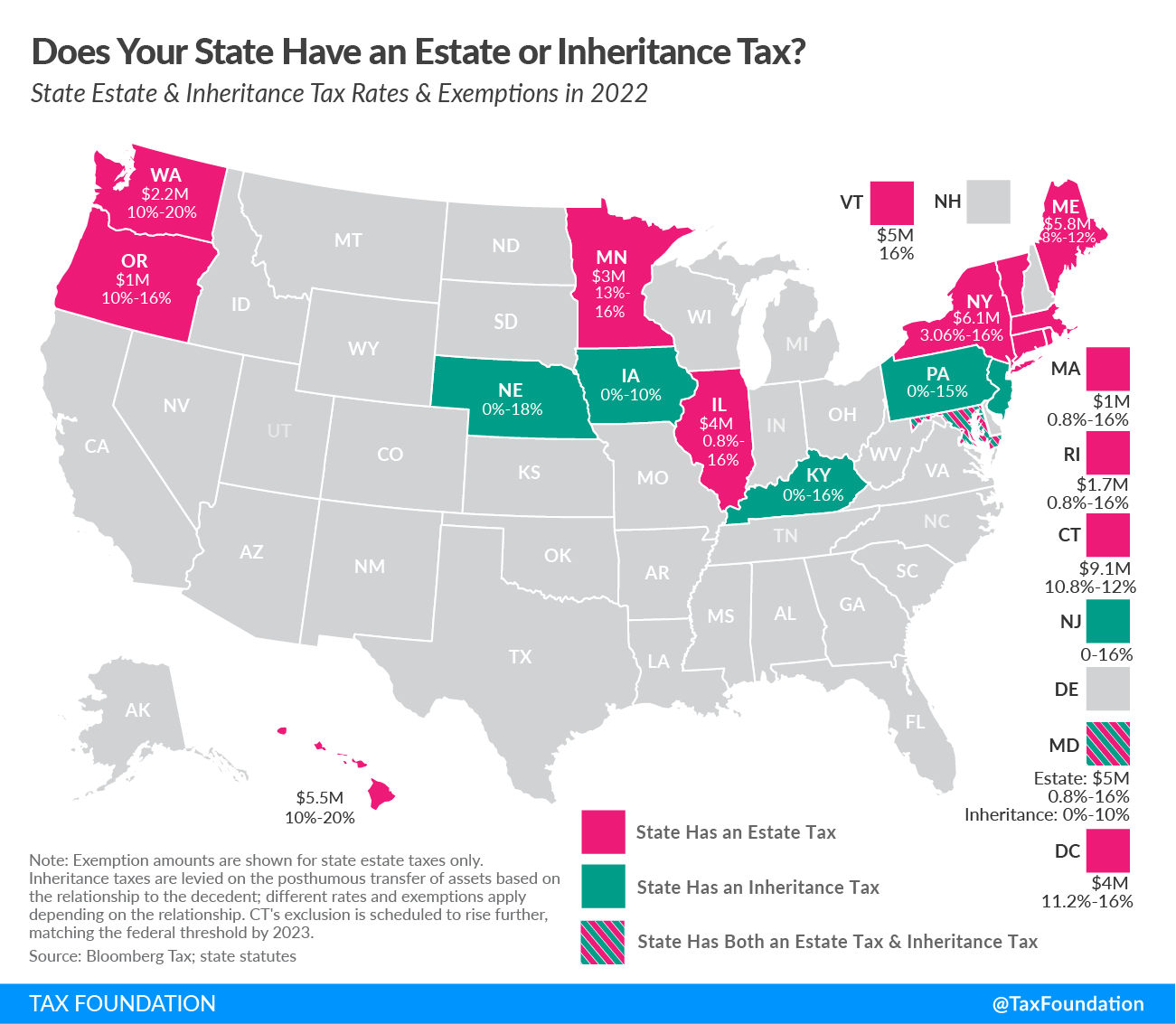
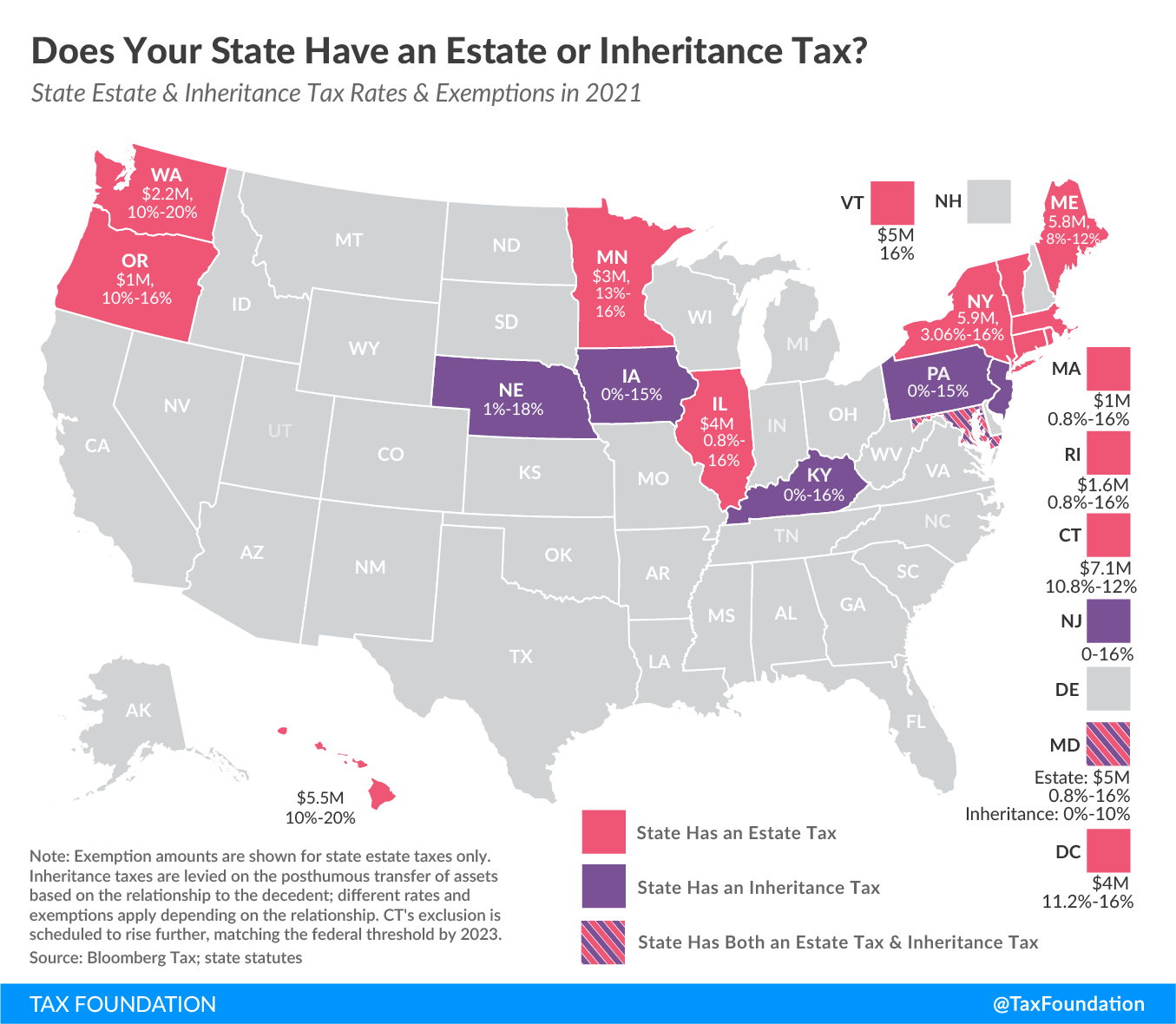
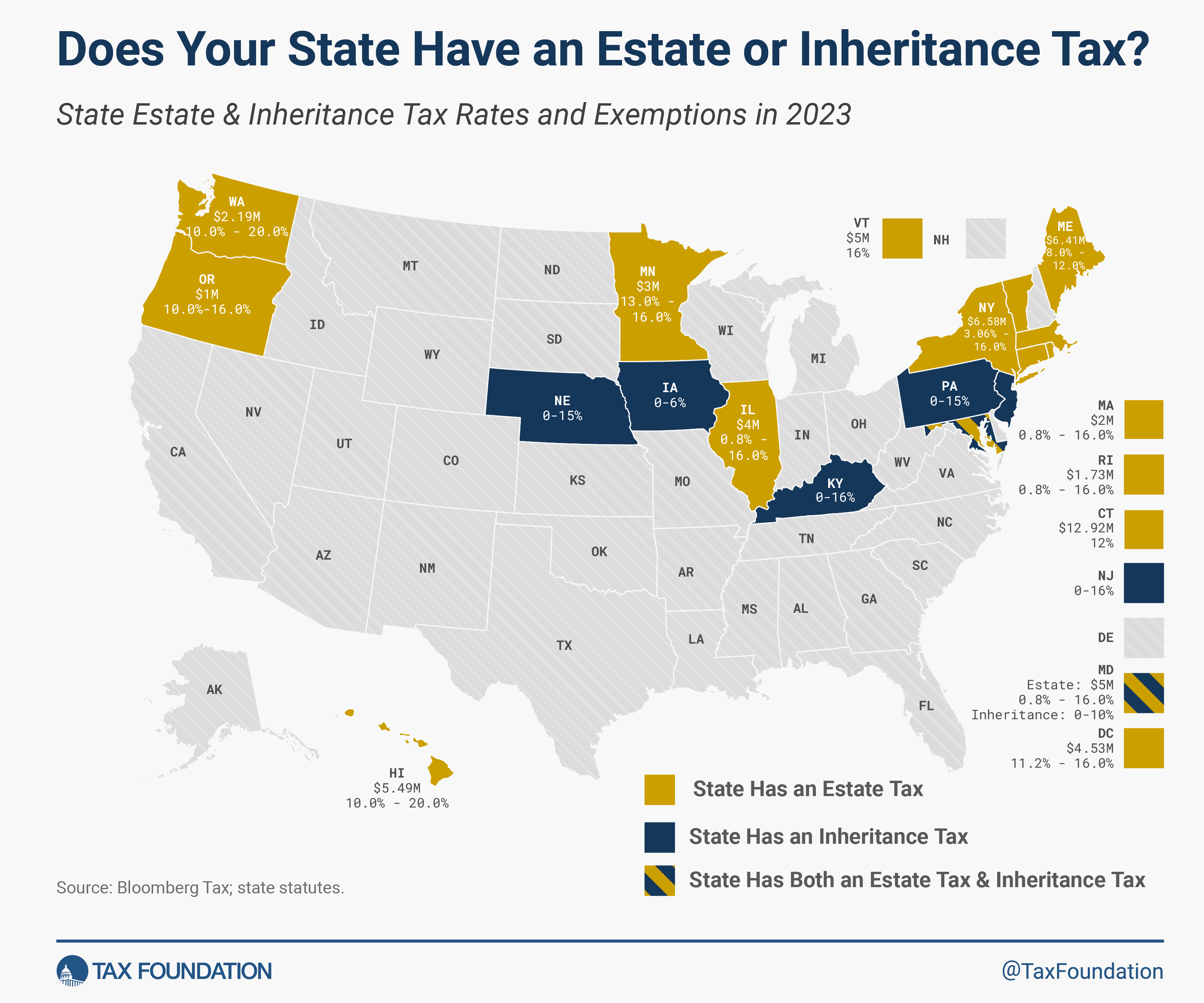
To answer the core question directly: No, Florida does not have an inheritance tax.
Florida is one of several states that do not impose an inheritance tax. An inheritance tax is a tax paid by the beneficiary who receives money or property from the estate of a deceased person. It’s important to distinguish this from an estate tax, which is levied on the total value of a deceased person’s estate before distribution to beneficiaries.
Historically, Florida did have an estate tax that was tied to the federal estate tax credit for state death taxes. However, changes in federal law eliminated this credit, and consequently, Florida’s estate tax was effectively repealed on January 1, 2005. Since then, the state has not collected any estate tax either. This means that residents of Florida or individuals owning property within Florida generally do not have to worry about state-level death taxes impacting their beneficiaries or their estate’s total value. This makes Florida an attractive location for those prioritizing wealth preservation and seamless intergenerational transfer of assets as part of their lifestyle planning.
Distinguishing Inheritance Tax from Estate Tax
While often used interchangeably by the general public, “inheritance tax” and “estate tax” are distinct legal concepts with different implications for financial planning and wealth transfer. A clear understanding of these differences is vital for anyone engaging in estate planning, especially when considering a state like Florida that has specific tax laws.
What is an Inheritance Tax?
An inheritance tax is a state-level tax levied on the individual who inherits assets from a deceased person. The tax is typically calculated based on the value of the inherited property and the beneficiary’s relationship to the deceased. Generally, spouses are exempt from inheritance taxes, and close relatives (e.g., children, grandchildren) often pay lower rates or are subject to higher exemptions than more distant relatives or unrelated beneficiaries. The underlying principle is that the “privilege” of receiving an inheritance is taxable. States like Pennsylvania, New Jersey, Maryland, Kentucky, and Iowa are examples of states that currently impose an inheritance tax. For residents of Florida, the absence of this tax means beneficiaries receive their full inheritance without a state-imposed deduction, significantly simplifying post-mortem financial affairs and contributing to Florida‘s appeal as a place to live and retire.
What is an Estate Tax?
In contrast, an estate tax is a tax on the right to transfer property at death. It is levied on the entire taxable estate of the deceased person before any distributions are made to beneficiaries. The tax is paid by the estate itself (usually by the executor or administrator) from the assets of the estate, reducing the overall value of what is available for distribution. The federal government imposes an estate tax, as do several states, often referred to as “state death taxes.” These state estate taxes are typically imposed only on estates exceeding a certain value, similar to the federal exemption, though state thresholds are often much lower. For those planning a lifestyle in a state known for its financial advantages, like Florida, the absence of a state estate tax, coupled with the generous federal exemption, makes it a highly attractive jurisdiction for wealth preservation and transfer.
Why Florida is a Favorable State for Estate Planning
Florida’s appeal as a destination extends far beyond its beautiful beaches and vibrant cultural scene. For many, the lifestyle choice to reside in Florida is heavily influenced by its reputation as a tax-friendly state, especially concerning estate planning. This environment allows individuals and families to preserve their wealth more effectively for future generations, aligning perfectly with long-term financial lifestyle goals.
Beyond Inheritance: Florida’s Broader Tax Advantages
The absence of an inheritance tax and state estate tax is just one component of Florida’s broader advantageous tax landscape. The state boasts several other significant benefits that contribute to its popularity:
- No State Income Tax: This is arguably Florida’s most famous tax advantage. Residents do not pay state income tax on wages, salaries, investment income, or retirement income. This allows individuals to retain a larger portion of their earnings and passive income, significantly impacting their lifestyle and financial planning capabilities throughout their lives.
- Favorable Property Taxes (Homestead Exemption): While Florida does have property taxes, it offers a generous homestead exemption that can reduce the taxable value of a primary residence. This is a significant benefit for homeowners, lowering their annual tax burden and helping to make homeownership more affordable as part of their desired lifestyle. Furthermore, Florida’s Save Our Homes Amendment caps annual increases in assessed value for homesteaded properties, providing predictability and stability for homeowners.
- No Tax on Intangible Personal Property: Unlike some states that tax assets like stocks, bonds, and mutual funds, Florida does not levy a tax on intangible personal property. This further enhances its appeal for investors and those with substantial portfolios, allowing them to manage their wealth without additional state tax burdens.
These combined tax advantages create a compelling environment for individuals seeking to optimize their financial position and secure a comfortable, prosperous lifestyle in Florida.
Homestead Protection and Asset Preservation
One of the most powerful and unique aspects of Florida law relevant to lifestyle and estate planning is its robust homestead protection. This constitutional provision offers significant asset protection benefits:
- Protection from Creditors: Florida homestead property is generally protected from forced sale to satisfy most creditors’ claims. This means that a primary residence, up to a certain acreage (half an acre within a municipality, 160 acres outside), is largely shielded from collection actions by judgment creditors. This provides an invaluable layer of security for homeowners, ensuring their primary asset remains protected, even in the face of financial difficulties, a critical component of maintaining one’s lifestyle.
- Inheritance and Probate Benefits: Florida’s homestead law also impacts how property is inherited. If the deceased was survived by a spouse or minor child, the homestead generally descends directly to them, free from the claims of most creditors. This can simplify the probate process for the homestead property and ensure that critical assets pass directly to the intended beneficiaries without being subject to the deceased’s debts, further reinforcing the state’s appeal for careful lifestyle and legacy planning.
These comprehensive protections, alongside the absence of state-level death taxes, make Florida an exceptionally attractive location for wealth preservation and efficient estate transfers, enabling individuals to plan their lifestyle and legacy with greater confidence.
Essential Estate Planning Strategies for Florida Residents
Even without state inheritance or estate taxes, effective estate planning remains crucial for Florida residents. Thoughtful planning ensures your wishes are honored, assets are distributed smoothly, and potential federal estate tax liabilities for larger estates are minimized. This is an integral part of responsible lifestyle management, securing the future for your beneficiaries.
The Role of Wills and Trusts
- Wills: A Last Will and Testament is a foundational estate planning document. It specifies how your assets should be distributed upon your death, designates an executor to manage your estate, and can name guardians for minor children. Without a will, your estate will be distributed according to Florida’s intestacy laws, which may not align with your preferences.
- Trusts: Trusts are versatile tools that can offer more control and privacy than a will.
- Revocable Living Trusts: These allow you to retain control over your assets during your lifetime, avoid probate (a public, often lengthy, and costly court process), and provide for seamless management if you become incapacitated. Assets placed in a revocable trust are distributed privately and efficiently to your beneficiaries upon your death, aligning with a desire for a smooth transition of wealth without significant public scrutiny.
- Irrevocable Trusts: Once established, you generally cannot modify or revoke these trusts. They are often used for advanced estate planning strategies, such as reducing federal estate tax liability, protecting assets from creditors (beyond homestead protection), and providing for beneficiaries with special needs. The strategic use of trusts is a hallmark of sophisticated financial lifestyle planning in Florida.
Gifting Strategies and Lifetime Transfers
For those with estates potentially subject to federal estate tax, strategic gifting during your lifetime can be an effective way to reduce the size of your taxable estate. The Internal Revenue Service allows individuals to give away a certain amount each year, known as the annual gift tax exclusion, to any number of recipients without incurring gift tax or using up their lifetime exemption. For 2024, this amount is $18,000 per recipient. Gifts above this amount will count against your lifetime federal estate tax exemption. Properly executed gifting can contribute to a long-term strategy for wealth transfer and maintenance of a desired financial lifestyle for generations to come.
Navigating Probate in Florida
Even with robust estate planning, most estates in Florida will go through some form of probate, especially if a will is present or if assets were not fully transferred into a trust or held with rights of survivorship. Probate is the legal process that proves a will is valid, identifies and inventories the deceased person’s property, pays debts and taxes, and distributes the remaining assets as specified in the will or by state law. Understanding this process is crucial for beneficiaries, as it directly impacts the timeline and method of receiving their inheritance, which can affect their financial lifestyle.
Types of Probate Proceedings
Florida generally recognizes two main types of probate proceedings:
- Formal Administration: This is the most common type of probate for larger estates with significant assets. It is a court-supervised process that typically involves an executor or personal representative being appointed to manage the estate, notifying creditors, inventorying assets, paying debts, and ultimately distributing the remaining assets. This process can be lengthy and complex, lasting from several months to over a year, depending on the complexity of the estate and any disputes that may arise.
- Summary Administration: This is a streamlined probate process available for smaller estates (generally those with non-exempt assets under $75,000, or when the decedent has been deceased for more than two years). It is quicker and less expensive than formal administration, making it an attractive option for simpler estates and a more efficient way to transfer assets.
Certain assets, like those held in a properly funded revocable trust, jointly owned property with rights of survivorship, or accounts with designated beneficiaries (e.g., life insurance, retirement accounts), typically bypass the probate process entirely, directly reaching beneficiaries and aligning with the goal of efficient wealth transfer to support their lifestyle.
Steps in the Probate Process
While specifics can vary, the general steps involved in Florida probate include:
- Filing the Petition: The process begins with filing a petition with the probate court in the county where the deceased resided.
- Appointing a Personal Representative: The court formally appoints an executor (if named in a will) or an administrator (if no will or no named executor).
- Notice to Creditors: The personal representative must publish a Notice to Creditors, giving creditors a limited time (typically three months) to file claims against the estate.
- Inventory and Valuation of Assets: All assets of the estate are identified, gathered, and appraised.
- Payment of Debts and Taxes: Valid debts, funeral expenses, and any applicable federal taxes are paid from the estate assets.
- Distribution of Assets: Once all obligations are met, the remaining assets are distributed to the beneficiaries according to the will or state intestacy laws.
- Closing the Estate: The personal representative files a final accounting and petitions the court to close the estate.
Understanding these processes is crucial for anyone involved in estate administration in Florida, ensuring that the legacy left behind contributes positively to the beneficiaries’ financial lifestyle rather than becoming a source of stress and delay. By proactively addressing these aspects through comprehensive estate planning, Florida residents can secure their financial future and that of their loved ones, ensuring their lifestyle wishes are respected long after they are gone.
LifeOutOfTheBox is a participant in the Amazon Services LLC Associates Program, an affiliate advertising program designed to provide a means for sites to earn advertising fees by advertising and linking to Amazon.com. Amazon, the Amazon logo, AmazonSupply, and the AmazonSupply logo are trademarks of Amazon.com, Inc. or its affiliates. As an Amazon Associate we earn affiliate commissions from qualifying purchases.