
Florida’s cannabis landscape is a complex and ever-evolving terrain, particularly for travelers and visitors considering its implications for their journeys within the Sunshine State. While the question of “legal weed” in Florida might seem straightforward, the reality is nuanced, encompassing medical programs, decriminalization efforts, and ongoing legislative debates that shape the availability and legality of cannabis products. Understanding these distinctions is crucial for anyone planning a visit or contemplating the consumption of cannabis while in the state.
Medical Marijuana in Florida: A Permitted Pathway
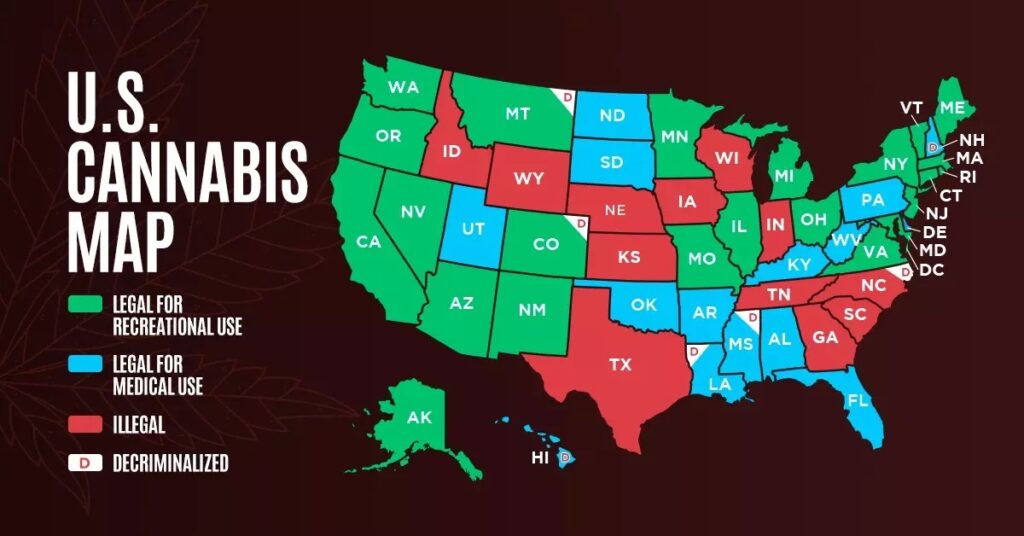
The most established and legally recognized form of cannabis access in Florida is through its Medical Use of Marijuana Program. Launched in 2016 following the passage of Amendment 2, this program allows qualified patients with specific debilitating medical conditions to legally obtain and use low-THC cannabis and, more recently, full-strength medical marijuana.
Qualifying Conditions and Patient Access
To access medical marijuana in Florida, an individual must be a permanent resident of the state and diagnosed with a qualifying medical condition by a qualified Florida-licensed physician. The list of qualifying conditions is extensive and includes, but is not limited to, cancer, epilepsy, glaucoma, HIV/AIDS, multiple sclerosis, Parkinson’s disease, and post-traumatic stress disorder (PTSD). The program also permits physicians to order marijuana for other conditions that are a symptom of a qualifying condition or that a physician believes could be alleviated by medical marijuana.
Once a physician certifies that a patient meets the criteria, their information is entered into the state’s Compassionate Use Registry. Patients then receive an Identification Card, which serves as proof of their legal status to purchase and possess medical cannabis from licensed dispensaries throughout Florida. This card is essential for avoiding legal repercussions.
Types of Medical Cannabis Products Available
Florida’s medical marijuana program offers a range of product types to cater to different patient needs and preferences. These include:
- Flower: While initially restricted, smokable flower is now available to medical marijuana patients, offering a traditional consumption method.
- Vape Cartridges: Pre-filled cartridges for vaporizing devices are popular for their discreetness and controlled dosing.
- Edibles: A variety of cannabis-infused food and beverage products are available, providing longer-lasting effects.
- Tinctures and Oils: Concentrated cannabis oils and tinctures can be administered sublingually or added to food and beverages, offering precise dosage control.
- Topicals: Creams, lotions, and balms infused with cannabis are designed for localized pain relief and are applied directly to the skin.
It is imperative for medical marijuana patients to carry their Identification Card and understand the state’s possession limits. These limits vary by product type and are designed to ensure responsible use.
Decriminalization: A Localized Approach
Beyond the statewide medical marijuana program, several individual cities and counties in Florida have enacted local ordinances to decriminalize the possession of small amounts of marijuana for recreational use. This means that instead of facing criminal charges, individuals caught with a small quantity of cannabis may be issued a civil citation and a fine, similar to a traffic ticket.
Understanding Local Ordinances
The enforcement and specifics of these decriminalization ordinances can vary significantly from one municipality to another. For example, while some cities may decriminalize possession of up to 20 grams, others might have a lower threshold. It is crucial for visitors to be aware that these local ordinances do not legalize marijuana statewide. Possession of marijuana outside of the medical program remains illegal under state law, and even in decriminalized areas, law enforcement officers still have discretion in how they handle violations.
Cities that have implemented such measures include:
- Miami-Dade County: This vast county, encompassing cities like Miami and Miami Beach, has decriminalized the possession of up to 20 grams of marijuana for individuals aged 21 and older.
- Broward County: Similar to Miami-Dade County, many cities within Broward County, such as Fort Lauderdale and Pompano Beach, have enacted decriminalization ordinances.
- Orlando: The city of Orlando in Orange County has also adopted a policy of civil citations for small amounts of marijuana possession.
- Tampa: In Hillsborough County, Tampa has moved towards decriminalization for minor possession offenses.
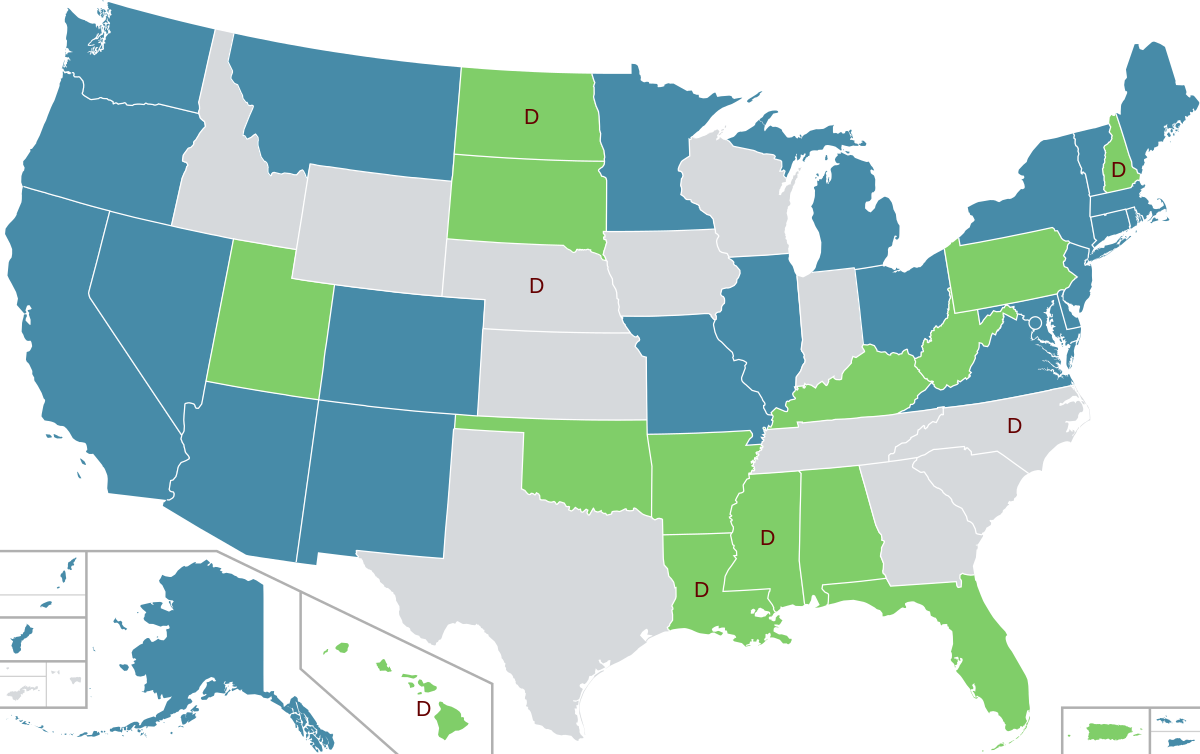
It is essential to research the specific laws of any city or county you plan to visit within Florida. Relying on general assumptions about “legal weed” can lead to unexpected legal troubles.
Limitations of Decriminalization
While decriminalization offers a reprieve from criminal penalties for minor offenses, it does not equate to legalization. Possession of larger quantities, cultivation, distribution, or public consumption can still result in significant legal consequences, including hefty fines and jail time. Furthermore, these local ordinances do not supersede state law, and enforcement can still be strict. Travelers should exercise extreme caution and avoid any activities that could be construed as illegal under state statutes.
The Push for Recreational Cannabis: An Ongoing Debate
The conversation surrounding cannabis in Florida is far from over, with ongoing efforts to legalize recreational marijuana for adult use. These initiatives typically involve ballot initiatives that require significant public support and successful navigation of the state’s complex legal framework for constitutional amendments.
Ballot Initiatives and Legislative Hurdles
In recent years, there have been several attempts to place recreational marijuana legalization on the Florida ballot. These campaigns involve gathering hundreds of thousands of signatures from registered Florida voters to qualify for inclusion. Even if an initiative garners enough signatures, it must then pass muster with the Florida Supreme Court, which reviews the proposed amendment for its constitutionality and clarity.
The path to legalization through a ballot initiative is arduous. Proponents face opposition from various groups, and the campaigns themselves require substantial funding for signature gathering, public awareness, and lobbying efforts.
Potential Impacts of Legalization
Should Florida eventually legalize recreational marijuana, the implications for tourism and the state’s economy would be profound. A regulated adult-use market could generate significant tax revenue, create new jobs in cultivation, processing, retail, and ancillary services, and potentially boost tourism by attracting cannabis-curious travelers. However, the implementation would require careful planning regarding regulations, licensing, public health, and safety measures.
Cities like Denver in Colorado and Las Vegas in Nevada have already experienced the economic and social shifts associated with recreational cannabis legalization, offering a preview of what Florida might expect. The state would need to establish clear rules for dispensaries, product testing, advertising, and consumption areas, much like it has for its medical program.
Navigating Florida’s Cannabis Laws as a Visitor
For travelers and visitors to Florida, understanding the state’s current cannabis laws is paramount to avoiding legal entanglements.
Key Considerations for Tourists
- Medical Card Reciprocity: Florida does not currently recognize medical marijuana cards from other states. This means that even if you have a valid medical cannabis recommendation in your home state, you cannot legally purchase medical marijuana in Florida without obtaining a Florida medical marijuana card, which requires residency.
- Possession Laws: Possessing marijuana without a valid Florida medical marijuana card is illegal under state law, regardless of local decriminalization efforts. While some cities may issue civil citations for small amounts, this is not a guarantee, and state law still applies.
- Public Consumption: Public consumption of cannabis, whether medical or otherwise, is strictly prohibited in Florida. This includes parks, beaches, and any public spaces. Consumption is generally restricted to private residences.
- Driving Under the Influence: Driving under the influence of cannabis is illegal in Florida, just as it is with alcohol. Law enforcement uses established protocols to test for impairment.
- Bringing Cannabis Across State Lines: It is illegal to transport cannabis across state lines, whether from another state into Florida or vice versa, due to federal law.

Responsible Tourism and Legal Awareness
Travelers planning trips to destinations like Orlando for theme park adventures, or to the beaches of South Florida for relaxation, should be fully informed about Florida’s cannabis regulations. Ignorance of the law is not a valid defense, and encountering law enforcement can have serious consequences, including fines, arrest, and potential travel disruptions.
If you are a qualified patient in Florida, ensure you have your Identification Card and adhere to all possession and consumption guidelines. For all other visitors, it is best to abstain from cannabis use while in the state to avoid any legal issues. The legal status of cannabis is a dynamic issue, and staying informed about the latest legislative changes and local ordinances is crucial for a smooth and enjoyable visit.
LifeOutOfTheBox is a participant in the Amazon Services LLC Associates Program, an affiliate advertising program designed to provide a means for sites to earn advertising fees by advertising and linking to Amazon.com. Amazon, the Amazon logo, AmazonSupply, and the AmazonSupply logo are trademarks of Amazon.com, Inc. or its affiliates. As an Amazon Associate we earn affiliate commissions from qualifying purchases.