
When considering a move to the Sunshine State, planning for an extended stay, or simply understanding the broader socio-economic fabric that shapes life in Florida, healthcare access is an indispensable aspect of lifestyle. For many individuals and families, the question of whether Florida provides Medicaid is not just a clinical inquiry but a fundamental concern impacting financial stability, medical security, and overall quality of life. The short answer is yes, Florida does have a Medicaid program, but its structure, eligibility, and the services it covers are distinct and crucial for anyone seeking to understand healthcare access within the state.
Understanding Medicaid in the Sunshine State
Medicaid is a joint federal and state program that provides health coverage to millions of Americans, including eligible low-income adults, children, pregnant women, elderly adults, and people with disabilities. In Florida, this program is administered by the Florida Agency for Health Care Administration (AHCA) and plays a vital role in the state’s healthcare landscape. For current residents, prospective transplants, or those managing long-term care needs, understanding Florida’s Medicaid program is key to making informed lifestyle decisions.
Unlike some states that expanded Medicaid under the Affordable Care Act (ACA), Florida opted not to, which significantly impacts eligibility for non-disabled, non-pregnant adults. This decision means that access to coverage is often more restrictive for certain adult populations compared to states that adopted expansion. However, for those who do qualify, Florida Medicaid offers a critical safety net, ensuring access to necessary medical services that would otherwise be unaffordable. This access directly contributes to the well-being and stability of eligible individuals and families, allowing them to participate more fully in the vibrant lifestyle Florida offers, without the constant burden of insurmountable medical debt or unaddressed health concerns.
Eligibility and Enrollment: Navigating Florida’s Requirements
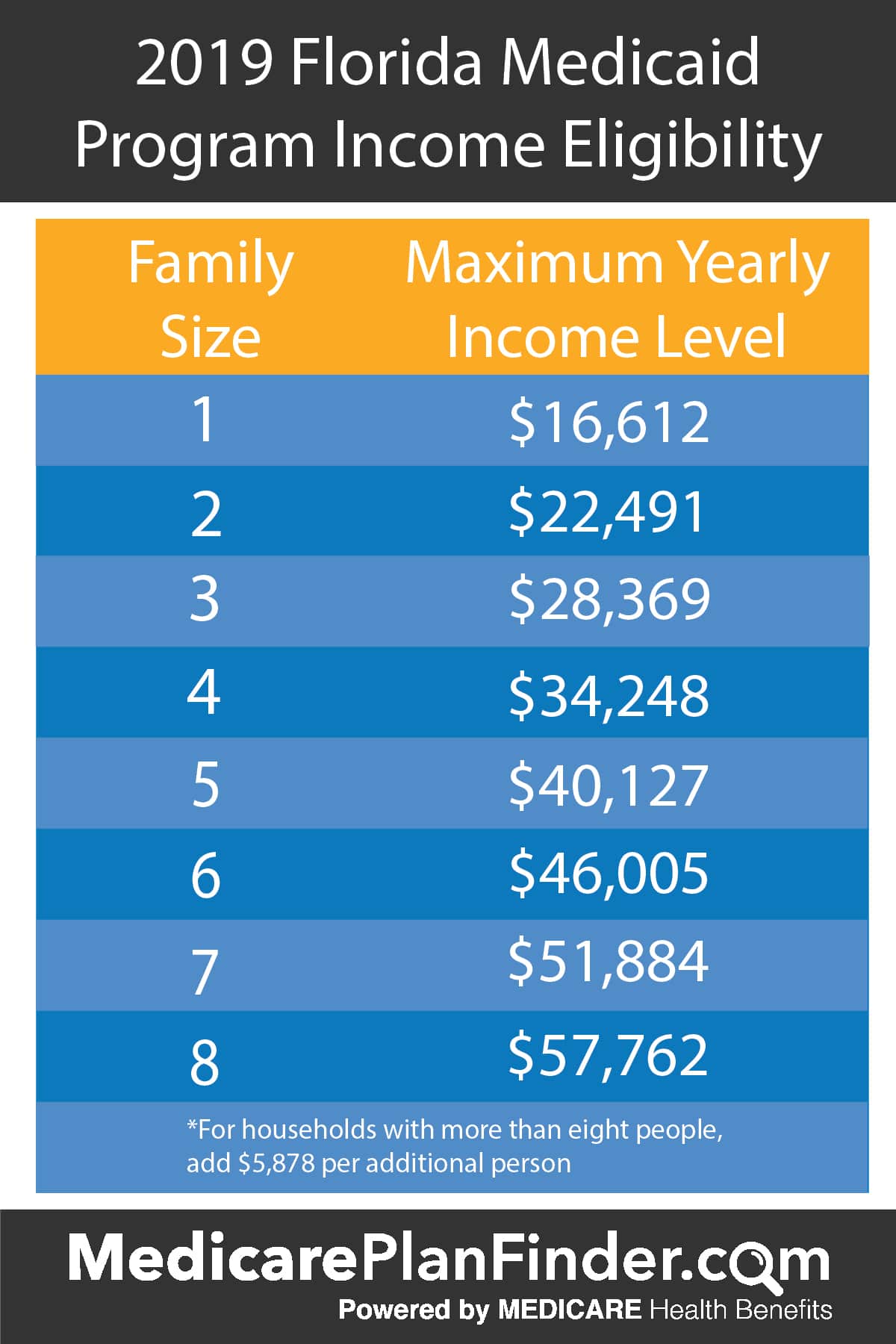
Determining eligibility for Medicaid in Florida involves several factors, primarily revolving around income, household size, and specific life circumstances. The criteria are often complex, reflecting both federal guidelines and state-specific policies.
Income and Household Size
The most significant factor for Medicaid eligibility is income, which is compared against the Federal Poverty Level (FPL). In Florida, eligibility thresholds vary widely depending on the applicant’s category. For instance, pregnant women and children typically have higher income thresholds than non-disabled adults. Because Florida did not expand Medicaid under the ACA, most non-disabled, non-pregnant adults without dependent children have extremely limited or no eligibility, regardless of how low their income might be. This gap in coverage means a significant portion of the working poor may not qualify for Medicaid in Florida and often must seek coverage through the Health Insurance Marketplace, potentially with subsidies.
Specific Groups Covered
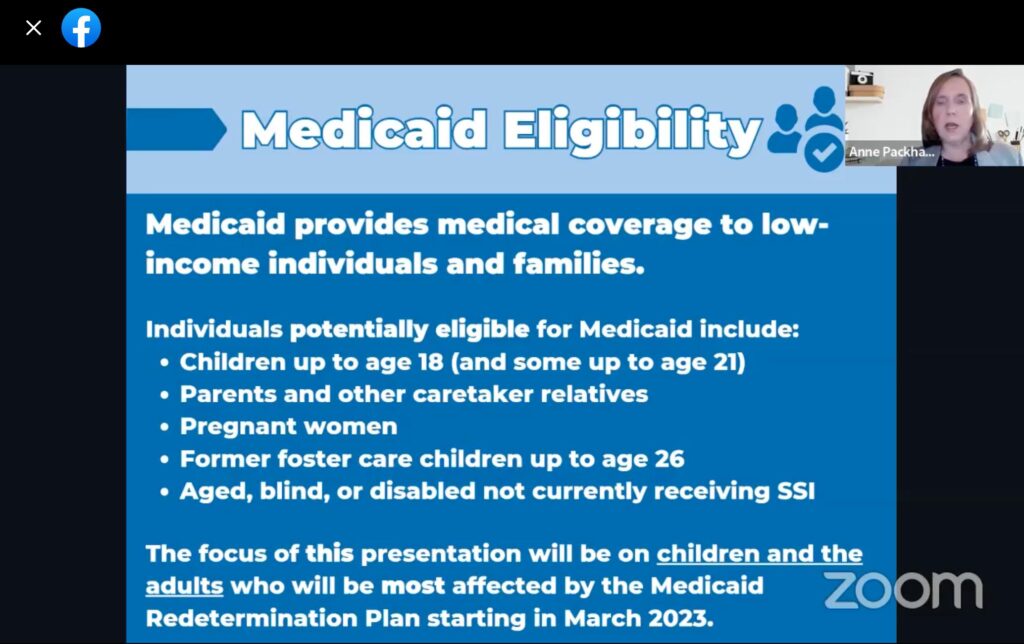
Despite the limitations for some adults, Florida Medicaid provides crucial coverage for several vulnerable populations:
- Pregnant Women: Expectant mothers meeting specific income criteria can receive comprehensive prenatal, delivery, and postpartum care. This is a critical component for family planning and health within the Florida lifestyle.
- Children and Families: Children under 19 from low-income families are a primary focus. Programs like Florida Healthy Kids provide affordable health and dental insurance for children, complementing Medicaid for those who don’t qualify for full Medicaid but still need assistance. Families with dependent children may also qualify if their income falls below state-determined limits.
- Individuals with Disabilities: Both children and adults with disabilities who meet income and resource requirements can access Medicaid benefits. This includes coverage for essential services that support their independent living and specialized care needs.
- Seniors: Many seniors in Florida, especially those with limited income and resources, rely on Medicaid to supplement their Medicare benefits, particularly for long-term care services like nursing home care or home and community-based services. Programs such as Medicaid Share of Cost help bridge the gap for those whose income is slightly above the strict limits but still insufficient to cover significant medical expenses.
Application Process
Applying for Medicaid in Florida can be done through several channels. Applicants can apply online via the MyFlorida.com portal, by phone, or in person at local Department of Children and Families (DCF) offices. The application requires documentation of income, household composition, residency, and other relevant information. It’s a comprehensive process designed to verify eligibility according to state and federal regulations.
Services Covered by Florida Medicaid

For those who qualify, Florida Medicaid offers a broad range of essential healthcare services, designed to ensure comprehensive care and support a healthy lifestyle. The specific services can vary slightly based on the managed care plan chosen by the recipient, but core benefits are mandated.
Essential Health Benefits
Generally, Florida Medicaid covers a wide array of medically necessary services, including:
- Doctor Visits and Hospital Care: Routine check-ups, specialist consultations, emergency room services, and inpatient/outpatient hospital stays are typically covered.
- Prescription Drugs: A formulary of approved medications is covered, often with low or no co-payments.
- Mental Health Services: Coverage extends to therapy, counseling, psychiatric evaluations, and substance abuse treatment, recognizing the critical role of mental well-being in overall lifestyle.
- Dental Care: While comprehensive dental benefits for adults are limited, children covered by Medicaid receive extensive dental care, including preventative services, fillings, and orthodontics when medically necessary.
- Vision Care: Children generally receive coverage for eye exams and glasses. Adult vision benefits are usually limited to specific medical conditions or emergencies.
- Long-Term Care Services: This is a crucial aspect for Florida’s elderly and disabled populations. Medicaid covers nursing facility care and various home and community-based services that allow eligible individuals to receive care in their homes or communities rather than institutions, profoundly impacting their quality of life and independence.
Managed Care Plans
The majority of Florida Medicaid recipients are enrolled in a Florida Medicaid Managed Care Plan. This means beneficiaries choose from a selection of private health plans that contract with the state to provide Medicaid services. These plans are responsible for coordinating care, managing access to providers, and ensuring the delivery of covered benefits. Enrollees have the flexibility to select a plan that best fits their needs and local provider networks, promoting a more personalized approach to healthcare within the Medicaid framework.
Medicaid’s Impact on Lifestyle and Relocation to Florida
Understanding Florida’s Medicaid program is more than just knowing about a government benefit; it’s about comprehending a foundational element that shapes the quality of life for millions, influencing everything from daily routines to long-term financial planning.
Healthcare Security for Residents
For eligible low-income families and individuals, Medicaid provides indispensable healthcare security. It alleviates the immense financial burden of medical emergencies, chronic disease management, and preventative care. This security enables individuals to maintain employment, attend school, and participate actively in their communities without the constant threat of medical bankruptcy. This peace of mind is a significant contributor to a stable and fulfilling lifestyle in Florida.
Considerations for Retirees and Seniors
Florida is renowned as a premier retirement destination, attracting seniors from across the globe. For this demographic, Medicaid plays a particularly critical role, often working in tandem with Medicare. While Medicare covers acute medical needs, it does not extensively cover long-term care services, which can be prohibitively expensive. Florida Medicaid steps in to cover long-term care for eligible seniors and individuals with disabilities who meet stringent financial and medical criteria. This includes nursing home care, assisted living waivers, and home health services. Understanding “Medicaid planning” for long-term care is an essential aspect of retirement lifestyle planning in Florida, often requiring careful financial management and legal guidance to protect assets while ensuring access to necessary care.
For New Residents and Transplants
Individuals considering relocating to Florida should be aware of the state’s Medicaid policies, especially if they anticipate needing healthcare assistance. Establishing residency is a prerequisite for applying for Florida Medicaid. Newcomers accustomed to expanded Medicaid benefits in other states might find Florida’s non-expansion status challenging, requiring them to explore alternative coverage options like the Health Insurance Marketplace. Comprehensive research into eligibility and available plans before making a permanent move can prevent significant healthcare access gaps.
Economic and Social Implications
The presence and scope of Medicaid significantly influence the economic and social fabric of Florida. By providing healthcare to vulnerable populations, it contributes to a healthier workforce, reduces the strain on emergency services for primary care, and generally fosters a more resilient community. This, in turn, impacts the overall lifestyle and attractiveness of Florida as a place to live, work, and retire.
Resources and Further Information
For the most accurate and up-to-date information regarding Florida Medicaid, individuals are encouraged to consult official state resources. The Florida Agency for Health Care Administration (AHCA) website is the primary source for program details, eligibility criteria, and application processes. Additionally, the Department of Children and Families (DCF) also provides information and assistance with applications. For complex cases, particularly concerning long-term care planning or asset protection, consulting with healthcare navigators, elder law attorneys, or financial advisors specializing in Medicaid can provide invaluable guidance. These professionals can help navigate the intricacies of the program and ensure that eligible individuals and families maximize their access to necessary care, thereby securing their lifestyle in the Sunshine State.
LifeOutOfTheBox is a participant in the Amazon Services LLC Associates Program, an affiliate advertising program designed to provide a means for sites to earn advertising fees by advertising and linking to Amazon.com. Amazon, the Amazon logo, AmazonSupply, and the AmazonSupply logo are trademarks of Amazon.com, Inc. or its affiliates. As an Amazon Associate we earn affiliate commissions from qualifying purchases.