
Florida, the Sunshine State, is a premier destination renowned for its sun-drenched beaches, vibrant theme parks, and diverse natural landscapes. Millions flock to its shores each year seeking relaxation, adventure, and unforgettable experiences. However, a common question arises for many potential visitors and even residents: does Florida have mosquitoes? The answer is a resounding yes, and understanding this aspect of the local environment can significantly enhance your travel planning and overall enjoyment of your time in the Sunshine State.
This article delves into the presence of mosquitoes in Florida, offering insights relevant to the Travel niche. We will explore the types of mosquitoes encountered, the seasonal patterns, the areas where they are most prevalent, and practical tips for minimizing their impact, ensuring your visit to destinations like Orlando, Miami, and the Florida Keys is as pleasant and bite-free as possible.
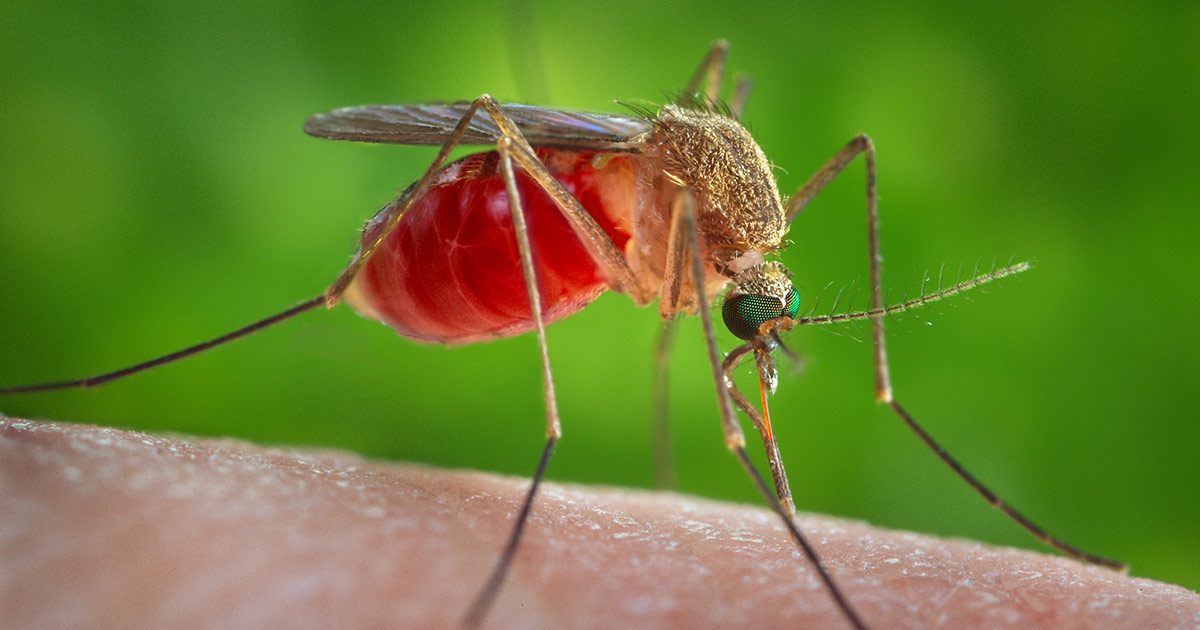
Understanding Florida’s Mosquito Population
Florida boasts a diverse ecosystem that supports a wide variety of mosquito species, numbering over 80. While not all species are bothersome to humans, several are known for their biting habits and potential to transmit diseases. The state’s subtropical climate, characterized by warm temperatures and abundant rainfall, creates ideal breeding grounds for these insects throughout much of the year.
Common Mosquito Species and Their Habits
The most frequently encountered mosquitoes in Florida include:
- Saltmarsh Mosquitoes ( Aedes sollicitans and Aedes taeniorhynchus): These species are notorious for their aggressive biting, often swarming in large numbers, particularly near coastal areas and salt marshes. They are most active at dawn and dusk but can bite at any time of day, especially on overcast days. Their larvae develop in brackish water, making tidal fluctuations a significant factor in their population cycles.
- Container Breeders ( Aedes aegypti and Aedes albopictus): Commonly known as the Yellow Fever Mosquito and the Asian Tiger Mosquito, respectively, these species are adept at utilizing artificial containers that hold water, such as flower pots, tires, and pet dishes. They are prevalent in urban and suburban environments and are aggressive daytime biters. Aedes aegypti is also a primary vector for diseases like Dengue fever, Zika virus, and Chikungunya.
- Culex Mosquitoes ( Culex quinquefasciatus): This genus is a significant vector for West Nile Virus in Florida. They prefer to lay eggs in stagnant, polluted water, such as ditches and uncovered water barrels. They are typically most active during twilight and nighttime hours.
- Anopheles Mosquitoes: While less common in terms of sheer numbers compared to other species, certain Anopheles mosquitoes are known vectors for malaria, though its transmission in Florida is now extremely rare due to public health efforts.
Understanding the habits of these species is crucial for travelers, as it informs when and where you are most likely to encounter them and the best strategies for avoidance.
Seasonal Patterns and Environmental Factors
Mosquito activity in Florida is heavily influenced by weather patterns. The peak mosquito season generally runs from spring through fall, coinciding with warmer temperatures and increased rainfall.
- Spring (March-May): As temperatures rise and rain becomes more frequent, mosquito populations begin to emerge and multiply. Early spring might see fewer mosquitoes, but by late spring, especially after heavy rains, numbers can increase significantly.
- Summer (June-August): This is typically the peak of mosquito season. The combination of high temperatures, humidity, and frequent thunderstorms creates an ideal breeding environment. Coastal areas, wetlands, and even residential areas with standing water can experience significant mosquito activity.
- Fall (September-November): Mosquito activity begins to decrease as temperatures cool. However, late fall can still see considerable numbers, especially if warm weather persists. Areas prone to flooding from hurricanes or tropical storms can experience a resurgence of mosquito populations even into the fall.
- Winter (December-February): During the cooler winter months, mosquito activity is significantly reduced. While some species may survive or remain dormant, biting is generally minimal, especially in the northern parts of the state. However, in southern Florida, particularly in areas like Naples or Fort Lauderdale, milder winters can still allow for some level of mosquito presence.
Environmental factors like hurricanes and prolonged periods of heavy rainfall can lead to localized flooding, which in turn creates ideal breeding conditions for mosquitoes, potentially leading to temporary spikes in populations even outside the typical peak season.
Where Are Mosquitoes Most Prevalent in Florida?
While mosquitoes can be found throughout Florida, certain environments and regions tend to have higher concentrations. Awareness of these areas can help travelers plan their activities and take appropriate precautions.
Coastal Regions and Wetlands
Areas along the coast, including the extensive salt marshes and mangrove forests of the Florida Keys, the Gulf Coast, and the eastern coastline, are prime habitats for saltmarsh mosquitoes. These mosquitoes are drawn to the brackish water and tidal fluctuations. Visitors enjoying beach towns like Key West or exploring natural reserves will likely encounter them, especially during dawn and dusk.

Similarly, the vast wetlands, swamps, and freshwater marshes found throughout the interior of the state, such as the Everglades National Park, are breeding grounds for various mosquito species. While these natural areas offer incredible biodiversity and unique travel experiences, they also require vigilance against insect bites.
Urban and Suburban Environments
Contrary to popular belief, urban and suburban areas can also have significant mosquito populations, largely due to the presence of container-breeding mosquitoes like the Asian Tiger Mosquito. These mosquitoes thrive in environments where human activity creates artificial water-holding containers. Flower pot saucers, clogged gutters, bird baths, discarded tires, and even bottle caps can become breeding sites.
This means that even within cities like Tampa, Jacksonville, or the greater Orlando metropolitan area, mosquitoes can be a nuisance, particularly in residential neighborhoods or parks with water features. Hotels and resorts also often take measures to control mosquito populations on their grounds, but it’s not always foolproof.
Rural and Agricultural Areas
Rural and agricultural regions often present a combination of natural breeding sites and water management systems that can support mosquito populations. Ditches, irrigation ponds, and areas with standing water from agricultural practices can serve as habitats for various mosquito species, including those that transmit diseases like West Nile Virus.
Tips for a Bite-Free Florida Adventure
While mosquitoes are an undeniable part of the Florida experience, they do not have to detract from your travel plans. With proper preparation and awareness, you can significantly minimize your exposure and enjoy all that the state has to offer.
Repellent Strategies
The most effective way to avoid mosquito bites is to use insect repellent.
- Choose the Right Repellent: Look for repellents containing DEET, Picaridin, Oil of Lemon Eucalyptus (OLE), or IR3535. These ingredients have been proven effective against mosquitoes. The concentration of the active ingredient will determine how long the protection lasts.
- Application: Apply repellent to exposed skin, avoiding eyes and mouth. Reapply as directed on the product label, especially after swimming or sweating. For children, use lower concentrations and avoid applying to their hands, as they may put them in their mouths.
- Clothing: Wearing long-sleeved shirts, long pants, socks, and hats can provide a physical barrier against mosquitoes. Consider treating clothing with permethrin for an added layer of protection, though this is typically recommended for more extensive outdoor activities or camping.
Timing and Location Awareness
- Activity Times: Be particularly vigilant during dawn and dusk, the peak biting times for many mosquito species. If you are planning outdoor activities in areas known for mosquitoes, consider scheduling them during the middle of the day when activity is often lower.
- Water Sources: Avoid lingering near stagnant water sources, especially in the early morning or late evening. This includes marshes, ponds, and areas where water tends to collect.
Accommodation and Environment Management
- Check Your Room: If staying in a hotel or vacation rental, ensure windows and doors have intact screens. Report any damaged screens to management.
- Outdoor Spaces: When spending time on balconies or patios, consider using mosquito repellent and avoiding strong perfumes or colognes, which can attract insects. Some accommodations may offer mosquito coils or citronella candles; these can provide a localized area of protection.
- Eliminate Standing Water: At your accommodation, particularly if it’s a villa or apartment with outdoor space, check for and empty any containers that could hold standing water. This includes plant saucers, buckets, and pet water bowls.

Engaging with Local Resources
Many tourist areas and local municipalities in Florida implement mosquito control programs, including aerial spraying or larvicide treatments. While these efforts aim to reduce populations, they are not always comprehensive or immediate. Staying informed about local conditions, perhaps by checking local news or visitor information centers, can provide additional context.
In conclusion, while Florida does indeed have mosquitoes, this is a natural characteristic of its lush and vibrant environment. By understanding the types of mosquitoes present, their seasonal patterns, and the areas where they are most prevalent, and by employing sensible preventative measures, travelers can confidently plan and enjoy their visit to this captivating destination, from the theme parks of Orlando to the beaches of Clearwater and the natural wonders of the Florida Everglades. A well-prepared traveler can easily navigate any minor inconveniences and fully immerse themselves in the unique experiences that Florida has to offer.
LifeOutOfTheBox is a participant in the Amazon Services LLC Associates Program, an affiliate advertising program designed to provide a means for sites to earn advertising fees by advertising and linking to Amazon.com. Amazon, the Amazon logo, AmazonSupply, and the AmazonSupply logo are trademarks of Amazon.com, Inc. or its affiliates. As an Amazon Associate we earn affiliate commissions from qualifying purchases.