
Florida, often synonymous with sunshine, beaches, and vibrant landscapes, undeniably conjures images of swaying palm fronds against a cerulean sky. The question, “Does [Florida] have palm trees?” might seem almost rhetorical to those familiar with the state’s iconic scenery. Yet, it opens a fascinating avenue into understanding the ecological tapestry of the Sunshine State, the diversity of its palm species, and their profound impact on its identity as a premier travel destination. Far from being a mere aesthetic accessory, palm trees are integral to [Florida]’s natural heritage, its tourism industry, and the very essence of its allure.
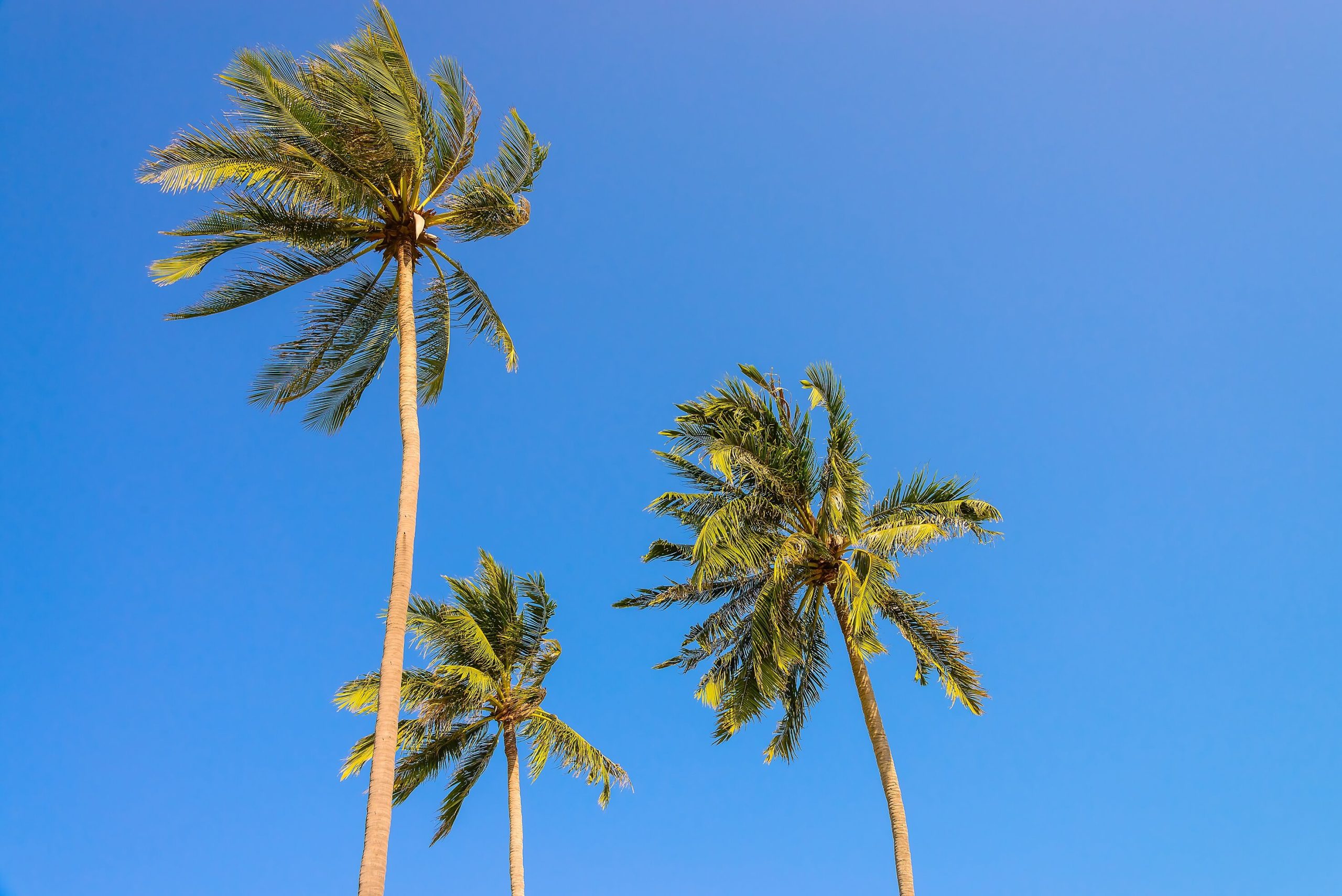
The Ubiquitous Symbol of the Sunshine State
The presence of palm trees in [Florida] is so pervasive that they have become a powerful symbol, instantly recognizable worldwide. This association is not accidental; it’s a carefully cultivated image that draws millions of visitors to its shores each year. From the bustling beaches of [Miami] to the tranquil keys of the [Florida Keys], these elegant trees define the visual language of the state.
Iconic Species and Their Habitats
While many envision a single type of palm, [Florida] is home to a surprising variety of native and introduced species, each contributing to the state’s diverse botanical landscape.
Native Palms: The Heart of Florida’s Ecology
[Florida] boasts several palm species that are native to its unique ecosystems. These trees are not only visually striking but also play a crucial role in supporting local wildlife and maintaining ecological balance.- Sabal Palm (Sabal palmetto): This is the official state tree of [Florida] and is arguably the most iconic. It’s a hardy palm found throughout the state, from the sandy soils of the coast to the wetter inland areas. Its fan-shaped fronds and distinctive rough trunk make it instantly recognizable. The [Sabal palm] is remarkably resilient, capable of withstanding strong winds and salt spray, making it a staple along the coastline. Its historical significance is also notable; early settlers used its wood for various purposes, and its fronds were used for thatching.
- Saw Palmetto (Serenoa repens): This low-growing, shrub-like palm is common in the understory of pine forests and scrub habitats across much of [Florida]. Its fan-shaped leaves are often tipped with spiky edges, giving it its name. The [Saw palmetto] produces dark berries that are a vital food source for many birds and mammals, including bears and raccoons. It also provides important habitat for ground-dwelling animals.
- Dwarf Palmetto (Sabal minor): As its name suggests, this palm is smaller than the [Sabal palm], typically growing as a shrub or with a short, creeping trunk. It thrives in moist, shady areas, often found along stream banks and in swamps. Its broad, fan-shaped leaves add a lush texture to the undergrowth.
- Coontie Palm (Zamia integrifolia): While technically a cycad and not a true palm, the [Coontie palm] is often mistaken for one due to its palm-like appearance. It’s a low-growing plant with tough, pinnately compound leaves and produces brightly colored cones. The [Coontie palm] is significant for its edible root, which was a staple food source for the indigenous Seminole people after proper processing. It is found in sandy, well-drained soils, often in pine flatwoods and coastal hammocks.
- Thatch Palm (Thrinax radiata) and Silver Thatch Palm (Coccothrinax argentata): These two species are found primarily in coastal hammocks and mangrove fringes, especially in South [Florida] and the [Florida Keys]. They are characterized by their slender trunks and graceful, fan-shaped leaves, which often have a silvery underside, particularly in the [Silver Thatch Palm]. Their delicate appearance adds to the tropical ambiance of these regions.
Introduced Palms: Enhancing the Tropical Appeal
Beyond its native species, [Florida] has embraced numerous non-native palms that have become deeply integrated into its landscape and tourism. These species were often introduced for their ornamental value, contributing to the state’s exotic and tropical image.
- Coconut Palm (Cocos nucifera): Perhaps the most quintessential tropical palm, the [Coconut palm] is synonymous with island paradises. While it thrives in the warm, humid climate of South [Florida] and the Keys, it is not native and requires protection from occasional cold snaps. Its tall, slender trunk topped with large, feathery fronds and the iconic coconuts are instantly recognizable and a major draw for tourists seeking that perfect beach photo.
- Royal Palm (Roystonea regia): Native to Cuba and parts of South [Florida], the [Royal palm] is another majestic species. It’s characterized by its tall, smooth, gray trunk that bulges slightly at the base, topped with a crown of large, arching fronds. It’s commonly planted along avenues and in parks, creating grand, stately vistas.
- Areca Palm (Dypsis lutescens): Popular in landscaping, the [Areca palm] is a multi-stemmed palm with feathery, arching fronds. It adds a lush, tropical feel to gardens and resorts.
- Queen Palm (Syagrus romanzoffiana): Originating from South America, the [Queen palm] is a fast-growing palm with a slender trunk and gracefully arching, pinnate leaves. It’s a common sight in [Florida] landscapes, contributing to the overall tropical aesthetic.
- Date Palms (Phoenix dactylifera and others): Various species of date palms, while not commercially significant for fruit production in [Florida], are often planted for their ornamental appeal. They have a distinct, somewhat stiff, pinnate leaf structure.
The Role of Palms in Florida’s Tourism
The visual landscape of [Florida], heavily influenced by its palm trees, is a critical component of its tourism appeal. These trees are not just scenery; they are an integral part of the experience that visitors seek.
Beaches and Coastal Resorts
The quintessential image of a [Florida] beach vacation involves white sand, turquoise waters, and, of course, palm trees. Palm trees provide shade, a sense of seclusion, and that undeniable tropical ambiance that draws sun-seekers. Resorts and hotels strategically incorporate palm trees into their landscaping, enhancing the guest experience and creating idyllic settings. Walking along the shorelines of places like [Clearwater Beach] or exploring the upscale boutiques and restaurants of [Palm Beach], the presence of palms is a constant, reinforcing the feeling of being in paradise.
Theme Parks and Attractions
Even inland attractions, such as the world-renowned theme parks in [Orlando], utilize palm trees to create immersive environments. The lush, tropical foliage, including a wide array of palm species, contributes to the magical and escapist atmosphere that these destinations aim to provide. Strolling through parks like [Walt Disney World Resort] or [Universal Orlando Resort], the carefully curated landscapes, dotted with palms, transport visitors to different worlds and enhance the overall entertainment experience.

Waterways and Inland Landscapes
Beyond the coast, palm trees line many of [Florida]’s lakes, rivers, and canals, adding to the state’s picturesque beauty. Boating excursions and scenic drives are often enhanced by the sight of palms framing the waterways. In areas like the [Everglades], native palms are part of the unique ecosystem, offering a glimpse into a wilder, more natural [Florida].
Beyond Aesthetics: The Ecological and Economic Impact
The significance of palm trees in [Florida] extends far beyond their visual appeal. They are deeply intertwined with the state’s ecology, economy, and cultural identity.
Supporting Biodiversity
Native palms are crucial for supporting [Florida]’s rich biodiversity. They provide food and shelter for a multitude of species. The berries of the [Saw palmetto] are a vital food source for birds, insects, and mammals. The fronds offer nesting sites for birds and shelter for small reptiles and amphibians. In the coastal ecosystems, mangroves, which include palm species like the [Thatch Palm], act as critical nurseries for fish and invertebrates and help protect shorelines from erosion.
Economic Contributions
The presence of palm trees fuels a significant portion of [Florida]’s economy, primarily through tourism. The aesthetic value they bring makes [Florida] a desirable destination, generating billions of dollars in revenue annually. Furthermore, the cultivation and sale of palm trees for landscaping contribute to the state’s nursery and horticultural industries. Many landscaping businesses specialize in planting and maintaining palms, creating jobs and economic activity.
Cultural Significance
The palm tree has become a powerful cultural icon for [Florida]. It appears on souvenirs, logos, and official state emblems, representing the state’s sunny climate, relaxed lifestyle, and natural beauty. The image of a palm tree evokes feelings of vacation, relaxation, and tropical escape, making it a universally understood symbol of [Florida].
Navigating Florida’s Palm-Filled Landscapes
For visitors, understanding the prevalence and diversity of palms can enhance their experience of [Florida]. Recognizing different species can add an extra layer of appreciation for the state’s natural environment.
Where to See the Most Palms
While palms are found throughout [Florida], certain areas are particularly known for their abundance and variety.
- South Florida: The subtropical climate of South [Florida], encompassing cities like [Miami], [Fort Lauderdale], and [Naples], is a haven for a vast array of palm species, both native and introduced. This region is home to dense palm hammocks and meticulously landscaped areas featuring exotic species.
- The Florida Keys: Stretching southwest from the mainland, the [Florida Keys] offer a unique environment where palms like the [Thatch Palm] and [Silver Thatch Palm] are prevalent, contributing to the islands’ distinct tropical charm.
- Coastal Areas: Along both the Atlantic and Gulf coasts, palms are a dominant feature of the landscape, providing essential ecological services and enhancing the visual appeal of beaches and coastal communities.
- Botanical Gardens: For a more curated experience, [Florida]’s numerous botanical gardens, such as the [Fairchild Tropical Botanic Garden] in [Coral Gables] and the [Naples Botanical Garden], offer extensive collections of palm species from around the world, allowing visitors to explore their diversity in a controlled environment.
Choosing the Right Palm for Your Landscape
For residents and those interested in replicating [Florida]’s iconic look, understanding which palms are suitable for different environments is key. Native species are generally the most resilient and best suited to the local ecosystem. However, many introduced species have proven to be well-adapted and add to the aesthetic appeal. Factors such as soil type, sunlight exposure, and cold hardiness are critical considerations when selecting palm trees.

Conclusion: A Definitive Yes
To answer the initial question directly and unequivocally: Yes, [Florida] absolutely has palm trees. They are not merely present; they are a defining characteristic of the state’s identity, a vital part of its ecosystem, and a cornerstone of its world-renowned tourism industry. From the rugged [Sabal palm] to the graceful [Coconut palm], these trees weave a vibrant tapestry of green across the [Sunshine State], beckoning visitors to experience its unique blend of natural beauty and tropical allure. The presence of palm trees is, in essence, the very breath of [Florida]’s allure, a constant reminder of its warm embrace and exotic charm.
LifeOutOfTheBox is a participant in the Amazon Services LLC Associates Program, an affiliate advertising program designed to provide a means for sites to earn advertising fees by advertising and linking to Amazon.com. Amazon, the Amazon logo, AmazonSupply, and the AmazonSupply logo are trademarks of Amazon.com, Inc. or its affiliates. As an Amazon Associate we earn affiliate commissions from qualifying purchases.