
For individuals contemplating a long-term stay, retirement, or investment in accommodation properties across the Sunshine State, understanding the intricacies of Florida’s tax structure is paramount. The question “Does Florida have personal property tax?” often arises, carrying significant implications for budgets, financial planning, and the overall cost of living or owning property. While the answer isn’t a simple yes or no for all situations, this article delves into the specifics, clarifying the distinctions between various property taxes and their impact on those considering Florida for extended stays or property acquisition.
The allure of Florida — from its sun-drenched beaches in Miami to the theme park wonders of Orlando — attracts millions. Whether you’re considering purchasing a vacation home in Kissimmee, a retirement condo in Sarasota, or simply a protracted rental experience, grasping the financial landscape is crucial for informed decision-making regarding your accommodation choices. This discussion will primarily focus on how personal property tax considerations intertwine with the broader context of long-term accommodation, investment properties, and residency in the state.
Understanding Florida’s Tax Landscape for Residents and Property Owners
Florida is renowned for being one of the few states without a state income tax, a significant draw for many. However, this doesn’t mean it’s a tax-free haven. The state relies on other forms of taxation, most notably sales tax and property taxes, to fund its services. For anyone considering long-term accommodation, these taxes directly influence the total cost.
Distinguishing Real Property from Personal Property
To address the question of personal property tax, it’s essential to first differentiate between “real property” and “personal property.” This distinction is fundamental to understanding Florida’s tax system.
- Real Property: This refers to land and anything permanently attached to it, such as buildings, houses, and other structures. When people talk about “property taxes” in Florida, they are almost always referring to real property taxes, also known as ad valorem taxes. These taxes are levied by counties and local municipalities based on the assessed value of the land and improvements. They are a primary cost for anyone owning accommodation in the state, whether it’s a primary residence, a vacation home, or an investment rental property.
- Personal Property: In contrast, personal property encompasses items that are movable and not permanently affixed to real estate. This includes furniture, electronics, vehicles, boats, jewelry, and other household goods. The tax treatment of personal property is where the nuances of Florida’s system become particularly relevant.
The General Absence of Tangible Personal Property Tax for Individuals
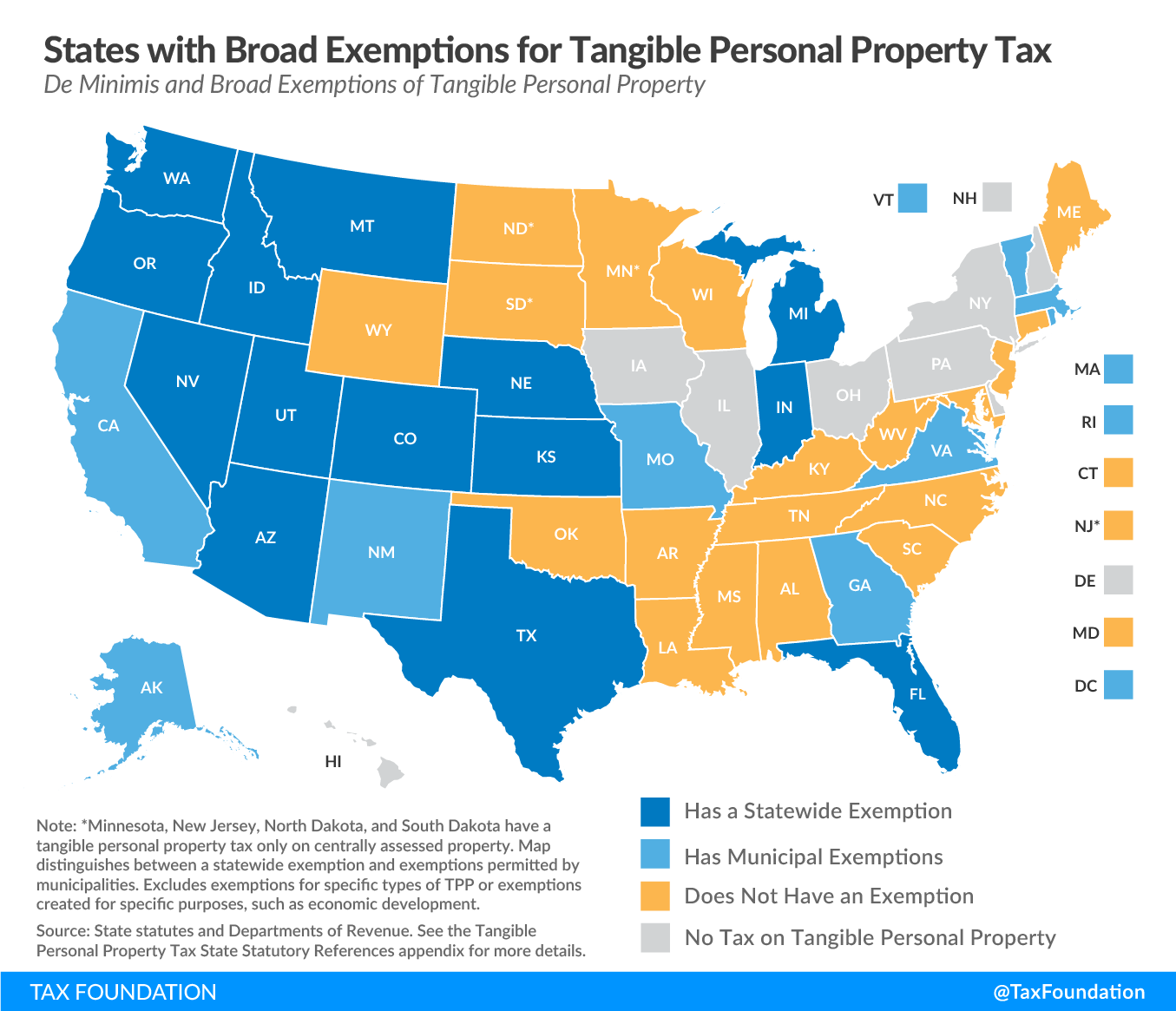
For most individuals residing in or owning accommodation in Florida, the straightforward answer is that no, Florida does not levy an annual tangible personal property tax on household goods and personal effects. This means that if you furnish your home or apartment in Orlando or Naples with furniture, appliances, electronics, or other typical personal items, you will not pay an annual property tax on these specific items as an individual. This absence is a distinct advantage for those considering residency or long-term accommodation ownership, as it reduces the overall financial burden compared to states that do tax such assets.
It’s crucial to understand that while vehicles and boats are personal property, they are not subject to this specific type of personal property tax. Instead, they have separate annual registration fees and, for vehicles, often a one-time sales tax when purchased.
Implications for Long-Term Accommodation and Property Ownership
While individuals are largely exempt from tangible personal property tax, the situation changes when personal property is used in a commercial context, which is highly relevant for certain types of long-term accommodation or investment strategies.
Owner-Occupied Homes and Vacation Rentals (Individual Use)
For individuals who own a primary residence, a seasonal vacation home, or even a long-term rental property purely for personal use (not operating as a registered business entity), the lack of personal property tax on household items remains a consistent benefit. This means that furnishing your Key West condo or St. Petersburg beachfront property with all the comforts of home will not trigger an additional annual tax assessment on the value of those furnishings. The primary property tax concern for these individuals will always be the real estate property tax levied on the land and structure itself.
Businesses and Rental Properties (Commercial Context)
Here is where the distinction becomes critical. If you are operating a business, even one related to accommodation, tangible personal property tax generally applies. This directly impacts:
- Hotels, Resorts, and Commercial Lodging: Large establishments like the Grand Hyatt Orlando or smaller boutique hotels are subject to tangible personal property tax on items like their furniture, fixtures, equipment, computer systems, and other assets used in their commercial operations.
- Vacation Rental Businesses: If an individual or entity operates a furnished rental property as a business (e.g., through an LLC, or as part of a portfolio of rental properties), the furniture, appliances, and other tangible assets within those rental units may be considered business personal property and, therefore, subject to taxation. This is particularly relevant for investors in popular short-term rental markets like Kissimmee, Orlando, or even Panama City Beach, where properties are typically rented fully furnished.
- Long-Term Furnished Rentals (Commercial Operation): Even if a property is rented long-term, if the furnishing of that property is part of a commercial enterprise, the personal property used in that enterprise might be taxable. The distinction often hinges on whether the property is held for personal use/investment or operated as a legitimate business generating income, with the property’s contents being integral to that business operation.
Taxable business personal property must be reported annually to the county property appraiser. Failure to do so can result in penalties. This is a crucial consideration for anyone planning to acquire accommodation specifically for investment and rental income generation in Florida.
What Constitutes Tangible Personal Property for Tax Purposes?
Understanding the specifics of what is (and isn’t) taxed helps clarify the financial implications for accommodation choices.
Exemptions for Individuals and Households
As previously noted, individuals are generally exempt from tangible personal property tax for items used for personal, family, or household purposes. This broadly covers:
- Household furniture and furnishings
- Appliances
- Personal electronics (TVs, computers)
- Art and collectibles (not for commercial gain)
- Clothing and personal effects
- Vehicles (taxed via registration/sales tax)
- Boats (taxed via registration/sales tax)
This exemption is a significant factor in Florida’s appeal for long-term residents and those seeking seasonal accommodation.
Taxable Business Personal Property
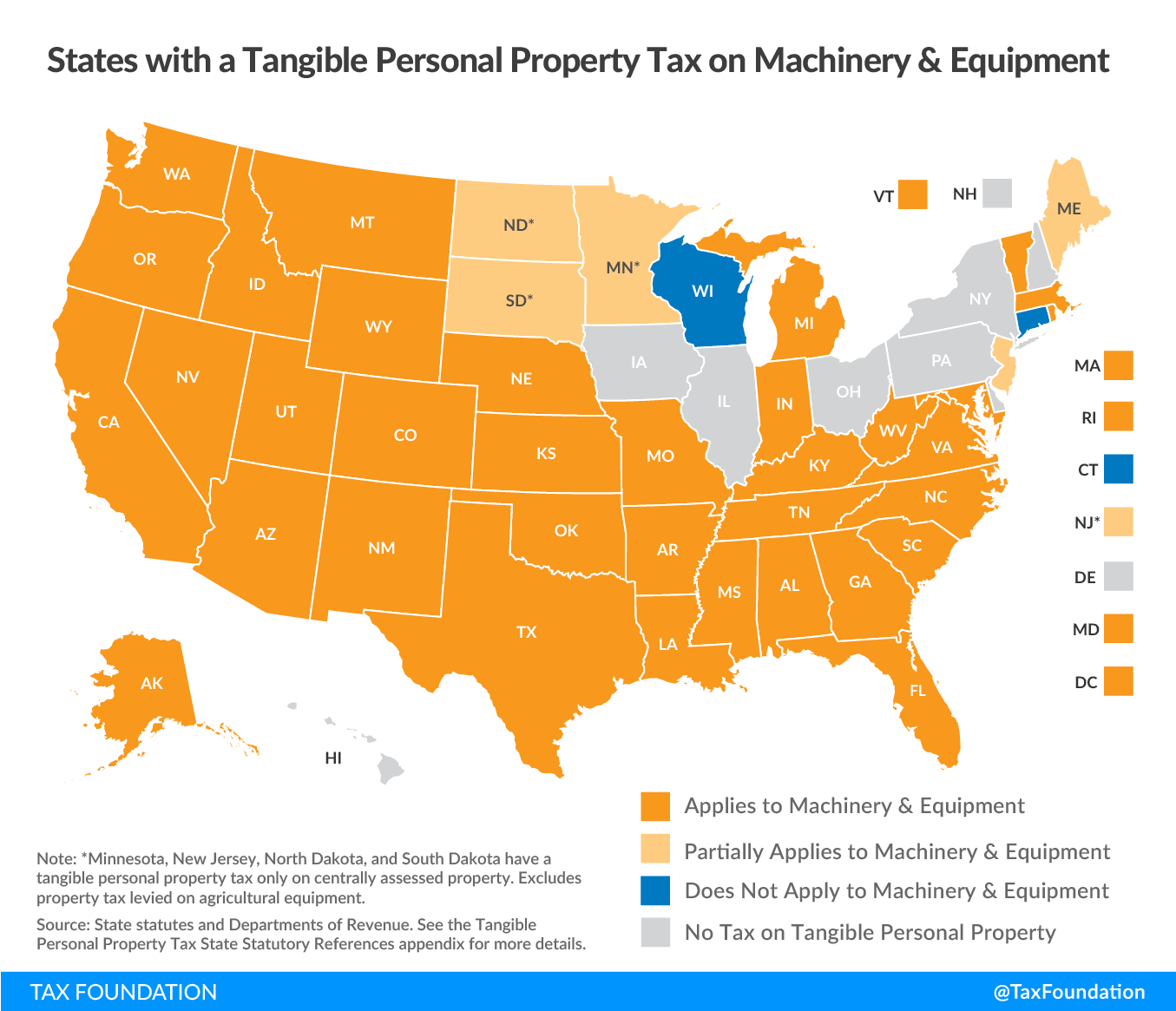
For businesses, including those involved in providing accommodation, tangible personal property that is used for commercial purposes is typically taxable. This includes:
- Furniture and Fixtures: Desks, chairs, shelving, display cases, and permanent fixtures like built-in cabinets (if not considered real property improvements).
- Machinery and Equipment: Manufacturing equipment, office machinery, tools, and specialized equipment specific to a business.
- Computer Equipment: Servers, desktop computers, laptops, and networking hardware used for business operations.
- Leasehold Improvements: Additions or improvements made by a tenant to a leased property, which can be removed at the end of the lease.
- Supplies and Inventory: While inventory is generally exempt, certain supplies used in a business operation may be included.
Each county in Florida has a property appraiser’s office, such as the Orange County Property Appraiser or the Lee County Property Appraiser, responsible for assessing these taxes. Businesses are required to file a Tangible Personal Property Tax Return (Form DR-405) annually.
Navigating Property Taxes in Florida for Accommodation Choices
Given that individual tangible personal property tax is largely absent, the focus for anyone looking at long-term accommodation in Florida shifts predominantly to real estate property taxes.
Focus on Real Estate Property Tax (Ad Valorem Tax)
Real estate property tax is the most significant annual tax burden for property owners in Florida. It’s an ad valorem tax, meaning it’s based on the assessed value of the property. This tax is levied by local governments (counties, cities, school districts) and funds a wide array of public services, from schools and roads to police and fire departments.
- Calculation: The tax amount is determined by multiplying the assessed value of your property (minus any exemptions) by the local millage rate. Millage rates vary significantly by county and specific taxing districts within each county. For example, a home in Jacksonville will have a different millage rate than one in Fort Lauderdale.
- Impact on Accommodation Costs: For potential homeowners, this is a recurring annual cost that must be factored into the overall expense of owning accommodation. For those considering long-term furnished rentals, while they may not directly pay this tax, it’s reflected in the rental rates set by landlords who are absorbing these costs.
Homestead Exemption and Its Benefits
A crucial benefit for primary residents in Florida is the Homestead Exemption. If a property is your permanent residence (homestead), you can apply for this exemption, which reduces the taxable value of your home by up to $50,000. This significantly lowers your real estate property tax bill.
- Eligibility: To qualify, the property must be your permanent residence as of January 1st of the tax year, and you must file an application with your county property appraiser.
- Save Our Homes (SOH) Cap: Beyond the initial exemption, the Save Our Homes Amendment caps the annual increase in the assessed value of homesteaded property at 3% or the Consumer Price Index, whichever is lower. This provides substantial long-term tax protection against rapidly rising property values.
These benefits are exclusively for primary residents and do not apply to investment properties, vacation homes not used as a primary residence, or commercial accommodation businesses. This makes the choice of permanent residency in Florida financially more attractive for homeowners compared to those with secondary or investment properties.
Beyond Taxes: Holistic Financial Planning for Florida Accommodation
While personal property tax specifically affects businesses and real estate property tax impacts all property owners, several other financial considerations are vital when planning for long-term accommodation in Florida.
Insurance Considerations
Property insurance in Florida can be a significant expense, particularly in coastal areas prone to hurricanes, such as Miami Beach or Destin. Homeowner’s insurance policies often require separate windstorm and flood insurance, which can add thousands of dollars annually to the cost of accommodation. This is a critical factor for anyone buying property, as it can dwarf other ongoing expenses.
Homeowner Association (HOA) Fees
Many residential properties in Florida — especially condos, townhouses, and homes within planned communities (common options for long-term stays) — are part of Homeowner Associations. These HOAs charge monthly or quarterly fees to cover common area maintenance, amenities (pools, gyms), security, and sometimes exterior building insurance. These fees can range from hundreds to over a thousand dollars per month and are a non-negotiable cost of owning accommodation in such communities.

Sales Tax on Rentals
While not a property tax, it’s worth noting that short-term rentals (typically less than six months) in Florida are subject to state sales tax (6%) and often additional local tourist development taxes (which vary by county, e.g., in Orange County where Walt Disney World is located). This directly impacts the cost of short-term accommodation but doesn’t apply to personal property or long-term leases (over six months) where the tenant establishes residency.
In conclusion, for individuals seeking long-term accommodation in Florida, the good news is that they are generally exempt from personal property tax on their household goods and personal effects. However, this clarity often leads to a deeper understanding of the significant real estate property taxes, and for those investing in furnished rental properties as a business, the tangible personal property tax becomes a relevant annual obligation. Thorough financial due diligence, encompassing real estate taxes, insurance, HOA fees, and potential business personal property taxes, is essential for anyone considering the diverse and attractive accommodation options Florida has to offer.
LifeOutOfTheBox is a participant in the Amazon Services LLC Associates Program, an affiliate advertising program designed to provide a means for sites to earn advertising fees by advertising and linking to Amazon.com. Amazon, the Amazon logo, AmazonSupply, and the AmazonSupply logo are trademarks of Amazon.com, Inc. or its affiliates. As an Amazon Associate we earn affiliate commissions from qualifying purchases.