
When considering a move to the Sunshine State, whether for a permanent residence, a vacation home, or even a long-term rental, understanding the financial landscape is paramount. While many are drawn to Florida’s idyllic beaches, vibrant theme parks, and thriving tourism industry, a crucial element of financial planning often surfaces: property taxes. The question, “Does Florida have property taxes?” is a common one, and the answer is a definitive yes. However, the nuances of how these taxes are assessed, levied, and what influences their rates are what truly matter to prospective residents and investors. This article delves into the world of Florida property taxes, exploring their purpose, the factors that determine their amount, and how they might impact your financial decisions when it comes to embracing the Florida lifestyle.
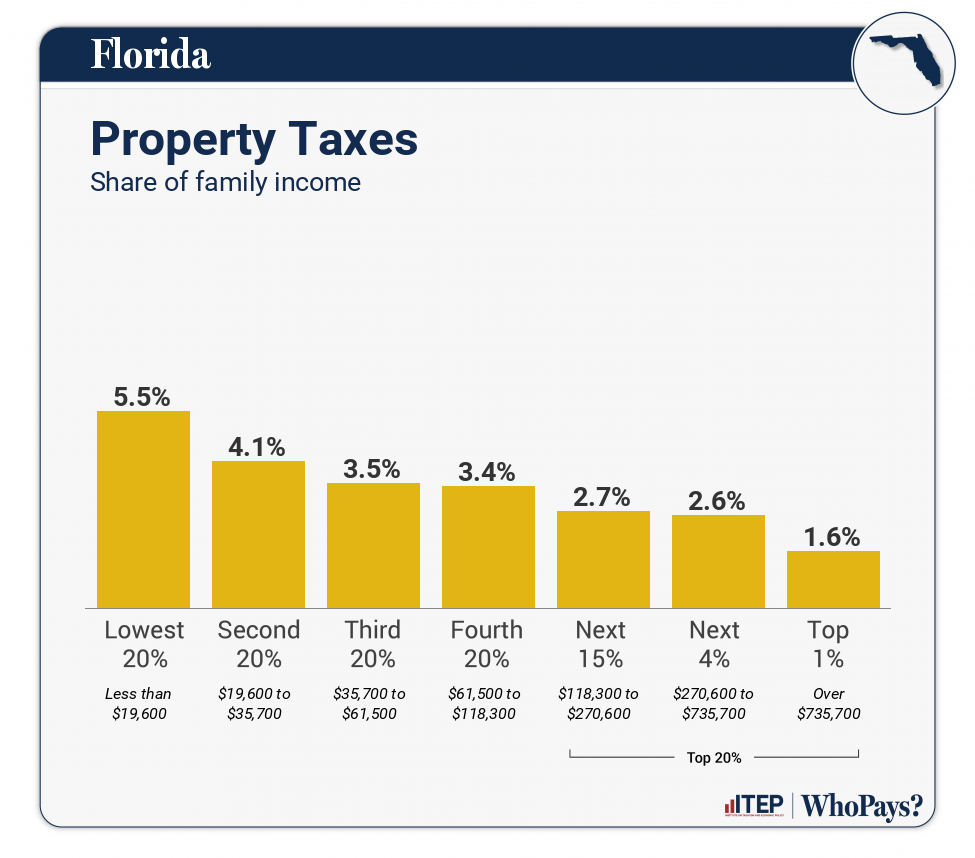
Understanding Florida Property Taxes: The Foundation
Florida property taxes are a cornerstone of local government funding. Unlike states that rely heavily on income taxes, Florida’s government services, from public schools and law enforcement to road maintenance and parks, are largely financed through these taxes. This decentralized approach means that property tax rates can vary significantly from one county and municipality to another. The primary purpose of these taxes is to ensure that communities have the necessary resources to maintain and improve the quality of life for their residents.
How Property Taxes Are Assessed in Florida
The assessment of property taxes in Florida is a multi-step process overseen by the county Property Appraiser’s office. The fundamental principle is to determine the fair market value of a property.
Determining Fair Market Value
The fair market value of a property is essentially what a willing buyer would pay to a willing seller, neither being under compulsion to buy or sell, and both having reasonable knowledge of relevant facts. Property Appraisers use several methods to estimate this value:
- Sales Comparison Approach: This is the most common method. It involves analyzing recent sales of comparable properties in the same neighborhood. Factors such as size, age, condition, features, and location are considered to make adjustments to the sales prices of comparable properties to arrive at the estimated value of the subject property.
- Cost Approach: This method estimates the cost to replace the property with a similar one, minus depreciation. It’s often used for newer or unique properties where comparable sales data might be scarce.
- Income Approach: For income-producing properties, such as apartment buildings or commercial rentals, this approach estimates value based on the potential income the property can generate.
The Property Appraiser’s office conducts annual reviews of property values. For homesteaded properties (primary residences), the assessed value can only increase by a maximum of 3% per year or the percentage increase in the Consumer Price Index (CPI), whichever is less. This is a crucial protection for homeowners, ensuring that their tax burden doesn’t skyrocket due to rapid market appreciation in a single year. However, if substantial improvements are made to the property, or if ownership changes, the assessed value can be adjusted to reflect the new market value.
The Role of the Millage Rate
Once the assessed value of a property is determined, the next step in calculating property taxes involves the millage rate. A mill is one-tenth of a cent, or $0.001. In property tax terms, a millage rate of 1 means $1 of tax for every $1,000 of taxable value.
Millage rates are set annually by taxing authorities, which can include:
- County Commissions: Responsible for county-wide services.
- City Councils: Responsible for municipal services within city limits.
- School Boards: Fund public education.
- Special Taxing Districts: For specific services like water management, fire protection, or mosquito control.
These taxing authorities propose their budget needs for the upcoming fiscal year, and based on these budgets and the total taxable value of property within their jurisdiction, they set their millage rates. The sum of all millage rates levied on a property by various taxing authorities determines the overall millage rate applied to its taxable value.
Calculating Your Property Tax Bill
The actual property tax bill is calculated by multiplying the property’s taxable value by the sum of all applicable millage rates, and then dividing by 1,000.
Formula:
Property Tax Bill = (Taxable Value / 1,000) * Total Millage Rate
Example:
If a property has an assessed value of $300,000, and the total millage rate for that jurisdiction is 25 mills, the calculation would be:
($300,000 / 1,000) * 25 = $300 * 25 = $7,500
This $7,500 would be the annual property tax liability for that property. It’s important to remember that “taxable value” is often the assessed value minus any applicable exemptions.
Factors Influencing Property Taxes in Florida
Several key factors directly influence the amount of property tax an individual will pay in Florida. Understanding these elements is vital for anyone considering purchasing property or assessing their ongoing costs of ownership.
Location, Location, Location: The Impact of Jurisdiction
As mentioned earlier, the specific location of a property within Florida is a primary driver of its property tax rate. Different counties and municipalities have varying needs for funding local services, which directly translates into different millage rates. For instance, a property in a bustling city like Miami or Orlando might have higher millage rates to support extensive public services and infrastructure compared to a more rural area. Likewise, areas with renowned attractions like Walt Disney World or Universal Studios Florida may have higher property values and potentially higher tax bases, but also demand for significant local services to support tourism. Even within a county, different special taxing districts can add to the overall millage rate. Therefore, comparing the millage rates across different neighborhoods or cities you are considering is a crucial step in financial due diligence.

Property Type and Value
The type and value of the property are, naturally, central to the tax calculation. A luxurious beachfront villa in Naples will undoubtedly have a higher assessed value and thus a higher tax bill than a modest condominium in a less affluent area. Similarly, commercial properties, apartment complexes, and vacation rental properties in popular tourist destinations like Clearwater Beach or Key West will be valued differently based on their income-generating potential and market demand. The principle of “higher value, higher tax” is generally true, although exemptions and assessment caps can modify this.
Homestead Exemptions and Other Tax Relief
Florida offers several exemptions that can significantly reduce a property owner’s tax liability. The most significant of these is the Homestead Exemption.
The Homestead Exemption
To qualify for the Homestead Exemption, a property must be the owner’s primary residence, and they must have established Florida residency by January 1st of the tax year. This exemption reduces the assessed value of the property by up to $50,000 for tax purposes. The first $25,000 of assessed value is exempt, and an additional exemption of up to $25,000 applies to the assessed value between $50,000 and $75,000. However, this additional exemption typically does not apply to school district taxes.
This exemption is a powerful incentive for Florida residents to own their homes, making homeownership more affordable. For example, if a property’s assessed value is $200,000, and the total millage rate is 20 mills, the tax would be $4,000. With a homestead exemption reducing the taxable value to $175,000 (assuming the exemption applies to all levies), the tax would be $3,500, representing a $500 annual saving.
Other Valuable Exemptions
Beyond the Homestead Exemption, Florida offers a variety of other exemptions that can further reduce tax burdens for eligible property owners. These include:
- Widow/Widower Exemption: For surviving spouses.
- Disability Exemption: For individuals who are totally and permanently disabled.
- Veteran Exemptions: For honorably discharged veterans who are at least 65 years old and have served during a wartime period, with additional benefits for disabled veterans.
- Senior Citizen Exemption: Available in some counties for individuals aged 65 and older with limited income.
- Renewable Energy Tax Exemption: For properties that have installed solar energy systems or other renewable energy devices.
It is crucial for property owners to investigate which exemptions they may qualify for and to file the necessary applications with their county Property Appraiser’s office by the deadline, typically March 1st.
Changes in Ownership and Property Improvements
Significant changes in a property’s status can also affect its tax assessment.
Transfer of Ownership
When a property changes hands, the new owner’s tax assessment is typically based on the fair market value at the time of sale. As mentioned earlier, for homesteaded properties, a change in ownership usually means the tax assessment will be reset to market value, and the new owner will need to apply for their own homestead exemption if they intend to make it their primary residence. This is a critical point for real estate investors and those planning to buy a vacation home, as the tax liability could increase significantly upon purchase if the previous owner benefited from a long-standing assessment cap.
Property Improvements
Substantial improvements to a property, such as additions, significant renovations, or the installation of new amenities, can lead to an increase in its assessed value and, consequently, its property tax bill. The Property Appraiser’s office is generally aware of major construction through building permits and inspections. It’s advisable to consult with the local Property Appraiser’s office if you are planning major improvements to understand the potential impact on your property taxes.
Property Taxes in the Context of Florida Tourism and Lifestyle
The presence and structure of property taxes in Florida are intrinsically linked to its appeal as a tourist destination and its diverse lifestyle offerings. For those considering a move to the state, investing in rental properties, or simply planning extended stays, understanding these taxes is part of appreciating the complete picture.
Property Taxes for Vacation Homeowners and Investors
Florida is a popular destination for vacation homes and investment properties, particularly in areas renowned for their beaches, theme parks, and golf courses, such as Palm Beach, Fort Lauderdale, and the Florida Keys. For individuals who own property but do not reside in it full-time, the tax implications differ.
Non-Homesteaded Properties
Properties that are not designated as the owner’s primary residence (i.e., they do not have a Homestead Exemption) are subject to higher assessed values, as the annual assessment cap of 3% or CPI increase does not apply. Their assessed value will more closely reflect the current market value. Furthermore, certain tax benefits or credits available to homesteaders are not extended to non-homesteaded properties. This means that a vacation home in Sanibel Island or a rental property in Tampa will likely have a higher property tax bill relative to its value compared to a primary residence in the same area. This is a crucial consideration for real estate investors looking to purchase properties in popular tourist hubs and seeking to calculate their potential rental income and overall return on investment.
Impact on Rental Costs and Accommodation Choices
Property taxes are a significant operational cost for owners of rental properties, including apartments, villas, and short-term vacation rentals advertised on platforms like Airbnb or VRBO. These costs are invariably factored into the rental rates charged to tenants and vacationers. Therefore, areas with higher property tax rates might indirectly lead to higher rental costs, especially in sought-after locations like Key Biscayne or Siesta Key. When comparing accommodation options, from luxury resorts like the Fontainebleau Miami Beach to boutique hotels and private villas, understanding that property taxes are a component of the overall operational costs can provide a more informed perspective on pricing. For those considering long-term stays, the annual property tax burden on landlords can influence lease negotiations.

Property Taxes and the Florida Lifestyle
The robust funding of local services through property taxes directly contributes to the high quality of life many associate with Florida. Well-maintained infrastructure, excellent public schools, extensive park systems, and efficient public safety departments in cities like Jacksonville or St. Petersburg are all supported by these revenues. For residents, this means enjoying beautiful public beaches, access to recreational facilities, and safe communities. For visitors, it means experiencing a well-managed and appealing destination. While property taxes are an undeniable cost of homeownership, they are also an investment in the very lifestyle that draws people to Florida, from the serene landscapes of the Everglades to the vibrant cultural scene in cities like Sarasota.
In conclusion, while the answer to “Does Florida have property taxes?” is a straightforward “yes,” the intricacies of their assessment, the factors influencing their rates, and the exemptions available are multifaceted. For anyone considering Florida as a place to live, invest, or vacation, a thorough understanding of property taxes is not just advisable; it’s essential for making sound financial decisions and fully appreciating the value of the Sunshine State’s offerings.
LifeOutOfTheBox is a participant in the Amazon Services LLC Associates Program, an affiliate advertising program designed to provide a means for sites to earn advertising fees by advertising and linking to Amazon.com. Amazon, the Amazon logo, AmazonSupply, and the AmazonSupply logo are trademarks of Amazon.com, Inc. or its affiliates. As an Amazon Associate we earn affiliate commissions from qualifying purchases.