
The Sunshine State, a perennial favorite for vacationers and permanent residents alike, conjures images of sun-drenched beaches, vibrant theme parks, and lush natural landscapes. From the bustling streets of Miami to the serene Everglades National Park, Florida offers a diverse range of experiences. However, beneath the veneer of idyllic vacation spots, a question sometimes arises for those planning a trip or considering a move: does Florida have scorpions? The answer is a resounding yes. While not as prevalent or as dangerous as scorpions found in more arid regions, the presence of these arachnids is a reality for Floridians. Understanding their habitat, behavior, and the potential for encounters is crucial for anyone visiting or residing in the state.
The Scorpion Inhabitants of Florida
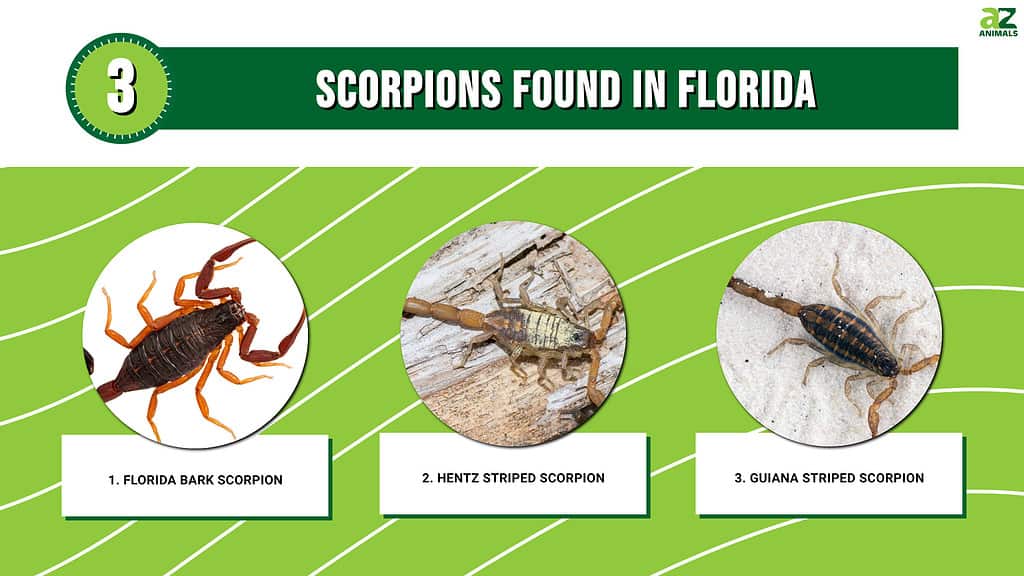
Florida is home to several species of scorpions, though the most commonly encountered is the striped bark scorpion, Centruroides vittatus. While this species is native to other parts of the United States, it has established a presence in Florida, particularly in more northern and western areas. Another species, the Florida bark scorpion (Centruroides gracilis), is also found in the state, though it is less common and often mistaken for the striped bark scorpion.
Understanding Scorpion Species and Distribution
The striped bark scorpion, characterized by its two dark stripes running down its back, is a relatively small to medium-sized scorpion, typically measuring between 2 to 3 inches in length. Its coloration can vary, ranging from light brown to a darker tan. These scorpions are generally nocturnal, meaning they are most active during the night, seeking out prey such as insects, spiders, and other small invertebrates. During the day, they tend to hide in cool, dark, and sheltered locations.
While the striped bark scorpion has a wider distribution, the Florida bark scorpion, though native, is not as frequently observed. It shares similar habits with its striped cousin, preferring to reside in sheltered environments. Their presence is more localized, and encounters are less common compared to the striped bark scorpion.
It’s important to note that unlike some of the more venomous scorpions found in regions like the Southwestern United States, the scorpions found in Florida are generally not considered medically significant to humans. Their venom is potent enough to cause pain, swelling, and localized redness at the sting site, but serious systemic reactions are rare, especially in healthy adults. However, individuals with allergies or sensitivities, particularly children and the elderly, may experience more pronounced reactions.
Where Do Florida Scorpions Live?
The habitat preferences of scorpions in Florida are quite diverse, though they all share a common need for shelter and a food source. Understanding these preferences can help residents and visitors minimize the chances of an unwanted encounter. Scorpions are opportunistic creatures, and their presence often correlates with areas that provide ample hiding places and a consistent supply of insects to prey upon.
Common Habitats and Hiding Places
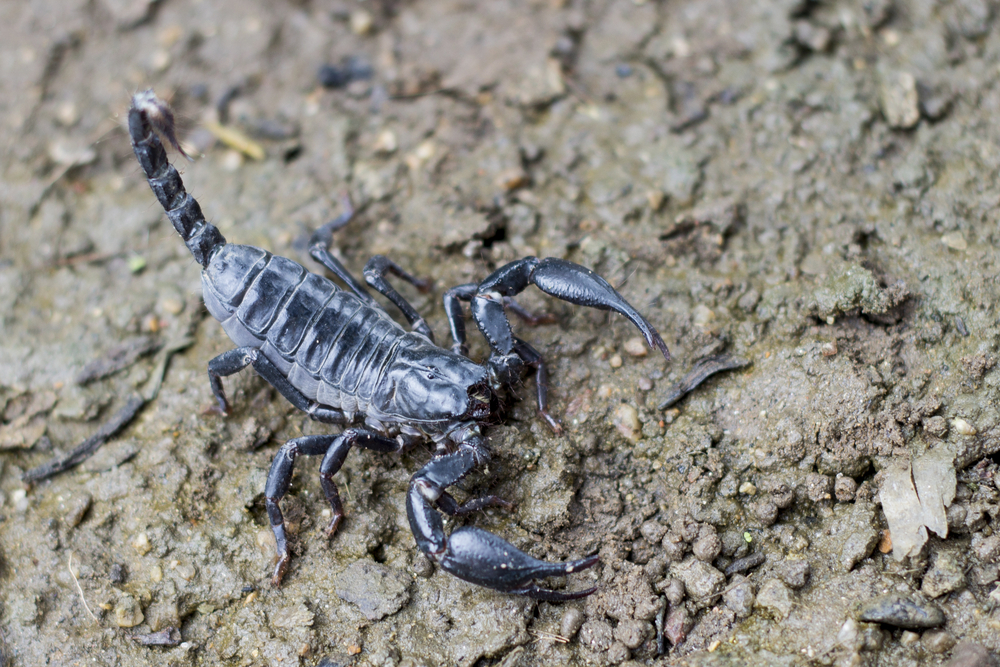
Scorpions are masters of camouflage and seek out environments that offer protection from predators and the elements. In Florida, this translates to a variety of locations:
- Woodpiles and Debris: One of the most common places to find scorpions is in piles of wood, decaying leaves, mulch, and other garden debris. These offer excellent shelter from the sun and predators, as well as a ready supply of insects. Homeowners are often advised to keep firewood and yard waste a reasonable distance from their homes.
- Under Rocks and Logs: Similar to woodpiles, loose rocks, fallen logs, and other natural ground cover provide ideal hiding spots for scorpions. When exploring natural areas or gardening, it’s wise to be cautious when moving these items.
- Inside Structures: Scorpions are known to seek refuge inside human dwellings, particularly in dark, undisturbed areas. This can include garages, sheds, basements, attics, and even inside wall voids. They may be attracted to the warmth, darkness, and the insects that may also find their way into these spaces.
- Invasive Plants: Certain dense, invasive plants can create microhabitats suitable for scorpions. Areas with thick ground cover, especially if undisturbed, can harbor these arachnids.
- Bark of Trees: As their name suggests, bark scorpions are often found on the bark of trees, particularly during humid nights when they are more active. They may climb trees in search of prey or to find shelter.
The presence of scorpions is not confined to the wilderness. They can be found in suburban backyards and even within more urban environments if suitable hiding places and food sources are available. This highlights the importance of general pest control and maintaining tidy outdoor spaces.
Preventing and Managing Scorpion Encounters
While the scorpions in Florida are not typically dangerous, a sting can still be unpleasant. Taking preventative measures and knowing how to respond to an encounter can ensure peace of mind for residents and travelers. The key to managing scorpion presence is a combination of habitat modification and awareness.

Practical Tips for Residents and Visitors
For those staying in hotels, resorts, or vacation rentals, especially those in more rural or nature-adjacent areas, it’s always a good idea to be aware of your surroundings. While accommodations like the Grand Hyatt Hotel or the luxurious villas at The Breakers Palm Beach maintain high standards of cleanliness and pest control, scorpions can occasionally find their way in, as can any creature.
Here are some practical tips for both residents and visitors:
- Seal Entry Points: Inspect your home or vacation rental for cracks and crevices in walls, windows, and doors. Seal these openings to prevent scorpions and other pests from entering. Ensure screens on windows and doors are in good repair.
- Yard Maintenance: Keep your yard tidy. Regularly remove leaf litter, woodpiles, and other debris that can serve as scorpion habitats. Trim back overgrown vegetation that might provide cover. Avoid leaving old shoes or clothing lying around outdoors, as scorpions can hide in them.
- Shake Out Clothing and Shoes: Before putting on shoes or clothing that have been left outside or in less-used areas like garages or sheds, give them a good shake. This is especially important for items that have been sitting on the floor.
- Be Cautious When Outdoors at Night: If you are walking outside in the evening or at night, especially in areas with dense vegetation or near woodpiles, wear shoes and be aware of where you are stepping. Using a flashlight can help you spot them.
- Inspect Bedding: While rare, scorpions can sometimes find their way into beds, especially if bedding touches the floor. It’s a good practice, particularly for children, to shake out bedding before use if staying in an area where scorpions are known to be present.
- Know What to Do If Stung: If stung by a scorpion, wash the affected area with soap and water. Apply a cold compress to help reduce pain and swelling. Over-the-counter pain relievers can be used. Monitor the site for signs of infection or an allergic reaction. Seek medical attention if you experience severe pain, numbness, tingling, or any signs of an allergic reaction, or if the sting victim is a child or elderly person.
By understanding that scorpions are a natural part of Florida‘s ecosystem and by taking sensible precautions, you can enjoy all the Sunshine State has to offer with peace of mind. Whether you are exploring the natural beauty of Canaveral National Seashore, visiting the vibrant attractions in Orlando, or simply relaxing at a Florida resort, awareness and simple preventative measures are your best allies. The presence of scorpions is a minor consideration compared to the vast array of wonders that await in Florida.
LifeOutOfTheBox is a participant in the Amazon Services LLC Associates Program, an affiliate advertising program designed to provide a means for sites to earn advertising fees by advertising and linking to Amazon.com. Amazon, the Amazon logo, AmazonSupply, and the AmazonSupply logo are trademarks of Amazon.com, Inc. or its affiliates. As an Amazon Associate we earn affiliate commissions from qualifying purchases.