
Florida, a state synonymous with sun-drenched beaches, vibrant theme parks, and an angler’s paradise, beckons millions of tourists each year. For many, a quintessential part of the Florida experience involves casting a line into its abundant waters, whether in the crystal-clear Atlantic, the sprawling Gulf of Mexico, or the serene freshwater lakes and rivers. However, before you embark on your angling adventure, a crucial question arises: does Florida require a fishing license? The answer is a resounding yes, with specific regulations and exceptions designed to conserve its rich aquatic resources. Navigating these rules is essential for a seamless and legal fishing excursion, ensuring you can fully immerse yourself in the thrill of the catch without unwelcome complications.
Understanding Florida’s Fishing License Requirements
The Florida Fish and Wildlife Conservation Commission (FWC) is the governing body responsible for managing and regulating fishing activities within the state. Their primary objective is to ensure the sustainability of Florida’s diverse fish populations for both current and future generations. Consequently, most individuals, regardless of age or residency status, are required to possess a valid fishing license when fishing in Florida’s public waters. This license serves as a permit, granting you the legal right to engage in recreational fishing. The revenue generated from license sales is directly reinvested into conservation efforts, habitat restoration, and fisheries research, underscoring the importance of compliance.
Who Needs a License?
In general, anyone 16 years of age or older must hold a valid fishing license. This applies to both residents and non-residents. The license specifies the type of fishing permitted, such as freshwater or saltwater, and the duration of validity. Understanding these distinctions is vital to ensure you have the correct license for your intended fishing activities.
Exceptions to the Rule
While the general rule mandates a license for most anglers, Florida offers several notable exceptions. These exceptions are designed to encourage participation, particularly for younger anglers and specific fishing scenarios.
Youth Anglers
Children under the age of 16 are exempt from needing a fishing license. This provision allows young enthusiasts to experience the joy of fishing without the added burden of obtaining a license. It’s a fantastic way to introduce the next generation to this rewarding outdoor pursuit.
Specific Fishing Locations and Activities
There are certain situations where a license is not required, even for those 16 and older. These typically involve fishing from a licensed charter boat or party boat that already covers the fishing license for its passengers. Additionally, some piers and bait and tackle shops are licensed to issue “Fishing-In-Road-Bridges” licenses, which are valid for short periods and specific types of fishing. Another important exception pertains to fishing within certain designated state parks or wildlife management areas where a specific permit might be included with park entry or is waived under specific conditions.
Short-Term Licenses
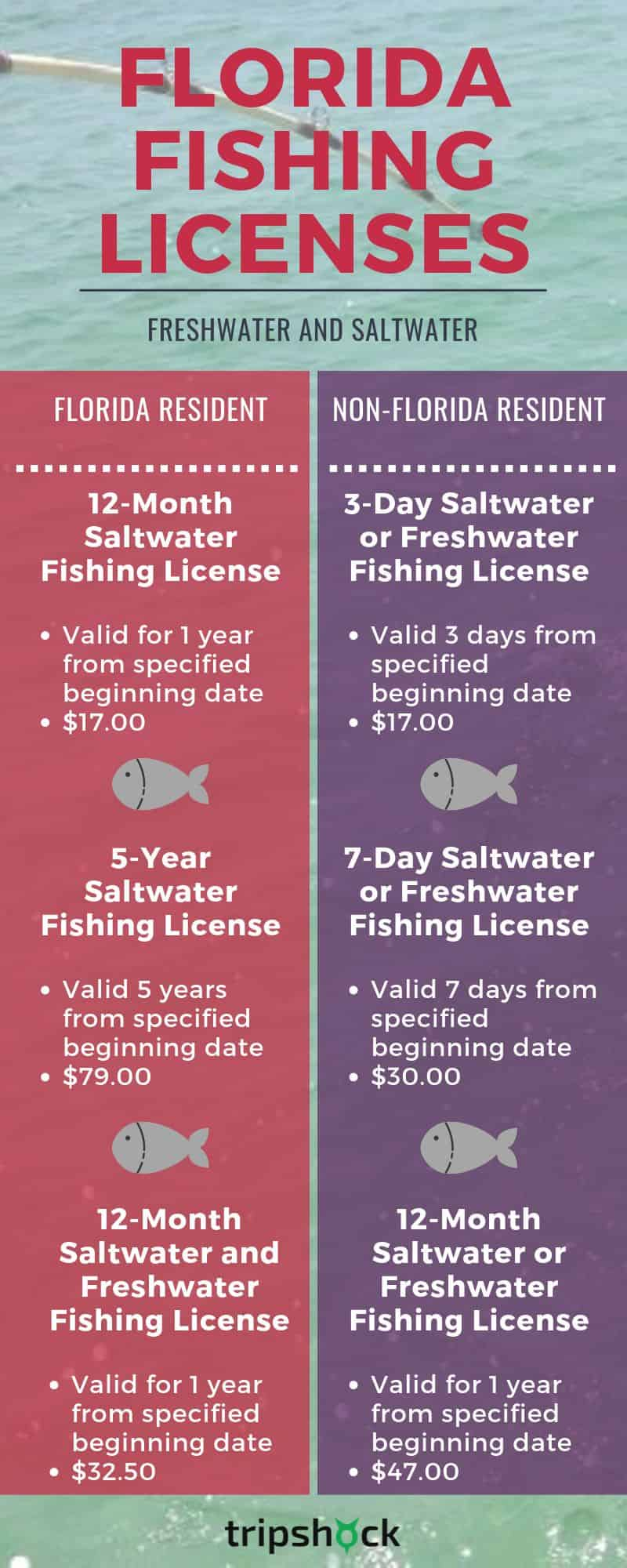
For tourists or infrequent anglers, Florida offers a variety of short-term fishing licenses. These include 1-day, 3-day, 7-day, and 10-day licenses, providing flexibility for those visiting Florida for a limited time. These are particularly useful for vacationers who wish to spend a day or two fishing without committing to an annual license.
Types of Florida Fishing Licenses
Florida offers a comprehensive range of fishing licenses tailored to different needs and types of fishing. Understanding these options will help you select the most appropriate and cost-effective license for your angling endeavors.
Freshwater vs. Saltwater Licenses
The most fundamental distinction in Florida fishing licenses is between freshwater and saltwater.
Freshwater Fishing Licenses
These licenses permit fishing in Florida’s inland waters, including lakes, rivers, streams, and canals. Freshwater species commonly targeted include largemouth bass, bream, crappie, and catfish.
Saltwater Fishing Licenses
Saltwater licenses are required for fishing in the Atlantic Ocean, Gulf of Mexico, and Florida’s tidal rivers and estuaries. This allows anglers to pursue a vast array of popular species such as redfish, snook, tarpon, snapper, grouper, and mackerel.
Resident vs. Non-Resident Licenses
Pricing and availability differ significantly between resident and non-resident licenses.
Resident Licenses
To qualify for a resident fishing license, you must have resided in Florida for at least six consecutive months prior to your application and have a valid Florida driver’s license or ID card. Proof of residency is generally required.
Non-Resident Licenses
Non-residents, including visitors from other states and countries, will need to purchase a non-resident fishing license. These are typically more expensive than their resident counterparts but are essential for legal saltwater and freshwater fishing.
Combined and Special Licenses
Beyond the basic freshwater and saltwater options, Florida provides several combined and specialized licenses.
Saltwater Angler’s Plus and Saltwater Recreational Fishing Licenses
These offer more comprehensive fishing privileges within saltwater environments and may include endorsements for specific species or fishing methods.
Annual Licenses
For frequent anglers who plan to fish multiple times throughout the year, annual licenses offer the most economical option. These are valid for a 12-month period from the date of purchase.
Special Permits and Stamps
Certain species or activities may require additional permits or stamps. For instance, a “snook and redfish permit” is required in addition to a saltwater license if you intend to keep these prized game fish. Tarpon, permit, and bonefish also have specific stamp requirements. These endorsements are crucial for legal possession of these highly regulated species.
Where to Purchase Your Florida Fishing License
Acquiring a Florida fishing license is a straightforward process, with several convenient options available to ensure you can get on the water as quickly as possible.
Online Through the FWC Website
The most efficient method for purchasing a fishing license is through the official Florida Fish and Wildlife Conservation Commission (FWC) website. This platform allows you to browse license options, select the appropriate type, make your payment securely, and receive your license electronically. It’s an ideal solution for planning your trip in advance or for last-minute purchases.
Licensed Vendors
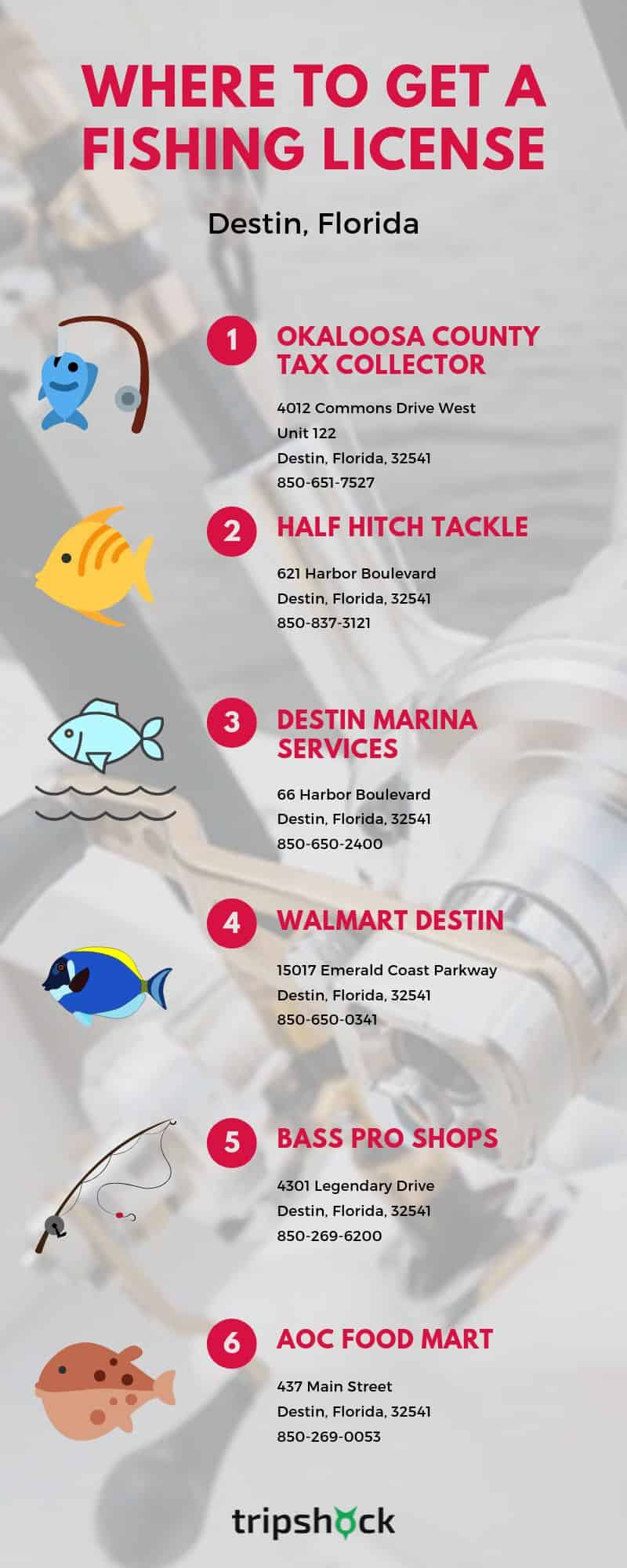
Florida fishing licenses can also be purchased in person from a wide network of authorized vendors. These include:
- Bait and Tackle Shops: Most local bait and tackle shops are licensed to sell fishing licenses, offering a convenient stop before heading to your fishing spot.
- Sporting Goods Stores: Larger retail chains that specialize in outdoor equipment also typically carry fishing licenses.
- County Tax Collector’s Offices: Many county tax collector offices are authorized to issue Florida fishing licenses.
- Some Hotels and Resorts: Certain accommodations, particularly those offering fishing packages or located near popular fishing destinations like the Florida Keys, may also be licensed to sell fishing permits.
By Phone
For those who prefer a more direct approach, Florida fishing licenses can also be purchased over the phone by contacting the FWC directly.
Legal Considerations and Responsible Angling
Obeying fishing regulations is not only a legal requirement but also a critical component of responsible stewardship of Florida’s natural resources. Understanding and adhering to these rules ensures a sustainable future for recreational fishing.
Bag Limits and Size Restrictions
Each species of fish has specific bag limits (the maximum number of fish you can keep) and size restrictions (minimum or maximum lengths for legal possession). These regulations are set by the FWC based on scientific data to protect fish populations from overfishing. Always consult the latest FWC regulations before you fish, as these can change to reflect the current status of fish stocks.
Seasons and Gear Restrictions
Certain species may have closed seasons to protect them during their spawning periods. Additionally, there may be restrictions on the type of fishing gear you can use in specific areas or for particular species. For example, using live mullet as bait might be prohibited in certain waters.
Catch and Release Practices
For species that are protected, out of season, or undersized, practicing catch and release is paramount. Proper catch and release techniques, such as minimizing handling time, keeping the fish in the water, and using barbless hooks, can significantly increase the survival rate of released fish.
Respecting Marine Sanctuaries and Protected Areas
Florida has numerous marine sanctuaries, protected areas, and artificial reefs. Fishing in these zones may be restricted or prohibited entirely. Familiarize yourself with the boundaries and regulations of any protected areas you plan to fish near to avoid violations. For instance, fishing within designated zones of the Dry Tortugas National Park is strictly prohibited.
Frequently Asked Questions About Florida Fishing Licenses
As you plan your fishing trip to the Sunshine State, you may encounter several common questions regarding licensing.
Can I Fish Without a License in Florida?
Generally, no, if you are 16 years or older and fishing in public waters, you must have a valid Florida fishing license. There are specific exceptions, as detailed above, such as fishing from a licensed charter boat.
How Much Does a Florida Fishing License Cost?
The cost varies depending on residency status, license duration, and whether you choose freshwater, saltwater, or a combination. For example, a 7-day non-resident saltwater license is significantly different in price than an annual resident freshwater license. Full pricing details are available on the FWC website.
What Happens If I Get Caught Fishing Without a License?
Fishing without a required license in Florida can result in significant fines, confiscation of fishing gear, and potential legal penalties. It is always best to ensure you have the correct and valid license before you begin fishing.
Do Tourists Need a Florida Fishing License?
Yes, non-residents and tourists visiting Florida who are 16 years of age or older need to obtain a valid Florida fishing license for recreational fishing in public waters. Short-term licenses are an excellent option for visitors.
Where Can I Find the Latest Florida Fishing Regulations?
The official Florida Fish and Wildlife Conservation Commission (FWC) website is the most reliable source for up-to-date fishing regulations, including bag limits, size restrictions, and season dates. It’s recommended to check their site before your trip for the most current information.
Are There Specific Licenses for Fishing the Florida Keys?
When fishing in the Florida Keys, you will need a Florida fishing license. For saltwater fishing, a saltwater license is required. Depending on the species you intend to target and keep, you might also need additional permits, such as the snook and redfish permit. Charter boats operating in the Florida Keys typically have their licenses covered, but it’s always good to confirm this with your charter operator.
Conclusion: Fish Responsibly in the Sunshine State
A fishing license is more than just a piece of paper; it’s your contribution to the preservation of Florida’s incredible aquatic ecosystems. Whether you’re a seasoned angler or a curious novice, understanding and adhering to Florida’s fishing license requirements is paramount. By obtaining the correct license and respecting all regulations, you not only ensure a legal and enjoyable fishing experience but also play an active role in the sustainable management of these precious natural resources for generations to come. So, get your license, choose your favorite Florida fishing spot – perhaps the bustling waters off Miami, the tranquil canals of the Everglades, or the deep offshore trenches near Key West – and cast your line into the adventure that awaits.
LifeOutOfTheBox is a participant in the Amazon Services LLC Associates Program, an affiliate advertising program designed to provide a means for sites to earn advertising fees by advertising and linking to Amazon.com. Amazon, the Amazon logo, AmazonSupply, and the AmazonSupply logo are trademarks of Amazon.com, Inc. or its affiliates. As an Amazon Associate we earn affiliate commissions from qualifying purchases.