
The world of high-end hospitality often sees a blurring of lines between celebrity chefs and the luxury establishments that house their culinary creations. When travelers ask, “Does Gordon Ramsay own a hotel?” the answer is nuanced, involving a blend of historical ownership, complex leasehold agreements, and high-profile strategic partnerships. While the multi-Michelin-starred chef is primarily known for his global restaurant empire, his influence on the hotel industry is profound, shaping the guest experience in some of the most prestigious Hotels across the United Kingdom, the United States, and beyond.
For decades, the name Gordon Ramsay has been synonymous with culinary excellence and rigorous standards. This reputation has made him a coveted partner for luxury developers and resort owners who wish to elevate their properties’ amenities. To understand his role in the hotel sector, one must look past the television persona and examine his actual holdings, his historical ventures into boutique lodging, and the way his brand defines the modern luxury suite experience.

The History of the York & Albany: Ramsay’s Foray into Boutique Lodging
The closest Gordon Ramsay has come to traditional hotel ownership in the United Kingdom was his involvement with the York & Albany. Located in the stylish neighborhood of Camden, near Regent’s Park in London, this property was more than just a restaurant. It was a comprehensive hospitality venture that included a boutique hotel with nine elegantly designed rooms and suites.
Architectural Charm and Guest Amenities
The York & Albany was housed in a stunning Regency-style building designed by the famous architect John Nash. Under Ramsay’s management, the property offered an intimate lodging experience that combined historical architecture with contemporary luxury. The guest rooms were curated with high-end fabrics, period furniture, and modern amenities that catered to travelers seeking an authentic London experience.
The integration of the restaurant and the hotel allowed guests to experience a seamless transition from fine dining to luxury rest. This model of the “restaurant with rooms” is a staple of British hospitality, and for many years, the York & Albany served as the flagship for Ramsay’s direct involvement in the accommodation sector.
Legal Complexities and the Shift in Focus
Despite the success of the York & Albany as a destination, the property became the center of a high-profile legal battle regarding the lease agreement. The complexities of property ownership in the hospitality world often mean that while a brand “operates” a hotel, they do not necessarily own the physical real estate. In recent years, Ramsay’s team has shifted focus away from the direct management of boutique lodging in favor of large-scale partnerships with global resort brands.
Strategic Partnerships: Integrating Fine Dining into Mega-Resorts
While Gordon Ramsay may not currently hold the deeds to a standalone hotel skyscraper, his brand is an anchor for several of the most famous resorts in the world. In these scenarios, the hotel provides the infrastructure—the suites, the pools, and the concierge services—while Ramsay provides the premium dining amenities that define the property’s prestige.
The Las Vegas Powerhouse
In Las Vegas, Nevada, the partnership between Gordon Ramsay and Caesars Entertainment has redefined the resort experience. At Caesars Palace, the presence of the Gordon Ramsay Hell’s Kitchen restaurant acts as a major draw for the hotel’s thousands of guests. Travelers booking a luxury suite at Caesars Palace often do so with the specific intent of experiencing the culinary amenities associated with the Ramsay brand.
The relationship extends to other major properties on the Las Vegas Strip, including Paris Las Vegas, where Gordon Ramsay Steak is located, and Harrah’s Las Vegas, home to Ramsay’s Kitchen. In these instances, Ramsay acts as a vital component of the hotel’s overall lifestyle offering, ensuring that the accommodation is paired with world-class gastronomy.
The Savoy: A London Icon
In London, the relationship between Gordon Ramsay and The Savoy Hotel is one of the most storied in the industry. The Savoy Hotel, situated on the banks of the Thames River, is a landmark of British history. Ramsay has operated The Savoy Grill within the hotel for years, maintaining its status as a must-visit destination for both international tourists and local elites.
The synergy here is clear: the hotel provides the historic luxury rooms and Edwardian architecture, while Ramsay’s team provides the high-pressure, high-reward dining experience that guests expect from a five-star establishment. This partnership demonstrates that a chef doesn’t need to “own” the hotel to be the defining face of its guest experience.
The Global Reach of Ramsay-Branded Accommodations
The expansion of the Ramsay brand into international markets has seen similar patterns of integration within luxury Hotels and resorts. From Europe to the Middle East, his restaurants are frequently the crown jewels of five-star properties.
The Londoner Macao and Asian Expansion
In Macau, China, the development of The Londoner Macao has seen a massive investment in British-themed luxury. Within this resort, Gordon Ramsay has established a significant presence. The Londoner Macao is a massive complex that includes several hotel towers, and the inclusion of a Ramsay-branded pub and grill is central to the property’s identity as a hub of United Kingdom culture in Asia.
Luxury in Dubai and Qatar
Dubai in the United Arab Emirates is another region where the chef’s influence is palpable. At Atlantis The Palm, one of the world’s most Instagrammed Hotels, Bread Street Kitchen & Bar provides a relaxed yet upscale dining option for families staying in the resort’s underwater suites. Similarly, in Doha, Qatar, the The St. Regis Doha has hosted Ramsay’s establishments, further cementing the link between his brand and the St. Regis legacy of luxury.
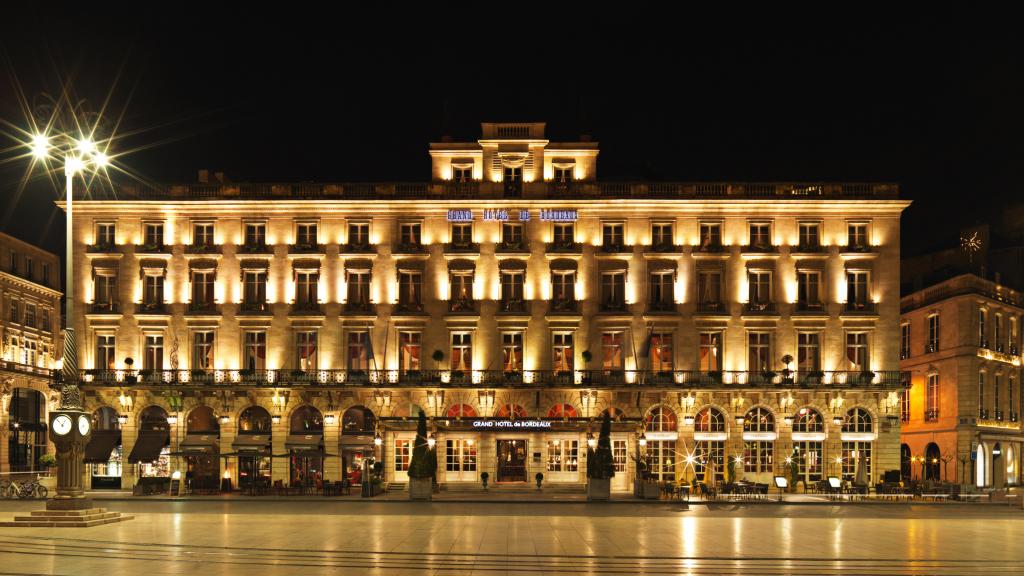
In France, the InterContinental Bordeaux – Le Grand Hôtel in Bordeaux features Le Pressoir d’Argent, a two-Michelin-starred restaurant by Ramsay. Guests staying at this historic hotel in the heart of the wine region are treated to a level of service and culinary sophistication that is rare even in the most established luxury markets.
Defining the Guest Experience: Amenities and Atmosphere
When a hotel features a Gordon Ramsay restaurant, it changes the way guests interact with the property. It is no longer just a place to sleep; it becomes a destination for “foodie” tourism. The amenities offered by these hotels often reflect the chef’s influence.
In-Room Dining and Curated Menus
In some high-level partnerships, the influence of the chef extends to the in-room dining menus. Imagine staying in a suite at The Savoy Hotel or Caesars Palace and having access to a menu curated by the same team that runs a Michelin-starred kitchen. This elevation of the standard “club sandwich” to a gourmet experience is what sets Ramsay-affiliated hotels apart.
The “Hotel Hell” Factor
It is also worth noting Gordon Ramsay’s role as a consultant to the hotel industry through his television work. In shows like Hotel Hell, Ramsay visits struggling Hotels and bed-and-breakfasts across the United States to renovate their interiors, improve their service, and refine their amenities. While he doesn’t own these properties, his fingerprints are on dozens of independent hotels, influencing their décor, guest relations, and operational standards. This has given him a unique perspective on what makes a hotel successful, from the cleanliness of the linens to the efficiency of the front desk.
Future Outlook: A Gordon Ramsay Signature Hotel?
As the Gordon Ramsay brand continues to grow, there is constant speculation in the hospitality industry about whether he will eventually launch a dedicated “Gordon Ramsay Hotel” brand. Following in the footsteps of other luxury lifestyle brands like Nobu Hotels or Bulgari Hotels, there is a clear path for a transition from dining to full-scale lodging.
The Trend of Chef-Led Hotels
The success of Nobu Matsuhisa in creating a global hotel chain proves that there is a significant market for travelers who want a curated lifestyle experience led by a culinary icon. If Gordon Ramsay were to open a signature hotel in a city like London or Las Vegas, it would likely focus on high-tech amenities, ultra-modern suite designs, and, of course, an unparalleled breakfast and dinner service.
Conclusion of Ownership Status
To provide a definitive answer: Gordon Ramsay does not currently own a hotel in the sense of a real estate mogul owning a building. However, his presence in the hotel world is more significant than many owners. Through his tenure at the York & Albany, his long-standing residency at The Savoy Hotel, and his massive footprints in Las Vegas, Dubai, and Macau, he is a pillar of the luxury hospitality industry.
For the modern traveler, staying at a hotel that houses a Gordon Ramsay restaurant offers a specific type of assurance—a guarantee that the culinary amenities, service standards, and overall atmosphere will meet the exacting requirements of one of the world’s most famous chefs. Whether or not his name is on the deed of the building, his brand is firmly embedded in the floorboards of the world’s most luxurious accommodations.
LifeOutOfTheBox is a participant in the Amazon Services LLC Associates Program, an affiliate advertising program designed to provide a means for sites to earn advertising fees by advertising and linking to Amazon.com. Amazon, the Amazon logo, AmazonSupply, and the AmazonSupply logo are trademarks of Amazon.com, Inc. or its affiliates. As an Amazon Associate we earn affiliate commissions from qualifying purchases.