
The allure of Hawaii is undeniable. Its lush volcanic landscapes, pristine beaches, vibrant culture, and warm aloha spirit have captivated travelers for generations. When planning a vacation, especially one focused on relaxation and ease, the concept of an all-inclusive resort often comes to mind. These resorts promise a hassle-free experience where accommodation, meals, drinks, and activities are bundled into a single price, allowing guests to truly unwind without constant financial considerations. So, the burning question for many planning a trip to the Aloha State is: Does Hawaii have all-inclusive resorts?
The answer, while not a simple yes or no, leans towards a nuanced understanding. Unlike destinations such as Mexico or the Caribbean, where all-inclusive resorts are a dominant fixture in the tourism landscape, Hawaii operates with a different model. Traditional, comprehensive all-inclusive resorts, where everything from gourmet dining to premium beverages and nightly entertainment is included upfront, are exceptionally rare in Hawaii. However, this doesn’t mean travelers seeking a more inclusive and convenient Hawaiian vacation are out of luck.
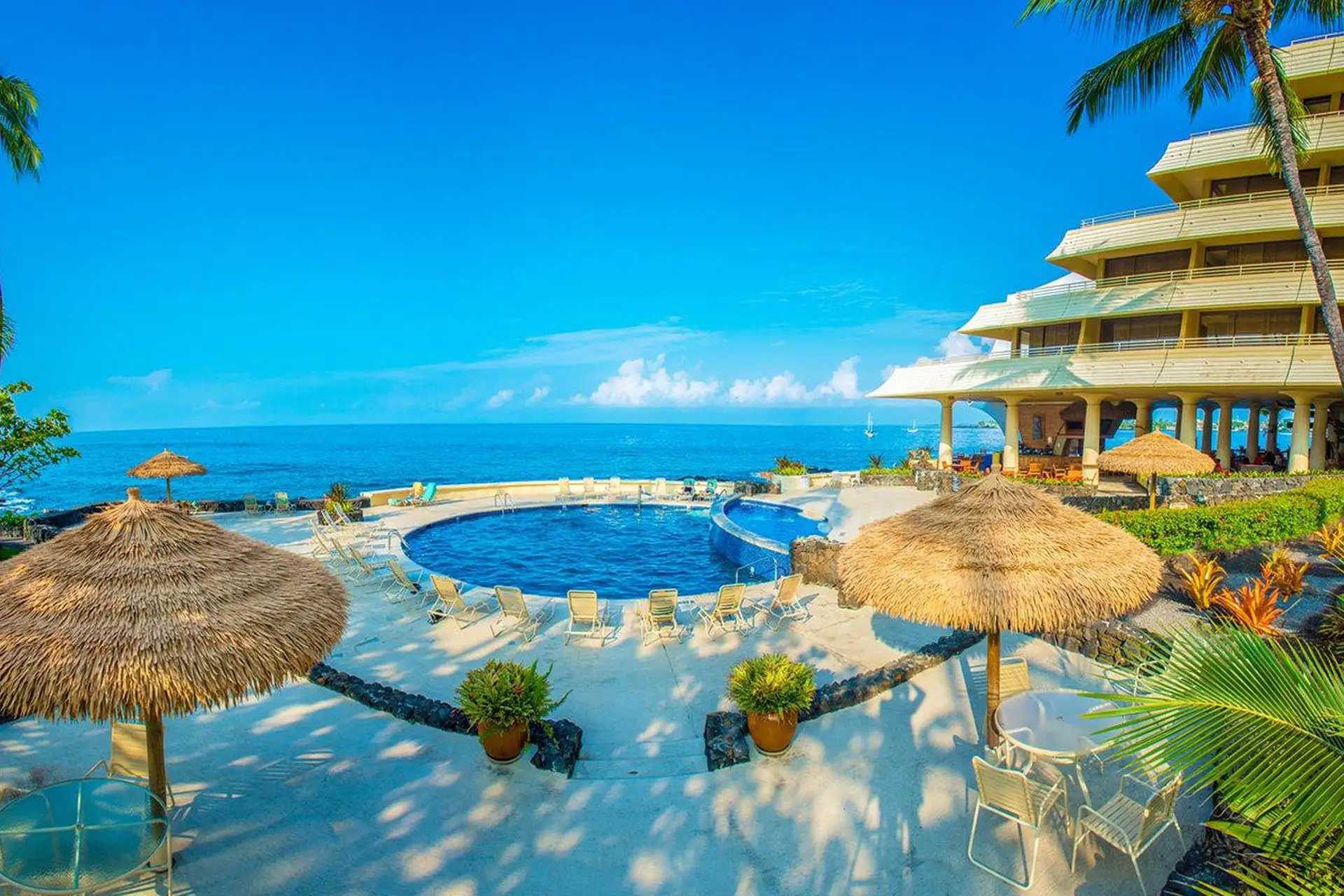
Understanding the Hawaiian Hospitality Model
Hawaii’s tourism industry is deeply rooted in its unique culture and the emphasis on experiencing the islands authentically. This often translates into a preference for a more independent travel style, encouraging exploration of local restaurants, participation in a wide array of island activities, and a genuine immersion into the local way of life. The hotel and resort experience in Hawaii typically focuses on providing luxurious accommodations, breathtaking views, and exceptional service, with guests then having the freedom to curate their own dining and activity experiences.
The island’s geography also plays a role. With so many distinct islands, each offering its own charm and attractions, many visitors prefer to island-hop and explore different facets of Hawaii. This approach naturally lends itself to a less bundled vacation experience, allowing for flexibility and the discovery of hidden gems.
Why Traditional All-Inclusive Resorts Are Scarce
Several factors contribute to the scarcity of traditional all-inclusive resorts in Hawaii:
- High Land and Operating Costs: Hawaii is an archipelago situated in the middle of the Pacific Ocean. The cost of land, importing goods, and maintaining operations are significantly higher than in many other popular tourist destinations. This makes it challenging to offer the extensive inclusions typically found in all-inclusive packages at a competitive price point.
- Emphasis on Local Experiences: The Hawaiian tourism industry actively promotes the exploration of local culture, cuisine, and natural beauty. Many resorts encourage guests to venture out and support local businesses, from farmers’ markets to independent restaurants and tour operators. A fully inclusive model, which keeps guests largely within the resort’s confines, might run counter to this philosophy.
- Diverse Tourist Preferences: While some travelers seek the complete package of an all-inclusive resort, a significant portion of visitors to Hawaii are looking for a more customizable vacation. They want the freedom to choose their dining experiences, select from a vast array of activities, and tailor their itinerary to their specific interests.
- Existing Luxury Hotel Market: Hawaii boasts a highly developed market for luxury hotels and resorts that excel in providing world-class amenities, stunning settings, and impeccable service. These establishments often operate on a European plan (room only) or offer various dining and activity packages that can be added à la carte, catering to a clientele that appreciates choice and personalization.
What Does Exist: “Almost All-Inclusive” Options and Inclusive Packages
While true, comprehensive all-inclusive resorts are a rarity, this does not mean that you cannot find vacation options in Hawaii that offer a greater degree of inclusion and convenience. Many resorts provide packages that bundle elements such as accommodation, meals, and select activities, offering a taste of the all-inclusive experience without the traditional upfront commitment.
Understanding “Resort Packages” and Their Inclusions

Many hotels and resorts across the Hawaiian islands offer various packages that can significantly enhance the value and convenience of your stay. These are often not branded as “all-inclusive” but can feel very similar.
- Meal Plans: Some resorts offer optional meal plans that allow you to prepay for breakfast, lunch, and dinner at their on-site restaurants. This can be a great way to budget for your food expenses and enjoy the convenience of dining at your hotel. For example, a resort on Maui might offer a package that includes daily breakfast and dinner at its signature restaurant.
- Activity Bundles: Certain properties may include a selection of activities or offer discounts on popular excursions. This could range from complimentary access to non-motorized water sports equipment at a beachfront resort on Oahu to bundled surf lessons or a sunset cruise.
- Resort Credits: Many luxury resorts offer packages that include a resort credit, which can be used towards dining, spa treatments, or activities. This provides flexibility, allowing you to choose how you want to enhance your stay. The Grand Hyatt Kauai Resort & Spa on Kauai is known for offering various packages that can include credits for amenities.
- Honeymoon and Romance Packages: These often include extras such as champagne, romantic dinners, spa services, and late check-out, adding a touch of luxury and convenience for couples.
- Family Packages: Some resorts tailor packages for families, which might include kids’ club access, complimentary meals for children, or special family-friendly activities.
These “almost all-inclusive” options allow you to enjoy a more predictable budget for your trip while still having the flexibility to explore beyond the resort when you wish. It’s always advisable to check the specific inclusions and restrictions of any package offered by a Hawaiian resort to ensure it aligns with your vacation expectations.
Finding Your “Inclusive” Hawaiian Experience
When researching accommodations in Hawaii, keep an open mind regarding terminology. Instead of searching solely for “all-inclusive resorts,” broaden your search to include:
Exploring Hotels with Inclusive Packages
Look for hotels and resorts that explicitly mention “packages” or “bundles” in their offerings. Websites and booking platforms often categorize these under “deals,” “specials,” or “packages.”
- Resorts on Different Islands: Different islands might offer slightly different approaches. For instance, resorts on the island of Kauai, known for its dramatic cliffs and lush rainforests, might focus on nature-based activity bundles, while resorts on Oahu might offer packages that include cultural experiences or proximity to historical sites like Pearl Harbor.
- Luxury Hotels: High-end hotels often provide comprehensive services that can feel very inclusive. Even if not explicitly stated as “all-inclusive,” their rates may cover premium amenities, high-quality dining options, and dedicated concierge services that can arrange any activity you desire. Examples include the Four Seasons Resort Maui at Wailea or the The Ritz-Carlton, Kapalua, which frequently offer packages with added value.
- Boutique Hotels: Smaller, boutique hotels might offer more personalized packages that cater to specific interests, such as wellness retreats or culinary tours, which can provide a sense of curated inclusion.
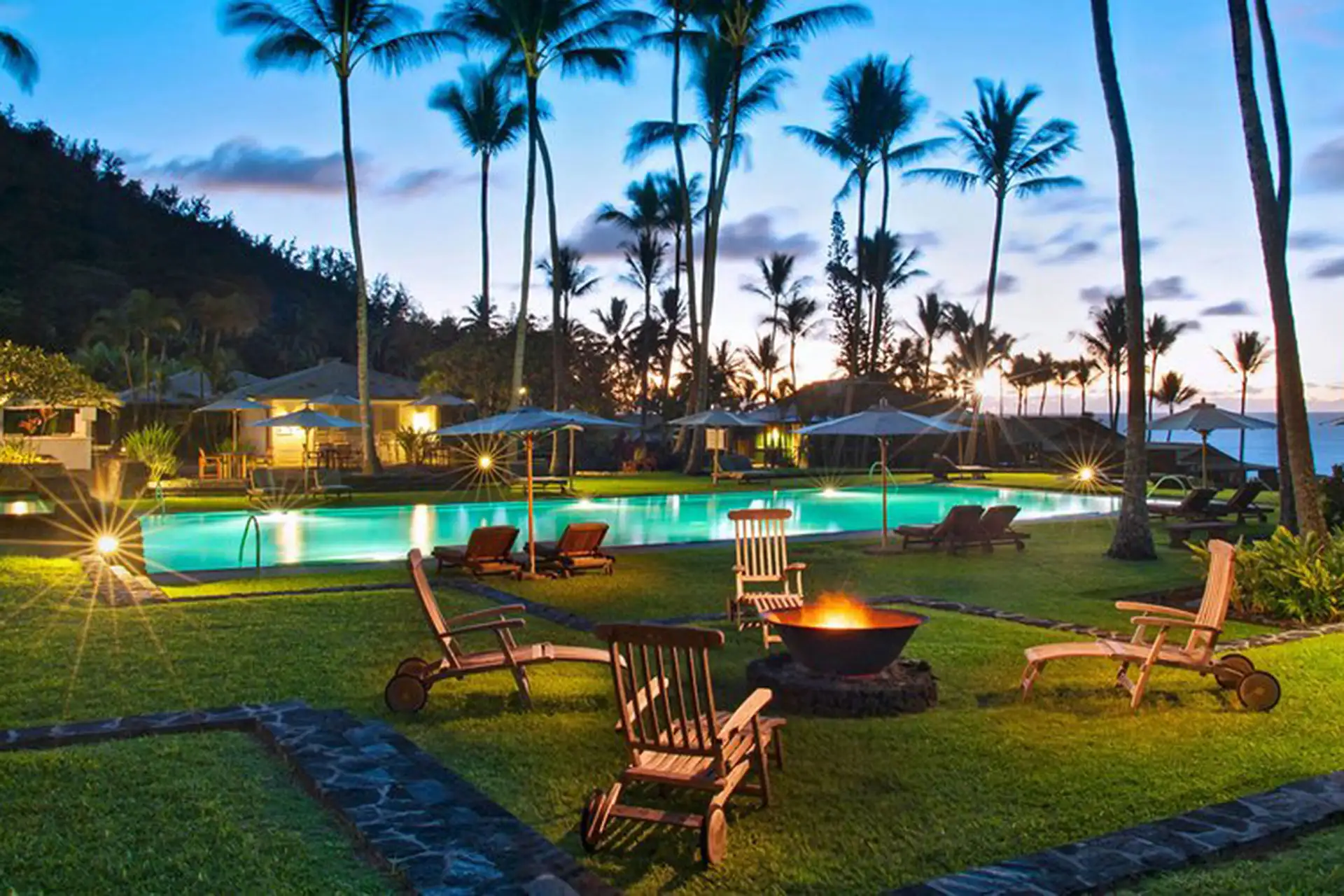
Considerations for Booking
When you find a resort that seems to offer an inclusive package:
- Read the Fine Print: Carefully review what is and isn’t included. Are alcoholic beverages covered? Are there limits on dining times or restaurant choices? Are certain activities extra?
- Compare Costs: Even if a package seems comprehensive, compare the total cost against booking accommodation, meals, and activities separately. Sometimes, à la carte can be more cost-effective depending on your spending habits.
- Consider Your Travel Style: If your primary goal is to explore the diverse culinary scene of Hawaii and engage in numerous off-resort excursions, a more traditional room-only booking might offer greater freedom and value. If you prefer convenience and a predictable budget for your on-site experiences, then an inclusive package is likely a better fit.
In conclusion, while the term “all-inclusive resort” in its strictest sense is not a common feature of the Hawaiian hotel landscape, travelers can absolutely find ways to achieve a similar level of convenience and value. By exploring the various packages offered by Hawaiian hotels and resorts, understanding their inclusions, and aligning them with your personal travel style, you can undoubtedly craft a wonderfully inclusive and unforgettable vacation in the beautiful islands of Hawaii.
LifeOutOfTheBox is a participant in the Amazon Services LLC Associates Program, an affiliate advertising program designed to provide a means for sites to earn advertising fees by advertising and linking to Amazon.com. Amazon, the Amazon logo, AmazonSupply, and the AmazonSupply logo are trademarks of Amazon.com, Inc. or its affiliates. As an Amazon Associate we earn affiliate commissions from qualifying purchases.