
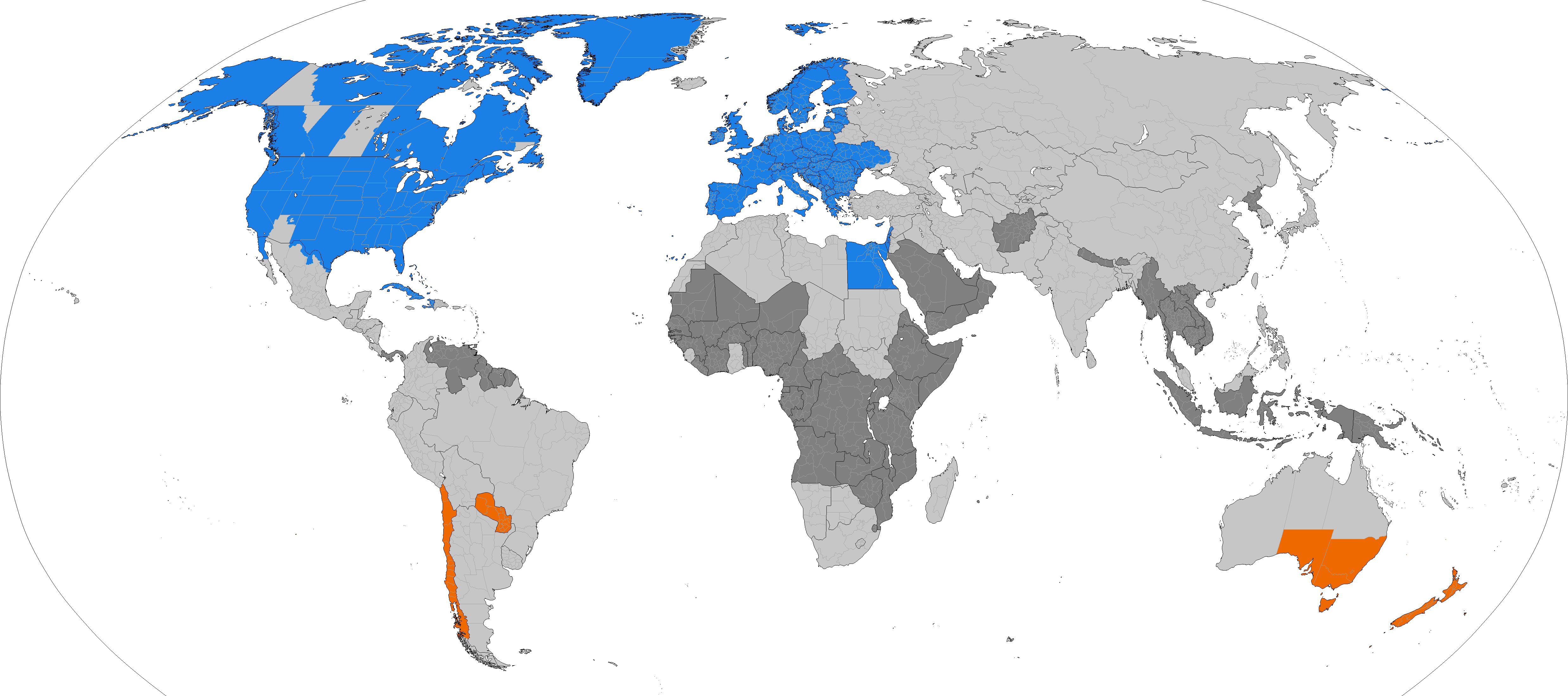
For travelers planning a visit to the idyllic islands of Hawaii, one common question that arises when coordinating flights, activities, and communication with the mainland is about Daylight Saving Time (DST). The answer is straightforward and, for many, a welcome simplicity: Hawaii does not observe Daylight Saving Time. This means that while much of the continental U.S. “springs forward” or “falls back,” the time in the Aloha State remains constant year-round. Understanding this unique time zone status is crucial for a seamless and stress-free Hawaiian vacation, allowing tourists to fully immerse themselves in the local rhythm without the confusion of shifting clocks.
Hawaii’s Unique Time Zone Status
Hawaii’s decision to forgo Daylight Saving Time is rooted in both geographical practicality and historical context, establishing a consistent temporal landscape that benefits both residents and visitors alike.
The Aloha State and Standard Time
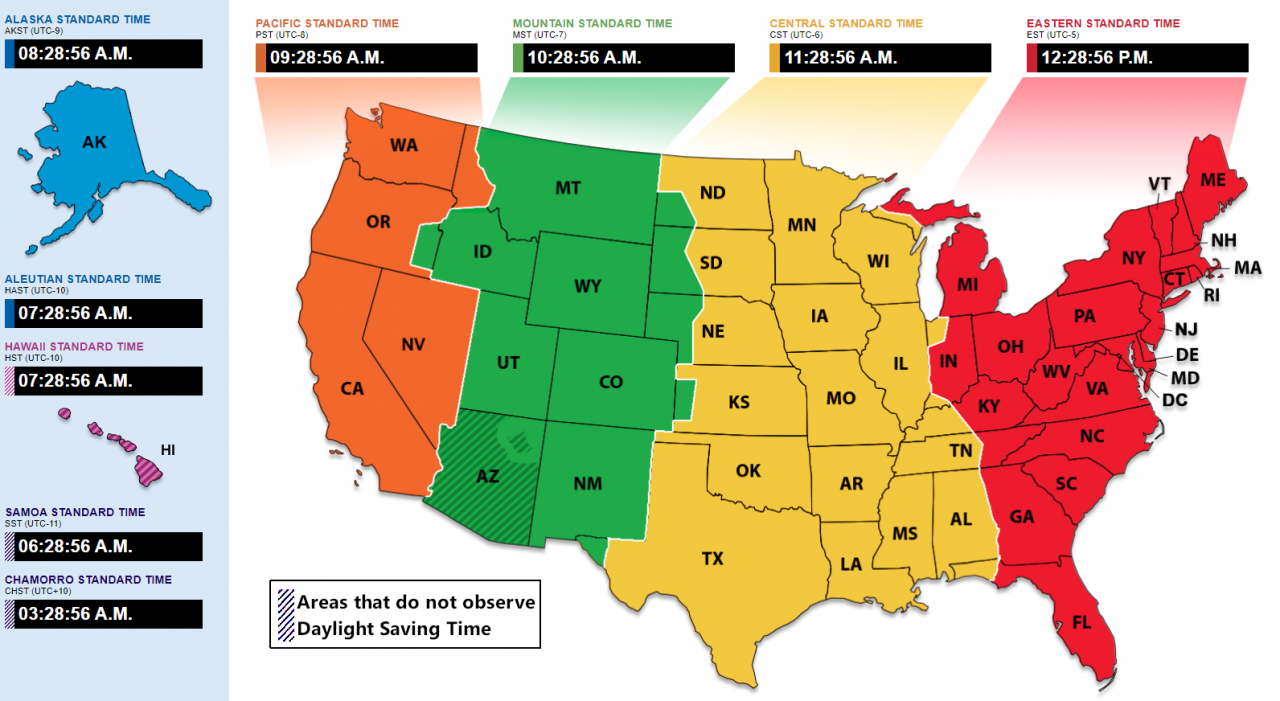
The entire state of Hawaii operates on Hawaii Standard Time (HST), which is UTC-10. This time zone remains fixed throughout the year, untouched by the biannual clock changes that affect many other regions. The practical reason behind this lies in Hawaii’s proximity to the equator. Regions closer to the equator experience minimal variation in daylight hours between summer and winter. The sun rises and sets at roughly the same time throughout the year, rendering the traditional purpose of [Daylight Saving Time](https://lifeoutofthebox.com/daylight-saving-time]—to maximize evening daylight during summer—largely irrelevant.
For instance, in Honolulu, the longest day of the year (around June 21st) sees approximately 13 hours and 23 minutes of daylight, while the shortest day (around December 21st) still offers about 10 hours and 50 minutes. This relatively small variance means there’s no significant benefit to shifting clocks, and doing so would primarily serve to disrupt established routines and create unnecessary confusion. The consistent timing also contributes to a more predictable schedule for tourism-related activities, from surfing lessons in Waikiki to stargazing tours on Maui‘s Haleakala.
A Historical Perspective
The modern practice of Daylight Saving Time in the U.S. was largely standardized by the Uniform Time Act of 1966. This federal law established the system of standard time zones and the observance of Daylight Saving Time, but it also included provisions allowing states to opt out. Hawaii, along with most of Arizona (with the notable exception of the Navajo Nation), chose to exercise this option.
When Hawaii became a state in 1959, it initially observed DST but quickly realized its impracticality due to the reasons mentioned above. In 1967, it officially opted out following the passage of the Uniform Time Act. This historical decision cemented Hawaii’s status as a year-round Hawaii Standard Time zone, providing a stable temporal environment that has since become a hallmark of the islands’ appeal. This consistency aligns with the relaxed “Aloha Spirit,” minimizing unnecessary adjustments and allowing life to flow more naturally with the sun’s rhythm.
Practical Implications for Tourists
While the absence of Daylight Saving Time simplifies things locally, it introduces dynamic time differences with other parts of the world, especially the continental U.S.. For tourists, understanding these shifts is key to a smooth journey.
Navigating Time Differences
The most significant implication for visitors arriving from mainland U.S. is the variable time difference. Because most of the U.S. observes DST, the time gap with Hawaii changes twice a year.
-
During Standard Time (Winter Months): When the rest of the U.S. is on standard time (roughly November to March), the differences are:
- Pacific Standard Time (PST): 2 hours behind Hawaii
- Mountain Standard Time (MST): 3 hours behind Hawaii
- Central Standard Time (CST): 4 hours behind Hawaii
- Eastern Standard Time (EST): 5 hours behind Hawaii
-
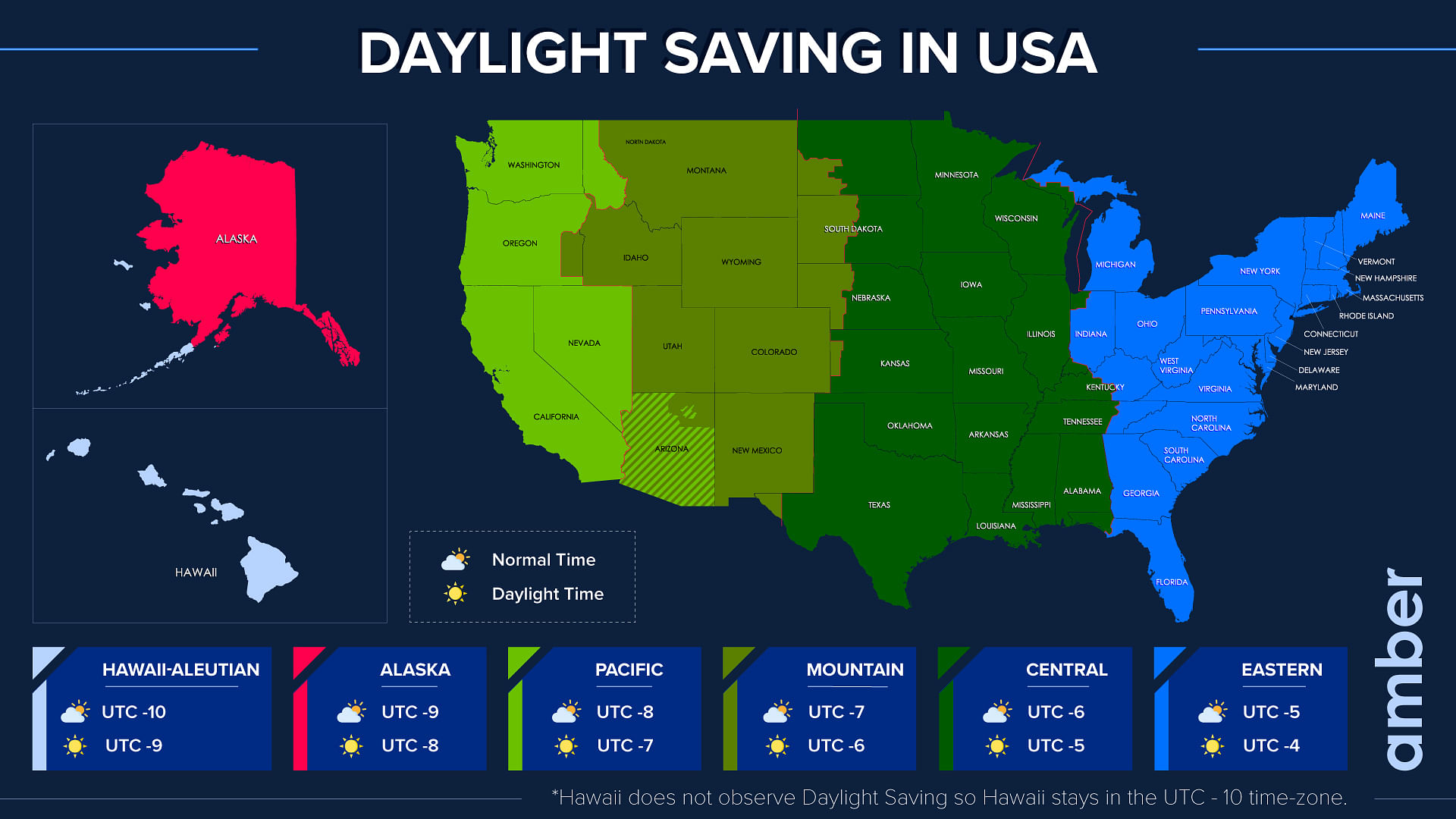
During Daylight Saving Time (Summer Months): When the rest of the U.S. is on DST (roughly March to November), the differences widen:
- Pacific Daylight Time (PDT): 3 hours behind Hawaii
- Mountain Daylight Time (MDT): 4 hours behind Hawaii
- Central Daylight Time (CDT): 5 hours behind Hawaii
- Eastern Daylight Time (EDT): 6 hours behind Hawaii
For example, if it’s 10:00 AM on Maui during summer, it’s 1:00 PM in Los Angeles (PDT) and 4:00 PM in New York City (EDT). This fluctuation is a crucial detail for making phone calls back home, scheduling remote work, or understanding the timing of live events.
Planning Activities and Bookings
When making reservations for tours, dining experiences, or inter-island flights, always confirm the times in Hawaii Standard Time (HST). Many booking systems will automatically convert to your local time, which can be helpful, but it’s always best to double-check against the local HST to avoid confusion. For instance, a catamaran sunset cruise advertised for 5:00 PM will consistently depart at 5:00 PM HST, regardless of what time it is on the mainland. Miscalculating the time difference could lead to missed excursions or appointments, impacting your carefully planned itinerary on Oahu, Kauai, or the Big Island.
Furthermore, arrival times for flights from the mainland can sometimes feel disorienting. A flight departing Los Angeles at noon PDT and lasting 5.5 hours would arrive in Honolulu at 2:30 PM HST – a seemingly short travel time due to “gaining” three hours. This can affect how you feel upon arrival and your immediate plans.
Beating Jet Lag
Jet lag is an inevitable part of traveling across multiple time zones, and the significant time difference with Hawaii can be a challenge. Since you’ll generally be “gaining” time traveling westward, your body will want to stay awake longer than the local time.
- Adjust Before You Go: A few days before your trip, try to shift your sleep schedule closer to Hawaii time by going to bed and waking up later.
- Hydrate and Stay Active: Drink plenty of water on your flight and try to move around.
- Embrace the Daylight: Upon arrival, expose yourself to natural light, especially in the mornings, to help reset your circadian rhythm.
- Stick to Local Time: As much as possible, eat meals and go to sleep according to Hawaii local time from day one. Resist the urge to nap excessively, but allow for short, strategic naps if absolutely necessary.
- Limit Caffeine and Alcohol: These can disrupt sleep patterns and exacerbate jet lag symptoms.
The consistent Hawaii Standard Time means that once you’ve adjusted, you won’t have to worry about another time change during your stay, allowing for a more stable daily routine.
Why No Daylight Saving Time Benefits Hawaii
Hawaii’s exception from Daylight Saving Time is not merely a quirk; it’s a decision that harmonizes with its natural environment and enhances the daily lives of its inhabitants and visitors.
Natural Light and Consistency
As mentioned, Hawaii’s equatorial latitude means that the length of daylight hours does not fluctuate dramatically throughout the year. The primary rationale for Daylight Saving Time in other regions is to extend daylight into the evening during summer months, conserving energy and promoting outdoor activities. In Hawaii, this extension isn’t needed. The sun consistently rises relatively early and sets at a reasonable hour, providing ample natural light without the need for artificial adjustments.
This consistency allows for a stable daily rhythm. Farmers, fishermen, and outdoor recreation businesses operate on a predictable schedule dictated by the sun, not by an arbitrary clock change. For tourists, this means that the beautiful sunsets over the Pacific Ocean always occur around the same local time, regardless of the season, making planning for these iconic experiences effortless.
Simplicity for Residents and Visitors
The absence of Daylight Saving Time greatly simplifies life for everyone in Hawaii. Residents don’t have to deal with the biannual disruption to sleep patterns, school schedules, or work routines. This contributes to a sense of calm and stability, which is often cited as part of the unique Hawaiian lifestyle.
For visitors, this simplicity is a hidden blessing. Once you’ve adjusted to Hawaii Standard Time, there’s no need to constantly re-evaluate time differences or worry about your devices incorrectly “springing forward” or “falling back” mid-trip. This allows for greater mental clarity and a more relaxed experience, as you can fully trust the local time displayed on any clock or device. This singular, consistent time zone across all the islands—from Oahu to Kauai to the Big Island—also eliminates any internal state time zone complications.
Understanding Time Zones from a Traveler’s Perspective
Being prepared for time zone changes is an essential aspect of responsible travel planning. Even without Daylight Saving Time, the transition to Hawaii’s fixed time zone requires a bit of foresight.
Checking Your Devices
Most modern smartphones and electronic devices are equipped with automatic time zone detection. When you land in Honolulu or any other Hawaiian airport, your phone should automatically adjust to Hawaii Standard Time. However, it’s always prudent to double-check this setting before you depart and upon arrival. Ensure your device’s “set automatically” or “network-provided time” option is enabled. If you prefer to manually set your time, be sure to select Honolulu or a similar HST option. Some older devices or specific travel gadgets might require manual adjustment, so familiarize yourself with their settings beforehand.
While your phone typically updates, don’t rely solely on it for critical timings. Always verify important flight times, tour start times, and reservation details against confirmed local times, especially if you’re coordinating with someone who might be on mainland U.S. time.
Essential Pre-Trip Checks
Beyond setting your devices, integrate time zone awareness into your overall pre-trip checklist:
- Confirm Flight Times: Reconfirm your flight departure and arrival times with the airline, noting both your home time zone and Hawaii Standard Time. Pay particular attention to red-eye flights or those with tight connections.
- Review Itinerary: Double-check all booked activities, restaurant reservations, and transportation schedules to ensure you’ve accounted for the time difference. Many confirmation emails will state the local time zone, which is very helpful.
- Inform Contacts: If you have family, friends, or colleagues who might need to reach you, clearly communicate the time difference and how it shifts when the mainland observes Daylight Saving Time.
- Download a World Clock App: A reliable world clock app on your smartphone can quickly show you the current time in various cities, making it easy to calculate time differences on the fly.
By proactively addressing these potential time-related issues, you can minimize stress and ensure that your focus remains on enjoying the breathtaking beauty and vibrant culture of Hawaii.
In conclusion, Hawaii stands as an oasis of temporal consistency, gracefully bypassing the biannual ritual of Daylight Saving Time. This unique status, rooted in its equatorial geography and historical choices, contributes significantly to the islands’ laid-back charm. For tourists, it simplifies local planning once the initial time adjustment is made, allowing for uninterrupted enjoyment of Hawaii’s natural wonders and cultural experiences. With a little awareness of the fluctuating time differences with the mainland U.S., visitors can fully embrace the consistent rhythm of Hawaii Standard Time and savor every moment of their unforgettable journey.
LifeOutOfTheBox is a participant in the Amazon Services LLC Associates Program, an affiliate advertising program designed to provide a means for sites to earn advertising fees by advertising and linking to Amazon.com. Amazon, the Amazon logo, AmazonSupply, and the AmazonSupply logo are trademarks of Amazon.com, Inc. or its affiliates. As an Amazon Associate we earn affiliate commissions from qualifying purchases.