
For travelers embarking on an unforgettable journey to the idyllic shores of Hawaii, a crucial question often arises amidst the excitement of planning: “Does Hawaii observe Daylight Saving Time?” Understanding the answer to this seemingly simple query is more than just a matter of trivia; it’s a vital piece of information that can significantly impact your travel planning, from coordinating flight schedules and booking tours to managing jet lag and maximizing your precious vacation moments.
Hawaii, renowned globally for its breathtaking natural beauty, vibrant local culture, and unparalleled hospitality, stands unique in many respects – and its stance on Daylight Saving Time is certainly one of them. While much of the United States “springs forward” and “falls back” annually, the Hawaiian Islands remain a steadfast exception. This article delves into the specifics of Hawaii’s time zone, the historical and geographical reasons behind its choice, and most importantly, how this impacts your experience as you explore this tropical paradise.
The Straight Answer: No Daylight Saving Time in Paradise
Let’s get straight to the point: No, Hawaii does not observe Daylight Saving Time. This means that throughout the year, the clocks in Hawaii remain consistent, never changing to accommodate longer daylight hours in the summer or shorter ones in the winter. This fixed time schedule provides a sense of stability, which many residents and frequent visitors appreciate. For those accustomed to the biannual clock adjustments, this can be a welcome simplification, but it also necessitates a clear understanding of time differences, especially when communicating with the mainland United States or other international destinations.
Understanding Hawaii’s Unique Time Zone: HST
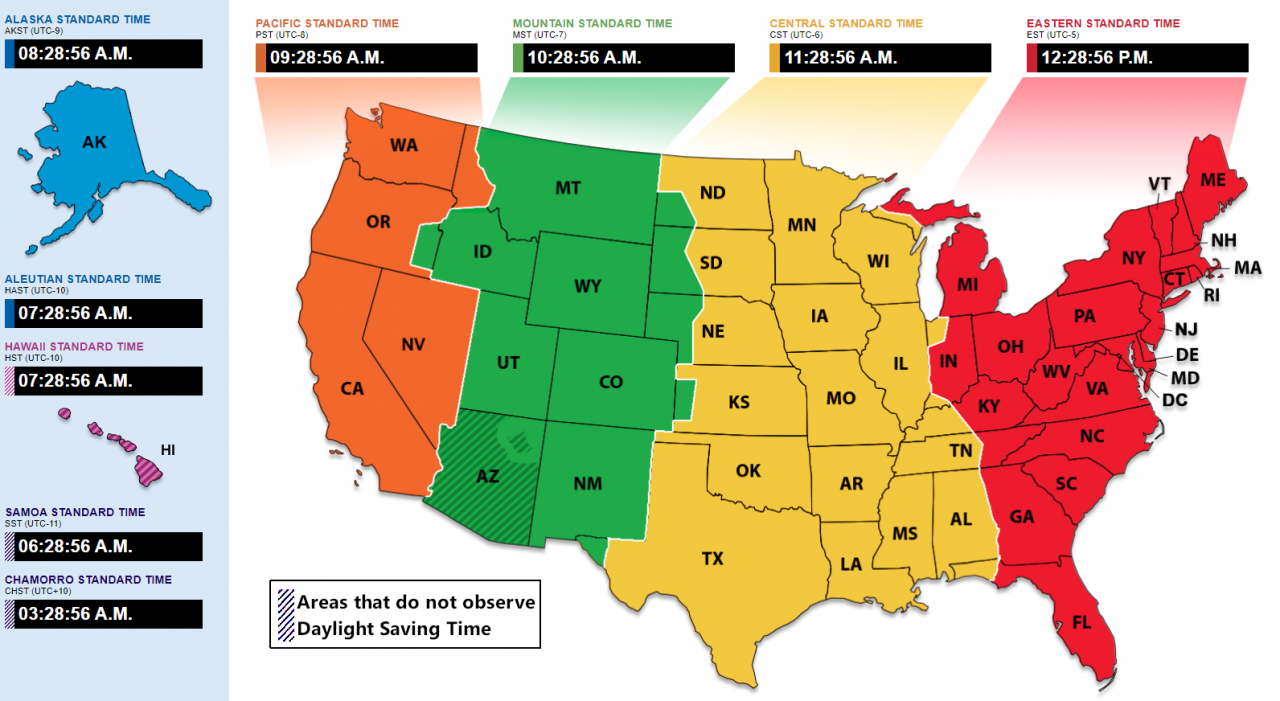
Hawaii operates on Hawaii-Aleutian Standard Time (HST), which is Greenwich Mean Time minus ten hours (GMT-10). This time zone is consistent year-round. To put this into perspective for travelers from the mainland United States, the time difference with Hawaii varies depending on whether other regions are observing Daylight Saving Time or not.
During the standard time period (roughly November to March), when most of the United States is not observing DST:
- Hawaii is two hours behind Pacific Standard Time (PST).
- Hawaii is three hours behind Mountain Standard Time (MST).
- Hawaii is four hours behind Central Standard Time (CST).
- Hawaii is five hours behind Eastern Standard Time (EST).
However, during the Daylight Saving Time period (roughly March to November), when most of the United States is observing DST:
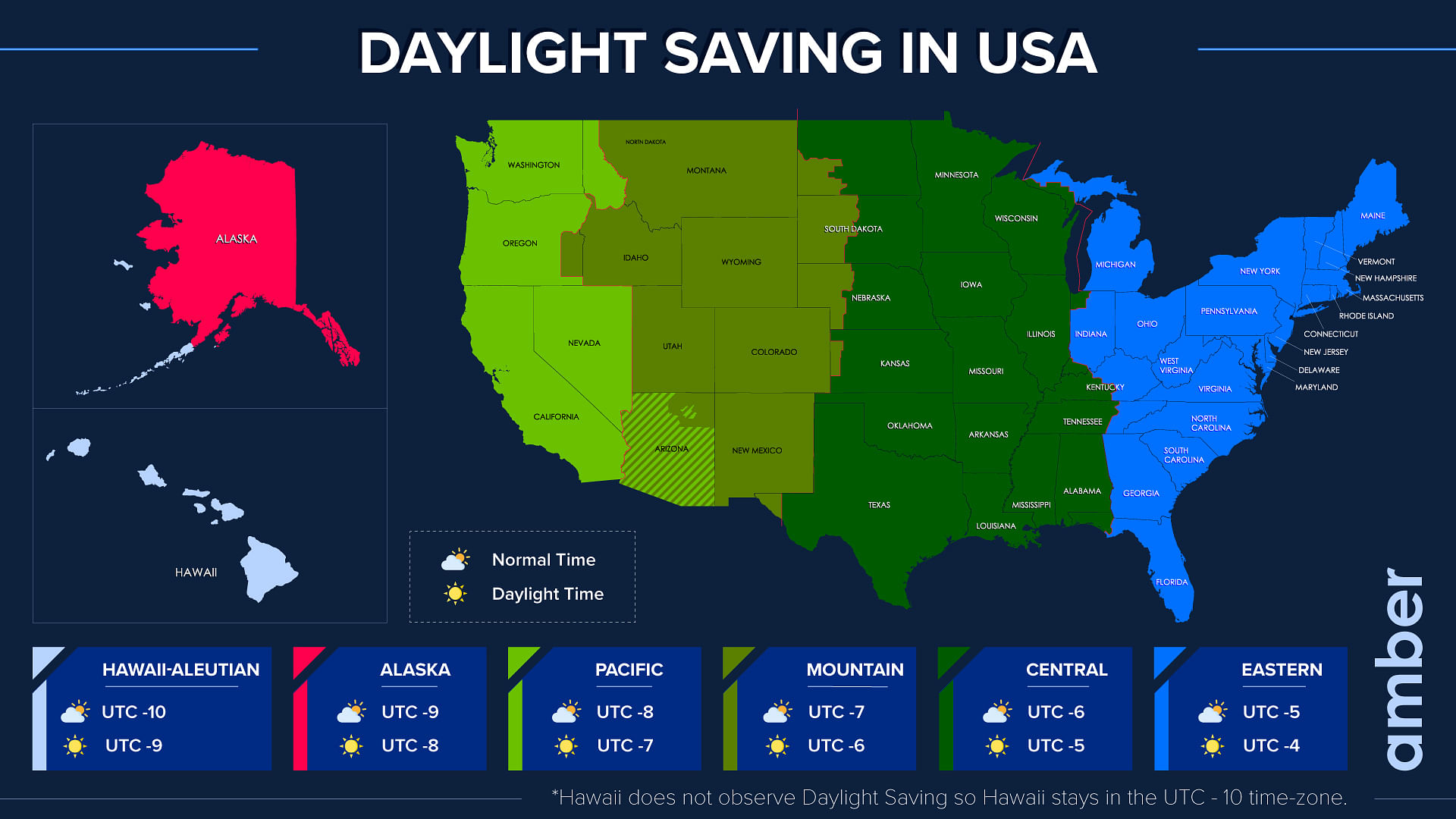
- Hawaii is three hours behind Pacific Daylight Time (PDT).
- Hawaii is four hours behind Mountain Daylight Time (MDT).
- Hawaii is five hours behind Central Daylight Time (CDT).
- Hawaii is six hours behind Eastern Daylight Time (EDT).
This consistent time zone makes planning a little easier for residents but requires extra attention for visitors to avoid confusion, especially when scheduling calls or coordinating with friends and family back home.
Why Hawaii Opts Out of DST
The primary reason Hawaii does not observe Daylight Saving Time is its geographical location. Situated close to the equator, the Hawaiian Islands experience very little seasonal variation in daylight hours. Unlike regions at higher latitudes that see dramatic shifts in daylight length between summer and winter, Hawaii’s sunrise and sunset times remain relatively consistent throughout the year. On average, the sun rises between 6:00 AM and 7:15 AM and sets between 6:00 PM and 7:30 PM, regardless of the season.
The traditional rationale behind Daylight Saving Time is to make better use of natural daylight, reduce energy consumption, and boost economic activity by shifting an hour of daylight from the morning to the evening during warmer months. However, with Hawaii’s stable daylight pattern, there is no practical benefit to be gained from such an adjustment. Implementing DST would merely shift the clock without offering any meaningful advantage in terms of energy savings or extended evening daylight.
Historically, the Uniform Time Act of 1966 standardized Daylight Saving Time across the United States, but it included provisions allowing states to opt out. Hawaii, along with Arizona (with the exception of the Navajo Nation), chose to exercise this option. Several US territories, including Puerto Rico, the US Virgin Islands, American Samoa, Guam, and the Northern Mariana Islands, also do not observe DST, largely for similar reasons related to their equatorial proximity.
Navigating Time Differences: What Travelers Need to Know
While the absence of Daylight Saving Time simplifies life for Hawaii residents, it presents a unique challenge for visitors arriving from mainland United States or other countries that observe DST. Understanding and preparing for this time difference is crucial for a smooth and enjoyable Hawaiian escape.
The Impact on Your Hawaii Travel Plans
The time difference can feel significant, especially for those traveling from the East Coast. A six-hour difference during DST means that if it’s noon in New York, it’s only 6:00 AM in Honolulu. This can affect several aspects of your trip:
- Flight Schedules: When booking flights, always confirm the local arrival and departure times. While airlines typically adjust for time zones, being aware of the actual clock change can help manage expectations.
- Check-in/Check-out Times: Hotels and accommodation providers operate on local HST. Plan your arrival and departure around these times, keeping in mind your body clock might be significantly ahead.
- Tour and Activity Bookings: Whether it’s a sunrise hike up Haleakala National Park, a Pearl Harbor tour, or a luau reservation, all scheduled activities will adhere to Hawaii time. Double-check your confirmation details and set alarms accordingly.
- Business and Communication: If you need to conduct business or keep in touch with family and friends on the mainland, be acutely aware of the time difference. Scheduling calls or virtual meetings requires careful coordination to avoid inconvenient times for either party.
- Dining and Shopping: Restaurants and shops will follow local hours. While you might feel hungry at 3 PM due to your body clock, many lunch spots may have closed. Similarly, evening dining might start earlier or later than you’re used to.
Beating the Clock: Tips for Managing Jet Lag
The considerable time difference between Hawaii and other regions, particularly during DST, can lead to significant jet lag. Adjusting your internal body clock is essential for enjoying your vacation to the fullest.
Here are some tips to help mitigate jet lag:
- Adjust Before You Go: A few days before your trip, try to gradually shift your sleep schedule closer to Hawaii time. Go to bed a little later and wake up a little later (if traveling west) or earlier (if traveling east).
- Hydrate, Hydrate, Hydrate: Drink plenty of water before, during, and after your flight. Dehydration can exacerbate jet lag symptoms.
- Embrace the Daylight: Upon arrival, expose yourself to natural light as much as possible, especially in the mornings. Sunlight helps reset your circadian rhythm. Conversely, minimize bright light exposure in the evenings if you’re trying to sleep earlier.
- Stay Active (But Don’t Overdo It): Gentle activities like a stroll on the beach or a swim can help you feel more alert and less groggy. Avoid intense workouts right after arrival, which can be counterproductive.
- Eat Local Mealtimes: Try to eat meals at appropriate Hawaii meal times, even if you’re not hungry. This helps signal to your body when to expect food and activity.
- Resist Napping (Initially): While tempting, try to avoid long naps on your first day. If you must nap, keep it short (20-30 minutes) to avoid disrupting your nighttime sleep.
- Limit Caffeine and Alcohol: While they might offer a temporary boost or relaxation, excessive caffeine and alcohol can interfere with sleep patterns and worsen jet lag.
By proactively addressing the time difference and taking steps to manage jet lag, you can ensure that your arrival in Hawaii is met with energy and enthusiasm, ready to dive into all the wonders the islands have to offer.
Hawaii’s Appeal Beyond the Clock: A Guide to Its Enduring Charm
While understanding Hawaii’s time zone is a practical consideration, it’s merely a footnote in the grand narrative of what makes these islands an unparalleled travel destination. The enduring charm of Hawaii lies in its diverse landscapes, rich culture, and endless opportunities for adventure and relaxation.
Exploring Diverse Destinations and Attractions
Each of Hawaii’s main islands offers a distinct personality and a wealth of attractions for every type of traveler:
- Oahu: The Gathering Place Home to the bustling capital city of Honolulu, Oahu blends urban sophistication with natural beauty. Iconic landmarks like Waikiki Beach, the historic site of Pearl Harbor, and the majestic hike up Diamond Head draw millions annually. Beyond the city, the legendary North Shore offers world-class surfing, while the Polynesian Cultural Center provides a deep dive into Pacific Islander traditions and entertainment.
- Maui: The Valley Isle Known for its stunning beaches, lush landscapes, and the famous Road to Hana, Maui offers a more relaxed yet adventurous vibe. Visitors can witness spectacular sunrises from the summit of Haleakala, snorkel in the pristine waters of Molokini Crater, or simply unwind at one of its many luxurious resorts in Wailea or Ka’anapali.
- Kauai: The Garden Isle Verdant and dramatic, Kauai is a paradise for nature lovers and outdoor enthusiasts. The awe-inspiring Na Pali Coast is best explored by boat or helicopter, revealing towering cliffs and secluded beaches. Inland, Waimea Canyon, often called the “Grand Canyon of the Pacific,” offers breathtaking vistas, while Kokee State Park provides extensive hiking trails.
- Big Island: Hawaii Island The largest and youngest of the islands, Hawaii Island is a land of dramatic contrasts, from snow-capped mountains to active volcanoes and black sand beaches. Hawaii Volcanoes National Park allows visitors to witness the raw power of creation, while the Kona side is famous for its coffee farms and excellent snorkeling and diving conditions.
These islands collectively offer an endless array of experiences, from surfing lessons and helicopter tours to cultural workshops and stargazing. The lack of Daylight Saving Time ensures that sunrise and sunset times are predictable, allowing for consistent planning of these unforgettable activities.
Choosing the Perfect Accommodation for Your Stay
Your choice of accommodation in Hawaii can significantly enhance your travel experience. The islands boast a wide spectrum of options, catering to every preference and budget, aligning perfectly with the diverse offerings found on lifeoutofthebox.com.
- Luxury Resorts and Hotels: For those seeking unparalleled comfort, impeccable service, and a wealth of amenities, Hawaii’s luxury resorts are legendary. Think beachfront properties with sprawling pools, world-class spas, gourmet dining, and direct access to pristine beaches. Examples include the Four Seasons Resort Maui at Wailea or The Royal Hawaiian, a Luxury Collection Resort in Waikiki. These offer an all-encompassing experience, perfect for a honeymoon or a lavish family vacation. Other notable mentions include the Hyatt Regency Waikiki Beach Resort and Spa and the Grand Hyatt Kauai Resort & Spa, each offering unique blends of luxury, culture, and adventure.
- Boutique Hotels and Guesthouses: For a more intimate and locally inspired stay, boutique hotels and charming guesthouses offer a personalized experience. These often highlight local architecture, art, and cuisine, providing a deeper connection to the island’s culture. They are ideal for travelers looking for unique character and a quieter ambiance.
- Vacation Rentals and Villas: For families or groups, or those planning a longer stay, vacation rentals, apartments, and villas offer the comforts of home, often with fully equipped kitchens and multiple bedrooms. This option provides flexibility and can be more budget-friendly for extended trips, allowing guests to experience the local lifestyle more authentically.
- Budget-Friendly Options: While Hawaii can be perceived as a luxury destination, there are also numerous budget-conscious accommodations available, from hostels and modest hotels to charming B&Bs. Careful planning and booking in advance can help secure great deals, making a Hawaiian adventure accessible to a wider range of travelers.
Regardless of your choice, researching reviews, comparing amenities, and considering the location relative to your planned activities will ensure your accommodation perfectly complements your island getaway.
Practical Considerations for Your Hawaiian Adventure
Beyond the time zone and choosing your ideal stay, a successful Hawaiian adventure requires thoughtful planning and an open mind to embrace the unique island rhythms.
Planning Your Itinerary and Daily Schedule
With the consistent HST (GMT-10), planning your daily itinerary in Hawaii is refreshingly straightforward. You don’t have to worry about the clock changing mid-trip, ensuring consistency in your schedule.
- Early Bird or Night Owl: Because sunrise and sunset times are relatively stable, you can reliably plan activities around them. Early risers can catch spectacular sunrises, often followed by calmer waters for snorkeling or less crowded hiking trails. Evening activities, like sunset cruises or stargazing tours, also have predictable timing.
- Booking in Advance: Popular attractions, dining experiences, and guided tours, especially those involving limited capacities (like Pearl Harbor tickets or Road to Hana tours), should be booked well in advance. This avoids disappointment and ensures you secure your desired spots. Remember to book using Hawaii local time.
- Flexibility is Key: While planning is important, maintain a degree of flexibility. Island time often has a more relaxed pace. Embrace spontaneous discoveries and allow for unexpected changes, whether it’s a sudden rain shower giving way to a rainbow or finding a hidden beach you hadn’t planned to visit.
Embracing the Local Lifestyle and Culture
A trip to Hawaii is much more than just a beach vacation; it’s an immersion into a rich and distinct culture. Understanding and respecting the local lifestyle will significantly enhance your experience.
- The Aloha Spirit: This fundamental value embodies friendliness, compassion, and mutual understanding. Greet locals with a friendly “Aloha” and “Mahalo” (thank you). Practice patience, respect the land (
aina), and be mindful of local customs. - Local Cuisine: Indulge in the diverse culinary scene, which reflects Hawaii’s melting pot of cultures. From traditional poke and kalua pig to fresh seafood and tropical fruits, exploring the local food scene is an adventure in itself. Farmers’ markets offer a taste of fresh, local produce.
- Activities and Experiences: Engage in activities that connect you with the islands’ natural beauty and cultural heritage. Learn to surf, try paddleboarding, go snorkeling with colorful fish, or take a hula lesson. Visit historical sites, art galleries, and cultural centers to deepen your appreciation.
- Environmental Responsibility: Hawaii’s pristine environment is its greatest treasure. Practice responsible tourism by minimizing your footprint, respecting wildlife, staying on marked trails, and using reef-safe sunscreen.
In conclusion, while the answer to “Does Hawaii have Daylight Saving Time?” is a resounding “no,” this fact merely serves as a practical detail in the larger tapestry of an incredible travel destination. By understanding Hawaii’s consistent HST and planning accordingly, travelers can seamlessly integrate into island life, mitigate potential jet lag, and focus entirely on soaking in the breathtaking beauty, vibrant culture, and unparalleled experiences that await them in this Pacific paradise. Your adventure in Hawaii will be timeless, regardless of what the clock says elsewhere.
LifeOutOfTheBox is a participant in the Amazon Services LLC Associates Program, an affiliate advertising program designed to provide a means for sites to earn advertising fees by advertising and linking to Amazon.com. Amazon, the Amazon logo, AmazonSupply, and the AmazonSupply logo are trademarks of Amazon.com, Inc. or its affiliates. As an Amazon Associate we earn affiliate commissions from qualifying purchases.